Chicory (Cichorium intybus)
Discover Chicory (Cichorium intybus), a durable herbaceous perennial offering blue roadside flowers and edible roots/greens. Hardy Zones 3-8.
Scroll down to discover growing tips, care requirements, companion plants, and more
Complete Plant Information
Overview
Cichorium intybus, widely known as Chicory or Succory, is a resilient, taprooted perennial valued both as a roadside beauty and a functional crop. Its chief aesthetic appeal lies in the procession of clear blue, stalkless flowers that bloom persistently from late spring through autumn, often closing by noon. Gardeners seeking low-maintenance plants that thrive in tough conditions find Cichorium intybus an excellent choice, as established plants show good drought tolerance.
This hardy plant establishes a deep, fleshy taproot, allowing it to reach heights of 2 to 4 feet. While native to Europe and surrounding regions, Chicory is now naturalized across much of the US, often colonizing fields and disturbed sites. Beyond its visual appeal, varieties are specifically cultivated for their edible lower leaves (used as salad greens) or for their roots, which are dried and roasted as a popular coffee substitute.
Due to its adaptation as a wild colonizer, Chicory requires relatively little fuss once established, though success is best achieved in cooler summer climates. It offers a unique dual purpose, lending wildflowers interest to the landscape while providing usable harvests for the kitchen.
Fast Facts
- Plant Family: Asteraceae
- Plant Type: Herbaceous perennial
- Native Range: Europe, western Asia, northern Africa
- Hardiness Zones: USDA Zones 3-8
- Size at Maturity:
- Height: 2-4 ft
- Spread: 1.5-2 ft
- Bloom Time: May to October
- Sun Exposure: Full sun
- Water Needs: Medium
- Maintenance Level: Medium
How to Grow
Planting Cichorium intybus is easiest in spring after the danger of frost has passed, though it can also tolerate fall sowing in warmer zones depending on the desired outcome (root vs. flower). It requires full sun exposure to produce the best floral displays and vigorous growth. The ideal soil medium is well-drained, with a preference for neutral to slightly alkaline pH levels.
Care is straightforward, aligning with its medium water needs. While established plants tolerate drought, consistent, medium watering supports lush foliage and prolonged blooming during dry spells. Avoid rich fertilization, as excessive nitrogen can lead to overly leafy growth at the expense of flowering, or make the greens too bitter for consumption.
This plant performs best in areas with cool summers; gardeners in the deep South should be aware that high heat and humidity can stress the plant significantly. Established stands of Chicory generally require little pruning, though deadheading spent flower stalks can theoretically encourage new blooms, though the plant’s natural cycle often makes this unnecessary.
Landscape Uses
Gardeners utilize Chicory for its ability to naturalize beautifully along informal borders or in meadow-style plantings where its clear blue flowers can shine against warmer colors. While often categorized as a roadside weed, cultivated varieties bridge the gap between ornamental and functional crops. The plant’s upright habit makes it excellent for adding vertical interest without becoming overly dense or wide.
Consider planting Cichorium intybus near structural plants that appreciate similar full sun and well-drained soil, such as coneflowers (Echinacea) or Black-Eyed Susans (Rudbeckia). For vegetable gardeners, it merits inclusion in a dedicated herb or culinary border where harvesting the leaves for salads or roots for coffee substitutes is planned. The airy, blue flowers provide a wonderful, cool contrast to the warm yellows and oranges common in many summer gardens.
The suggested use of this species confirms its versatility; it can serve as an attractive annual in zones where it is not perennial, or as a consistent perennial where conditions are optimal. Focus on placement where its height (up to 4 ft) will not overshadow smaller border plants.
Standout Features
Noteworthy Characteristics
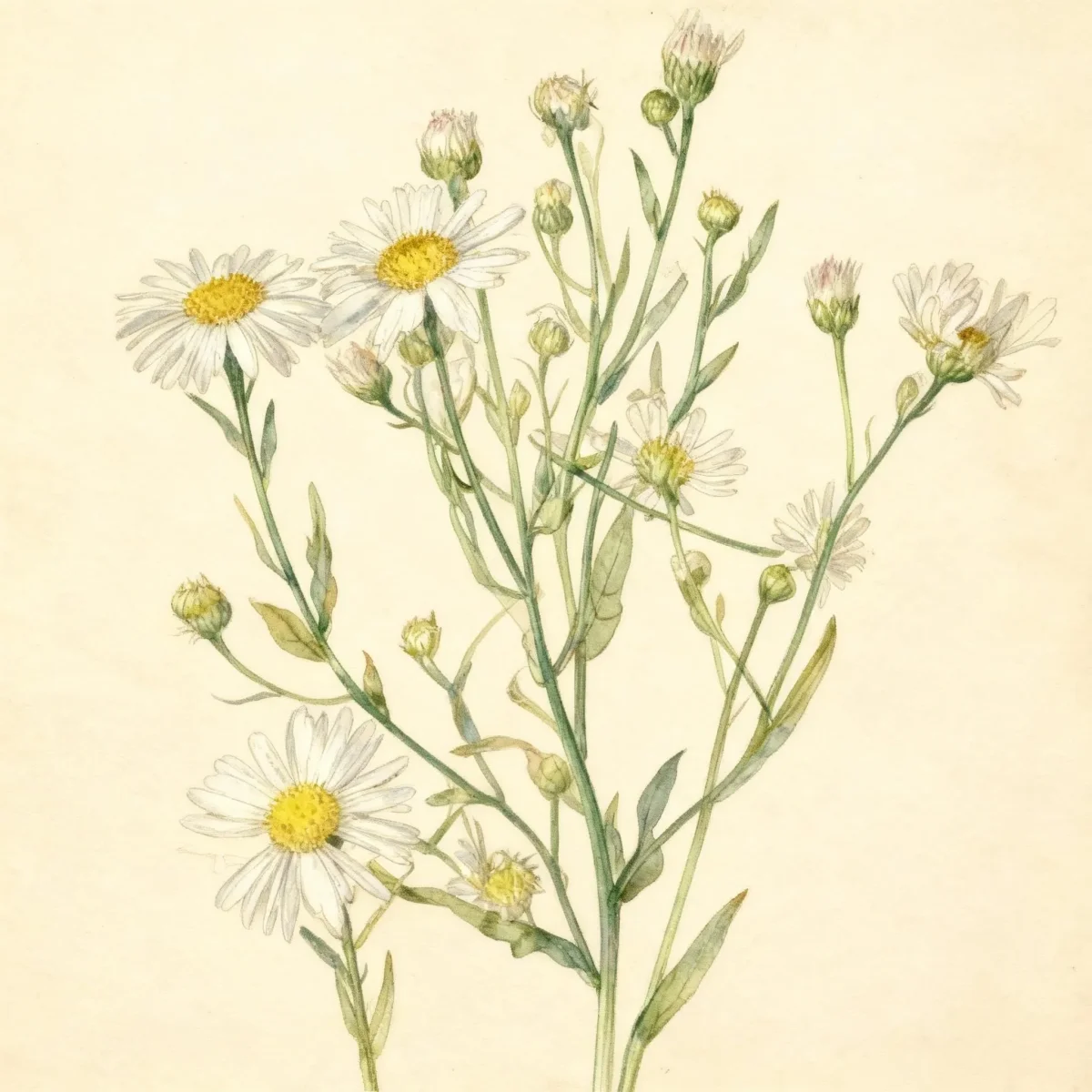
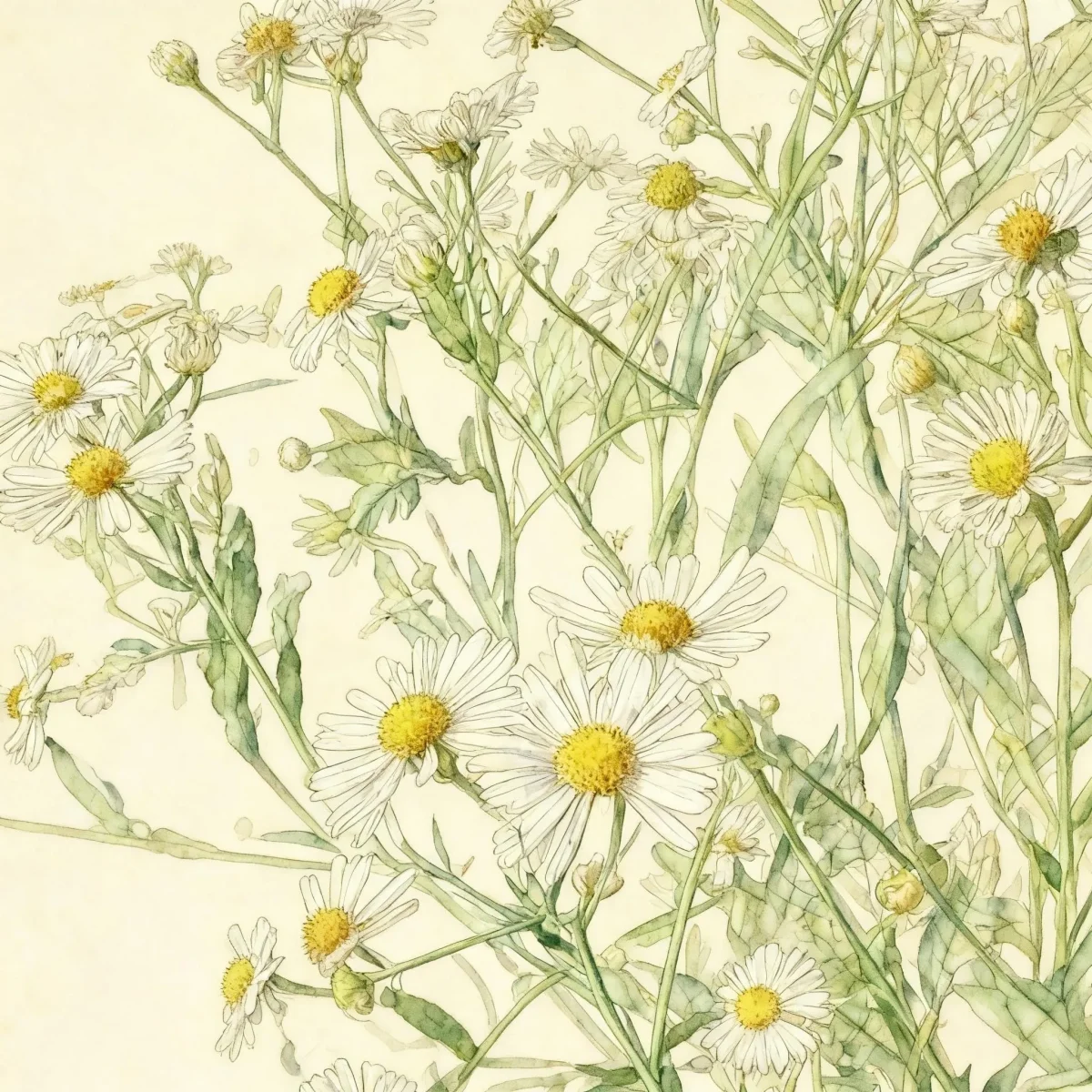
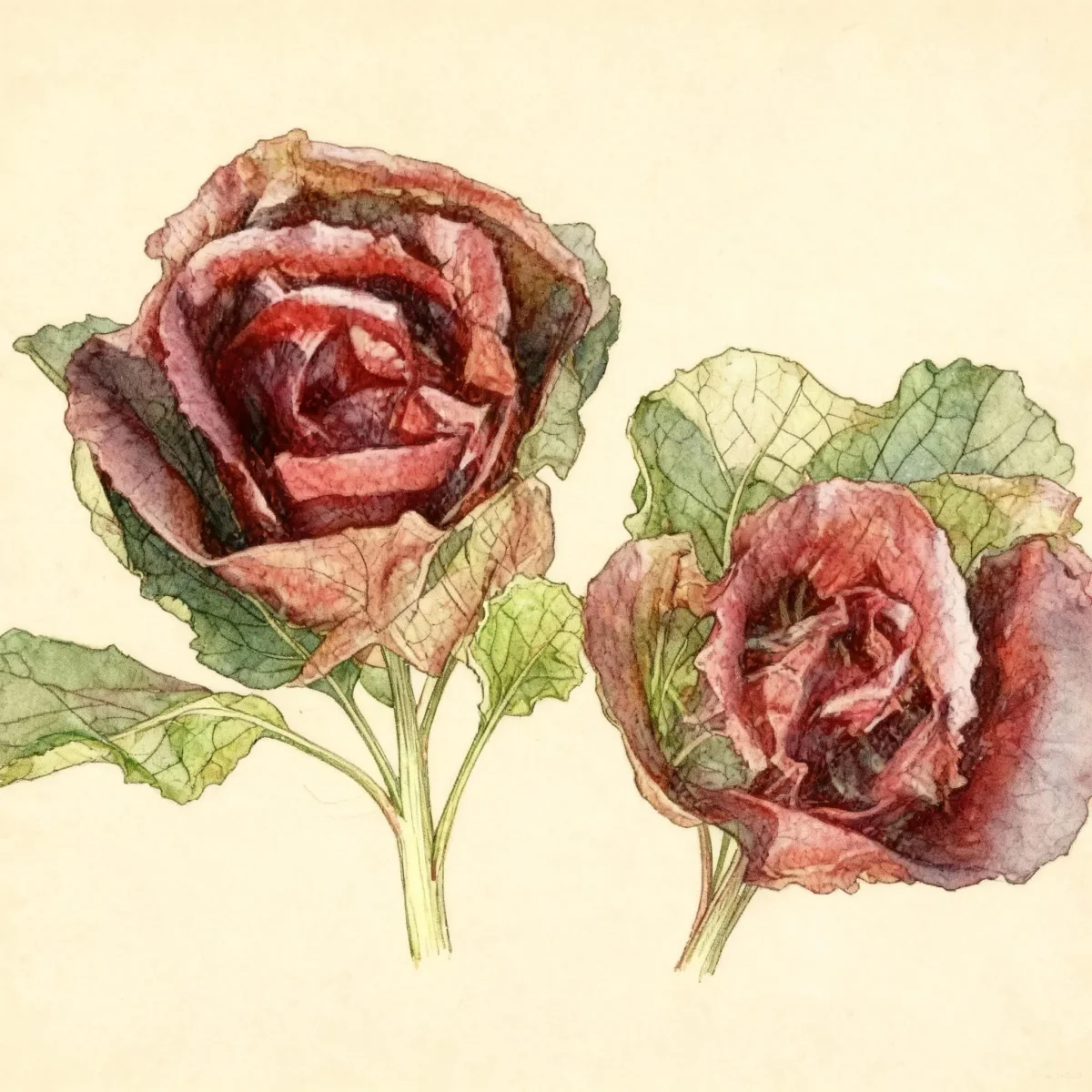
Cichorium intybus, commonly known as chicory or succory, is a taprooted perennial herb that typically grows to 2-4’ tall. Although native to Europe, it has naturalized over time throughout much of the U.S. Where it is typically now found growing in fields, pastures, waste areas and roadsides. A procession of attractive, stalkless, clear blue flowers (to 1” across) hug rigid nearly leafless stems in a long May/June to September/October bloom. Spring bloom may begin as early as March in warm southern climates. Rays are typically blue but occasionally white or pink. Flowers usually close up by noon. Lower lance-shaped, dandelion-like, basal leaves (3-6” long) are variously toothed, cut or lobed and have rough-hairy surfaces. Upper stem leaves are smaller with clasping bases. Deep fleshy taproot exudes a milky sap when cut. Some varieties of this species, such as the radicchio pictured above, are cultivated as leafy vegetables and other varieties are cultivated for their roots which are dried and used as a coffee substitute.
Tolerances
- Drought
Potential Problems
Experienced gardeners report that Cichorium intybus generally avoids serious insect or disease problems across its hardiness range. This resilience is a major benefit of cultivating Chicory. However, young seedlings and tender foliage can attract common garden pests.
Gardeners should remain vigilant for damage caused by snails and slugs, especially during cool, damp periods when they are most active. Cutworms can also pose a threat early in the season by severing young stems near the soil line. Management often involves simple cultural practices, such as ensuring good soil drainage and promptly removing vegetative debris where pests might hide.
Frequently Asked Questions
What hardiness zones is Chicory suitable for?
Chicory (Cichorium intybus) thrives in conditions found within USDA Hardiness Zones 3 through 8.
How large does Chicory grow?
When mature, this species typically achieves a height between 2 and 4 feet, with a spread ranging from 1.5 to 2 feet wide.
What sun exposure does Chicory need?
Cichorium intybus requires full sun to achieve its best growth and bloom display.
When does Chicory bloom?
The primary bloom time for Chicory extends from May through October, offering long-season color.
Conclusion
Chicory (Cichorium intybus) provides excellent value through its striking blue flowers and its dual utility as an edible green and coffee substitute root. Its preference for full sun and medium moisture makes it remarkably adaptable, though gardeners must respect its preference for cooler summers. Before planting, verify your USDA hardiness zone compatibility to ensure this robust perennial thrives in your landscape.
Companion Planting
When designing a mixed border featuring Cichorium intybus, focus on companions that share its preference for full sun and thrive in less-than-rich, well-drained soil. Plants that bloom later in the season pair well, providing continuous color as the Chicory’s intense blue tapers off. Consider planting it alongside sturdy prairie natives like Joe Pye Weed or Goldenrod, which can handle the height and upright nature of the Chicory stems.
Because Cichorium intybus sends down a deep taproot, it is less likely to compete aggressively with shallow-rooted neighbors for surface nutrients and moisture. This makes it an excellent partner for various herbs and flowering annuals that might struggle in deep shade but appreciate the filtered light provided by the 4-foot tall stems later in the day. Avoid overcrowding, as good air circulation helps minimize any minor issues like powdery mildew, although this is rare for this sturdy plant.
Seasonal Care Calendar
Spring preparation involves scouting for new growth emerging from the persistent taproot. Clear away any winter debris and ensure the soil is workable for the initial growth phase, noting that early spring bloom can start as early as March in warmer parts of its range. Focus on minimizing soil disturbance around the base to protect the root system.
Summer is the primary growing and flowering season. Monitor moisture levels, providing medium water during prolonged dry spells, particularly during peak heat, even though established plants are somewhat drought-tolerant. For those cultivating Chicory specifically for root harvest (coffee substitute), summer is when root development thickens, requiring consistent soil moisture without becoming waterlogged.
In autumn, after the final frost has killed back the above-ground foliage in colder zones, resist the urge to aggressively clean the area immediately. Leaving the dried stems can provide some winter structure and protection for the crown. In spring, cut back the old growth close to the ground before new basal leaves begin to emerge.