Cosmos (Cosmos sulphureus)
Vibrant Cosmos sulphureus offers daisy-like sulfur-yellow flowers from June to September. Easy to grow annual.
Scroll down to discover growing tips, care requirements, companion plants, and more
Complete Plant Information
Overview
The vibrant Cosmos sulphureus, commonly known simply as Cosmos, is a fantastic warm-season annual celebrated for its abundant, cheerful blooms. Native to the Americas, this species brings bright yellow daisy-like flowers—though cultivars often span orange to scarlet—to garden beds from mid-summer until the first frost. Gardeners appreciate this variety for its ease of cultivation and its ability to thrive even in less-than-ideal conditions.
What sets Cosmos sulphureus apart is its resilience and strong vertical habit, typically reaching 2 to 6 feet tall. It performs best when provided with full sun exposure, easily tolerating dry or generally poor soil conditions where other annuals might struggle. This makes the Cosmos an excellent choice for filling out cottage gardens or naturalized areas quickly and reliably each year.
Beyond its striking aesthetic appeal, growing this species encourages a vibrant ecosystem. Its clear, open flowers are highly attractive to pollinators, and the plant’s resilience means long-lasting color with relatively little intervention. For continuous display throughout the season, simple deadheading is often the only major cultural task required for successful Cosmos sulphureus management.
Fast Facts
- Plant Family: Asteraceae
- Plant Type: Annual
- Native Range: North, Central, and South America
- Hardiness Zones: USDA Zones 2-11
- Size at Maturity:
- Height: 2-6 ft
- Spread: 1-3 ft
- Bloom Time: June to September
- Bloom Description: Yellow
- Sun Exposure: Full sun
- Water Needs: Dry to medium
- Maintenance Level: Medium
How to Grow
Starting Cosmos sulphureus is straightforward, best achieved by direct seeding once all danger of spring frost has passed. While the seeds can be started indoors 4-6 weeks before your last frost date, they transplant best when planted directly into average, well-drained soil in a location receiving full sun. Critically, avoid overly rich, fertile soils, as these conditions encourage excessive leafy growth, leading to lax, floppy stems that often lodge or flop over.
Once established, care requirements are generally low. Water needs lean toward dry to medium; established plants tolerate drought well, fitting their natural tolerance for dry soils. Fertilizing is generally unnecessary and should be avoided to maintain sturdy growth habits. Taller specimens might occasionally require staking or cutting back if they become leggy during peak summer growth.
To maximize the flush of color from June through September, make it a habit to deadhead spent flowers consistently. This practice directs the plant’s energy back into producing new buds rather than setting seed. If you wish to save seeds for next year, allow some flowers to mature and harvest the seed heads in the fall, dropping seeds onto bare soil can lead to self-seeding the following spring.
Landscape Uses
The upright structure and abundant blossoms of Cosmos sulphureus make it an indispensable element in many garden designs. These plants function wonderfully when placed along Beds and borders, providing a mid-to-back-row height that frames shorter perennials or groundcovers. Their wild, cheerful look integrates perfectly into Cottage gardens, offering a less formal texture compared to highly manicured annuals.
Furthermore, the ease with which Cottage gardens are planted makes them ideal for large-scale annual displays. Because the Cosmos produces long, straight stems that hold their flowers well above the foliage, they become a staple in Cutting gardens. Simply harvesting blooms for indoor arrangements encourages the plant to produce even more flowers, creating a win-win situation for both the vase and the garden view.
These hardy annuals also suit Wild areas or meadow plantings where they can mingle with native grasses and other sturdy wildflowers. They establish quickly, offering excellent visual impact in spaces where high maintenance is impractical.
Standout Features
Flower Qualities
- Showy
Noteworthy Characteristics
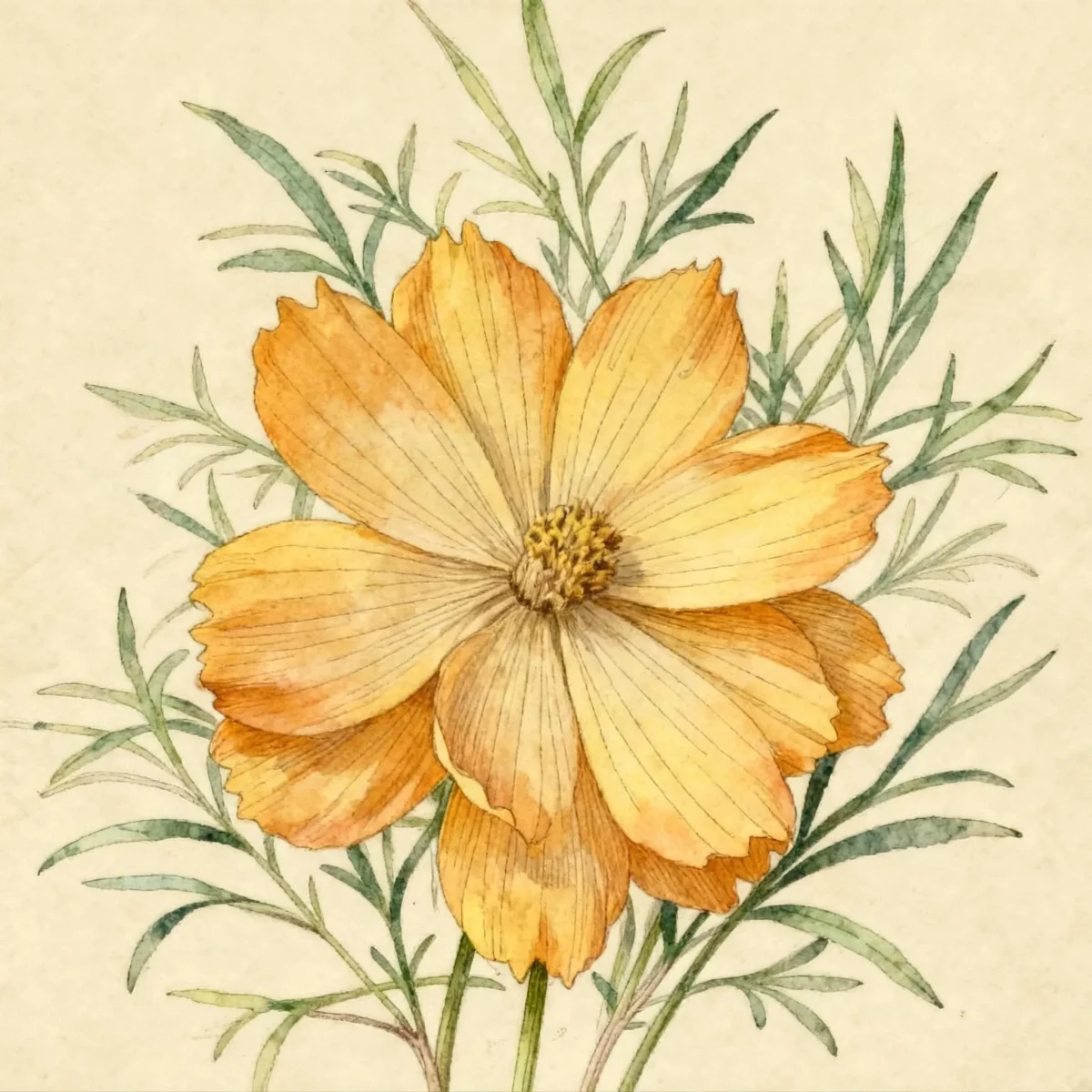
Cosmos sulphureus is native to Mexico and develops an upright, hairy-stemmed structure ideal for warm weather. It usually grows between 1 and 3 feet tall, but can reach 6 feet, showcasing daisy-like flowers up to 2.5 inches wide, featuring yellow rays and discs typical of the species. The specific epithet, sulphureus, alludes directly to its brilliant sulfur-yellow coloration.
Tolerances
- Drought
- Dry Soil
Potential Problems
This species generally encounters no serious insect or disease problems, making it a gardener’s friend. Prevention centers mainly on cultural practices rather than chemical control. Avoid planting in incredibly rich, heavy soils, as this almost guarantees weak stems prone to lodging, often mistaken for a disease issue. Good air circulation achieved through proper spacing will help prevent any minor humidity-related fungal issues common to all Asteraceae members.
Frequently Asked Questions
What hardiness zones is Cosmos suitable for?
Cosmos sulphureus is adaptable, thriving across a wide range suitable for annuals, specifically USDA Zones 2 through 11.
How large does Cosmos grow?
At maturity, this plant typically reaches a height between 2 and 6 feet, with a spread of 1 to 3 feet wide.
When does Cosmos bloom?
You can expect continuous blooms from this resilient annual throughout the summer, generally starting in June and continuing until September, displaying beautiful yellow flowers.
What sun exposure does this plant need?
For the best performance, robust blooming, and to avoid weak stems, Cosmos sulphureus requires full sun exposure throughout the day.
Conclusion
The Cosmos sulphureus delivers exceptional value to any garden setting, offering season-long, cheerful yellow color that is exceptionally drought-tolerant. As a low-fuss annual that brightens borders and cutting buckets alike, this Cosmos variation is a staple for reliable summer beauty. Before planting, assess your local frost dates and ensure you provide the full sun exposure it demands for the strongest stalks.
Companion Planting
When planning your garden layout, consider companion plants that share similar cultural needs for sun and dry-to-medium moisture. Pairing Cosmos sulphureus with other drought-hardy perennials or sturdy annuals helps create a cohesive, low-water display. Good companions include Yarrow (Achillea) or drought-tolerant Salvias, which appreciate sharp drainage and full sun.
Avoid planting this Cosmos directly next to heavy feeders or plants that require constantly moist soil, as this mismatch in water needs can stress one or both partners. Introducing native ornamental grasses nearby can complement the airy texture of the Cosmos sulphureus foliage beautifully, providing structural contrast as the season progresses.
Design Ideas
The height range of Cosmos sulphureus (2 to 6 feet) makes it versatile for layered planting schemes. Taller cultivars are perfect for the rear of a border, creating a vibrant, fluttering screen of color visible from a distance. Shorter or dwarf varieties are excellent for mass plantings or filling gaps in sunny, somewhat neglected areas where resilience is key.
In larger yards or naturalized settings, allow drifts of this species to intermingle through drifts of coneflower or bee balm; this mimics the wildflower tapestry where Cosmos sulphureus originates. For striking color contrast, plant it against deep purple foliage, which will make the sulfur-yellow flowers appear even brighter throughout the summer months.