Small globe thistle (Echinops ritro subsp. ruthenicus)
Discover Small globe thistle (Echinops ritro subsp. ruthenicus), a low-maintenance perennial offering striking blue globe flowers for borders and dried arrangements.
Scroll down to discover growing tips, care requirements, companion plants, and more
Complete Plant Information
Overview
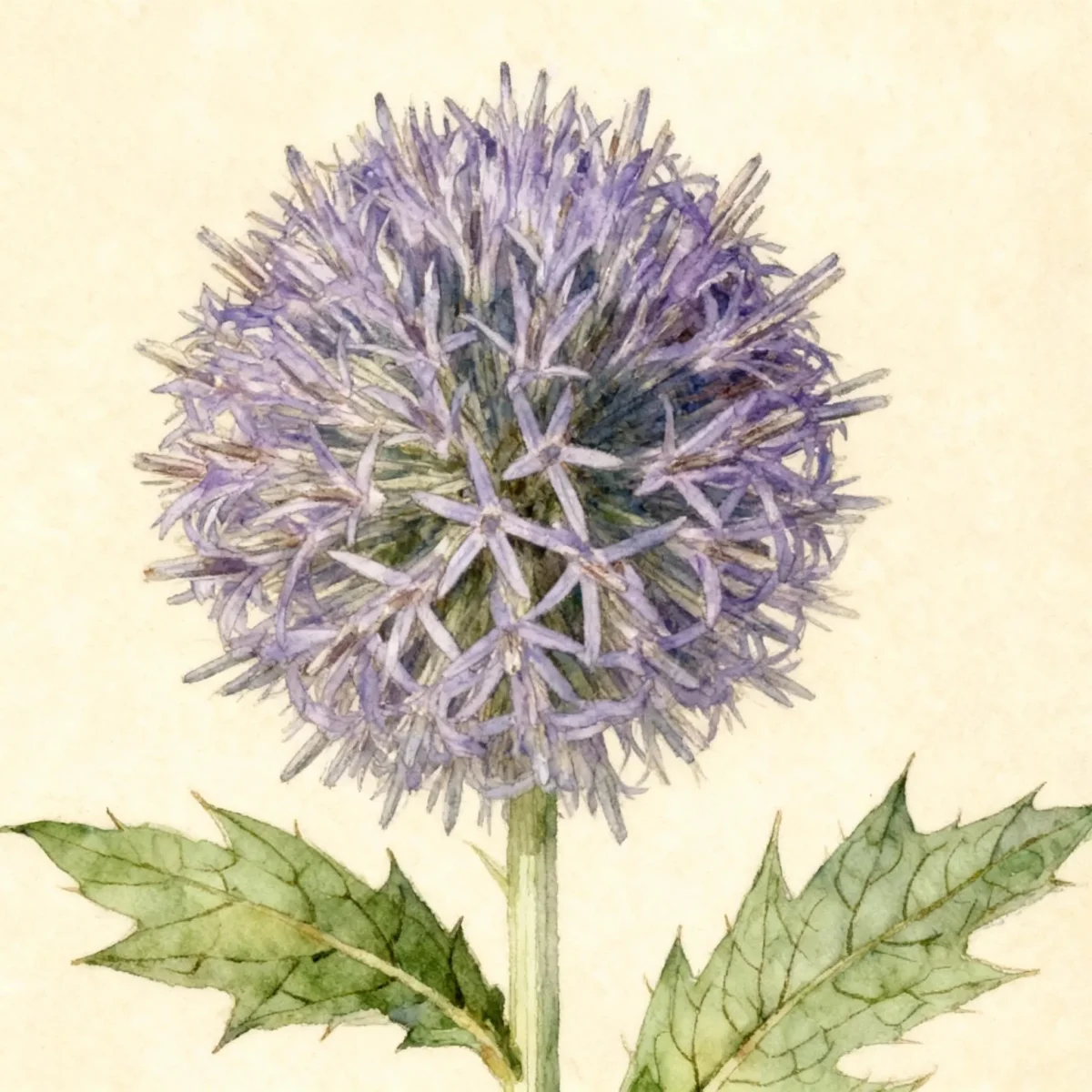
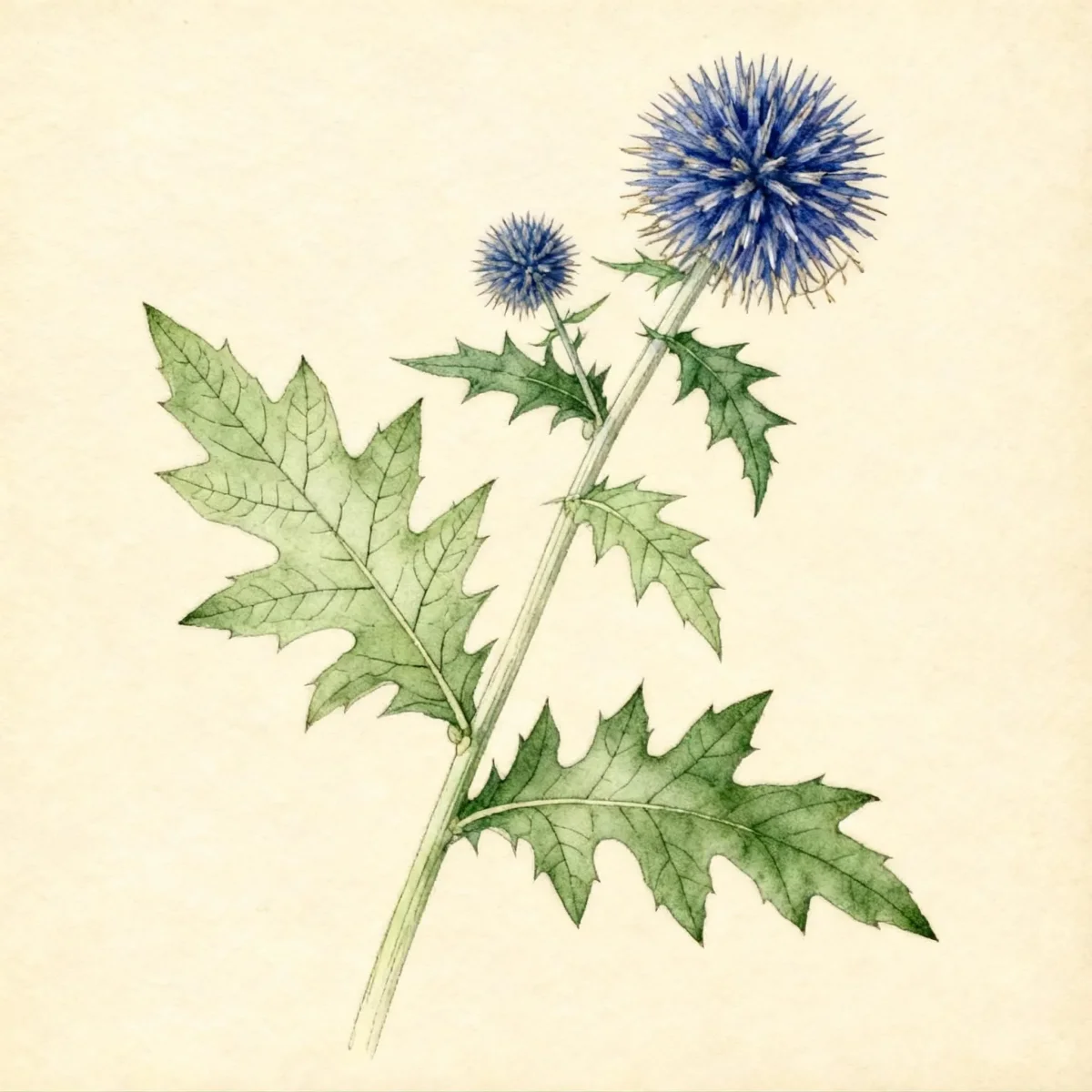
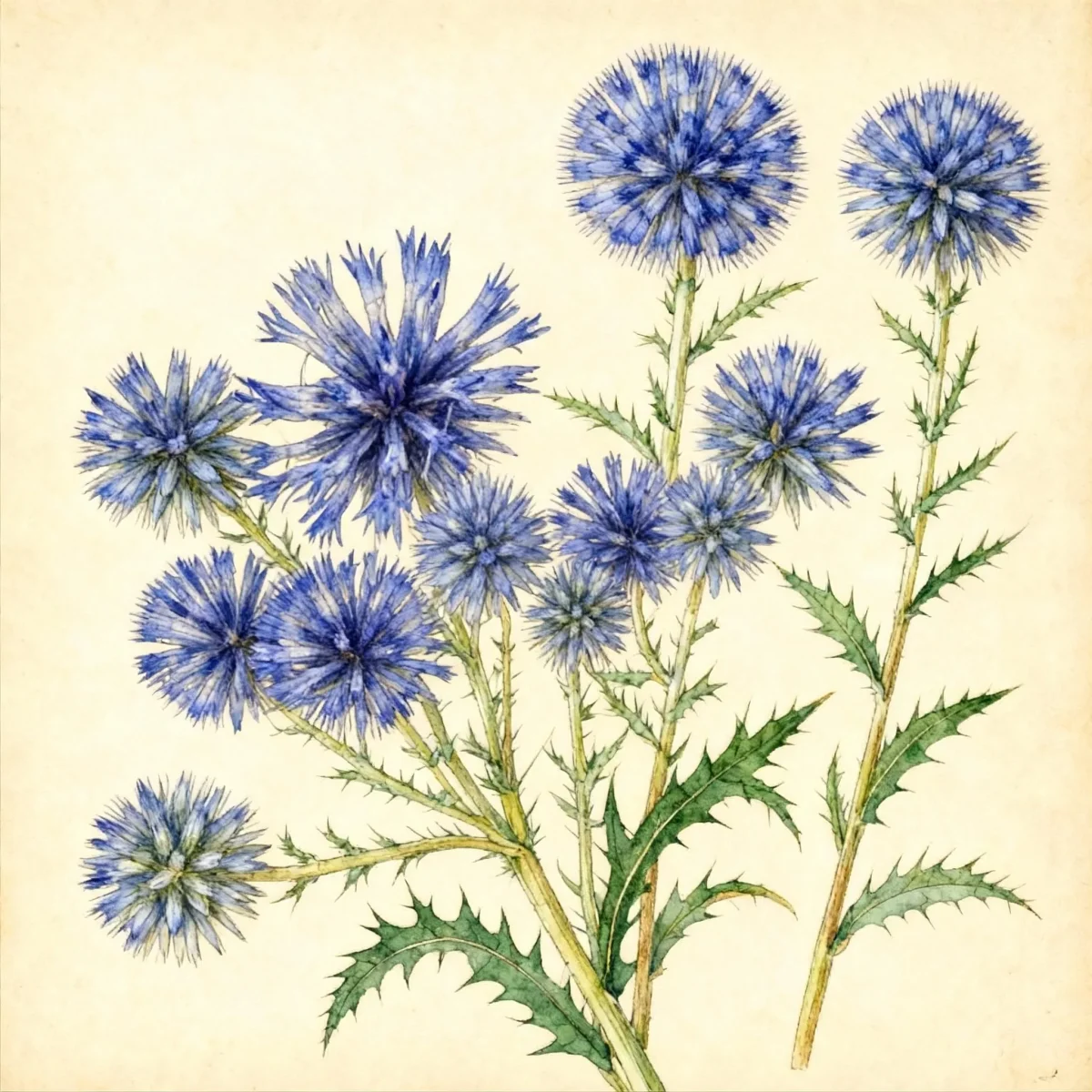
The Small globe thistle, or Echinops ritro subsp. ruthenicus, introduces vertical interest and unique texture to the summer garden. Its defining feature is the constellation of metallic blue, globular flower heads that resemble small steel thistles atop rigid, upright stems. This plant is celebrated for its exceptional tolerance to poor conditions, thriving where many other garden specimens struggle.
As an herbaceous perennial, Echinops ritro subsp. Ruthenicus offers reliable returning color each season. It provides excellent structure in sunny borders and provides highly valuable material whether used fresh in bouquets or dried for winter décor. Gardeners appreciate its striking appearance and minimal cultural demands, making it a foundational element for drought-tolerant or cottage-style landscaping.
This compact cultivar of globe thistle typically reaches between 2 to 3 feet tall. It maintains a relatively neat presence with deeply cut, thistle-like foliage, lending texture even when not in bloom. The robust nature of Echinops ritro subsp. ruthenicus ensures it remains a low-maintenance centerpiece throughout the growing season.
Fast Facts
- Plant Family: Asteraceae
- Plant Type: Herbaceous perennial
- Native Range: Central and eastern Europe, western and central Asia
- Hardiness Zones: USDA Zones 4-8
- Size at Maturity:
- Height: 2-3 ft
- Spread: 1.5-2 ft
- Bloom Time: July to September
- Bloom Description: Blue
- Sun Exposure: Full sun
- Water Needs: Dry to medium
- Maintenance Level: Low
How to Grow
The Small globe thistle thrives when planted in spring or fall, provided the soil is well-drained. Optimal placement requires a location receiving full sun throughout the day, as insufficient light can lead to floppier growth and reduced bloom quality. While adaptable, this species prefers average soils that lean toward dry or medium moisture levels.
Cultural care for Echinops ritro subsp. ruthenicus is refreshingly simple, reflecting its low maintenance categorization. Avoid excessive watering once established, as it tolerates drought very well. Fertilizing is generally unnecessary; in fact, rich, fertile soils should be avoided as they encourage excessive vegetative growth and may necessitate staking.
This is a taprooted plant, a characteristic that makes dividing or transplanting mature specimens quite difficult. For this reason, site selection is critical before planting. Taller stems may occasionally require staking, especially in windy sites or very rich soil where the plant can become top-heavy, but generally, the stiff stems support the flower heads well.
Landscape Uses
The architectural quality of the Small globe thistle makes it perfect for sunny borders where dynamic vertical accents are needed. Plant it toward the middle or back of the border to provide height without obscuring shorter perennials. Its unique spherical blue blooms contrast beautifully with softer, mounding plants or flat-topped flowers.
Echinops ritro subsp. ruthenicus is an obvious choice for cottage gardens, blending seamlessly with roses, salvias, and ornamental grasses. Furthermore, its suitability for cutting gardens is paramount; the tough stems and long-lasting structure of the flower heads are indispensable for both fresh arrangements and permanent dried displays.
Due to its excellent drought tolerance, it integrates well into Xeriscape or dry meadow plantings. Consider grouping several plants together to maximize the visual impact of the massed blue spheres against the gray-green, deeply lobed foliage of the Small globe thistle.
Standout Features
Flower Qualities
- Showy
- Good Cut
- Good Dried
Noteworthy Characteristics
Echinops ritro subsp. Ruthenicus is noted for its compact stature, growing around 30 inches tall, usually featuring larger flower heads (up to 2.5 inches in diameter) than the species type. The basal leaves are particularly coarse and deeply cut, being glossy green above but distinctly white and woolly underneath. This species gets its common name, globe flower, from the distinctive, thistle-like, deep steel blue flower heads that appear in summer.
Tolerances
- Rabbit
- Drought
- Dry Soil
- Shallow-Rocky Soil
Potential Problems
Echinops ritro subsp. ruthenicus is robust and generally avoids serious insect or disease pressures, which is a significant advantage for gardeners seeking low-intervention plants. The primary cultural issue relates to height management: taller stems, especially when the plant is grown in unnaturally rich or overly moist soil, may benefit from temporary staking to prevent them from nodding over. Ensure well-drained conditions prevail to prevent root issues.
Frequently Asked Questions
What hardiness zones is Small globe thistle suitable for?
The Echinops ritro subsp. ruthenicus is reliably hardy in USDA Zones 4 through 8.
How large does Small globe thistle grow?
This herbaceous perennial typically achieves a height between 2 and 3 feet, with a spread ranging from 1.5 to 2 feet at maturity.
What sun exposure does Echinops ritro subsp. ruthenicus need?
For the best performance and strongest stems, Echinops ritro subsp. ruthenicus requires full sun exposure.
When does Small globe thistle bloom?
The distinctive blue, globe-shaped flowers appear reliably throughout the summer, spanning from July to September.
Conclusion
With its unique texture, low water needs, and striking blue blooms, Echinops ritro subsp. ruthenicus is an essential addition for gardeners needing reliable, low-fuss color. The Small globe thistle excels in sunny, dry locations where its strong form shines. Confirm your site meets the full sun requirement and ensure your soil drains well before planting this taprooted beauty.
Companion Planting
When incorporating Echinops ritro subsp. ruthenicus into a border design, select companions that appreciate similar cultural conditions—namely, full sun and moderate to dry soil. Plants that contrast nicely in texture and color include soft, upright perennials like Lavender (Lavandula) or the silvery foliage of Lamb’s Ears (Stachys byzantina). For height variation, pair the Small globe thistle with taller ornamental grasses that sway gently, providing movement around the static blue spheres of the thistle.
Wildlife Benefits
The structural flower heads of the Small globe thistle are fantastic magnets for beneficial insects and late-season pollinators. Bees and butterflies are heavily attracted to the nectar-rich blue globes during mid to late summer. Furthermore, because the flower heads remain attractive long after blooming, they provide persistent seed sources for goldfinches and other seed-eating birds well into the winter months if left standing.