Robin's plantain (Erigeron pulchellus)
Discover Robin's plantain (Erigeron pulchellus), a low-maintenance, native perennial perfect for dry spots. Blooms April-June.
Scroll down to discover growing tips, care requirements, companion plants, and more
Complete Plant Information
Overview
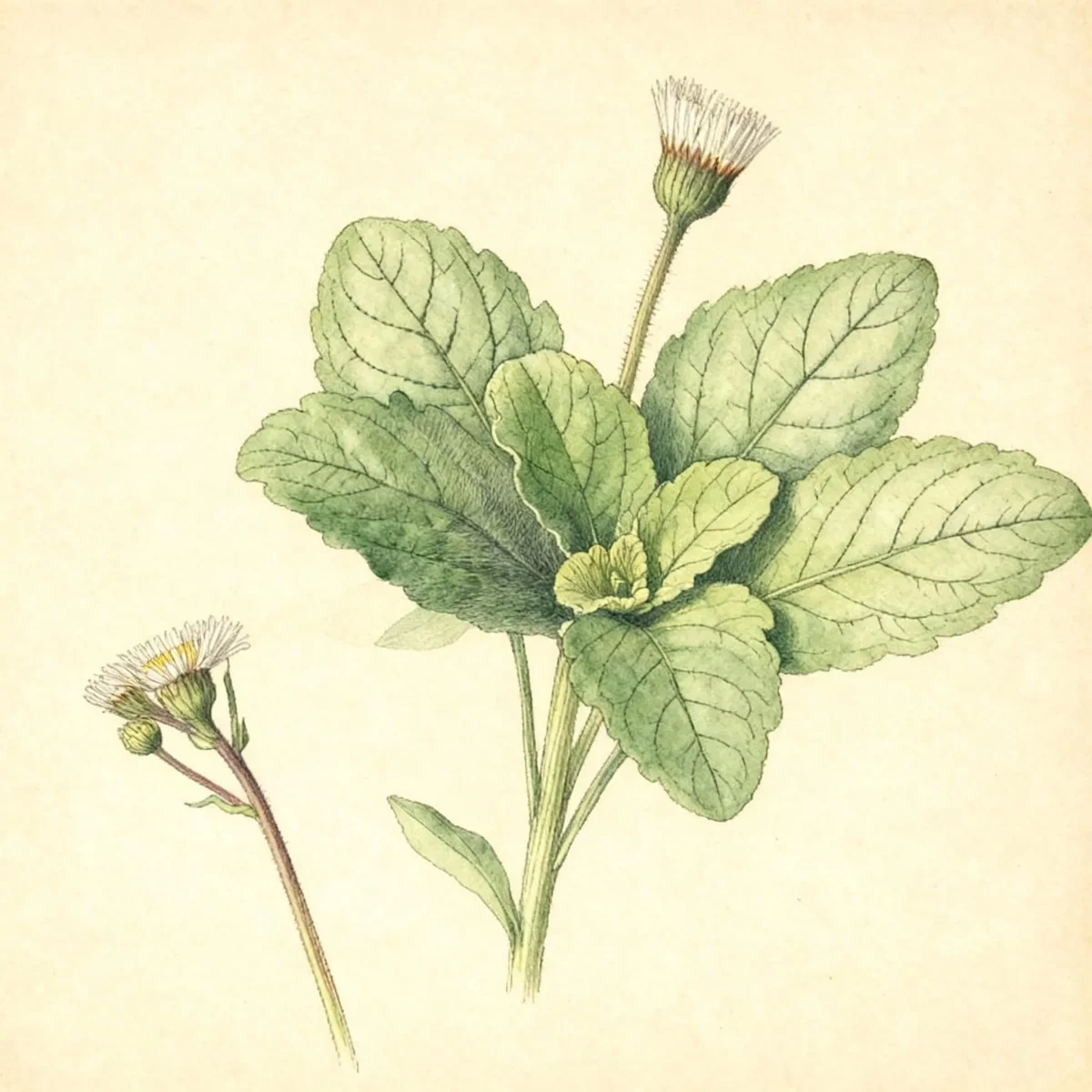
Robin’s plantain, scientifically known as Erigeron pulchellus, is a highly valuable native perennial for gardeners seeking easy, reliable coverage in drier areas. This plant features soft, hairy foliage and produces a profusion of delicate, daisy-like flowers early in the season, lending a charming, wildflower aesthetic to any space. Its ability to thrive in challenging conditions makes Erigeron pulchellus an indispensable component of naturalized and low-input gardens across its native range in the Eastern and south-central United States.
This species is characterized by its stoloniferous nature, meaning it spreads slowly by underground runners, allowing it to form attractive ground cover over time without becoming overly aggressive. Though sometimes treated as a biennial, it reliably returns as a short-lived perennial when happy, offering consistent structure and early spring bloom. Gardeners will appreciate the low demands of Robin’s plantain, requiring little more than adequate drainage to establish a healthy colony.
The visual appeal of the pale violet rays surrounding the yellow disk is a welcome sight after winter, making it perfect for cottage gardens or wildflower meadows. By selecting Erigeron pulchellus, landscapers secure a robust native that blends seamlessly into mixed borders while requiring minimal seasonal intervention once established.
Fast Facts
- Plant Family: Asteraceae
- Plant Type: Herbaceous perennial
- Native Range: Eastern and south-central United States
- Hardiness Zones: USDA Zones 3-8
- Size at Maturity:
- Height: 1.5-2 ft
- Spread: 1.5-2 ft
- Bloom Time: April to June
- Bloom Description: Pale violet rays with yellow center disk
- Sun Exposure: Full sun
- Water Needs: Dry to medium
- Maintenance Level: Low
How to Grow
Planting Erigeron pulchellus is remarkably straightforward; aim for the best results in average, dry to medium soils that are well-drained. Good drainage is critical for the longevity of Robin’s plantain, especially in areas prone to winter wetness. While full sun is preferred, this aster relative appreciates light afternoon shade in regions where summer heat is intense, helping prevent wilting.
Once established, care for Robin’s plantain is minimal. Watering should be infrequent, only needed during extended dry spells, as it tolerates both drought and dry soil conditions well. Avoid rich soils or heavy fertilization; plants perform best in poorer or modest soils and excessive nutrients can lead to floppier growth. Propagation is easily achieved through division of the basal clumps in spring or fall, or by collecting and sowing seeds after they mature.
This plant naturally performs its own maintenance by spreading via stolons and self-seeding, which leads to lovely naturalized patches over several seasons. Minimal cleanup is required in the fall, though dead foliage can be trimmed back in late winter or early spring just before new growth begins to tidy up the clump appearance.
Landscape Uses
Erigeron pulchellus excel when used in native plant and wildflower gardens, seamlessly integrating into large mass plantings or meadow settings where they can naturalize freely. Their moderate height (up to 2 feet) makes them suitable for the middle layer of a border, softening the edges behind shorter spring bloomers. They pair beautifully in cottage gardens alongside Baptisia or delicate woodland phlox, benefiting from similar drainage needs.
As the suggested use confirms, this species functions perfectly as a native ground cover, slowly filling in space between stepping stones or beneath thinning tree canopies where competition from turf is minimal. In butterfly gardens, the fine texture and early nectar provide valuable resources for emerging insects.
For a low-maintenance design, consider mass planting several colonies of Robin’s plantain together. Given their affinity for dry sites, they are excellent candidates for xeriscaping or low-water foundation plantings where traditional bedding plants struggle due to thirst requirements.
Standout Features
Flower Qualities
- Showy
Noteworthy Characteristics
Erigeron pulchellus, commonly known as robin’s plantain, is an aster-like, stoloniferous, biennial to short-lived perennial that typically grows to 2’ tall on soft, hairy, hollow, unbranched, sparsely-leaved flowering stems rising from a basal clump of paddle-shaped, scalloped to bluntly toothed, soft and hairy leaves (2-6” long). Stems are topped in April to June with a profuse and showy bloom of small flowers (to 1 1/2” wide) in loose clusters. Genus name comes from the Greek words eri meaning early and geron meaning old man in reference to the early bloom time and downy plant appearance suggestive of the white beard of an old man.
Tolerances
- Drought
- Dry Soil
Potential Problems
Few serious pest or disease issues plague Erigeron pulchellus. Gardeners should remain watchful for occasional signs of fungal issues like powdery mildew, leaf spots, or rust, which are more likely to occur in areas with poor air circulation or stagnant humidity. Good cultural practices, particularly ensuring excellent drainage, will help mitigate these fungal risks preemptively. Avoid planting this species too close to neighbors or in overly rich soil, as dense competition or excess nitrogen can stress the plant.
Frequently Asked Questions
What hardiness zones is Robin’s plantain suitable for?
Robin’s plantain (Erigeron pulchellus) is hardy across USDA Zones 3 through 8, offering widespread adaptability throughout much of the temperate eastern half of the US.
How large does Erigeron pulchellus grow?
This perennial typically reaches a mature height between 1.5 and 2 feet tall, spreading to a similar width of 1.5 to 2 feet through naturalized spread.
When does Robin’s plantain bloom?
The blooming season for Robin’s plantain is generally from April extending through June, featuring pale violet ray flowers surrounding a vibrant yellow center disk.
What sun exposure does Erigeron pulchellus need?
Erigeron pulchellus thrives best in locations receiving full sun, though some light shade is beneficial, particularly during the hottest parts of the summer.
Conclusion
The combination of low maintenance needs, native origins, and the early flush of pale violet blooms makes Robin’s plantain an excellent choice for sustainable gardening practices. Ensure your site offers sharp drainage to maximize the performance of Erigeron pulchellus and enjoy this handsome addition to your landscape from spring onward. Check your local zone compatibility before planning your spring planting schedule.
Companion Planting
When designing a native border around Robin’s plantain, look for species that share its preference for drier, average soils and full sun exposure. Consider pairing it with other early-season natives like Woodland Phlox (Phlox divaricata) or Wild Geranium (Geranium maculatum), which often bloom slightly later but occupy a similar ecological niche. For textural contrast, shorter ornamental grasses suitable for dry sites, or the spiky foliage of certain native Penstemons, work exceptionally well alongside the soft basal leaves of Erigeron pulchellus.
Propagation Tips
Propagating Robin’s plantain is an easy way to increase your stock or share this valuable native with friends. The easiest method involves division; gently lift and separate sections of the basal rosette during the early spring or fall dormancy periods. This allows the separated parts to establish firm roots quickly. Alternatively, seed collection from spent flower heads in mid-summer can provide new plants, though you should be prepared for variation if the seed has naturally hybridized, as is common in garden settings.