Sunflower (Helianthus divaricatus)
Helianthus divaricatus, the Sunflower, is a shade-tolerant perennial thriving in dry soils with low maintenance needs.
Scroll down to discover growing tips, care requirements, companion plants, and more
Complete Plant Information
Overview
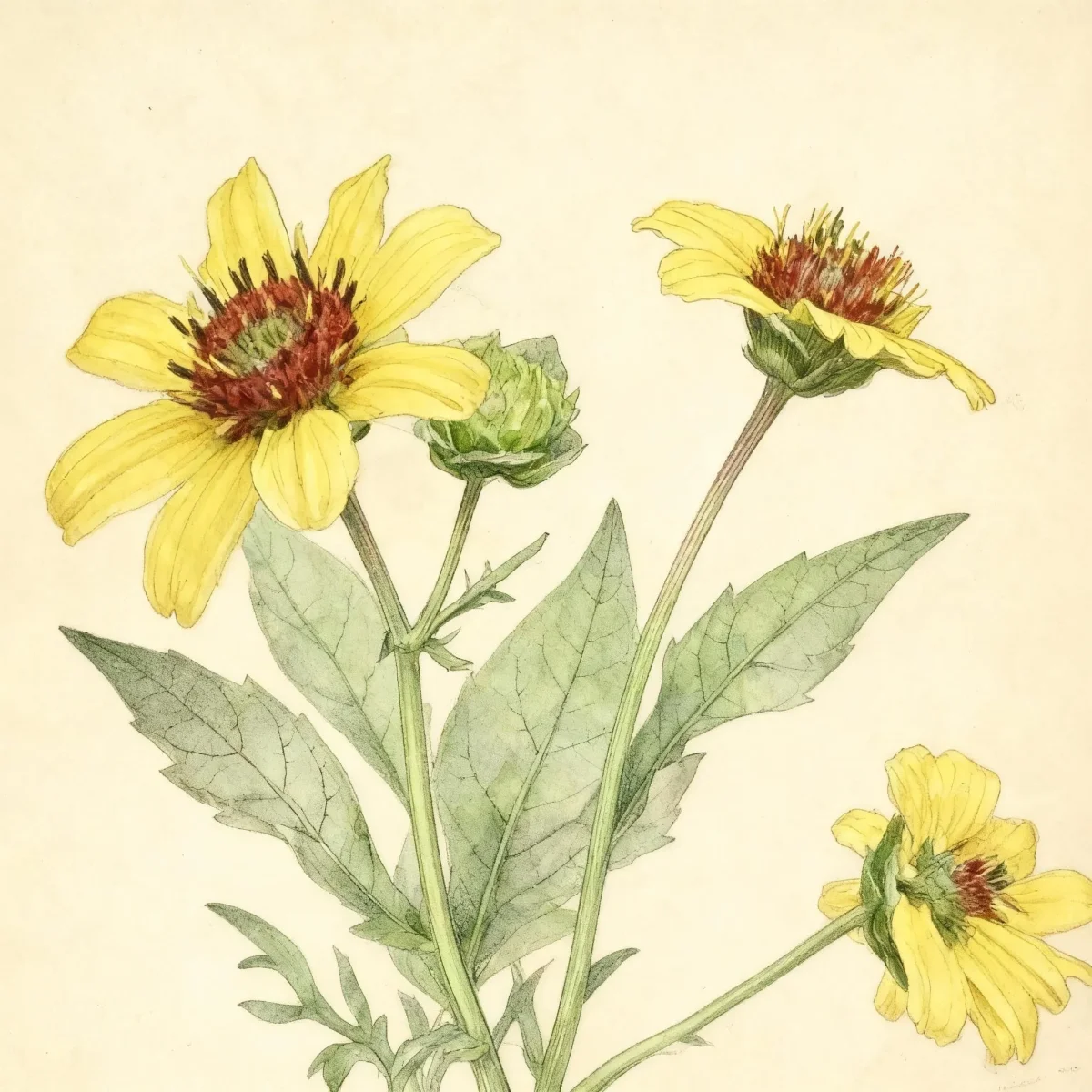
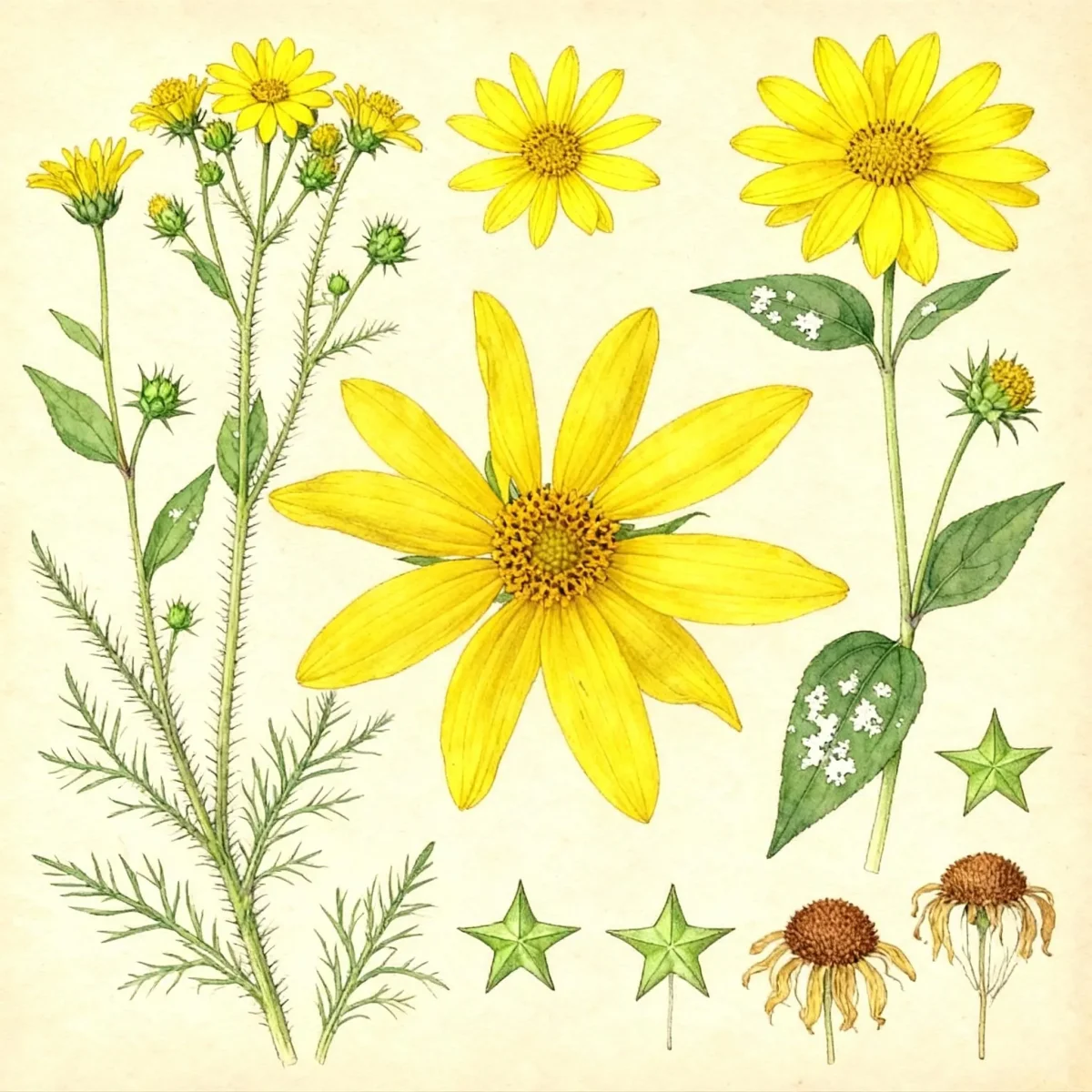
The Woodland Sunflower, Helianthus divaricatus, offers a welcome splash of summer color for partially shaded woodland settings where traditional sun-loving sunflowers struggle. This hardy herbaceous perennial features rigid stems topped with cheerful, two-inch yellow blooms, making it a valuable addition to native plant gardens. Unlike many aggressive sunflowers, Helianthus divaricatus spreads gently by creeping rhizomes, forming manageable colonies over time.
Gardeners appreciate the low maintenance requirements of this particular Sunflower species, as it tolerates dry conditions once established and rarely suffers from serious pest or disease issues. Its ability to thrive in part shade sets it apart, providing reliable mid-to-late summer interest when many spring bloomers have faded.
Incorporating Helianthus divaricatus connects your landscape with the Eastern United States native ecosystem. Its sturdy structure and reliably attractive flowers ensure that it remains a strong structural component in naturalized groupings or native borders throughout its bloom time from July through September.
Fast Facts
- Plant Family: Asteraceae
- Plant Type: Herbaceous perennial
- Native Range: Eastern United States, Oklahoma, Canada
- Hardiness Zones: USDA Zones 3-8
- Size at Maturity:
- Height: 2-6 ft
- Spread: 1-3 ft
- Bloom Time: July to September
- Bloom Description: Yellow rays with darker yellow center disk
- Sun Exposure: Part shade
- Water Needs: Dry to medium
- Maintenance Level: Low
How to Grow
Planting the Woodland Sunflower is best done in spring or fall into average soil that is well-drained. Helianthus divaricatus shows remarkable tolerance for different soil types but insists on avoiding constantly wet conditions. Locate it where it receives part shade; while it tolerates more sun, too much direct intense light can stress the plant, especially in hot climates.
Care is generally minimal once established, reflecting its low maintenance rating. Water only if the soil becomes excessively dry, as this perennial prefers dry to medium moisture levels. Fertilization is rarely necessary; focusing on amending the soil with organic matter is more beneficial than synthetic feeds.
A key cultural note for managing Helianthus divaricatus relates to its spreading habit. Since it forms colonies via creeping rhizomes, division every three to four years is recommended. This practice helps control its spread and maintains the vigor of the established clumps, leading to better bloom production in subsequent seasons.
Landscape Uses
The suggested use for this native perennial is highly aligned with naturalizing efforts. Helianthus divaricatus works beautifully when allowed to colonize in open, partially shaded areas of the woodland garden, mimicking its natural habitat in open rocky woodlands and thickets. It blends effectively with other woodland edge natives that prefer similar moisture conditions.
For structured designs, consider using this Sunflower in the middle to back of a partially shaded border where its up to six-foot height can add vertical interest without overwhelming shorter foreground plantings. Because it establishes well, it is an excellent choice for reintroducing native structure into large, established landscapes.
Designers often pair Helianthus divaricatus with shade-tolerant ferns, astilbes, or native woodland shrubs that share its preference for dry to medium soil, ensuring all plants thrive without conflicting water schedules. Its ability to naturalize makes it a fantastic, low-effort filler for native plant restoration projects.
Standout Features
Flower Qualities
- Showy
- Good Cut
Noteworthy Characteristics
Helianthus divaricatus is characterized by its smooth stems and leaves that are sessile or short-stalked, distinguishing it from other Sunflower species. It produces 2” wide flowers featuring bright yellow rays surrounding slightly darker yellow center disks, blooming consistently from mid-summer well into the fall. The genus name reflects its solar namesake (helios/anthos), while the specific epithet divaricatus suggests its straggling, spreading manner of growth.
Tolerances
- Deer
- Drought
Potential Problems
Generally, this perennial boasts very few serious insect or disease issues, contributing to its low-maintenance profile. The most common cultural issue arises from its height; taller specimens, those reaching the upper end of the 6-foot range, may occasionally require staking, especially if grown in rich soil or exposed to high winds. Proactive management involves ensuring good air circulation and avoiding overly rich soil amendments that promote weak, leggy growth.
Frequently Asked Questions
What hardiness zones is Sunflower suitable for?
Helianthus divaricatus is reliably hardy across USDA Zones 3 through 8.
How large does Sunflower grow?
This species typically reaches a height between 2 and 6 feet, with a spread between 1 and 3 feet when fully mature.
What sun exposure does Helianthus divaricatus need?
The Woodland Sunflower prefers part shade conditions for optimal growth and bloom quality.
When does Sunflower bloom?
Blooms appear from July through September, showcasing yellow rays with darker yellow center disks.
Conclusion
The Woodland Sunflower, Helianthus divaricatus, is a superb choice for gardeners seeking reliable, shade-tolerant perennial color requiring minimal intervention. Its drought tolerance and low susceptibility to pests make this native Sunflower a sustainable choice for naturalizing drifts or filling out woodland borders. Confirm your USDA zone falls within 3 to 8 and plan to plant this adaptable perennial this coming growing season for easy summer blooms.
Companion Planting
When selecting partners for Helianthus divaricatus, prioritize plants that thrive in part shade and can tolerate dry to medium soil conditions. Good companions include native woodland phlox (Phlox divaricata), which blooms earlier in the season, providing succession of color. Consider incorporating native ferns or sedges that appreciate similar filtered light conditions but offer contrasting foliage textures throughout the summer. This approach helps create a layered, diverse native habitat that maximizes the benefits of the established Sunflower colony.
Propagation Tips
The primary method for propagating Helianthus divaricatus is through the division of its creeping rhizomes. This management task should ideally be performed every three to four years, preferably in early spring before new growth starts, or in the fall after the foliage dies back. Carefully dig up sections of the established clump, ensuring each division has a healthy set of roots and a viable crown. Transplant these divisions immediately to their new location, watering well to settle the roots. Seed collection is also possible, but division is the quickest way to increase your stock of this valuable perennial Sunflower.