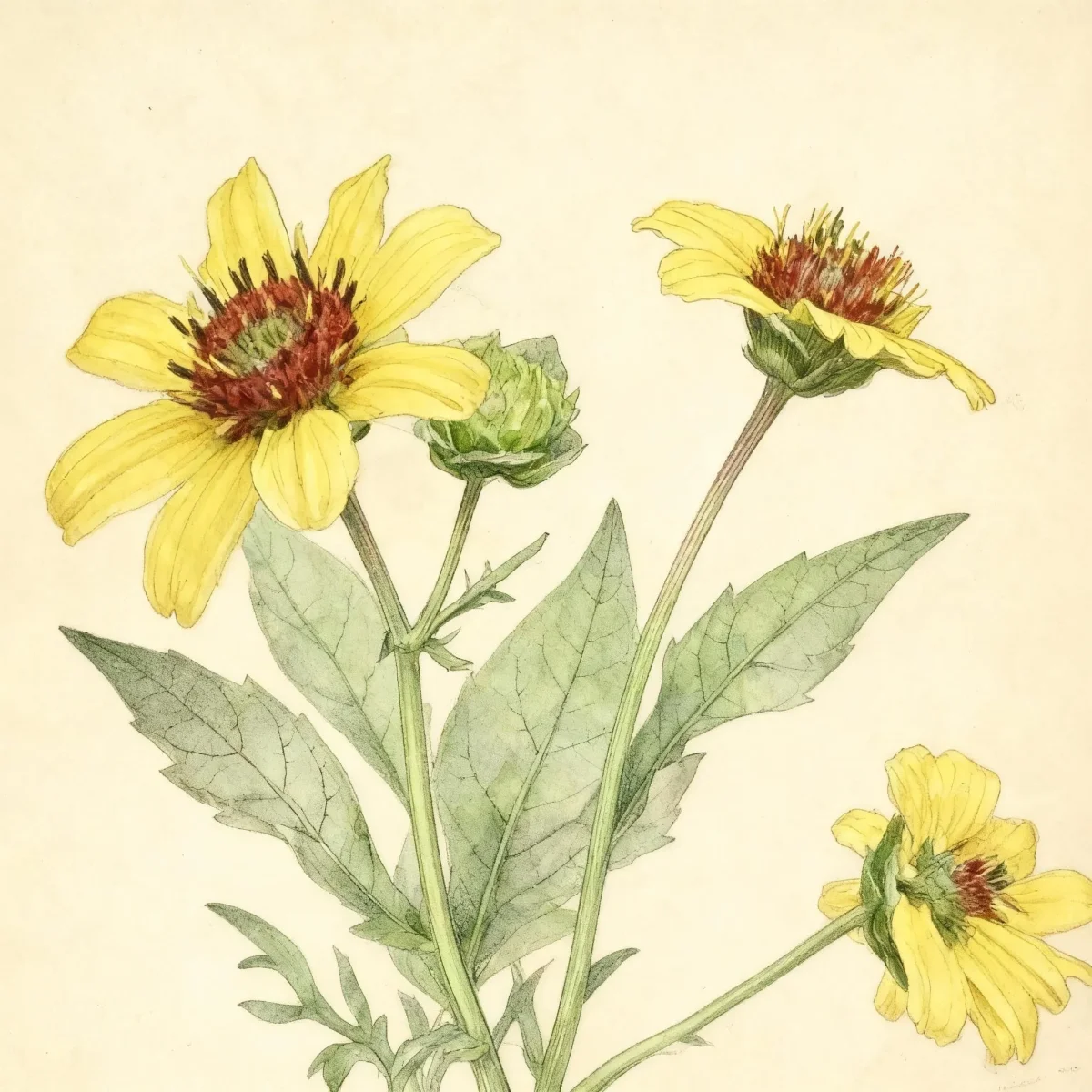
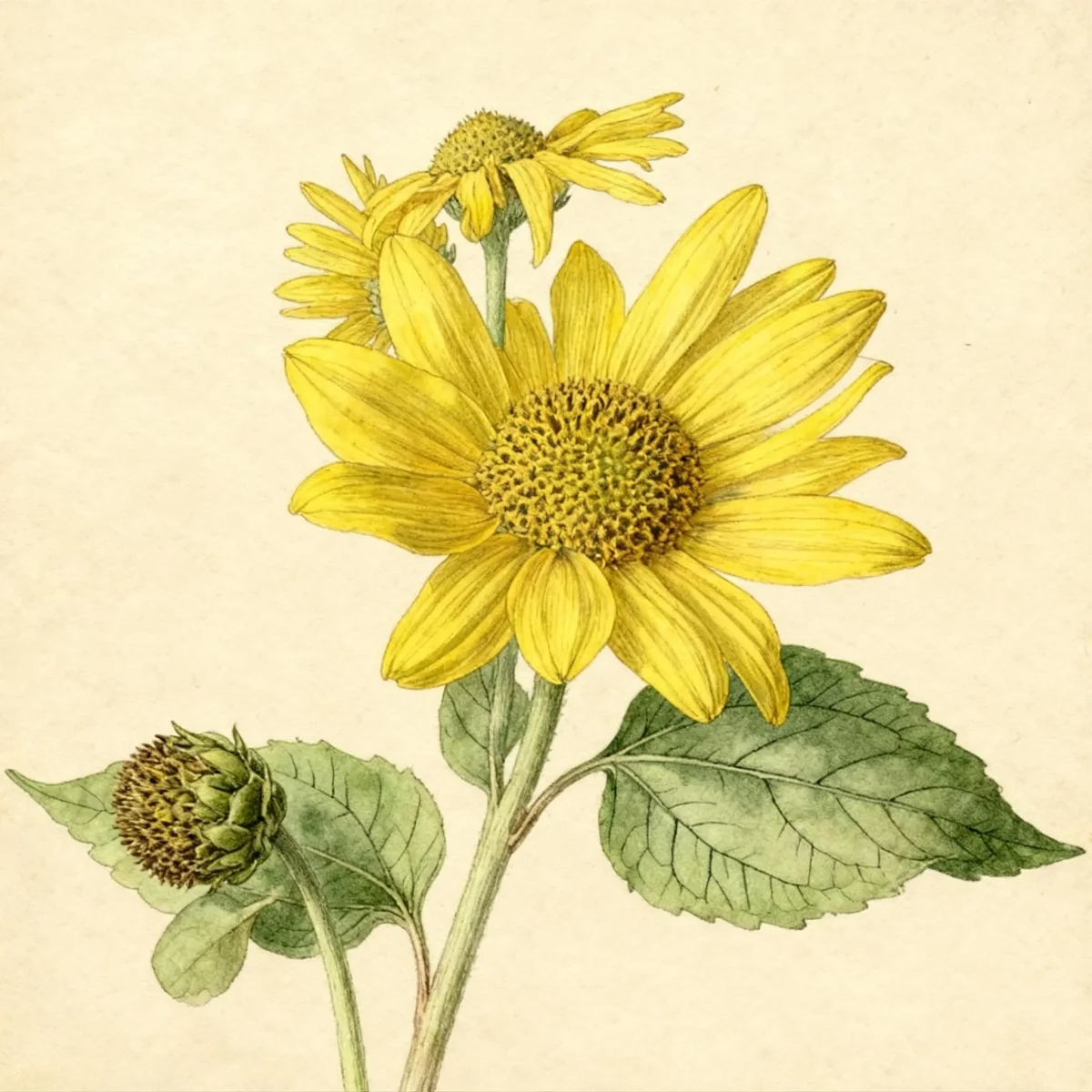
Ashy sunflower (Helianthus mollis)
Helianthus mollis (Ashy sunflower) is a low-maintenance perennial for dry, sunny spots, blooming yellow from July to September.
Scroll down to discover growing tips, care requirements, companion plants, and more
Complete Plant Information
Overview
The Ashy sunflower, Helianthus mollis, is a resilient and uniquely textured perennial native to prairies and dry woodlands of North America. Its common name stems from the conspicuously pubescent, gray-green foliage that stands out against standard green garden plants, offering year-round textural interest even outside of bloom time. This rhizomatous sunflower forms self-sustaining colonies, making it an excellent, low-effort naturalizing specimen.
Valued for its tough constitution, Helianthus mollis thrives where many formal garden plants struggle, readily accepting drier, poorer soils under full sun. The cheerful yellow blooms appear from mid-summer into early fall, providing reliable color during the late-season garden slump. For gardeners seeking native interest that supports local wildlife, the Ashy sunflower is a superb choice.
Growers should note that while its habit makes it fantastic for meadows, it can spread aggressively, preferring naturalized settings over meticulously edged borders. Site this tough beauty where its low maintenance and native appeal can truly shine.
Fast Facts
- Plant Family: Asteraceae
- Plant Type: Herbaceous perennial
- Native Range: Central and eastern North America
- Hardiness Zones: USDA Zones 4-9
- Size at Maturity:
- Height: 2-4 ft
- Spread: 1-3 ft
- Bloom Time: July to September
- Bloom Description: Yellow
- Sun Exposure: Full sun
- Water Needs: Dry to medium
- Maintenance Level: Low
How to Grow
The best time to establish Helianthus mollis is by planting dormant rhizomes or container plants after the last spring frost date has passed. For optimal health, situate the Ashy sunflower in a location receiving full sun, as this encourages the best flowering and keeps the foliage healthy. It is easily grown in average, dry to medium moisture, well-drained soils. Significantly, this plant tolerates a wide variety of soils, including sandy and poor, rocky substrates, proving its adaptability, though clay soils should be strictly avoided.
Once established, the watering requirements for Helianthus mollis are minimal due to its drought tolerance. Ensure the area drains well; consistently wet feet will lead to problems. Fertilization is generally unnecessary; amending poor soil provides sufficient nutrition for this rugged perennial. Consider siting plants in areas sheltered from strong winds to minimize the slight chance of needing staking, though its sturdy structure often negates this need.
Maintenance for the Ashy sunflower is low, focusing mainly on seasonal clean-up. While the plant foliage tends to degrade visually as summer progresses, prompt removal of browned seed heads and stalks after blooming improves the immediate landscape appearance. However, gardeners are encouraged to leave seed heads standing, as they provide critical late-season food for goldfinches and other local bird populations. Plants will actively spread by rhizomes and self-seeding, so plan for colony formation rather than formal edging.
Landscape Uses
The primary cultural instruction for Helianthus mollis is to naturalize it; this perennial thrives when allowed to spread and form broad colonies via its rhizomatous roots. It is perfectly suited for large-scale plantings in meadows, open woodlands edges, or large, informal cottage gardens where its slightly hairy texture and mid-summer color will be appreciated. It performs exceptionally well as a backdrop in mixed borders, provided the maintenance level matches its self-sufficient nature.
For those designing wildlife-focused gardens, the Ashy sunflower is indispensable. It integrates beautifully into native plant groupings, pairing well with other drought-tolerant prairie species like various Echinacea or Rudbeckia. Its preference for full sun and poor, dry soil means companion plants must share similar, unamended conditions.
Avoid planting Helianthus mollis immediately adjacent to delicate, high-maintenance border plants that require richer soil or consistent moisture. Instead, utilize it along sunny slopes, roadsides, or in areas designated as wildflower reserves where its tendency to spread into thickets becomes an asset rather than a management challenge.
Standout Features
Flower Qualities
- Showy
Noteworthy Characteristics
The Ashy sunflower, Helianthus mollis, is notable for its rhizomatous growth habit, forming loose colonies that spread throughout the garden, and its distinctly pubescent, grayish foliage which gives it a soft, ash-like appearance. Producing bright yellow flowers up to 4 inches in diameter from July through September, this plant offers attractive mid-season color native from Ohio west to Wisconsin and south to Georgia. The specific epithet mollis refers to the softness of these distinctive plant hairs.
Tolerances
- Drought
- Dry Soil
- Shallow-Rocky Soil
Potential Problems
While generally a robust plant, Helianthus mollis can occasionally face issues typical of sunflowers grown in suboptimal moisture conditions or crowded environments. Rust, leaf fungal spots, and powdery mildew are somewhat common, particularly if air circulation is poor or if the plant experiences inconsistent watering late in the season. Caterpillars and beetles may also chew on the coarse foliage, though this rarely compromises the plant’s overall vigor.
Prevention revolves around ensuring excellent drainage and adequate sunlight exposure, which helps manage fungal concerns. If staking becomes necessary due to growth in particularly exposed locations, use sturdy supports placed early in the season. Do not be overly aggressive with fall cleanup, as leaving the seed heads provides valuable winter sustenance for goldfinches.
Frequently Asked Questions
What hardiness zones is Ashy sunflower suitable for?
The Helianthus mollis is suitable for USDA Zones 4 through 9.
How large does Ashy sunflower grow?
When mature, this herbaceous perennial typically reaches a height between 2 to 4 feet and spreads 1 to 3 feet wide.
What sun exposure does Helianthus mollis need?
This species thrives best when grown in full sun, though it can tolerate some degree of light shade.
When does Ashy sunflower bloom?
The Ashy sunflower produces its yellow blooms throughout the mid-season, generally from July to September.
Conclusion
The Helianthus mollis, or Ashy sunflower, is a prime candidate for any garden requiring tough, drought-tolerant native structure and reliable late-season yellow blooms. Its low maintenance profile and ability to thrive in poor, well-drained soils make it a practical choice for naturalizing large sunny areas. Before planting, confirm that your site falls within USDA Zones 4-9 and plan for its spreading habit to ensure a beautiful, low-effort display.
Companion Planting
When designing a naturalized planting scheme around Helianthus mollis, stability in moisture and light is key. Since the Ashy sunflower prefers dry to medium, well-drained soils in full sun, companion plants should share this rugged cultural profile. Excellent companions include other prairie staples such as Purple Coneflower (Echinacea purpurea), various species of Baptisia, or other tough native grasses that offer contrasting textures.
Avoid pairing Helianthus mollis with moisture-loving woodland edge plants, as the sunflower will quickly outcompete them or suffer if the soil is kept too rich or damp. The gray-green foliage of the Ashy sunflower provides a wonderful, soft contrast to the deep greens and blues of neighboring drought-tolerant natives, enhancing the overall visual texture of the sunny border.
Wildlife Benefits
The Helianthus mollis is a powerhouse for supporting local ecology, particularly birds, thanks to its seed heads. After blooming concludes in September, the relatively small, dark centers of the flowers mature into seeds highly favored by American Goldfinches throughout the fall and winter months. Gardeners should actively resist cleaning up old stalks too early to maximize this feeding opportunity.
Beyond seeds, the abundant yellow flowers act as a reliable nectar source during the late summer when some earlier-blooming sources begin to fade. While specific pollinator data is broad, all native sunflowers attract a variety of bees and butterflies seeking late-season sustenance. Planting the Ashy sunflower supports biodiversity by offering food when resources might be scarce.