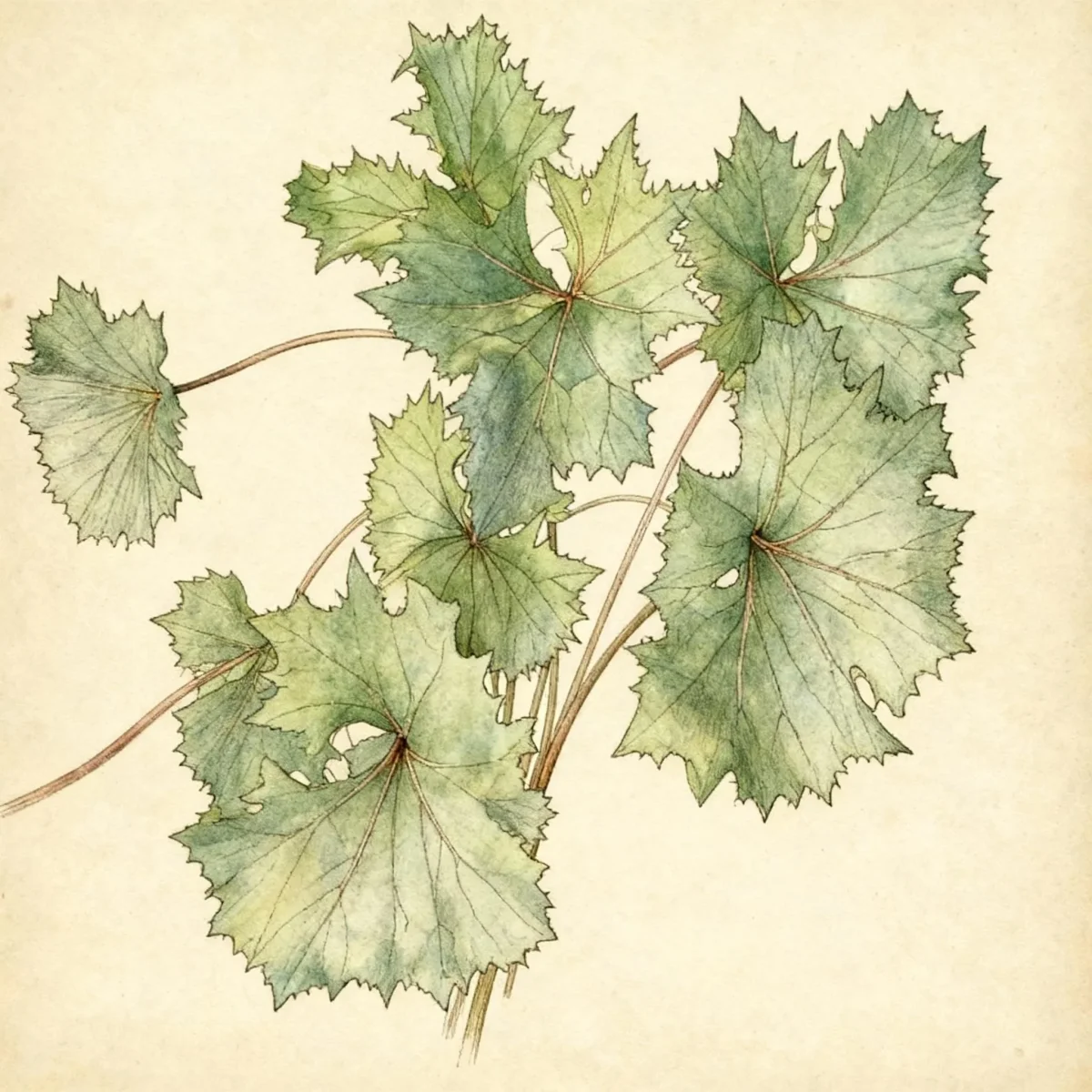
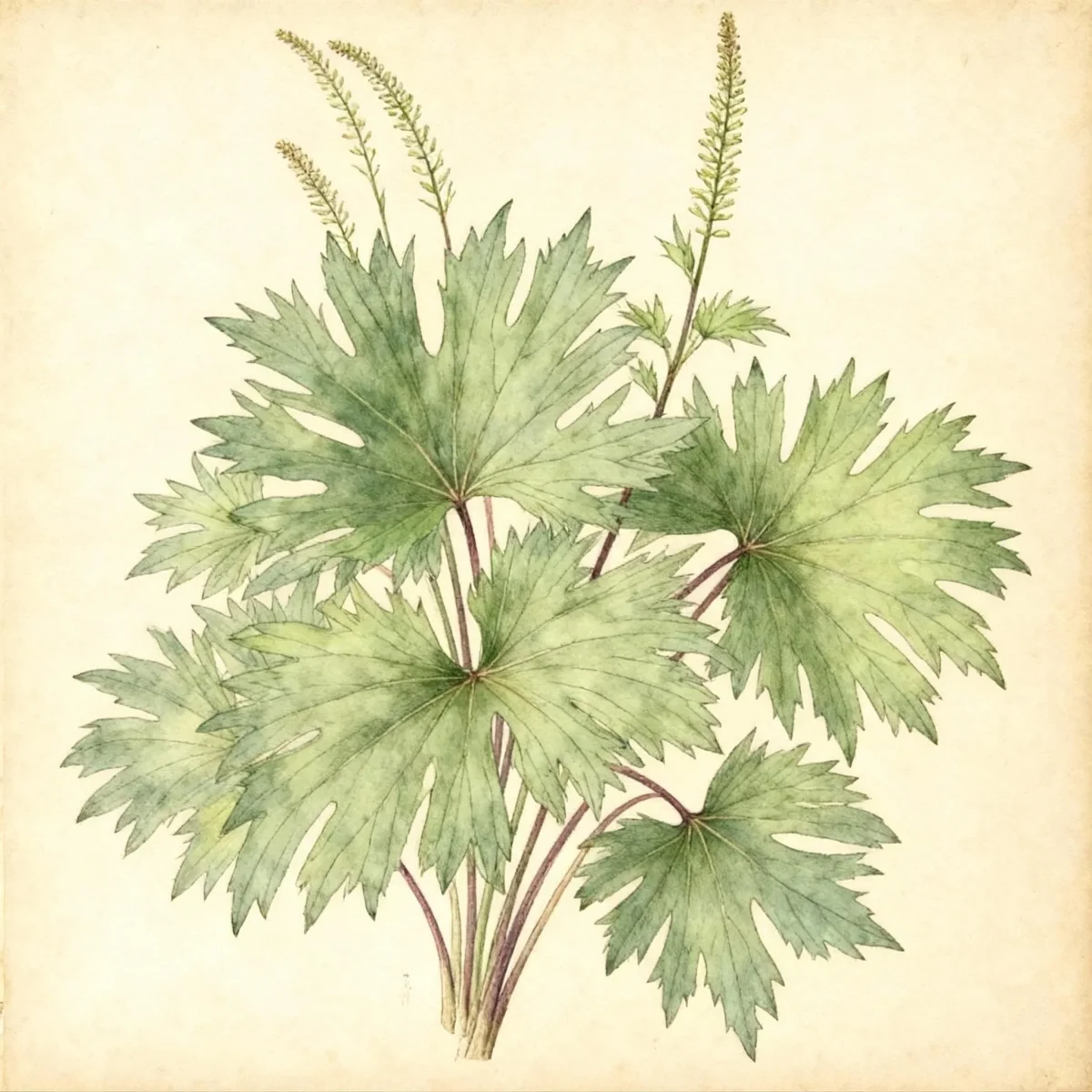
Leopard plant (Ligularia dentata)
Ligularia dentata (Leopard plant) is a striking herbaceous perennial for shade, noted for huge dark leaves and summer yellow flowers.
Scroll down to discover growing tips, care requirements, companion plants, and more
Complete Plant Information
Overview
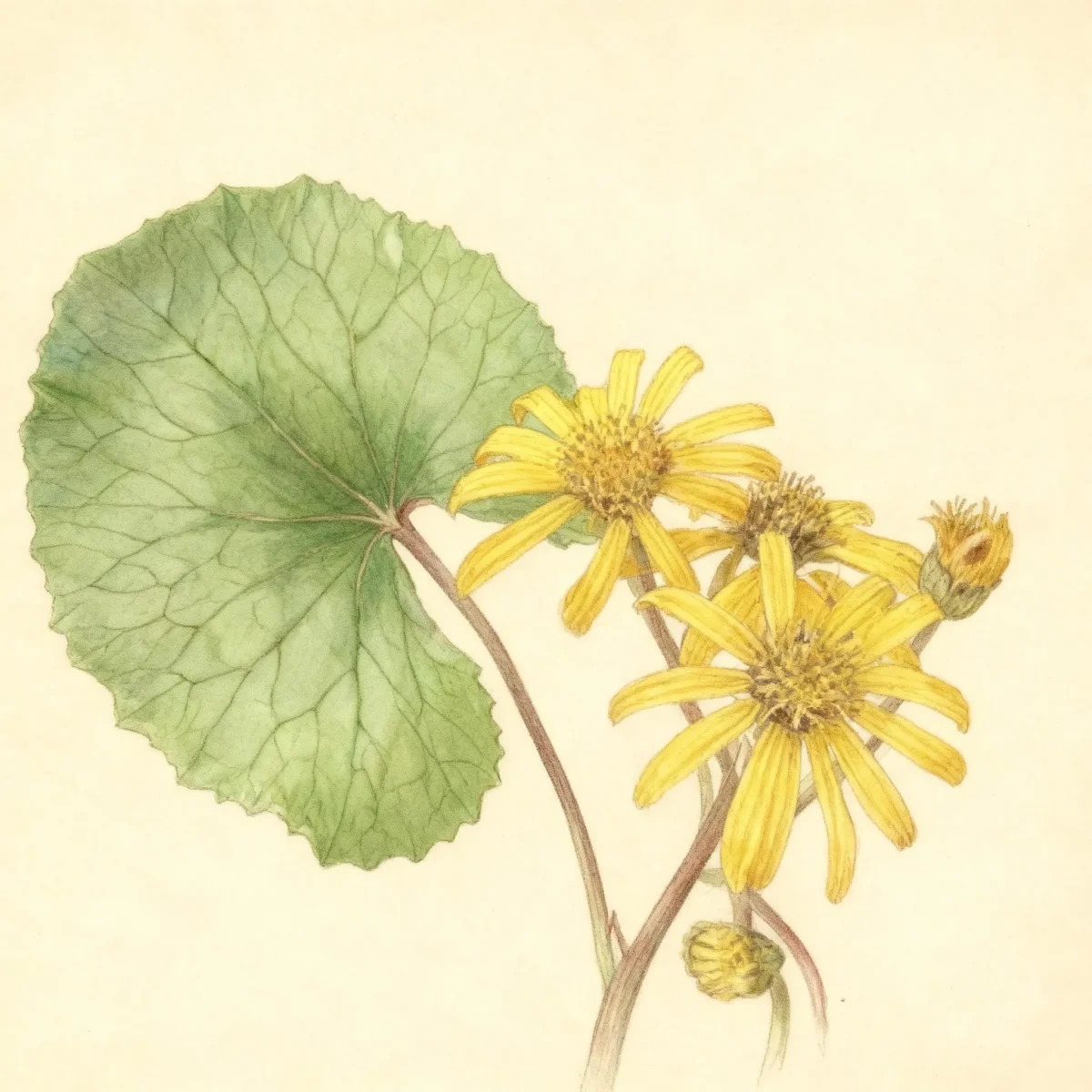
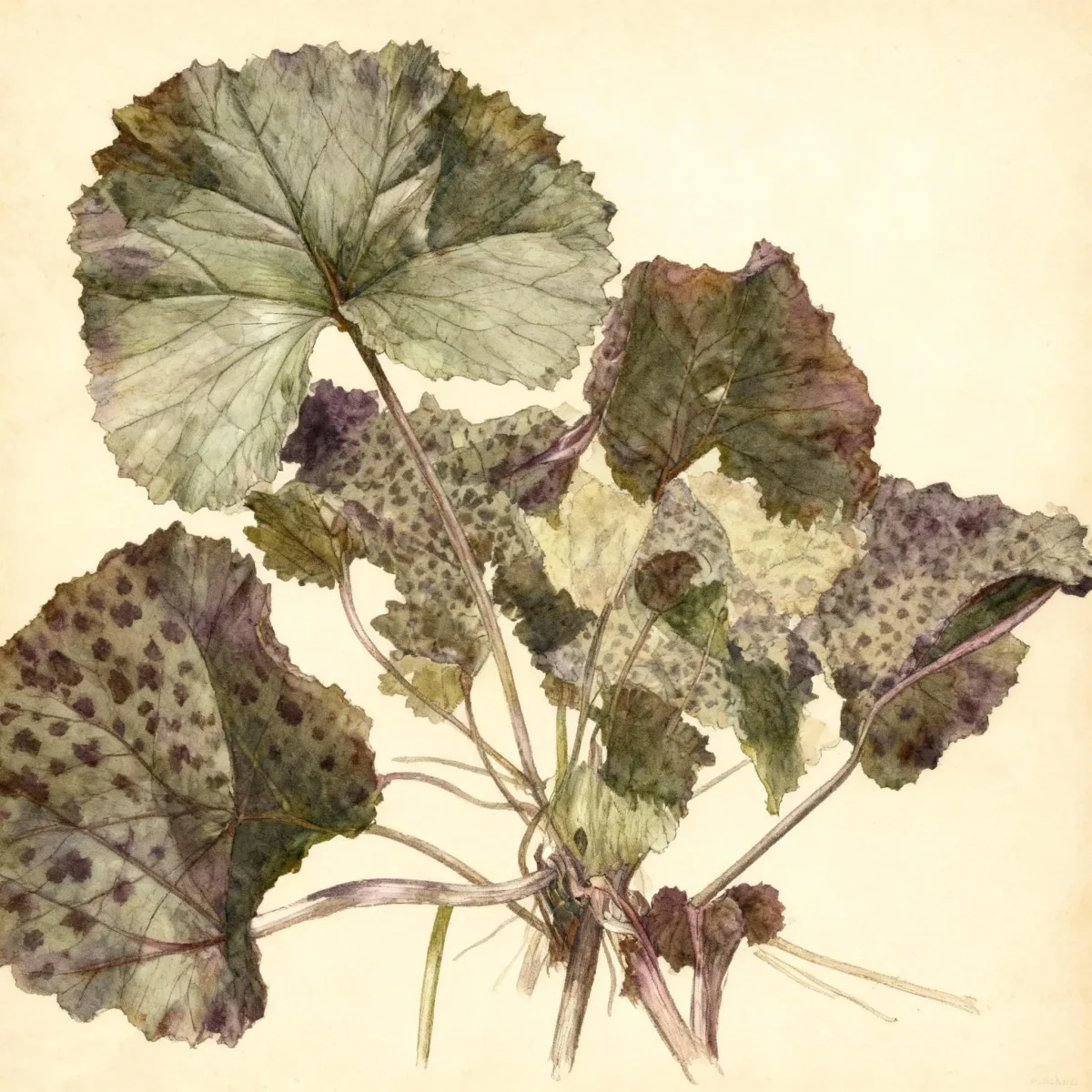
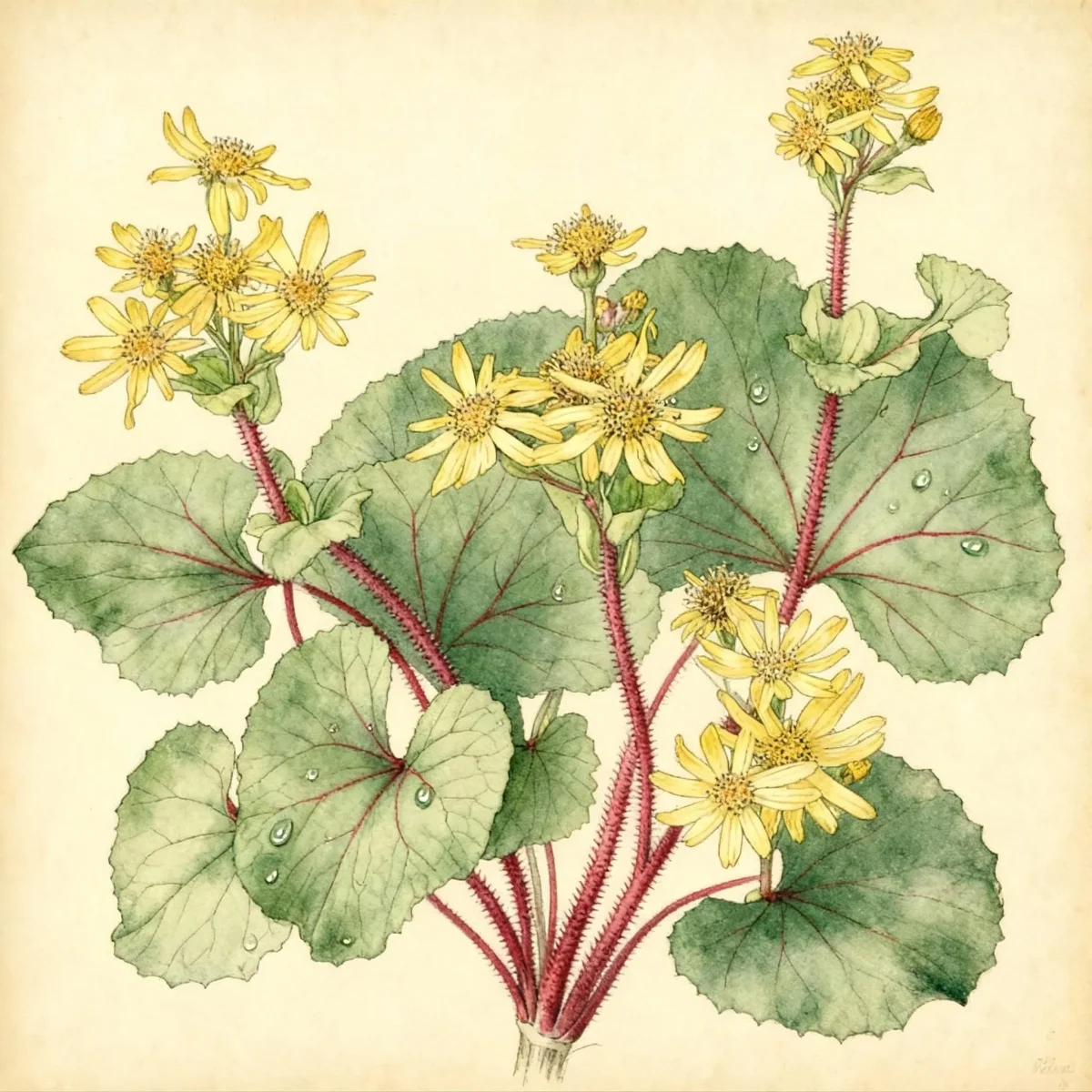
The Leopard plant, scientifically known as Ligularia dentata, is an imposing, clump-forming perennial prized equally for its massive foliage and its vibrant summer blooms. Native to China and Japan, this plant anchors shady garden spaces with its structure and reliable color, making it a strong focal point. Its ornamental value is significantly boosted by its huge, leathery, dark green leaves which often reach 12 inches across, forming dense basal clumps. Ligularia dentata brings a dramatic, bold texture to moisture-rich environments where other plants might struggle.
This imposing perennial thrives where consistent moisture is guaranteed, demanding medium to wet soil conditions to perform best throughout its summer blooming period. While generally manageable, the maintenance level is classified as medium because gardeners must actively manage its hydration, especially during periods of summer heat. Gardeners looking to use Ligularia dentata successfully should ensure they mitigate afternoon sun exposure, as foliage readily wilts under intense heat, even if soil moisture is adequate.
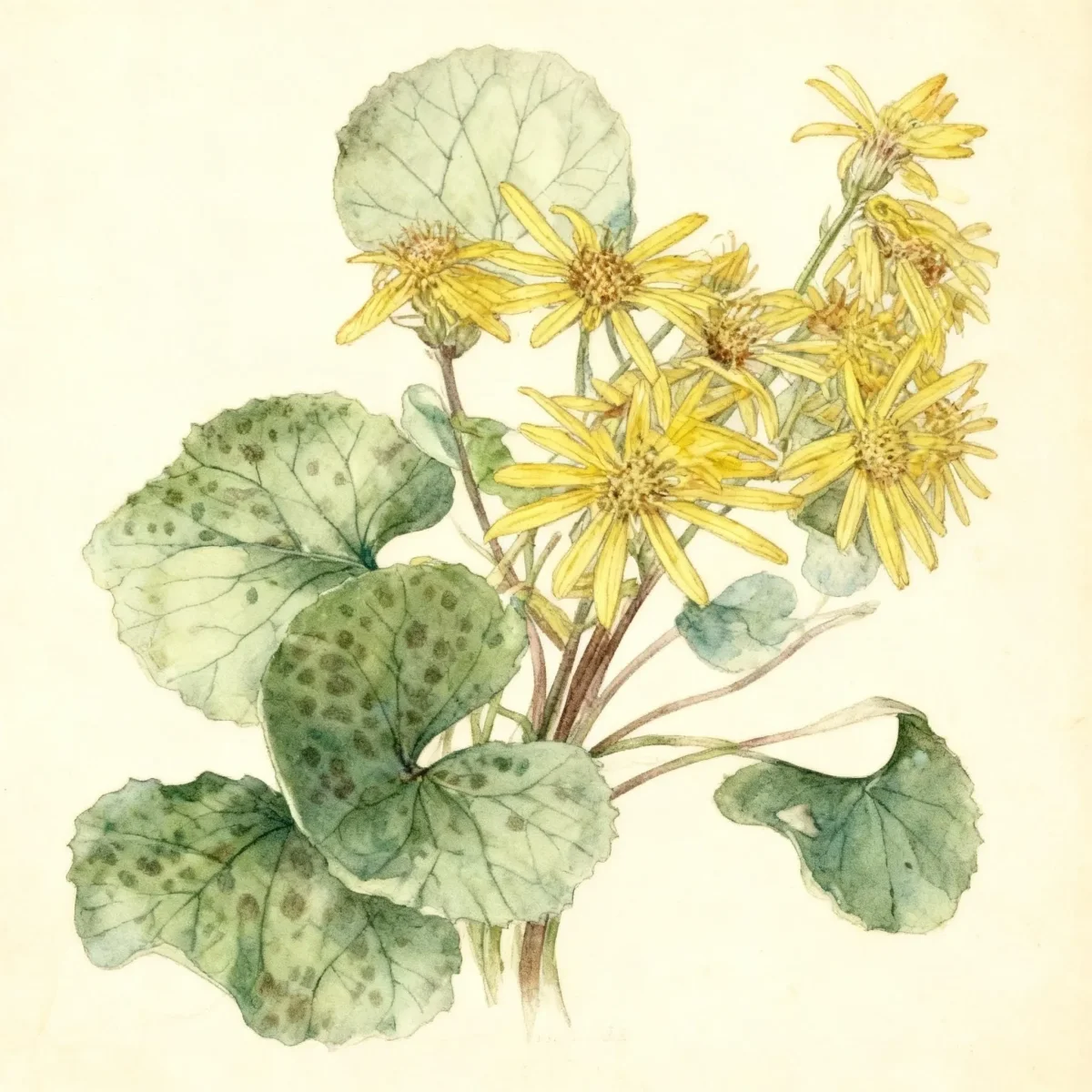
The classic yellow, daisy-like flowers appear in early summer, rising elegantly above the substantial leaves, providing necessary color in deep shade. For those aiming for a lush, woodland aesthetic, the Leopard plant is an excellent choice for rain gardens or along the edges of water features, confirming its place as a premier shade-loving architectural plant.
Fast Facts
- Plant Family: Asteraceae
- Plant Type: Herbaceous perennial
- Native Range: China, Japan
- Hardiness Zones: USDA Zones 3-8
- Size at Maturity:
- Height: 3-4 ft
- Spread: 2-3 ft
- Bloom Time: June to July
- Bloom Description: Yellow
- Sun Exposure: Part shade to full shade
- Water Needs: Medium to wet
- Maintenance Level: Medium
How to Grow
Planting Ligularia dentata is best done in spring or fall when temperatures are moderate, allowing the roots to establish before the stress of summer heat. The absolute key to success with the Leopard plant is soil quality combined with moisture. It requires humusy, organically rich, medium to wet soils. Placing it where it receives part shade to full shade is crucial, although locations with afternoon shade are preferred in climates that experience hot, humid summers.
Consistent watering is non-negotiable for this moisture-loving perennial. The soil must never dry out; benefiting from regular, deep watering, especially during hot spells. While fertilization is rarely necessary if the soil is rich in organic matter, a modest spring application can support its heavy growth. Pruning is minimal, usually involving cutting back old stalks after blooming or tidying up any damaged foliage in early spring.
Perform well in cool summer climates. If you live in a hotter region, monitor the plant carefully; foliage wilting is an early warning sign that conditions—either sun exposure or dryness—are becoming too stressful. Ensure a deep soaking if wilting occurs, often seeing recovery overnight, though better cultural placement prevents this stress entirely.
Landscape Uses
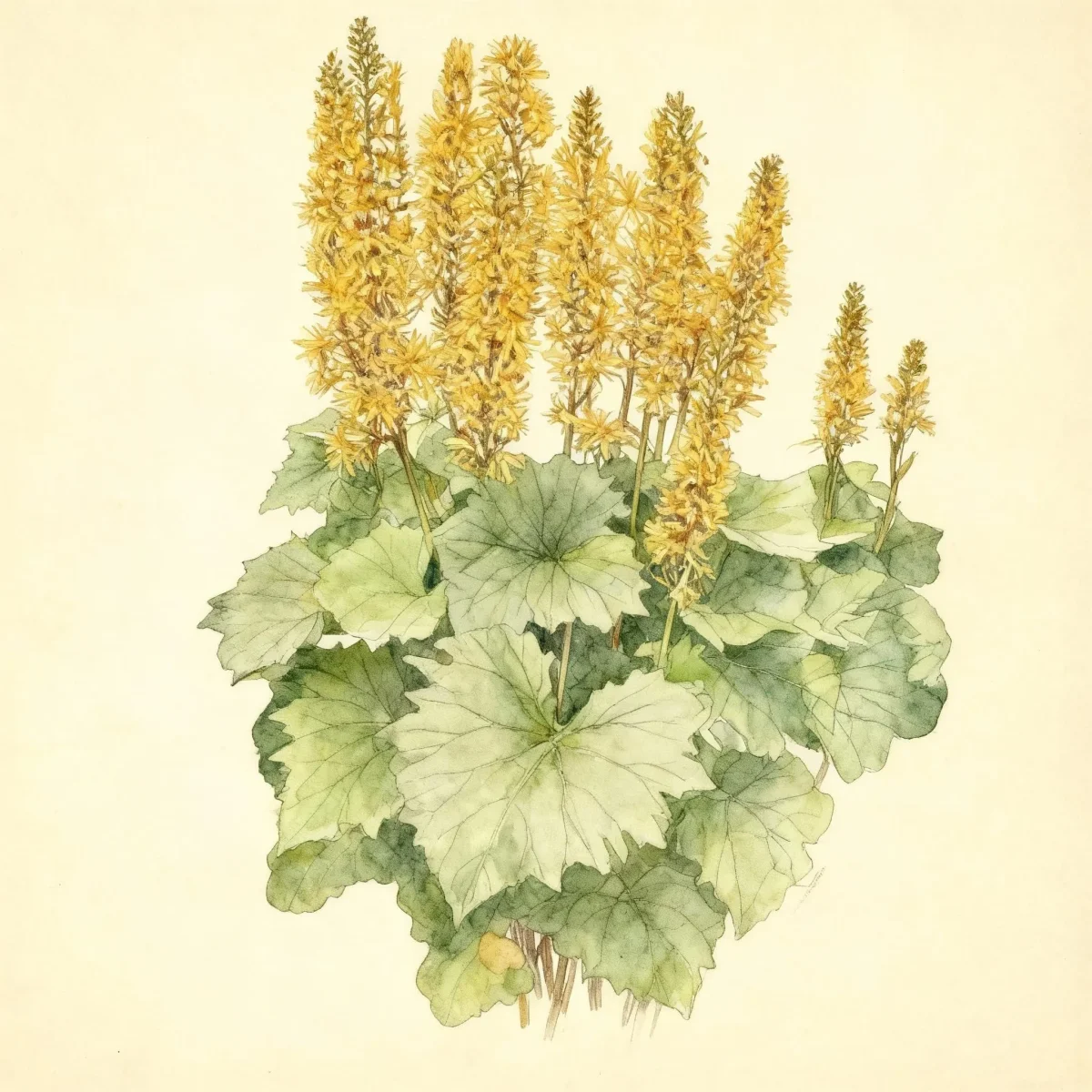
The primary role of Ligularia dentata in the landscape is defining areas that remain consistently moist, making it an outstanding choice for rain gardens where runoff collects or along the borders of ponds and streams. This plant creates an immediate, tropical-like effect due to its massive leaf size, perfect for massing or grouping to create substantial blocks of dark green texture in shady spots. It performs exceptionally well situated on the north side of a building where shade is deep and reliable.
If incorporating this architectural perennial into a mixed border, ensure companion plants share its cultural needs for moisture and shade. Excellent partners include Interrupted Fern (Osmunda claytonia) or Japanese Sedge (Carex morrowii), both of which appreciate similar damp, woodland conditions. Successfully integrating the Leopard plant means sacrificing maximum sun exposure for guaranteed textural drama and brilliant summer flowers.
Standout Features
Flower Qualities
- Showy
Noteworthy Characteristics
Ligularia dentata, commonly called leopard plant, is grown in gardens as much for its foliage as for its flowers. Its best ornamental feature may be the foliage which consists of huge, long-stalked, leathery, rounded, cordate-based, dark green leaves (12” or more long) that form a basal clump to 3-4’ tall. Daisy-like, orange-yellow flowers (2-3” across) with brownish-yellow centers bloom in loose corymbs atop thick, mostly leafless stalks that rise above the foliage in early summer.
Tolerances
- Heavy Shade
- Wet Soil
Potential Problems
The Leopard plant is relatively robust concerning serious pests or diseases, but gardeners should watch for slugs and snails, which are highly attracted to the large, juicy foliage and can cause significant cosmetic damage. Even when soil moisture seems adequate, leaf wilting can occur in hot summer climates, causing the foliage to droop in the afternoon before potentially recovering at night. This wilting is often exacerbated by too much direct sun exposure. Maintaining consistently cool, moist, shaded conditions is the best defense against wilting and mollusk damage.
Frequently Asked Questions
What hardiness zones is Leopard plant suitable for?
Ligularia dentata is highly adaptable and suitable for USDA Zones 3 through 8, provided its moisture requirements are met.
How large does Leopard plant grow?
This perennial typically reaches a height of 3 to 4 feet tall, with a spread of 2 to 3 feet wide, forming a substantial basal clump.
What sun exposure does Ligularia dentata need?
The Leopard plant requires part shade to full shade; intense afternoon sun will cause the large foliage to wilt conspicuously.
When does Ligularia dentata bloom?
This plant features its characteristic yellow, daisy-like flowers during the early summer months, typically from June to July.
Conclusion
The Ligularia dentata is an indispensable choice for gardeners aiming to achieve deep, lush texture within shady, moist portions of the landscape. Its imposing dark foliage and cheerful yellow blooms ensure the Leopard plant creates lasting visual impact throughout the growing season. Assess your garden’s moisture levels in shaded areas, and if you can provide cool, continually damp footing, add Ligularia dentata to your planting plans next spring.
Companion Planting
Selecting neighbors that share the cultural love for damp soil amplifies the success of your Ligularia dentata planting. Ferns, in general, are excellent accompaniments; besides the mentioned Interrupted Fern, consider tall, bold ferns like the Ostrich Fern (Matteuccia struthiopteris) to complement the leaf structure. For groundcover beneath the larger leaves, sedges like Japanese Sedge (Carex morrowii) or variegated Solomon’s Seal (Polygonatum odoratum) provide textural contrast while thriving in similar filtered light and moisture.
Seasonal Care Calendar
Spring is the optimal time for preparation; clean up any winter debris and incorporate a hefty dose of organic matter, such as well-rotted compost, into the soil to boost water retention and fertility. Summer care focuses entirely on hydration; utilize deep, slow watering techniques, especially when temperatures climb above 80°F, to prevent afternoon wilting, ensuring the soil remains constantly moist. In fall, allow the foliage to die back naturally; if you choose to cut back the stalks, wait until early spring cleanup to maximize winter protection for the crown of the Ligularia dentata.