Butterbur (Petasites japonicus)
Giant Butterbur (Petasites japonicus) forms massive foliage clumps, ideal for wet, shady landscapes along streams or ponds.
Scroll down to discover growing tips, care requirements, companion plants, and more
Complete Plant Information
Overview
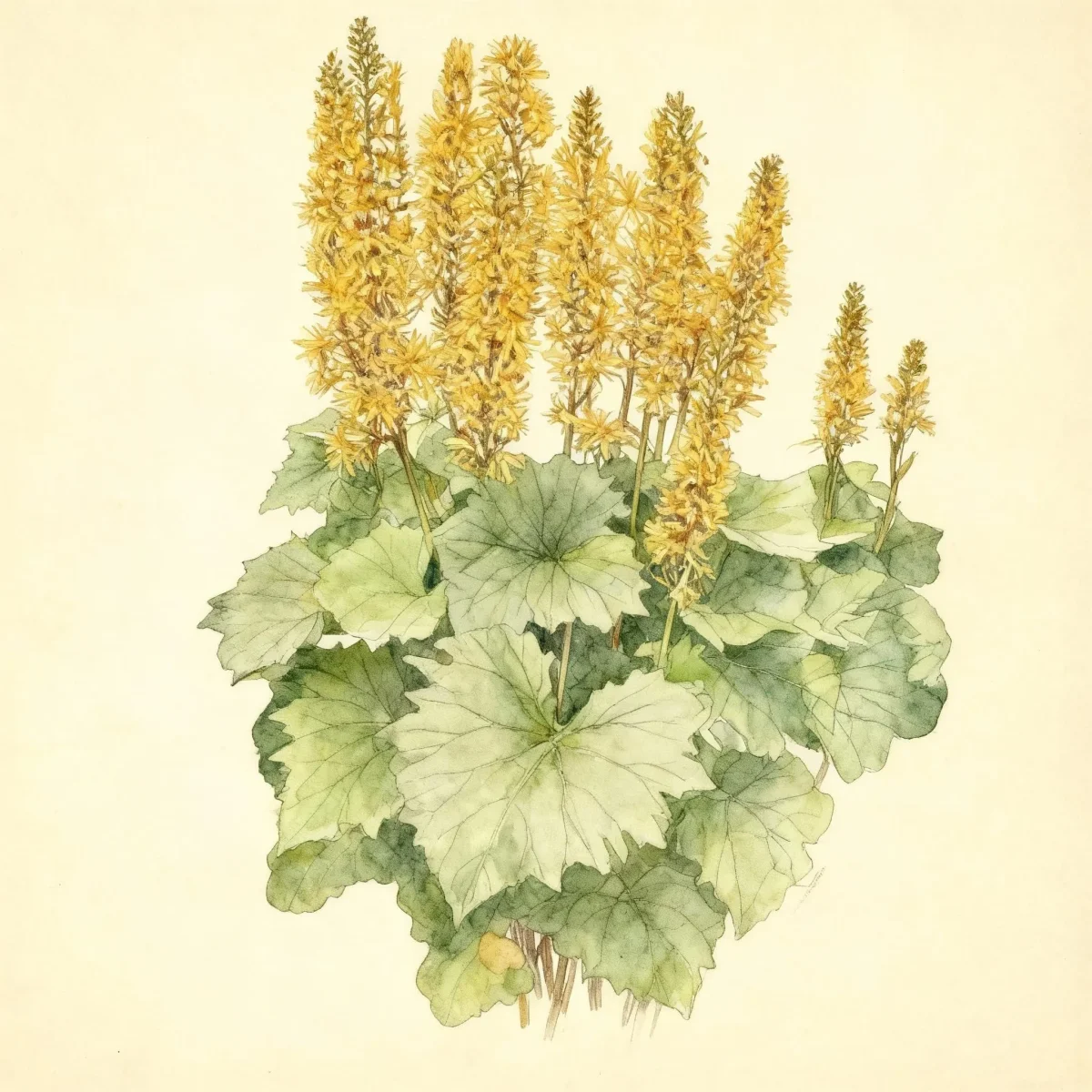
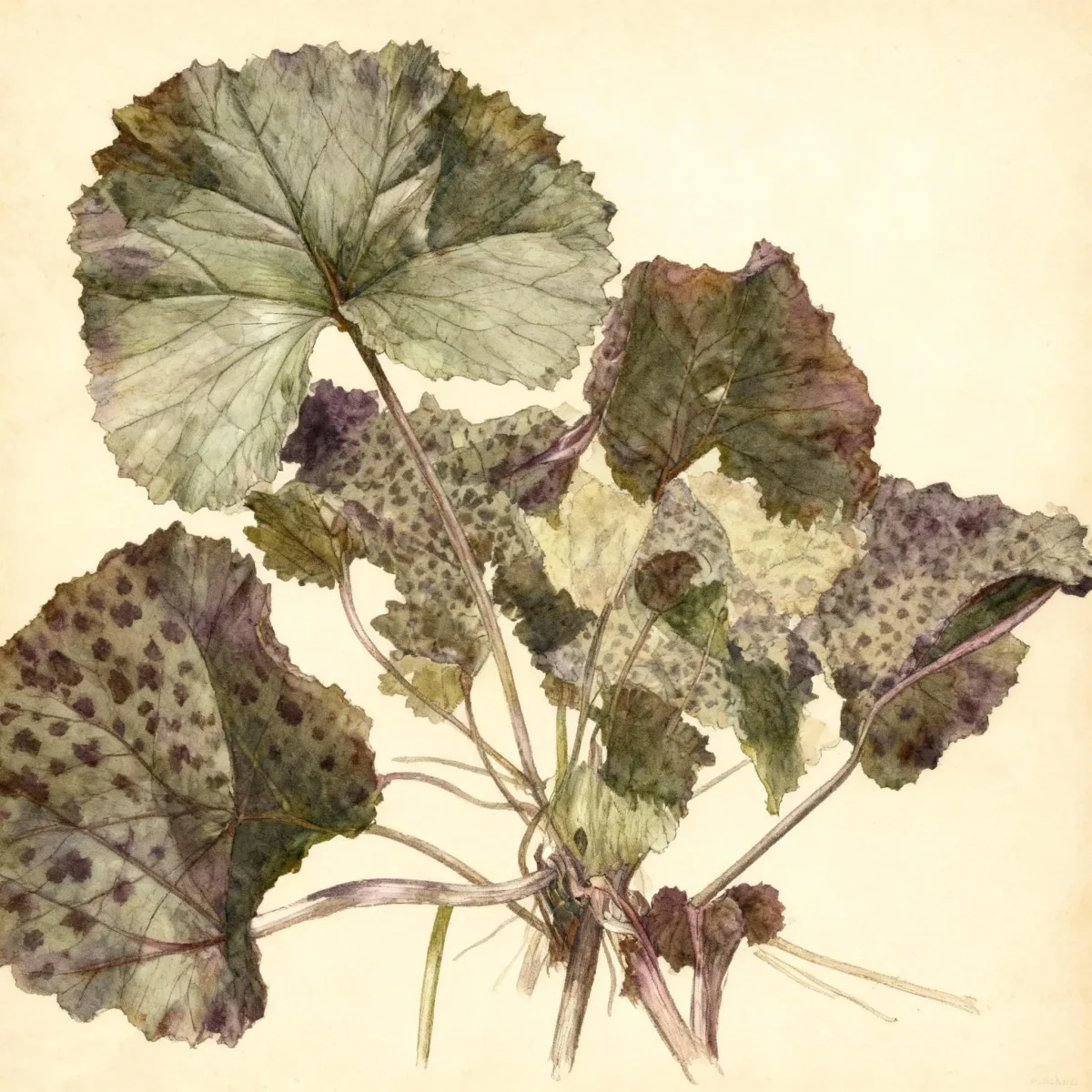
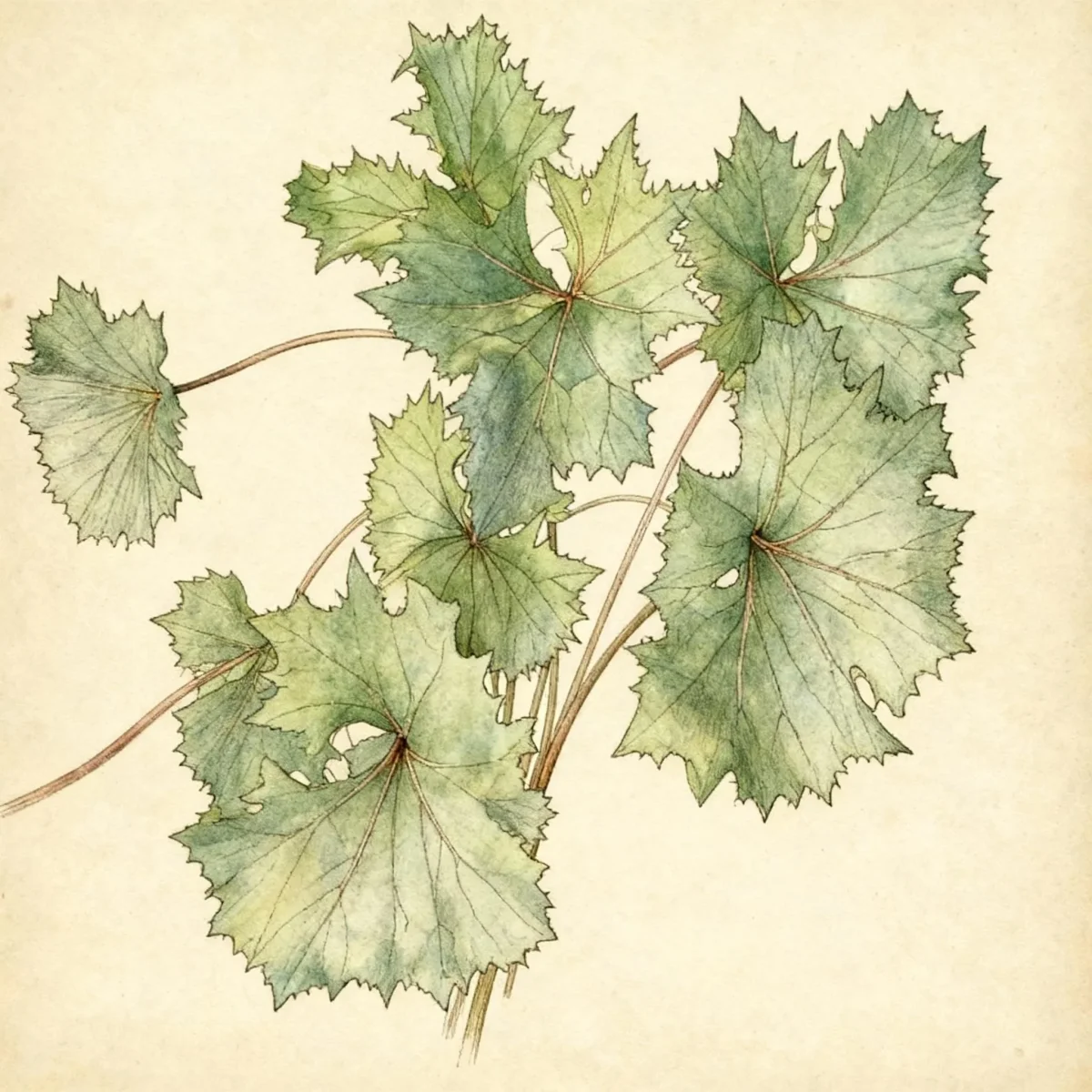
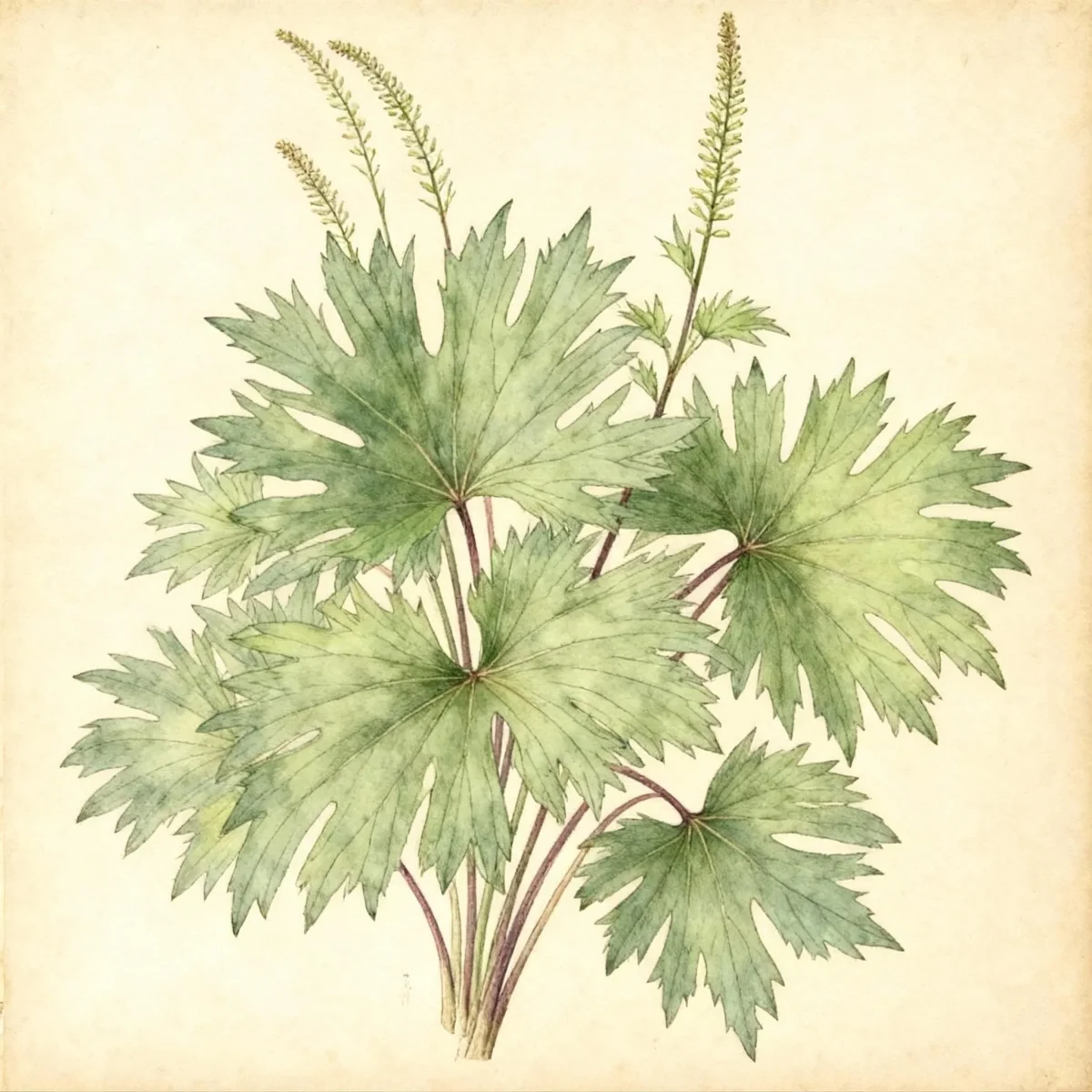
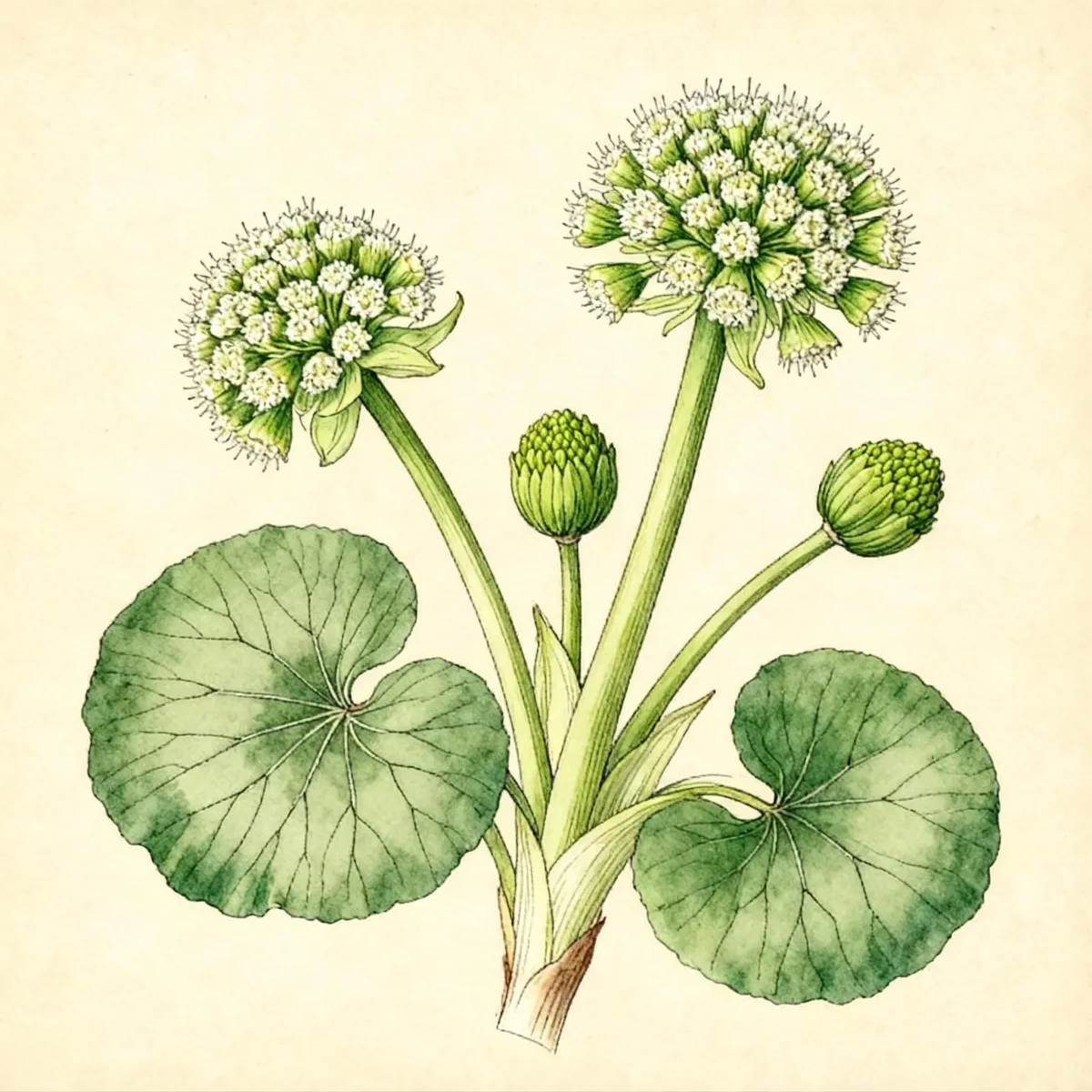
Petasites japonicus, widely recognized as Butterbur or Giant Butterbur, is a dramatic herbaceous perennial prized for its truly massive, deeply lobed basal leaves that can reach three feet across. Native to wet woodland areas in Korea, China, and Japan, this monocarpic species rapidly forms dense, spreading clumps of striking green foliage, offering significant architectural impact in the garden. If you have challenging, perpetually moist to wet soils in deep shade, this plant fills that void reliably and spectacularly.
The visual appeal of Petasites japonicus is undeniable, especially when its early spring, fragrant, yellowish-white flowers emerge on stiff stalks before the imposing leaves fully develop. While its aggressive rhizomatous nature requires management, the sheer scale and lush texture make it a sought-after choice for naturalizing large, shady, damp areas. Gardeners often utilize this plant where other perennials struggle due to excess moisture or lack of light.
For those needing powerful coverage in difficult conditions, Petasites japonicus answers the call. Its substantial leaf pads create a dynamic, jungle-like texture, contrasting beautifully with finer-textured woodland companions. Consider its needs for consistent moisture paramount to success, positioning it perfectly near water features or in rain garden installations.
Fast Facts
- Plant Family: Asteraceae
- Plant Type: Herbaceous perennial
- Native Range: Korea, China, Japan
- Hardiness Zones: USDA Zones 5-9
- Size at Maturity:
- Height: 2-3 ft
- Spread: 2-5 ft
- Bloom Time: April
- Bloom Description: Yellowish-white
- Sun Exposure: Part shade to full shade
- Water Needs: Medium to wet
- Maintenance Level: Medium
How to Grow
Planting Petasites japonicus should occur in early spring or fall when soil moisture is readily available. Choose locations that offer part shade to full shade; direct hot sun will cause the tremendous leaves to wilt significantly during warm afternoons, mirroring the habit of Ligularia species. This plant thrives in consistently moist to wet soils, making the banks of streams, wetland margins, or dedicated bog gardens ideal settings.
Once established, watering needs are generally met by the environment, though supplemental watering is necessary if the soil begins to dry out, even slightly. Fertilization is rarely required in rich, damp soils. The primary gardening focus for Butterbur is containment, as it spreads vigorously by rhizomes, quickly colonizing large areas.
If you wish to limit the spread of this exceptional foliage plant, we strongly recommend planting Petasites japonicus in large containers that are sunk directly into the mud or soil, effectively choking off underground movement. In spring, enjoy the fragrant bloom spikes; after flowering, focus turns entirely to managing the immense, ornamental leaves.
Landscape Uses
The suitability of Petasites japonicus for water features cannot be overstated; it excels as a Water Plant along the banks of ponds or streams, lending a bold, tropical aesthetic to otherwise subdued edges. Its tolerance for wet soil makes it an outstanding component for Rain Garden designs where runoff collects. Furthermore, its capacity to thrive in heavy shade allows for dramatic naturalizing under mature tree canopies or in deeply shadowed borders.
When used in woodland gardens, ensure companions are robust enough to hold their own against the sheer size of the Butterbur foliage, or intentionally contrast textures. Its use as a structural background plant in sheltered, perpetually damp environments highlights its best features. Even in smaller spaces, successful cultivation is possible by growing the rhizomes strictly confined within sunken containers positioned near a water garden.
Standout Features
Flower Qualities
- Showy
- Fragrant
Noteworthy Characteristics
Petasites japonicus, commonly known as butterbur, fuki or sweet coltsfoot, is a rhizomatous perennial that is noted for its huge basal leaves that form dense spreading clumps of foliage to 3’ tall and 5’ wide. It is native to Korea, China and Japan where it is typically found growing on wet streambanks in woodland areas. The genus name refers to the broad-brimmed hat provided by its large leaves, offering excellent textural contrast in damp, shady settings.
Tolerances
- Heavy Shade
- Erosion
- Wet Soil
Potential Problems
Petasites japonicus is generally robust, boasting few serious insect or disease problems under appropriate cultural conditions. The main management concern involves monitoring for slugs, which are attracted to the lush, low-lying foliage, especially during wet periods. The most significant potential issue gardeners face is the aggressive nature of its rhizomes; if not strictly controlled, this plant will spread rapidly, overwhelming neighboring plantings. Use barriers or containers to restrain the spread effectively.
Frequently Asked Questions
What hardiness zones is Butterbur suitable for?
Butterbur, Petasites japonicus, is reliably hardy in USDA Zones 5 through 9.
How large does Butterbur grow?
This perennial typically achieves a height between 2 and 3 feet, with a spread ranging from 2 to 5 feet, forming dense, impressive clumps of foliage.
When does Butterbur bloom?
Petasites japonicus sends up its fragrant, yellowish-white blooms quite early in the season, usually by April, often before the massive leaves have fully expanded.
What sun exposure does Petasites japonicus need?
This plant prefers part shade to full shade; insufficient moisture combined with full sun will cause the large leaves to wilt drastically.
Conclusion
The sheer scale and lush green texture provided by Petasites japonicus make it an unparalleled choice for damp, shaded areas of the landscape where few other plants offer such impact. Ensure you plan for containment, as this Butterbur spreads actively by rhizomes. Before planting, confirm your location falls within USDA Zones 5-9 and verify that you can meet its requirement for consistently moist or wet soil throughout the growing season.
Companion Planting in Shade
When integrating this giant foliage plant, select companions that appreciate similar moist, shady conditions while offering contrasting textures. Hostas, particularly cultivars with blue or variegated leaves, provide excellent textural variation against the smooth, kidney-shaped leaves of Petasites japonicus. Ferns such as Japanese Painted Fern or various Wood Ferns (Dryopteris species) soften the edges of the Butterbur clumps beautifully without competing aggressively for light.
Consider plants that retain interest after the early spring bloom of the Butterbur fades. Astilbes, which love moisture and do well in part shade, offer plumes of color that contrast nicely with the architectural leaves. The key is pairing plants that share the commitment to damp soil, preventing competition or stress for any element of the composition.
Seasonal Care Calendar
Spring (Pre-Bloom/Early Growth): Inspect for slug activity immediately as new shoots emerge; apply appropriate control measures if necessary. Pay attention to spring moisture levels, ensuring the soil remains damp as growth accelerates rapidly. This is the time to enjoy the fragrant, albeit subtle, yellowish-white flowers.
Summer (Peak Foliage): Monitor leaf health, particularly during heat waves; wilt in full sun signals a need for more shade or water. If containment is needed, this is the best time to divide and remove rhizomes to keep Petasites japonicus in check.
Fall/Winter: Foliage typically dies back as temperatures drop. Cut back spent stalks if necessary, though maintenance is low. Protect plants in the colder end of their hardiness range (Zone 5) with heavy mulch if planted in a marginally protected spot.