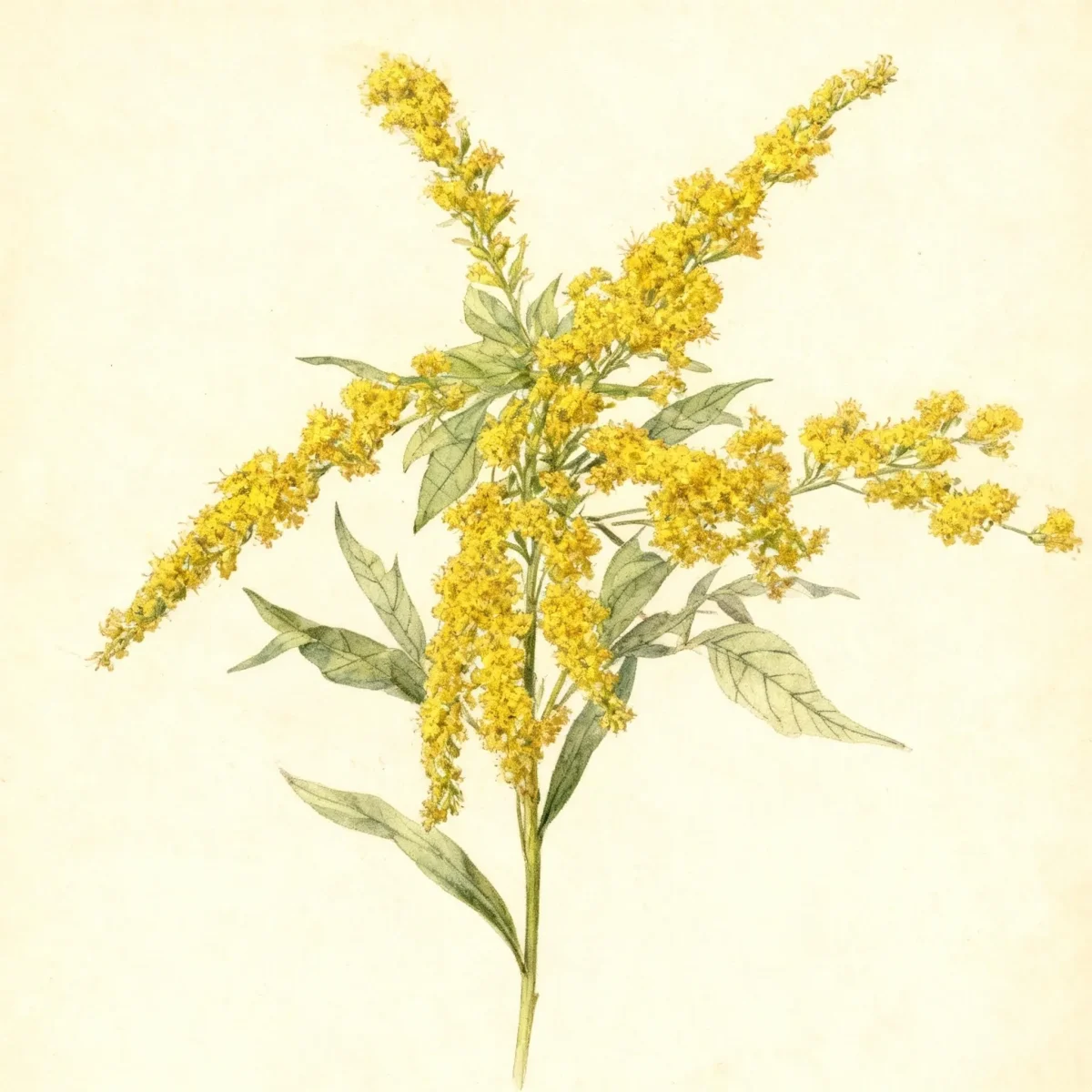
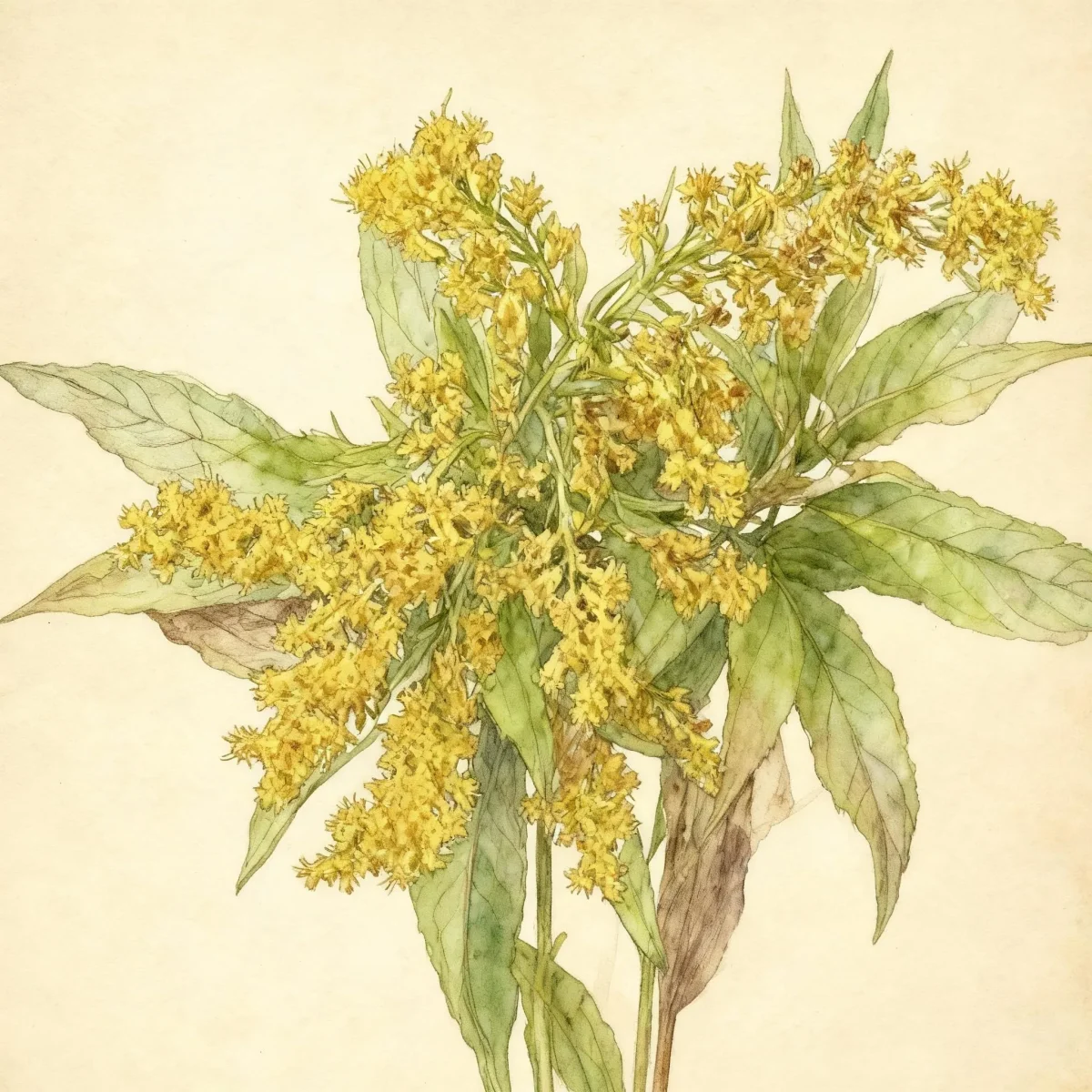
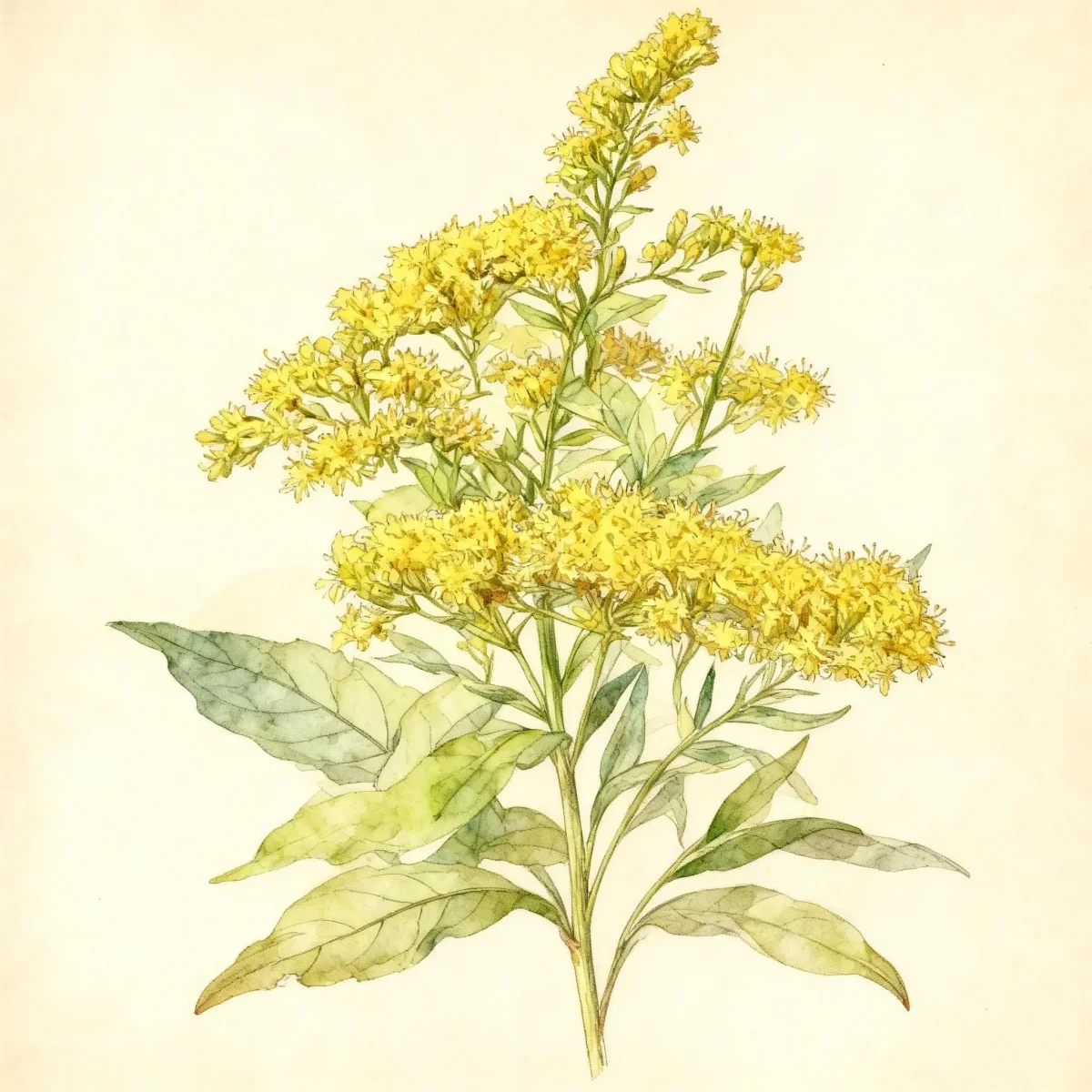
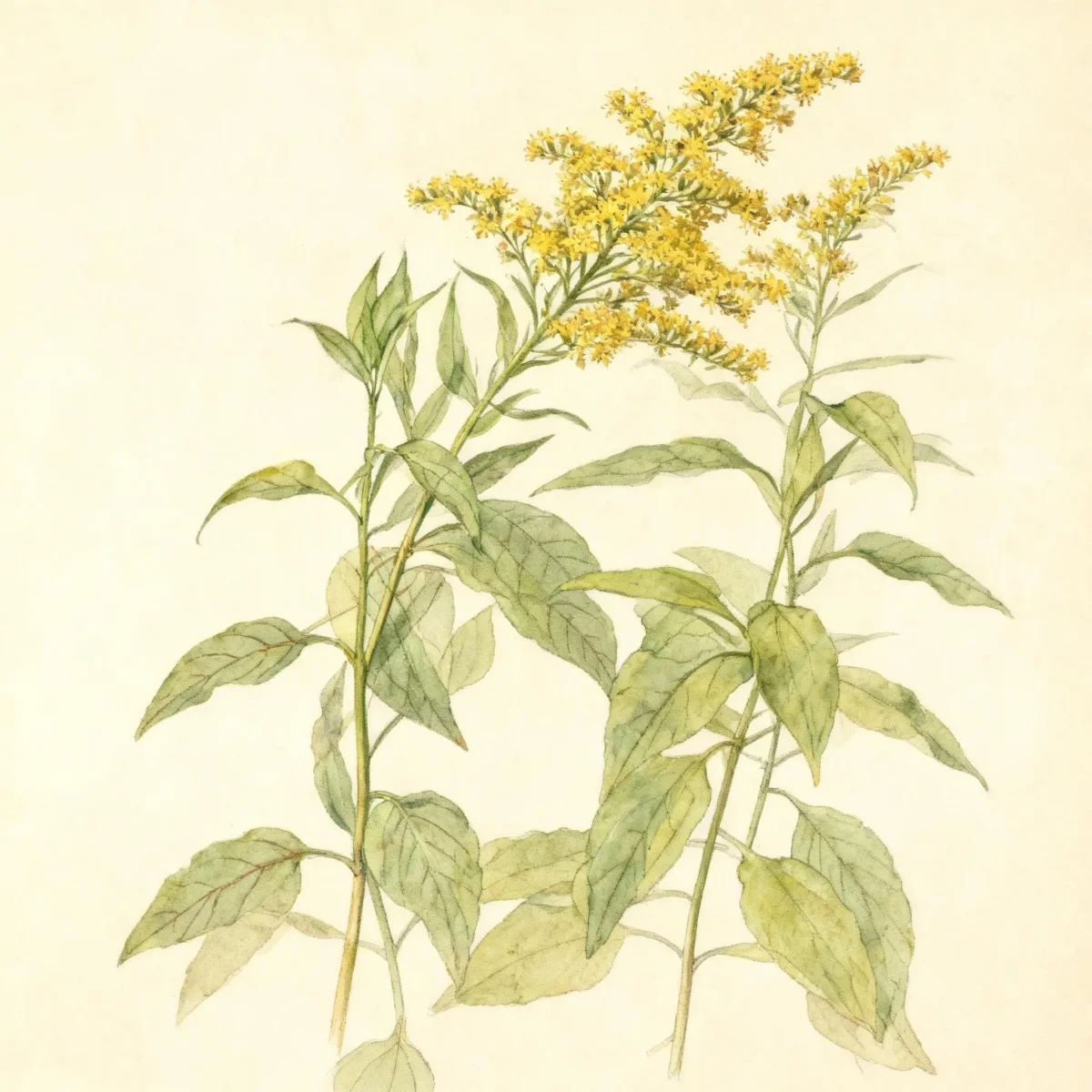
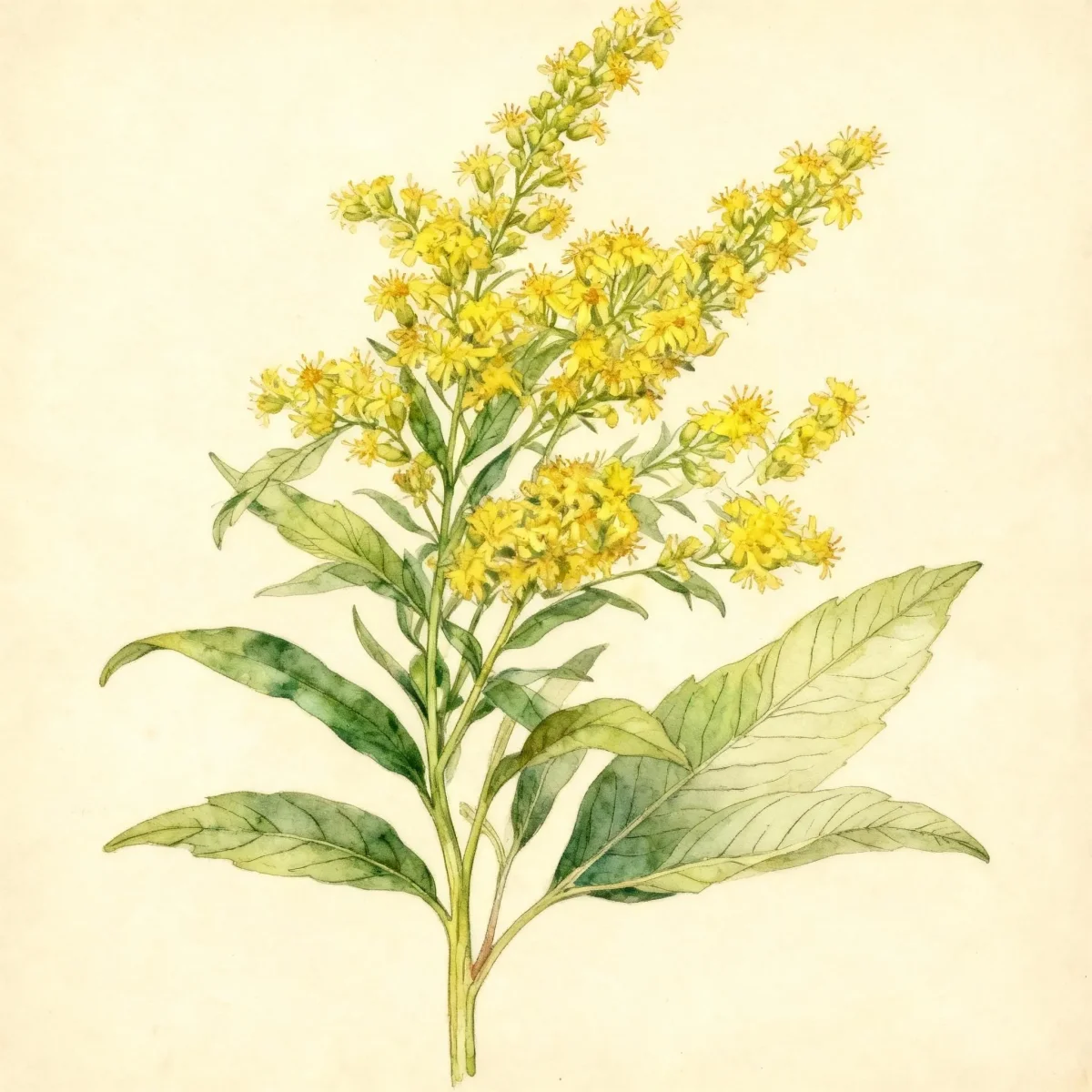
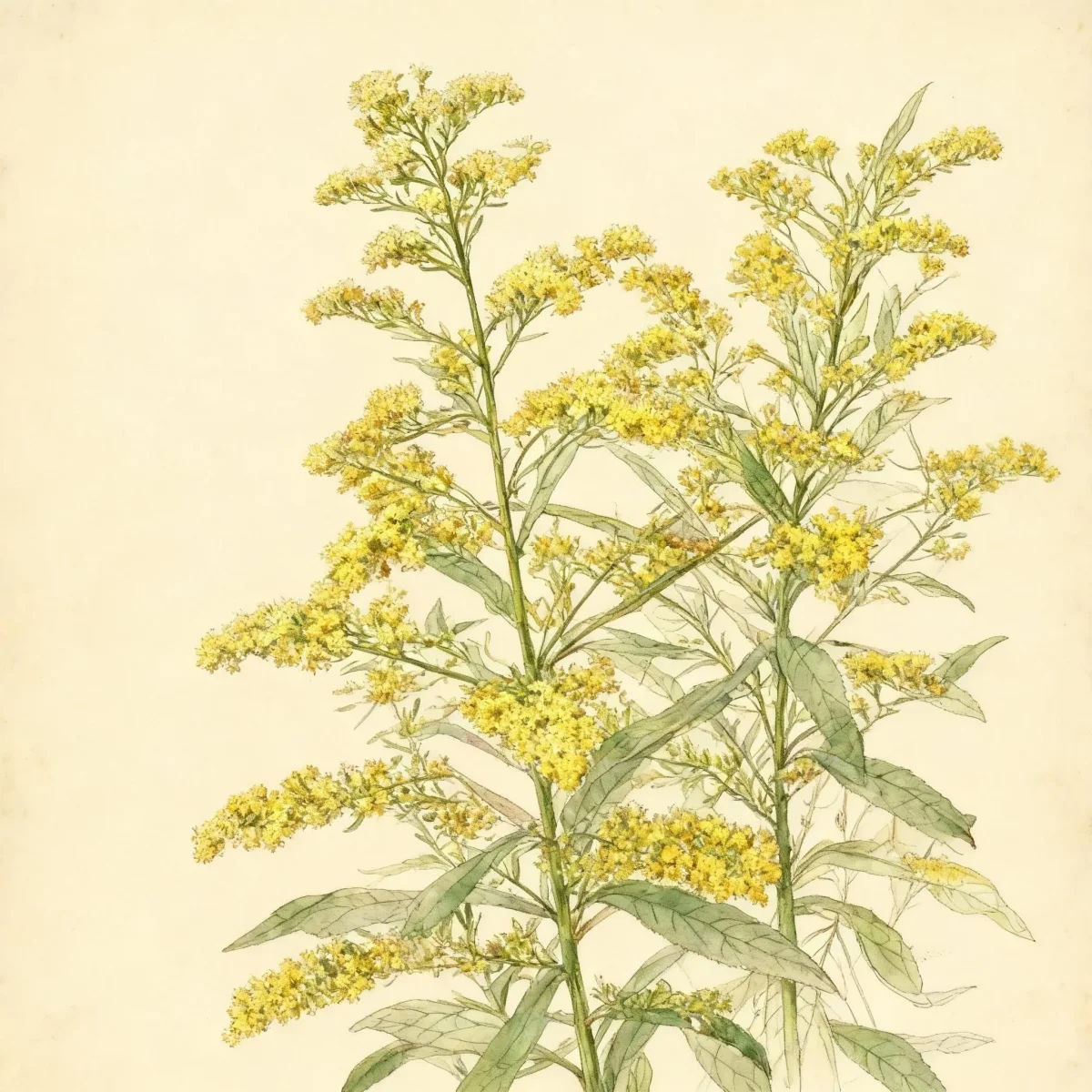
Goldenrod (Solidago hispida)
Hairy Goldenrod (Solidago hispida) is a low-maintenance, clump-forming perennial offering bright yellow blooms mid-summer to fall.
Scroll down to discover growing tips, care requirements, companion plants, and more
Complete Plant Information
Overview
Solidago hispida, commonly known as Hairy Goldenrod, is a valuable addition to native plant landscapes due to its manageable size and attractive late-season color. Unlike some aggressive relatives, this species is primarily clump-forming, which simplifies garden maintenance for perennial beds and borders. Its robust nature allows it to thrive in challenging conditions, making it a reliable workhorse in the summer and fall garden.
This Missouri native perennial provides a dense burst of tiny, bright yellow flowers situated on erect, wand-like stems. The plant is distinguished visually by its conspicuously hairy stems and leaves, setting it apart from other Solidago species. Beyond its aesthetic appeal, Goldenrod is crucial for supporting late-season pollinators, offering vital nectar when many other sources have faded.
The cultural requirements for Solidago hispida are straightforward: it prefers full sun and well-drained soil, handling even dry conditions once established. Gardeners benefit from its low maintenance needs and impressive drought tolerance once established, ensuring vibrant late-season interest without demanding constant care.
Fast Facts
- Plant Family: Asteraceae
- Plant Type: Herbaceous perennial
- Native Range: Central and eastern North America
- Hardiness Zones: USDA Zones 3-8
- Size at Maturity:
- Height: 1-3 ft
- Spread: 0.5-1 ft
- Bloom Time: July to September
- Bloom Description: Yellow
- Sun Exposure: Full sun
- Water Needs: Dry to medium
- Maintenance Level: Low
How to Grow
Planting Goldenrod is best achieved in spring or early fall in average, well-drained soils. Although Solidago hispida prefers full sun for the best performance, it can tolerate light shade, especially in the hottest climates. Steyermark notes that while this species often prefers calcareous soils, it adapts well to acidic soils in regions like Missouri, attesting to its flexibility.
Care for established clumps is minimal. Water only during prolonged dry spells, as this Goldenrod tolerates dry to medium moisture levels readily. Fertilization is rarely necessary; adding excessive nutrients often encourages weak, floppy growth. This species is primarily clump-forming, meaning it does not aggressively spread like some other goldenrod species and hybrids, simplifying ground control.
Maintenance for Solidago hispida is very low. Deadheading is optional, though allowing the seed heads to remain provides winter structure and food for birds. Cut stems back to the ground in early spring before new growth begins.
Landscape Uses
Solidago hispida is an excellent choice for incorporating native structure and late-season color into perennial borders. Its upright, clumping habit makes it superb for middle-of-the-border placement, adding vertical interest without dominating surrounding plants. It functions beautifully in native plant gardens, providing clear, reliable yellow blooms.
This Goldenrod also proves valuable in challenging locations such as rock gardens or on slopes, thanks to its dry soil and drought tolerance. Consider pairing it with fall-blooming asters (Symphyotrichum spp.) or robust, late-season grasses to create a dynamic, multi-textured display that peaks as summer wanes. Planting throughout areas designated for wildlife support will maximize its ecological benefit.
Standout Features
Flower Qualities
- Showy
Noteworthy Characteristics
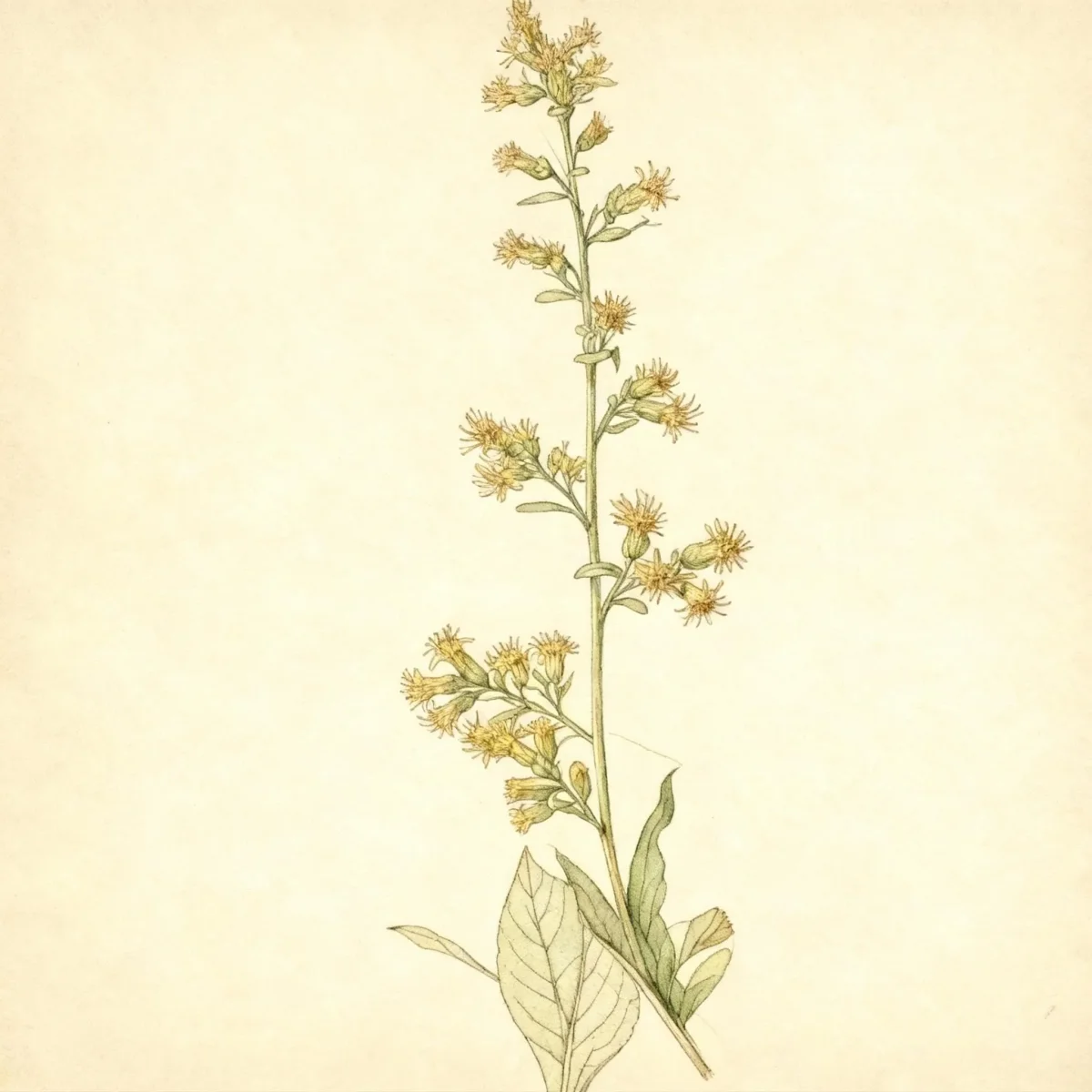
Solidago hispida, commonly called hairy goldenrod, is a Missouri native perennial which is found in dry, rocky open woods in the Ozark region of the State. As the common name suggests, this plant is distinguished by its conspicuously hairy stems and leaves. Erect panicles of tiny, bright yellow, daisy-like flowers typically with 7-14 rays per head appear in the upper leaf axils of erect, wand-like stems typically rising 1-3’ tall. Goldenrods are attractive to bees and butterflies, despite their historical wrongful accusation regarding hay fever allergies.
Tolerances
- Deer
- Drought
- Clay Soil
Potential Problems
This Goldenrod generally remains free of serious insect or disease issues, a significant benefit for low-maintenance gardening. However, rust can occasionally appear as an infrequent fungal problem, usually presenting as orange or brown powdery spots primarily affecting the lower leaves late in the season. Good air circulation, often achieved by planting in full sun and avoiding overcrowding, helps mitigate fungal issues like rust. No other significant pests or diseases are commonly reported for Solidago hispida.
Frequently Asked Questions
What hardiness zones is Goldenrod suitable for?
Solidago hispida is reliably hardy across USDA Zones 3 through 8.
How large does Solidago hispida grow?
This herbaceous perennial typically reaches a height between 1 and 3 feet and spreads slightly from 0.5 to 1 foot wide, maintaining a manageable clump form.
What sun exposure does Solidago hispida need?
Solidago hispida performs optimally when situated in full sun, which promotes the strongest structure and most abundant yellow blooms.
When does Goldenrod bloom?
This variety produces its yellow flowers throughout the mid-to-late growing season, specifically from July to September.
Conclusion
Solidago hispida offers dependable, low-maintenance beauty, perfect for gardeners seeking sustainable color from mid-summer into fall. Its clump-forming habit and tolerance for dry, poor soils make this Goldenrod a superior choice for native borders and naturalized settings. Before planting, ensure your site receives adequate sunlight and plan to introduce Solidago hispida during the optimal spring or fall planting window.
Companion Planting
Choosing companions for Solidago hispida should focus on plants with similar dry soil and full sun needs to ensure balanced vigor. Look toward other drought-tolerant prairie or woodland edge natives that bloom at different times to extend visual interest. Excellent partners include various coneflowers (Echinacea species), prairie dropseed (Sporobolus heterolepis), or plants like Butterfly Weed (Asclepias tuberosa) whose orange hues contrast beautifully with the yellow spikes of the Goldenrod.
Pollinator Support
The late-season bloom time of Solidago hispida makes it an indispensable resource for local ecosystems. Bees, butterflies, and numerous beneficial insects rely heavily on the nectar and pollen provided by its dense clusters of yellow flowers as they prepare for cooler weather or migration. Planting this Hairy Goldenrod explicitly supports pollinator populations during a resource lull in the late summer garden schedule.