Goldenrod (Solidago rigida)
Discover Solidago rigida, the stiff goldenrod, an excellent herbaceous perennial bringing reliable yellow blooms late summer through September.
Scroll down to discover growing tips, care requirements, companion plants, and more
Complete Plant Information
Overview
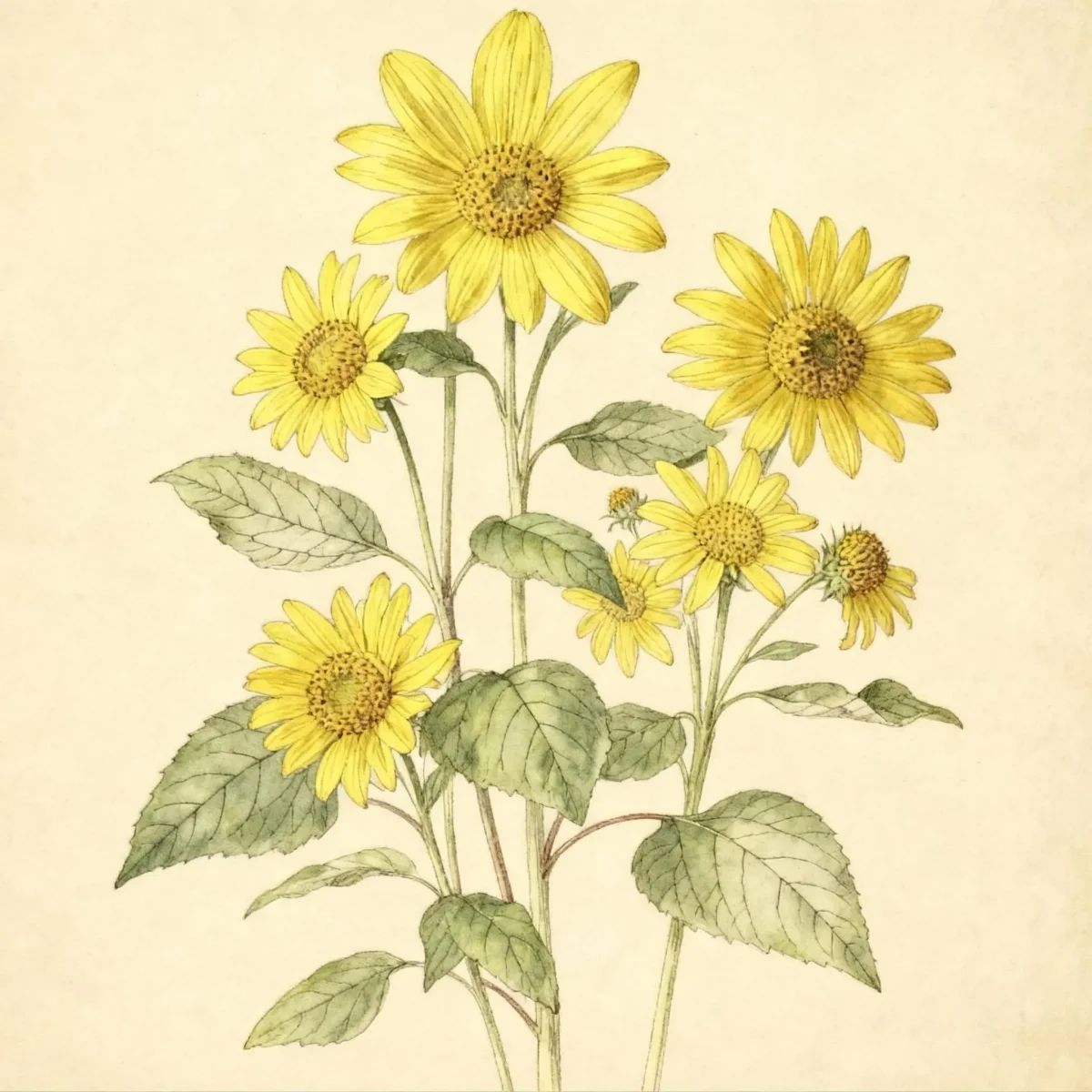
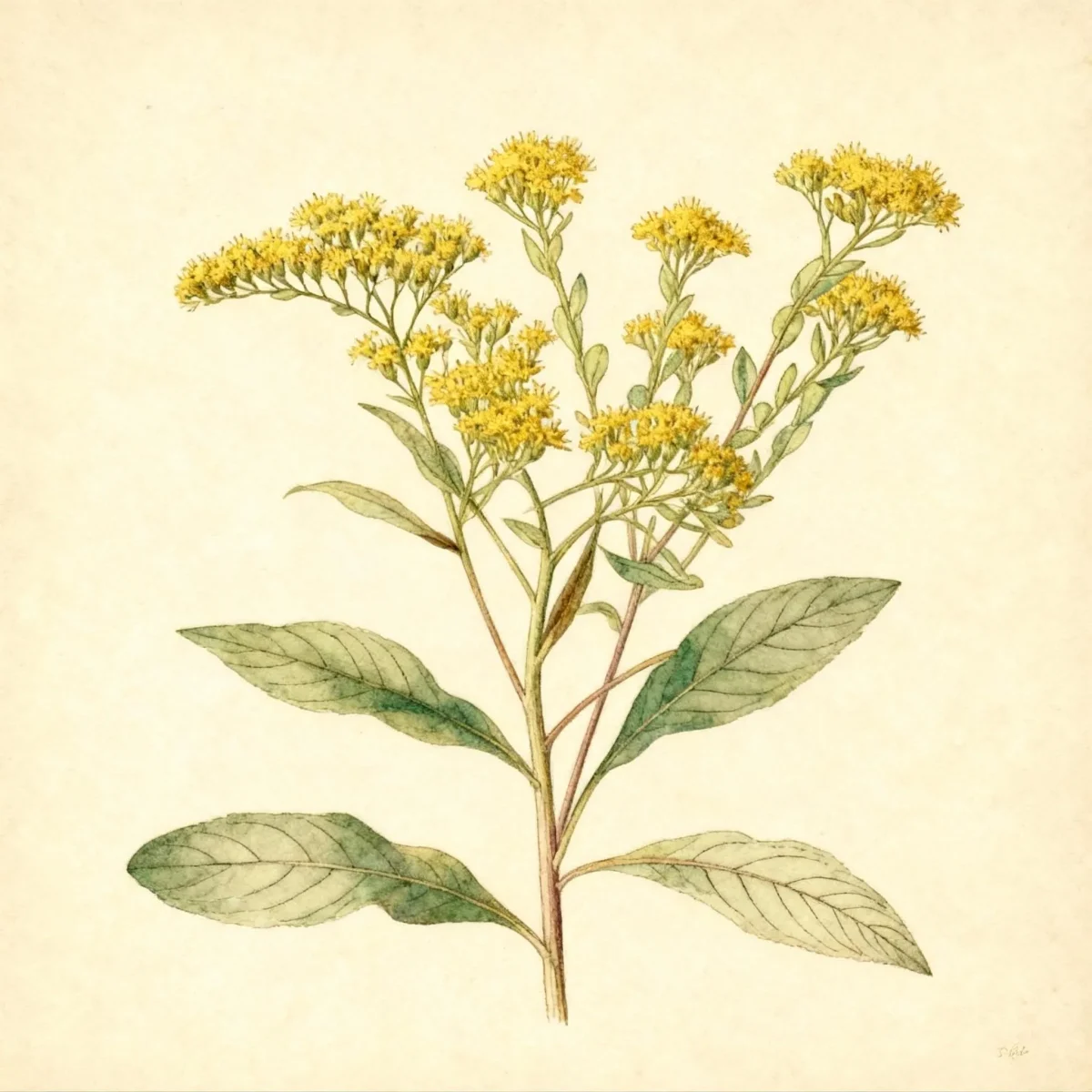
Solidago rigida, widely known as stiff goldenrod, is a commanding presence in the late-season garden landscape. This herbaceous perennial develops stiff, hairy stems topped with dense, flat-topped clusters of bright yellow flowers, adding essential late-season color. Gardeners value this native species for its height and robust nature, providing structure when many other perennials begin fading.
As a rhizomatous grower, Solidago rigida establishes reliably, making it perfect for naturalized settings or prairie restorations across the Eastern and Northeastern United States. Its striking late blooms are powerful attractants for essential pollinators like bees and butterflies, fulfilling a critical ecological role. Achieving heights between 3 to 5 feet, this plant offers excellent vertical interest in the landscape.
Despite its historical, misplaced association with seasonal allergies, stiff goldenrod offers exceptional aesthetic and functional value. Growing Solidago rigida successfully is straightforward in average soils, provided it receives ample sunlight throughout the day. Integrating this dependable Goldenrod ensures wildlife support and vibrant yellow color right up until autumn frost.
Fast Facts
- Plant Family: Asteraceae
- Plant Type: Herbaceous perennial
- Native Range: Eastern and northeastern United States
- Hardiness Zones: USDA Zones 3-9
- Size at Maturity:
- Height: 3-5 ft
- Spread: 1.5-2.5 ft
- Bloom Time: August to September
- Bloom Description: Yellow
- Sun Exposure: Full sun
- Water Needs: Medium
- Maintenance Level: Medium
How to Grow
Plant stiff goldenrod in the spring or fall once the threat of hard frost has passed, selecting a site that receives consistent full sun exposure throughout the day for optimal flower production. Solidago rigida performs best in average, medium soils that are well-drained. While it handles typical garden conditions well, avoid areas where water pools, as poor drainage can cause issues.
Maintenance for this Goldenrod is generally classified as medium. Water needs are moderate; establish plants deeply and then allow the soil to dry slightly between waterings, especially once mature. Fertilization is rarely required; overly rich soil can lead to floppy stems. Tall stalks may require some support if planted in overly rich, protected areas susceptible to wind.
After the flower clusters fade in autumn, remove the spent blooms to encourage any possible secondary blooming, although this is not strictly necessary for health. In early spring, cut back the dried stems to near ground level. If the plant begins to spread too aggressively through its rhizomes, plan to divide the clumps every two to three years to maintain desirable size and vigor.
Landscape Uses
The primary role for Solidago rigida in the landscape is naturalization. It excels when allowed to spread in large drifts within a wild garden, prairie reconstruction, or meadow planting, perfectly mimicking its native habitat of open woods and prairies. Its strong vertical form provides necessary structure and contrast against lower-growing prairie companions or mounding ornamental grasses.
For the traditional perennial border, this late-blooming flower offers crucial late-season color, bridging the gap between mid-summer bloomers and autumnal mums. Consider placing the vivid yellow flower heads behind shorter blue or purple flowering salvias or asters to maximize visual impact. The robust nature of Solidago rigida also makes it suitable for stabilizing banks or mass plantings where low maintenance is desired.
Standout Features
Flower Qualities
- Showy
Noteworthy Characteristics
Solidago ridiga, commonly known as stiff goldenrod, is a somewhat weedy, rhizomatous, Missouri native perennial which typically occurs in open woods, glades, thickets and prairies throughout most of the State. Features tiny, bright yellow, daisy-like flowers borne in dense, erect, flat-topped terminal clusters atop stiff, broad-leaved, hairy stems typically growing 3-5’ tall. Attractive to bees and butterflies, this Goldenrod is often wrongfully accused of causing hay fever, which is actually linked to wind-borne pollen from other plants.
Tolerances
- Deer
- Clay Soil
Potential Problems
Stiff goldenrod generally exhibits good pest and disease resistance, though leaf rust can occasionally develop, particularly in humid, crowded conditions. To prevent rust, ensure adequate air circulation by spacing plants correctly and avoiding overhead watering late in the day. Should the plant become overly exuberant, remember that dividing Solidago rigida every few seasons helps control its rhizomatous spread. Taller varieties sometimes benefit from staking or judicious grouping to prevent stems from lodging in heavy rain or wind.
Frequently Asked Questions
What hardiness zones is Goldenrod suitable for?
Solidago rigida is adaptable across a wide range, thriving in USDA Zones 3 through 9.
How large does Solidago rigida grow?
This perennial typically reaches a mature height between 3 and 5 feet, with a spread ranging from 1.5 to 2.5 feet wide.
When does Goldenrod bloom?
You can expect the vibrant yellow blooms of this species to appear reliably from August into September.
What sun exposure does Solidago rigida need?
This plant requires full sun exposure to produce the best flowers and maintain strong, upright growth habits.
Conclusion
The stiff goldenrod, Solidago rigida, remains an indispensable native perennial for gardeners seeking strong structural color and vital pollinator support late in the season. Its unique flat-topped yellow flowers and deer resistance make this tough Goldenrod an excellent choice for meadows and borders alike. Before planting, confirm your site provides full sun and amend your soil for adequate drainage to ensure years of vigorous growth from your Solidago rigida.
Wildlife Benefits
Late-season nectar sources are crucial for migrating pollinators, and stiff goldenrod fills this role perfectly when many other sources are depleted. The bright yellow flower heads are highly attractive to bumblebees, honeybees, and numerous species of butterflies, providing essential fuel before winter. Planting large groupings helps create a significant nectar corridor across the landscape.
Though often vilified, this plant is a critical late-season food source, not a hay fever culprit. By incorporating Solidago rigida into native plantings, you actively support local insect populations, contributing directly to garden biodiversity and ecosystem health. Group plantings provide higher visibility and are more effective at drawing in insect activity than single specimens.
Companion Planting
Because Solidago rigida reaches significant height (up to 5 feet) and prefers full sun and medium moisture, it pairs well with other robust prairie natives that share similar cultural needs. Effective companions include tall purple-flowering asters (Symphyotrichum species), native grasses like Switchgrass (Panicum virgatum), or Joe-Pye Weed (Eutrochium spp.), which provides a softer texture nearby. Avoid planting in heavily shaded spots, as this encourages legginess and weakens the stems of the stiff goldenrod.