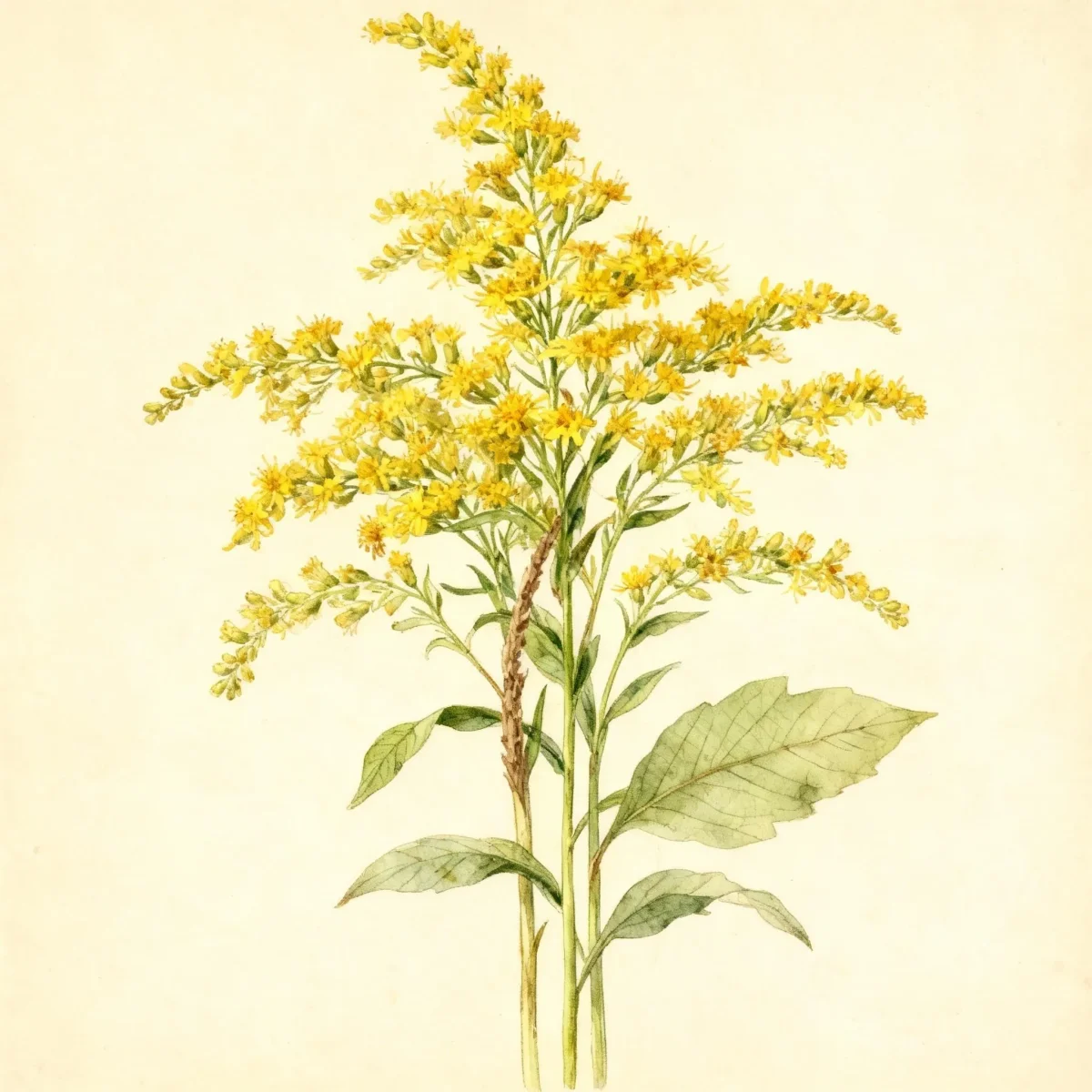
Rough goldenrod (Solidago rugosa)
Rough goldenrod (Solidago rugosa) is a stunning, low-maintenance native perennial delivering vibrant yellow blooms from late summer into fall in USDA Zones 4-8.
Scroll down to discover growing tips, care requirements, companion plants, and more
Complete Plant Information
Overview
Rough goldenrod (Solidago rugosa) stands out in the late-season garden, providing essential golden color when many summer bloomers are fading. This robust herbaceous perennial, reaching three to five feet, is characterized by its textured foliage and masses of eye-catching yellow flowers. Gardeners value Solidago rugosa for its adaptability and significant contribution to late-season pollinator support.
Native to Eastern North America, this species performs best in moist to wet conditions, making it an excellent candidate for challenging sites. While it grows easily in average, slightly acidic soils, it handles dampness exceptionally well. This Rough goldenrod spreads via rhizomes, contributing to attractive naturalized groupings over time.
Beyond its aesthetic appeal, Solidago rugosa is a crucial resource for bees and butterflies preparing for migration or winter. Despite historical misconceptions, goldenrods are generally beneficial plants, offering vibrant structure and late nectar sources throughout August and into October.
Fast Facts
- Plant Family: Asteraceae
- Plant Type: Herbaceous perennial
- Native Range: Eastern North America
- Hardiness Zones: USDA Zones 4-8
- Size at Maturity:
- Height: 3-5 ft
- Spread: 1.5-2.5 ft
- Bloom Time: August to October
- Bloom Description: Yellow
- Sun Exposure: Full sun
- Water Needs: Medium to wet
- Maintenance Level: Low
How to Grow
For best establishment, plant Solidago rugosa in the spring or fall when conditions are moist. This rugged perennial prefers full sun but will tolerate light shade, though flowering may be reduced. It thrives in average, slightly acidic soils, provided they are medium to wet and well-drained.
Maintenance for Rough goldenrod is typically low. While robust, this rhizomatous spreader can colonize rapidly in ideal, rich, moist conditions, so be mindful of where you place it if space is limited. No routine fertilizing is needed; let the soil feed the plant naturally.
Watering should focus on keeping the soil consistently moist, especially during establishment or extended dry periods. Pruning is generally unnecessary outside of tidying up old stems in early spring before new growth emerges. Because it spreads readily, division every few years may be needed to manage its size, though it is generally not aggressive enough to be considered invasive.
Landscape Uses
The upright habit and brilliant late-summer yellow flowers make Solidago rugosa an excellent structural plant for specific landscape niches. It naturally integrates into rain gardens, wetland borders, and ditches where consistent moisture is present. Use it generously when you need to naturalize an area or create a low-maintenance meadow effect.
This goldenrod provides fantastic vertical interest when massed against darker green evergreen shrubs or utilized in perennial borders that mimic meadow environments. Pair the late bloom of Rough goldenrod with asters or late-season Joe Pye Weed for continuous visual impact. Its preference for moist soil allows it to successfully anchor wet spots where many common garden perennials might struggle.
Standout Features
Flower Qualities
- Showy
Noteworthy Characteristics
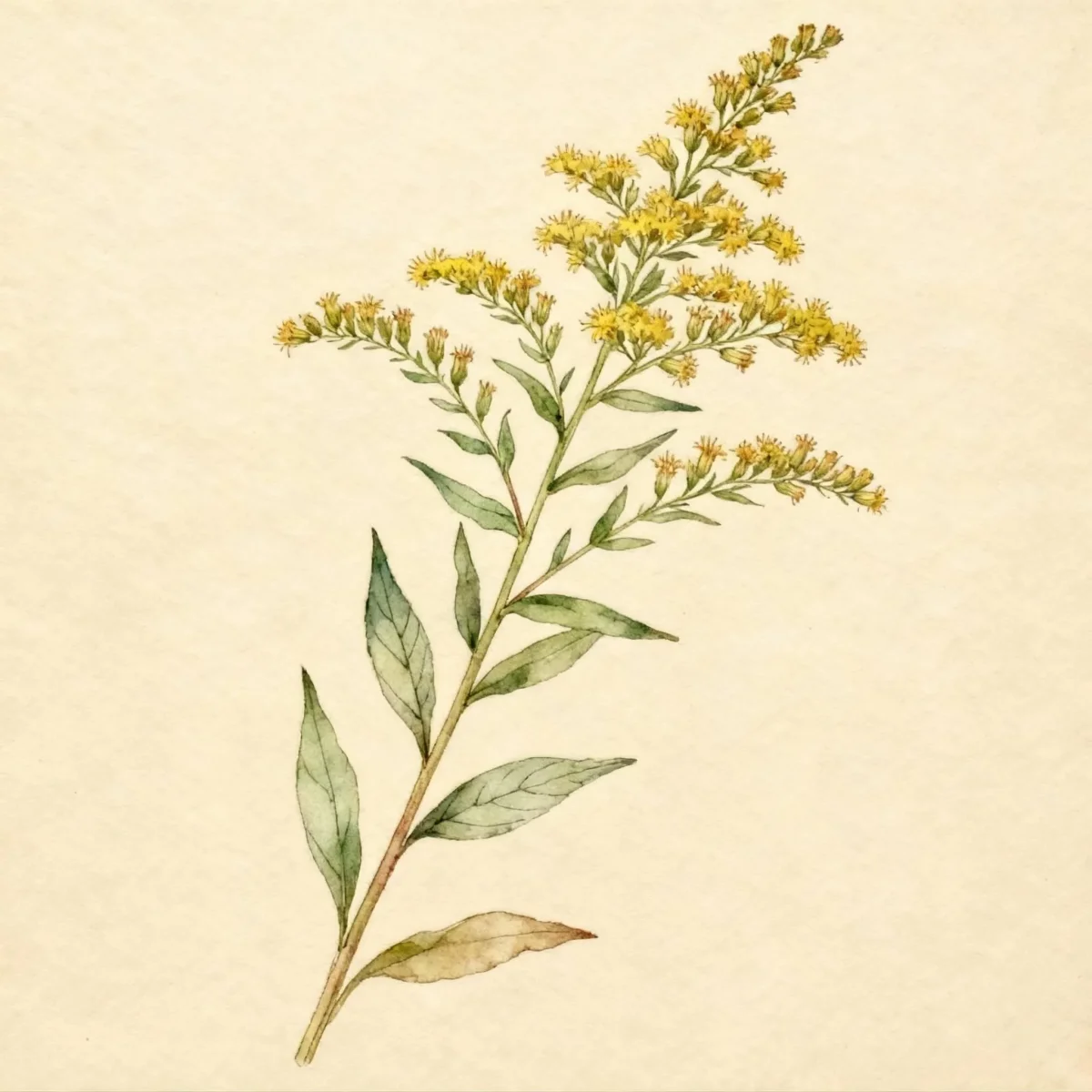
Solidago rugosa, commonly called rough goldenrod, rough-stemmed goldenrod or wrinkle-leaved goldenrod, features panicles of showy yellow flowers in late summer to fall (August to October). Flowers bloom at the ends of rough, hairy, often unbranched stems clad with hairy, ovate to lanceolate, medium to dark green leaves (to 4” long) with crenate to sharply serrate margins and broad-margined stalks. Deep pinnate veins give the leaves a rough and wrinkled appearance. The central stem is erect and densely hairy, typically rising to 3-5’ tall.
Tolerances
- Deer
- Clay Soil
- Wet Soil
Potential Problems
Solidago rugosa resists most serious pest and disease pressures, contributing to its low-maintenance reputation. However, gardeners should watch for rust, which can cause discoloration on leaves, and occasionally powdery mildew, especially in humid, crowded conditions or if air circulation is poor.
If rust or mildew appears, immediately prune affected foliage to improve air flow and dispose of the debris (do not compost). While the plant spreads by rhizomes, it is generally not considered aggressively invasive, though rapid spread can occur in its preferred, consistently wet sites. Careful placement avoids aggressive colonization of adjacent, drier garden beds.
Frequently Asked Questions
What hardiness zones is Rough goldenrod suitable for?
Rough goldenrod (Solidago rugosa) is highly adaptable and suitable for USDA Zones 4 through 8.
How large does Rough goldenrod grow?
This perennial typically matures to a height between 3 and 5 feet, with a spread ranging from 1.5 to 2.5 feet wide.
What sun exposure does Rough goldenrod need?
This plant performs best requiring full sun, though it can tolerate light shade if consistent moisture is maintained.
When does Solidago rugosa bloom?
Solidago rugosa brightens the landscape with its yellow blooms beginning in August and continuing through October.
Conclusion
The late-season color and reliable performance of Rough goldenrod (Solidago rugosa) make it an invaluable asset, particularly in moist or clay-heavy garden areas. Providing crucial late-season forage for pollinators, this rugged species asks for little in return for its stunning display. Before planting, ensure your site provides the medium to wet soil conditions this beautiful goldenrod requires for thriving success.
Companion Planting
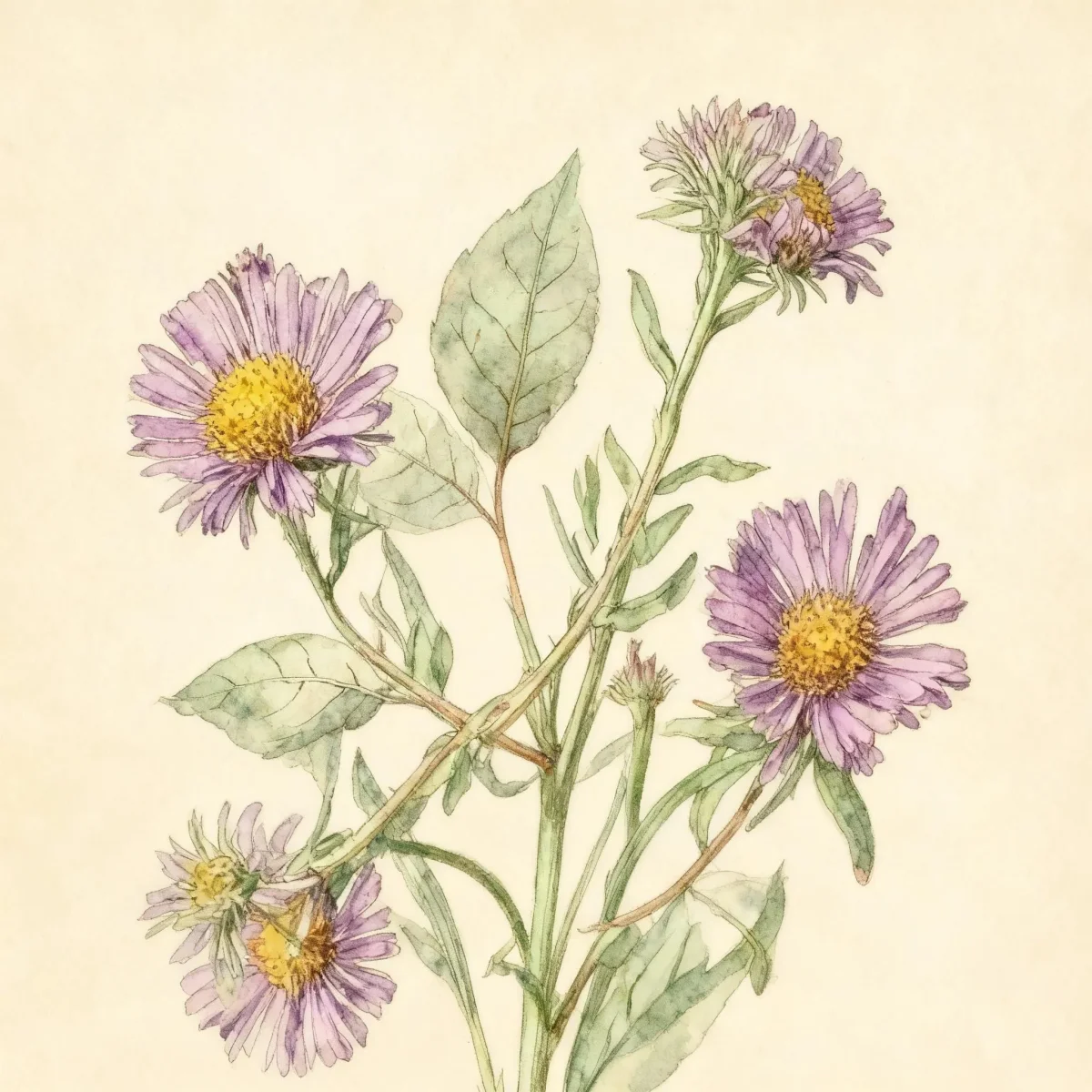
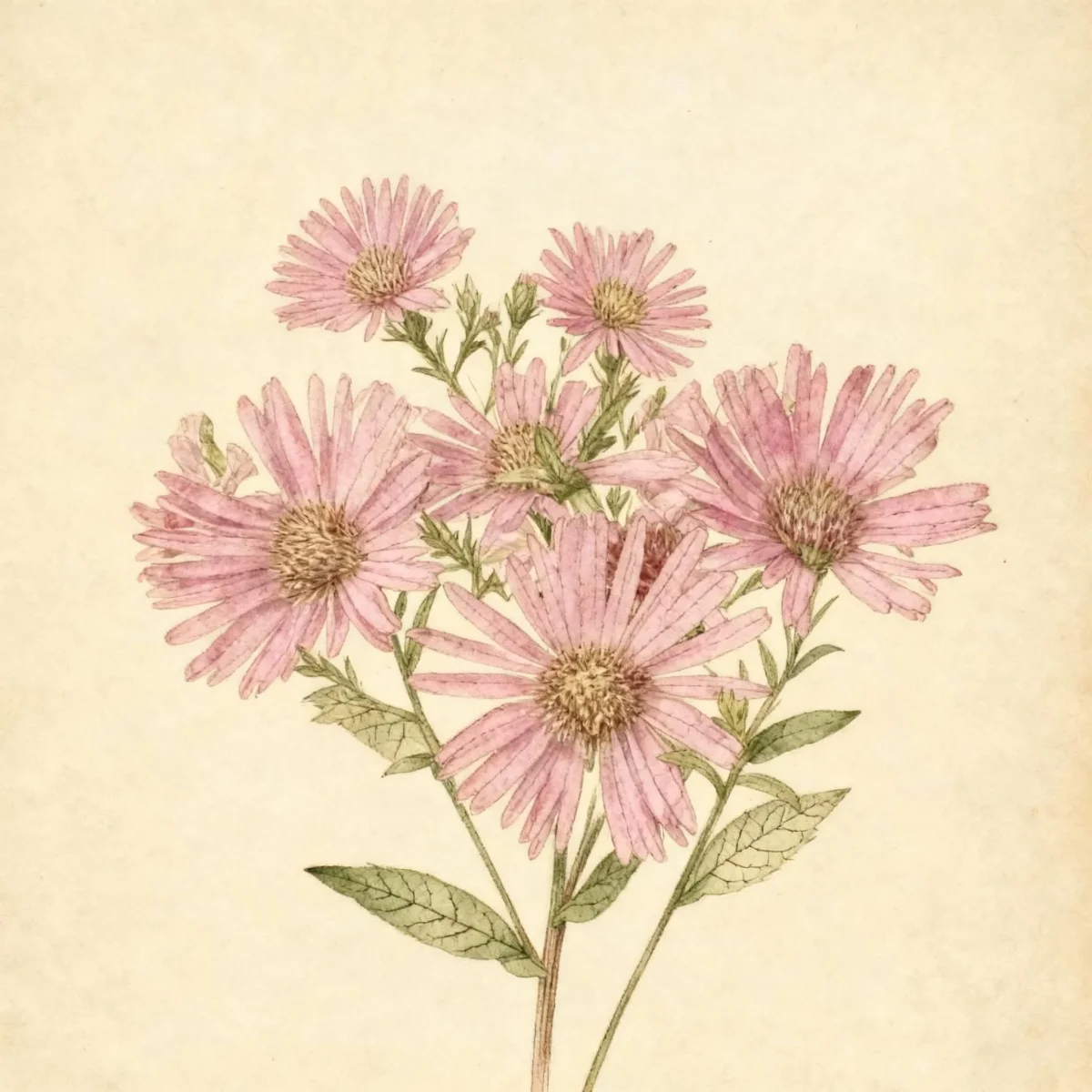
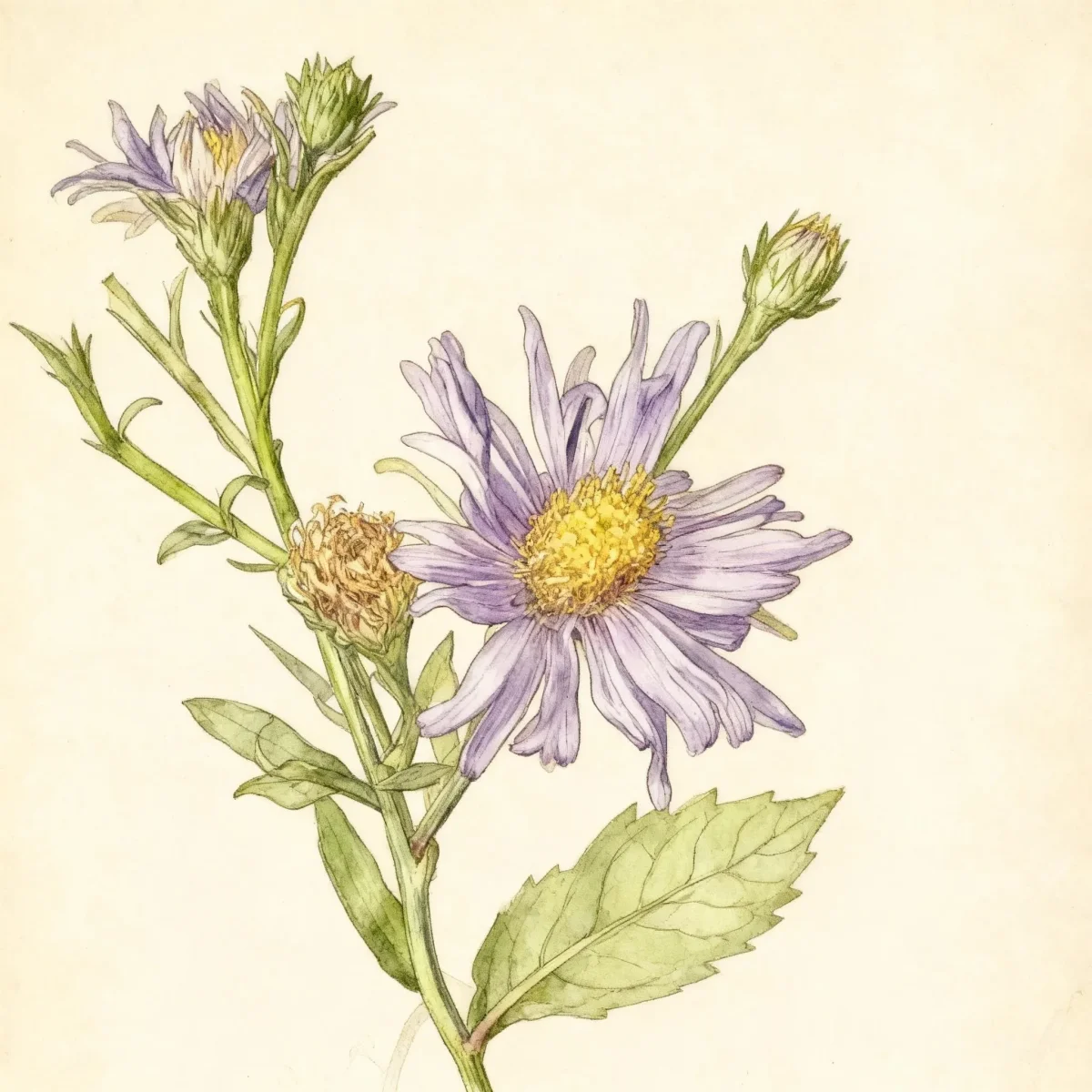
When designing a late-season border, consider pairing Solidago rugosa with other moisture-loving natives that bloom concurrently or slightly earlier. Asters, such as Symphyotrichum novae-angliae or Symphyotrichum laeve, offer contrasting flower structures and colors that complement the erect yellow plumes of the rough goldenrod beautifully. Other excellent partners include cardinal flower (Lobelia cardinalis) or Joe Pye Weed (Eutrochium species), which share similar high-moisture preferences.
Wildlife Benefits
The bloom period of Solidago rugosa is perfectly timed to serve as a critical late-season nectar source. As many summer-flowering plants wane, this goldenrod provides high-energy resources for migrating Monarch butterflies, late-flying bees, and other beneficial insects building up fat reserves for winter. Planting masses of Rough goldenrod creates a significant feeding station, supporting local biodiversity throughout the autumn months.