Southernwood (Artemisia abrotanum)
Discover Southernwood (Artemisia abrotanum), a low-maintenance, aromatic perennial perfect for dry garden borders requiring full sun.
Scroll down to discover growing tips, care requirements, companion plants, and more
Complete Plant Information
Overview
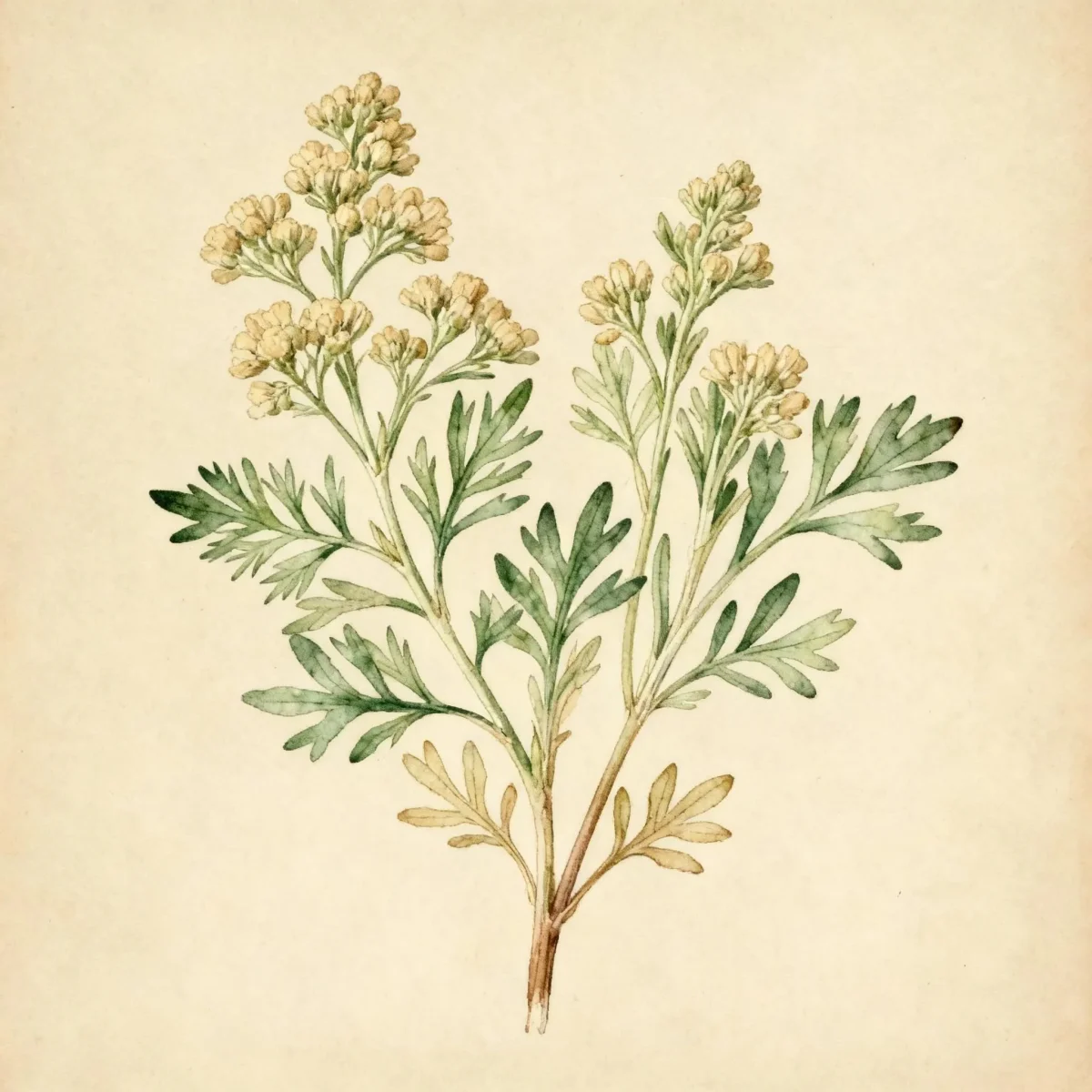
Southernwood, scientifically known as Artemisia abrotanum, is a highly valued perennial sub-shrub prized for its ferny, intensely aromatic foliage rather than its flowers. This plant forms a bushy mound, typically reaching three to four feet tall, quickly establishing itself as a structural element in the garden. Its distinctive citrus-to-camphor fragrance makes Artemisia abrotanum a historic favorite for sachets and airing closets.
Originally from southern Europe, Southernwood has proven resilient in many parts of North America, particularly thriving where conditions mimic its native dry, sunny habitat. It offers reliable texture and scent, serving as an excellent, low-maintenance backdrop or informal screen due to its respectable height and spread.
Gardeners appreciate this species for its rugged constitution; established plants handle dry heat and drought well once settled. For those seeking traditional herbs that offer superior ornamental texture coupled with pest-deterrent fragrance, Southernwood remains a must-have inclusion.
Fast Facts
- Plant Family: Asteraceae
- Plant Type: Herbaceous perennial
- Native Range: Eastern, southern, and south-central Europe
- Hardiness Zones: USDA Zones 4-8
- Size at Maturity:
- Height: 3-4 ft
- Spread: 2-3 ft
- Bloom Time: August to October
- Bloom Description: Yellowish-white
- Sun Exposure: Full sun
- Water Needs: Dry to medium
- Maintenance Level: Low
How to Grow
The best time to plant Artemisia abrotanum is when the danger of hard frost has passed, allowing it to establish roots before summer heat arrives. This herb demands full sun exposure to develop compact growth and strong fragrance. Culture success hinges on soil quality: use organically rich, well-drained soil that remains reliably dry to medium in moisture. Southernwood strongly dislikes wet feet, making drainage the most critical factor; avoid poorly drained sites entirely.
Ongoing care for established Southernwood is minimal. While it tolerates drought well once mature, consistent monitoring is required initially to ensure adequate, though infrequent, moisture. Fertilizing is generally unnecessary, as rich soils can lead to floppier growth. In colder climates, it is beneficial to apply a year-round mulch for insulation, especially keeping the crowns protected.
For best vigor and shape, prune this sub-shrub intentionally. Cut all the stems back to the ground surface every early spring, which encourages fresh, highly aromatic new growth. Furthermore, dividing the clumps every three to four years helps maintain plant robustness and prevents the woody base from becoming too dominant. Note that while Artemisia abrotanum thrives in dry heat, it often struggles in the high humidity common to the deep South.
Landscape Uses
Southernwood excels where resilience and texture are primary concerns. Its upright habit makes it an excellent candidate for low hedges or bordering paths and walkways, providing year-round structure and fragrance as gardeners brush past. Because it functions well as a low hedge, Artemisia abrotanum is perfect for dividing garden zones or softening the edges of hardscaping elements.
Beyond linear placements, this aromatic herb is well-suited for inclusion in dedicated herb gardens where its foliage contrasts beautifully with fine-leaved herbs like Thyme or broad-leaved varieties like Sage. It also performs admirably when planted in containers, especially alongside sun-loving, drought-tolerant companions such as Sedum or Lavender, provided the container offers excellent drainage.
Design Tip: Use the light, silvery-green foliage of Southernwood to cool down hot color palettes featuring reds and oranges, or integrate it into a rustic cottage garden scheme where its history and scent can be fully appreciated.
Standout Features
Flower Qualities
- Showy
Noteworthy Characteristics
Artemisia abrotanum, commonly called southernwood, is a perennial sub-shrub that typically grows on woody, upright-branching stems to form a 3-4’ tall bushy mound of ferny, strongly aromatic, medium to light green leaves, each of which is 1-3 times pinnately dissected into threadlike segments. Southernwood is native to southern Europe, most likely in countries along the Mediterranean from Spain to Italy. It was introduced into the eastern U.S. In the early 1600s, and has naturalized over time into parts of the northeast primarily in disturbed sites (fields, roadsides, and waste areas). Although once planted as both a culinary herb and a medicinal herb, it is primarily grown in gardens today for its attractive ornamental foliage augmented by its pleasant citrus to camphor-like foliage fragrance. Leaves retain good fragrance after drying, hence their use in sachets, as air fresheners and for discouraging clothing moths.
Tolerances
- Rabbit
- Deer
- Drought
- Dry Soil
Potential Problems
Fortunately, Artemisia abrotanum rarely suffers from serious insect infestations or common fungal diseases, contributing to its low maintenance rating. The primary threat to this Mediterranean native is excess moisture. Susceptibility to root rot is high, especially in poorly drained or heavy clay soils where water pools after rainfall or irrigation.
To prevent this, always ensure the planting site has sharp drainage, incorporating grit or coarse sand if the native soil is heavy. Avoid overhead watering where possible, allowing rainfall or deep, infrequent watering to mimic its preferred dry conditions. If rot becomes evident, which may manifest as sudden blackening or wilting of foliage, immediate soil amendment or relocation may be necessary to save the plant.
Frequently Asked Questions
What hardiness zones is Southernwood suitable for?
Southernwood (Artemisia abrotanum) is suitable for USDA Zones 4 through 8, making it quite versatile across many temperate regions.
How large does Southernwood grow?
At maturity, expect Artemisia abrotanum to reach a height between 3 and 4 feet, with a spread of 2 to 3 feet wide.
When does Southernwood bloom?
This plant flowers relatively late in the season, typically blooming from August into October, though the yellowish-white flowers are not generally considered a major ornamental feature.
What sun exposure does Southernwood need?
Southernwood thrives best in full sun conditions, which is essential for developing its compact form and potent aromatic qualities.
Conclusion
Artemisia abrotanum offers exceptional value to the gardener seeking reliable texture, drought tolerance, and a unique, pleasant fragrance. Its low maintenance requirements make Southernwood an excellent choice for busy gardeners or for filling difficult, sunny, dry areas of the landscape. Before planting, confirm your soil offers excellent drainage and choose a spot that receives full sun to ensure robust establishment of your Artemisia abrotanum.
Companion Planting
When placing Southernwood in the garden, prioritize companions that share its love for sun and dry conditions. Plants like Lavender, Rosemary, and Santolina create a beautiful, silvery-toned grouping with similar cultural needs. These drought-tolerant partners complement the texture of Artemisia abrotanum without competing for moisture.
Consider pairing Southernwood with herbs or perennials that bloom vibrantly in mid-to-late summer, such as Russian Sage, which provides contrasting lavender-blue plumes. This combination creates visual interest throughout the season while maintaining a generally Mediterranean or dry garden aesthetic that respects the needs of the aromatic Southernwood.
Propagation Tips
The easiest and most effective way to propagate Southernwood is through stem cuttings, which bypass the often slow or unreliable seed production in some climates. Take semi-hardwood cuttings—stems that have slightly matured but are still flexible—in late spring or early summer before the heat intensifies.
Prepare the cuttings by removing the lower leaves and stripping the bark slightly from the bottom inch. Dip the base in rooting hormone (optional but helpful) and plant them into a well-draining, sandy potting mix. Place the cuttings in a shaded, protected area and maintain slight moisture until roots develop, usually within several weeks, allowing you to establish new plants of Artemisia abrotanum easily.