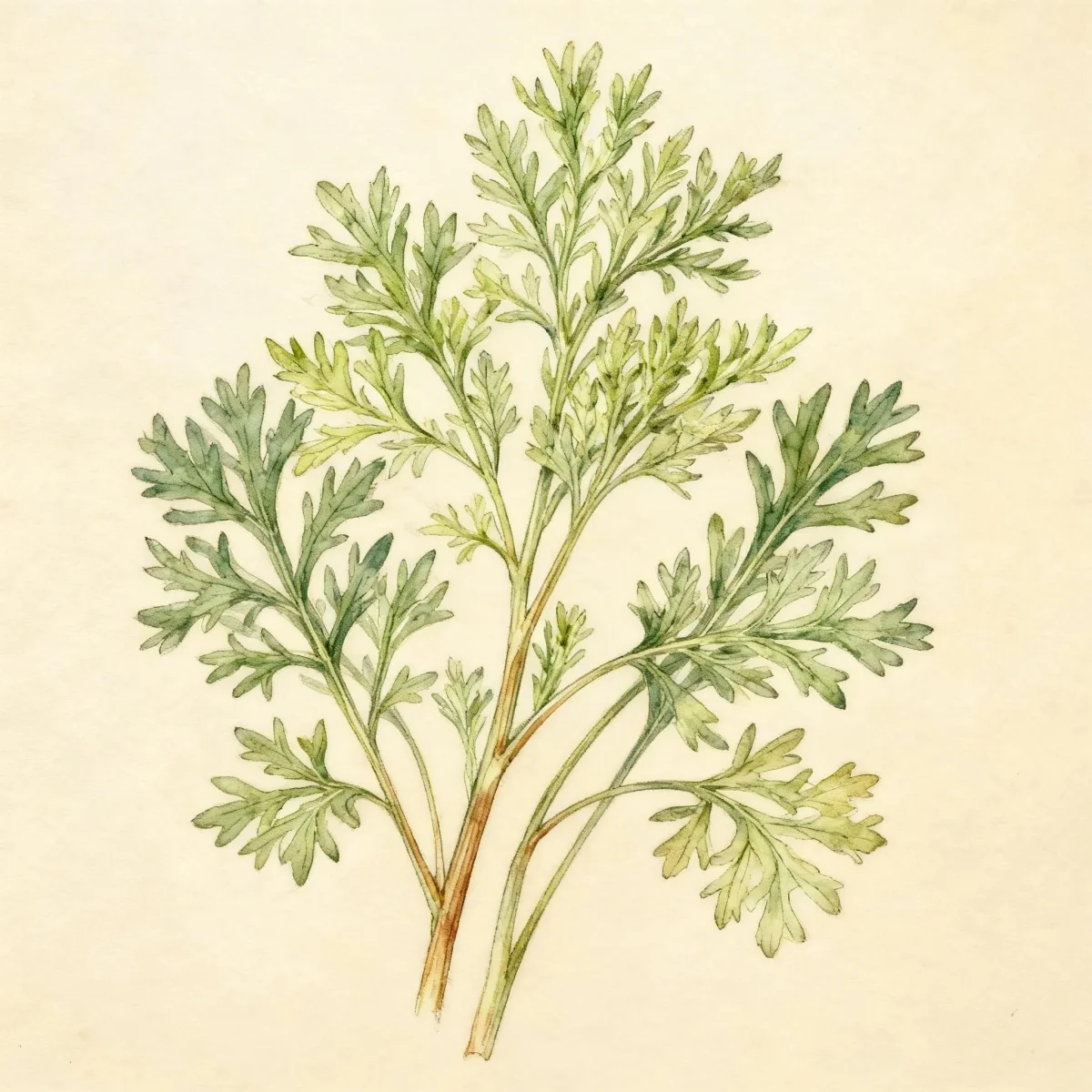
Green eyes (Berlandiera texana)
Discover Berlandiera texana (Green eyes), a low-maintenance perennial ideal for dry, rocky soils in USDA Zones 6-8.
Scroll down to discover growing tips, care requirements, companion plants, and more

Complete Plant Information
Overview
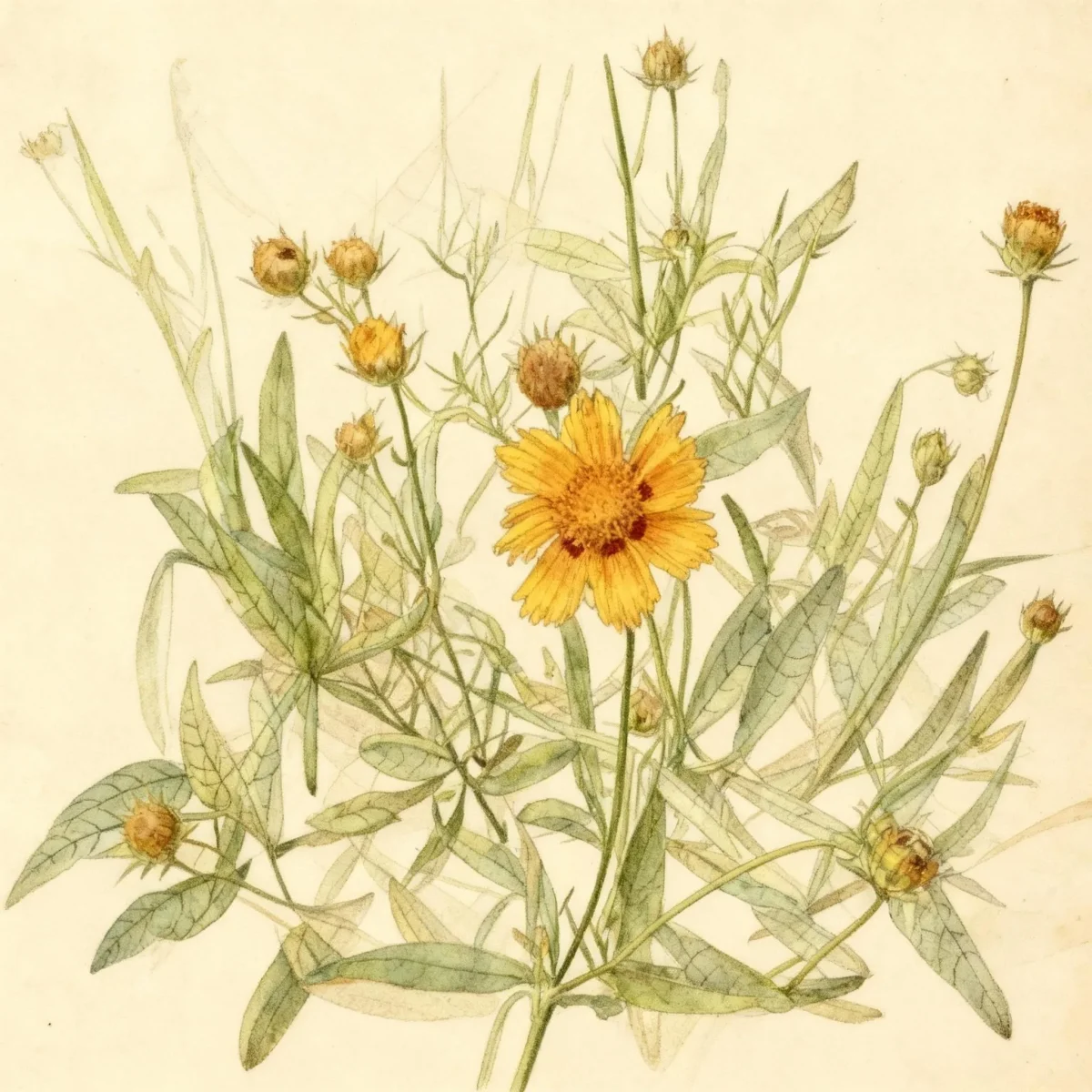
Berlandiera texana, commonly known as Green eyes, is a highly rewarding, low-maintenance perennial native to the drier regions of the South-central United States. Its unique appeal lies in its distinctive, daisy-like flowers that feature sunny yellow rays contrasting with maroon centers, emphasized by persistent, cup-shaped green calyces that give the plant its charming common name. This hardy sunflower relative thrives in challenging conditions where many other garden plants struggle.
As an herbaceous perennial, Berlandiera texana offers reliable seasonal structure with erect, branching stems reaching up to three feet tall. It exhibits excellent tolerance for heat and dry periods once established, making it a superb choice for xeriscaping or naturalized drifts in sunny locations. The inclusion of Berlandiera texana enhances native biodiversity while requiring minimal intervention from the gardener.
Gardeners appreciate the easy cultivation of Green eyes, as it easily adapts to average soils, provided they drain well. It is best utilized in settings where its preference for dry, slightly alkaline conditions can be met. Planning for Berlandiera texana ensures a burst of summer color with very little ongoing commitment.
Fast Facts
- Plant Family: Asteraceae
- Plant Type: Herbaceous perennial
- Native Range: South-central United States
- Hardiness Zones: USDA Zones 6-8
- Size at Maturity:
- Height: 1.5-3 ft
- Spread: 1-2 ft
- Bloom Time: June to September
- Bloom Description: Yellow rays and maroon center disks
- Sun Exposure: Full sun
- Water Needs: Dry to medium
- Maintenance Level: Low
How to Grow
Planting Berlandiera texana should occur when danger of hard frost has passed, ensuring it receives full sun exposure for the best flowering performance. This plant is exceptionally adaptable, thriving in well-drained, average soils, including those that are somewhat dry or shallow and rocky. While it tolerates light shade, maximum bloom is achieved in uninhibited sunlight. It shows a preference for slightly alkaline soil conditions.
Care requirements for Green eyes are minimal. Watering should be infrequent once the plant is established, respecting its dry to medium water needs. Be cautious not to overwater; while occasional moisture can increase flower production, excessive wetness can lead to stem drooping. Fertilization is generally unnecessary given its native habitat in lean soils.
Maintenance for this perennial sunflower is remarkably low. No significant pruning is typically required other than perhaps deadheading if desired, though allowing the spent blooms to fade will showcase the unique “green eye” structure. Berlandiera texana is easily grown from seed and may occasionally self-seed, helping to naturalize the area over time. Prepare for winter by cleaning up spent stems in late fall or early spring, depending on your aesthetic preference.
Landscape Uses
Berlandiera texana excels in naturalized settings, prairies, and wildflower meadows where its robust character can shine. Its moderate height and reliable summer bloom make it an excellent component for the back or middle of a perennial border, providing texture alongside shorter sun-lovers. Consider using Green eyes as an informal edger along pathways or near rock outcroppings, complementing its tolerance for shallow, rocky soils.
Due to its drought tolerance, this species is an ideal companion for other xeric-loving natives such as Coneflowers (Echinacea) or certain ornamental grasses that share similar sun and water requirements. Planting established clumps creates a vibrant splash of sunny yellow beginning in June that lasts well into autumn. Its rugged nature means it integrates seamlessly into low-fuss, low-input landscape designs focused on regional ecology.
Integrating Berlandiera texana helps transition manicured garden spaces into adjacent native landscapes. Its structure provides necessary vertical interest throughout the peak summer months when many spring bloomers are finishing. For a naturalized look, scatter seed or plant plugs loosely throughout the area where you desire the cheerful presence of Green eyes.
Standout Features
Flower Qualities
- Showy
Noteworthy Characteristics
Berlandiera texana, commonly called Texas greeneyes, is a hirsute perennial sunflower that is native to dry, rocky/sandy, calcareous soils in open woods, glades, and thickets in Missouri, Kansas, Oklahoma and Texas. Daisy-like flowers, in corymbiform terminal clusters, bloom from June to September atop erect, branching, purple-pubescent stems rising to 1.5-3’ tall. Each flower features yellow rays (usually 5-12), shallow cup-like green calyces beneath the rays, and maroon center disks. Once the flower petals and disk flowers drop, the remaining stiff, cupped, green calyces surrounding the greenish center disks resemble green eyes, hence the common name.
Tolerances
- Drought
- Dry Soil
- Shallow-Rocky Soil
Potential Problems
Berlandiera texana exhibits excellent resilience, boasting no serious insect or disease problems under ideal cultivation. The primary risk involves its roots; root rot is a distinct possibility if the plant is sited in overly moist or heavily compacted clay soils that retain water for extended periods. Prevent this by ensuring sharp drainage before planting, especially in humid climates, and strictly adhere to its dry to medium water needs.
Frequently Asked Questions
What hardiness zones is Green eyes suitable for?
Berlandiera texana is reliably hardy in USDA Zones 6 through 8.
How large does Green eyes grow?
This plant typically reaches a height between 1.5 and 3 feet, spreading to occupy an area of 1 to 2 feet wide.
What sun exposure does Green eyes need?
Green eyes requires full sun to exhibit its best growth and most abundant flowering display.
When does Berlandiera texana bloom?
This perennial flowers profusely from June through September, displaying yellow rays and maroon center disks.
Conclusion
Berlandiera texana provides excellent aesthetic value with persistent color and dependable performance in difficult, dry soil conditions, making it an indispensable addition to sustainable gardening. The unique appearance provided by Green eyes ensures year-round interest even after the yellow petals have faded. Ensure you check your site conditions match its preference for full sun and dry drainage before planting your Berlandiera texana.
Companion Planting
When integrating Green eyes into your landscape, select companions that also flourish in full sun and excellent drainage. Pairing Berlandiera texana with other regionally native, drought-tolerant prairie plants creates a cohesive ecosystem that supports local pollinators. Consider pairing it with shorter, late-summer bloomers like Rattlesnake Master (Eryngium yuccifolium) or various native Liatris species to create visual contrast in both texture and flower form.
Avoid placing Berlandiera texana near plants requiring consistent moisture, such as Astilbes or water-loving ferns, as this imbalance will lead to overwatering issues for the Green eyes. For border plantings, low-growing Sedums or native grasses with fine texture work wonderfully against the coarser, upright structure of the Berlandiera texana stems during the height of summer.
Propagation Tips
The simplest way to increase your stock of this reliable perennial is through seed collection. Seeds are ready for harvest after the distinctive green calyces begin to dry following the bloom period in late summer or early fall. Since Berlandiera texana is easily grown from seed, surface-sow them in trays or directly into a prepared bed, keeping them lightly moist until germination occurs.
Division is generally less successful or necessary for mature clumps of Berlandiera texana compared to other perennials, as they perform best when their roots remain undisturbed in lean, established soil. If division must occur, aim to do so very early in the spring before significant new growth begins, ensuring each resulting division has a portion of the root structure intact to handle transplantation stress.