Bighead knapweed (Centaurea macrocephala)
Grow Bighead knapweed (Centaurea macrocephala) for showy, unique yellow blooms. This low-maintenance perennial thrives in full sun.
Scroll down to discover growing tips, care requirements, companion plants, and more
Complete Plant Information
Overview
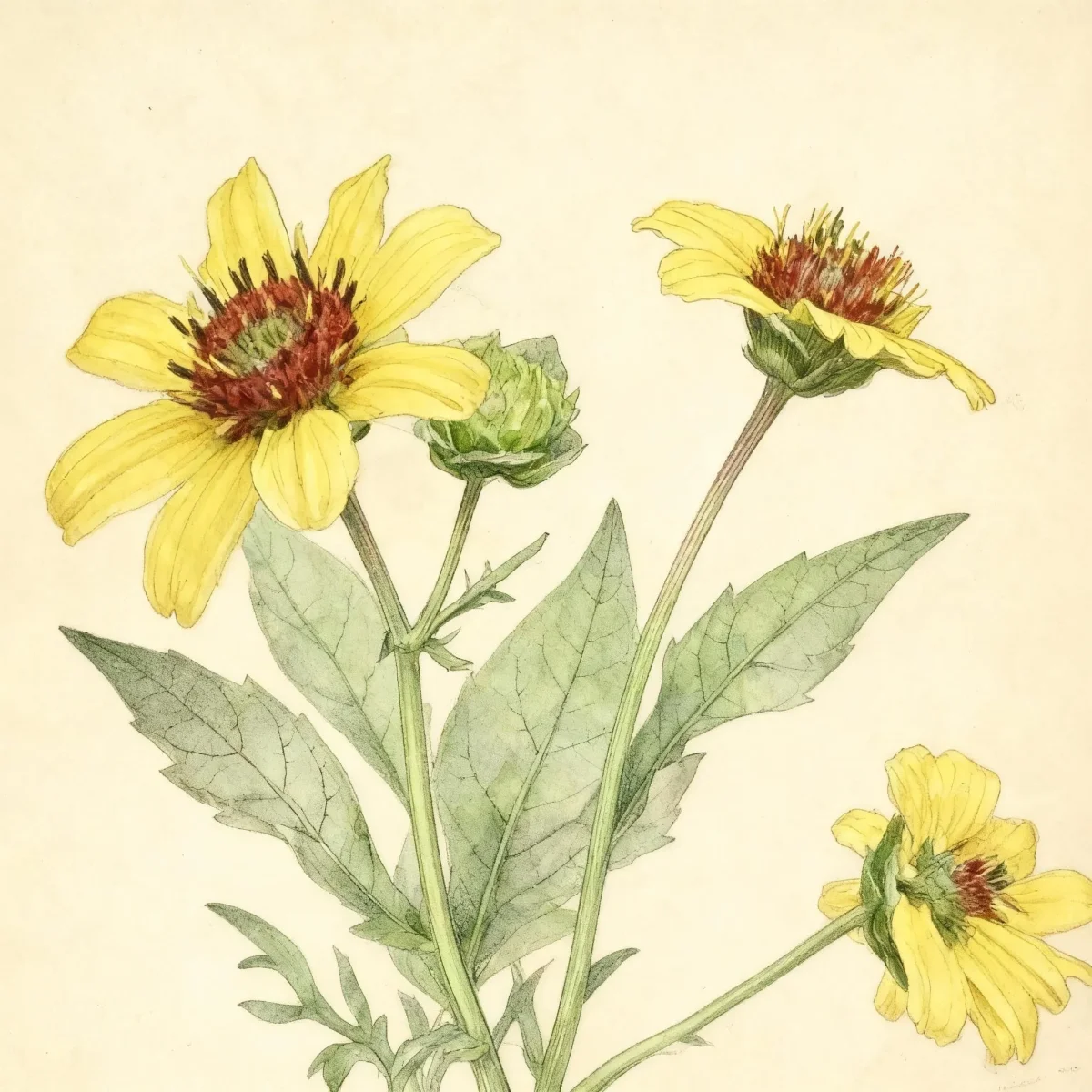
Centaurea macrocephala, commonly known as Bighead knapweed, offers striking architectural presence in the summer garden. Its defining feature is the bright yellow, thistle-like flowers, which achieve an impressive three to four inches across, making it a unique focal point. This robust herbaceous perennial is valued not only for its bold aesthetics but also for its considerable resilience in challenging garden situations.
Bighead knapweed is notably easy to cultivate, demanding low maintenance once established. It prefers lean, well-drained soils and requires consistent full sun exposure to perform optimally. The plant produces strong, stiff stems that support the large flower heads, minimizing flop common in many other perennials.
Gardeners seeking structure, reliable mid-summer color, and excellent materials for drying should explore adding Centaurea macrocephala to their borders. Its coarse texture contrasts beautifully with finer-leaved plants, and its drought tolerance ensures good performance even in drier climates.
Fast Facts
- Plant Family: Asteraceae
- Plant Type: Herbaceous perennial
- Native Range: Caucasus, Iran, Turkey
- Hardiness Zones: USDA Zones 3-8
- Size at Maturity:
- Height: 3-4 ft
- Spread: 1.5-2 ft
- Bloom Time: June to July
- Bloom Description: Yellow
- Sun Exposure: Full sun
- Water Needs: Dry to medium
- Maintenance Level: Low
How to Grow
Planting Bighead knapweed should occur in the spring after the danger of hard frost has passed, allowing roots to establish before the summer heat. Locate it in a position receiving full sun throughout the day for the best flowering display. It thrives in average to dry, well-drained soil; avoid heavy clay or areas where water consistently pools, as drainage is crucial for the long-term health of this species.
Maintenance for Centaurea macrocephala is blessedly simple. Watering requirements are minimal once the plant is mature; allow the soil to approach dryness between waterings, especially given its drought tolerance. Fertilization is generally unnecessary; rich soil may encourage excessive, floppy foliage rather than sturdy stems. Deadheading spent flowers can tidy its appearance, although the dried seed heads can also offer winter interest.
Prepare for winter by cutting back the coarse stems in late fall or early spring, depending on your local aesthetic preference. Due to its strong structure, Bighead knapweed rarely requires staking, contributing to its reputation as a dependable, low-input perennial perfect for gardeners seeking robust mid-summer impact.
Landscape Uses
The somewhat coarse and stiff growth pattern of Centaurea macrocephala makes it very effective when utilized strategically within the garden design. Consider planting it as a distinct specimen plant where its large yellow flowers can be fully appreciated as a structural accent. Alternatively, planting in defined clumps within the perennial border helps integrate its bold texture among softer companions.
Bighead knapweed works well when massed across a meadow planting or in larger perennial groupings, where its height (3–4 feet) provides excellent mid-border structure. Good companions should tolerate full sun and drier conditions, such as ornamental grasses, Russian Sage (Perovskia), or sturdy Echinacea varieties. Its strong vertical lines provide excellent contrast to mounding or spreading neighbors.
This plant also serves excellently in cutting gardens. Not only are the fresh blooms showy, but the stiff stems and developing bracts make Bighead knapweed a top choice for dried flower arrangements, offering lasting structure long after the growing season ends.
Standout Features
Flower Qualities
- Showy
- Good Cut
- Good Dried
Noteworthy Characteristics
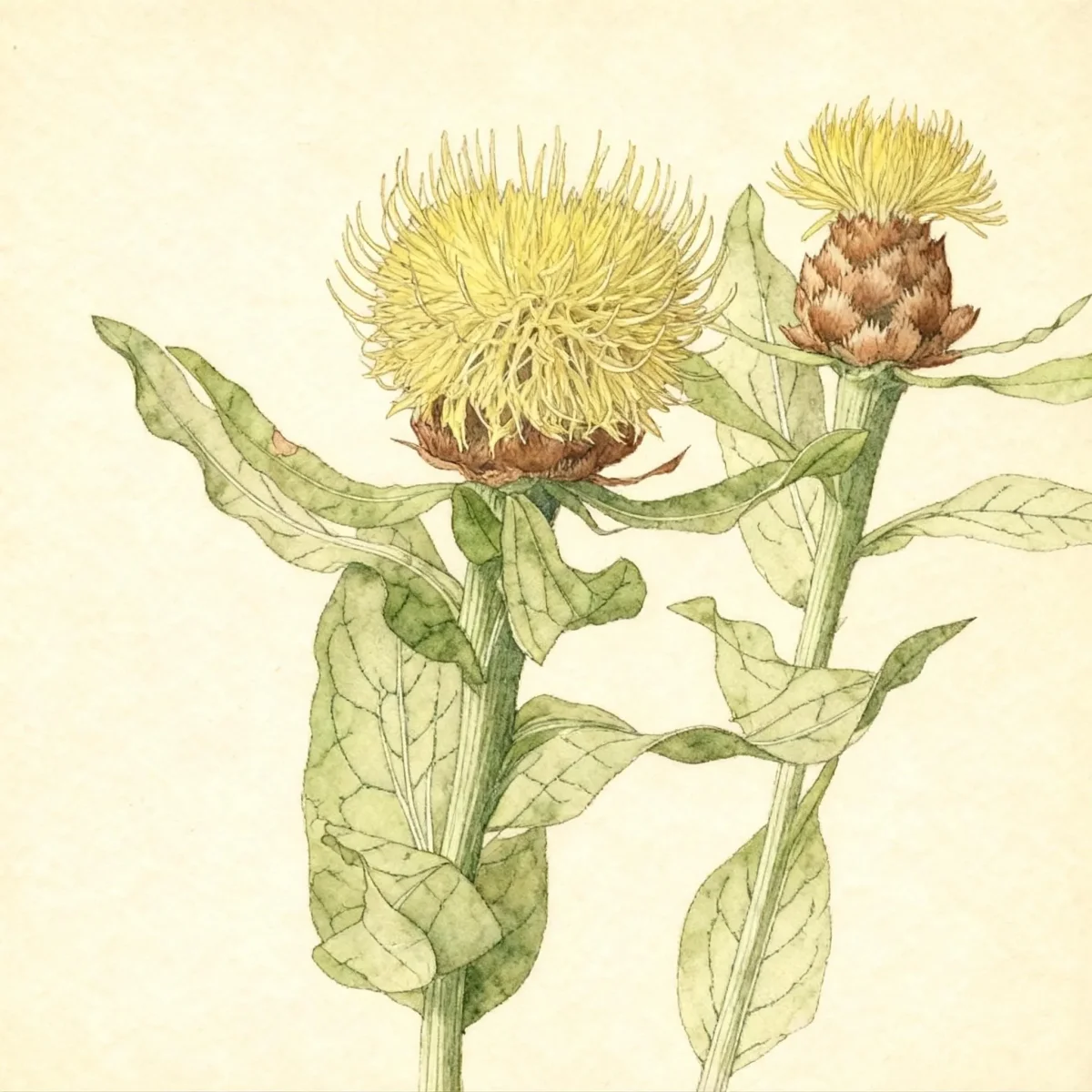
Centaurea macrocephala has bright yellow 3-4” across thistle-like flowers enclosed in glossy, light brown bracts on strong, stiff stems. Blooms for 2-3 weeks in the mid-summer. The genus name comes from the Greek word kentauros meaning centaur, while the specific epithet means large-headed. Gardeners sometimes commonly call this species globe centaurea or yellow hardhat.
Tolerances
- Drought
- Dry Soil
Potential Problems
Gardeners will appreciate that Bighead knapweed generally faces no serious problems with pests or diseases under proper growing conditions. Its low maintenance profile mostly hinges on avoiding overly wet, poorly drained soil, which is the primary factor that could invite root issues. Ensure adequate air circulation despite its coarse habit by giving it proper spacing according to its 1.5 to 2-foot spread.
Frequently Asked Questions
What hardiness zones is Bighead knapweed suitable for?
Centaurea macrocephala performs reliably in USDA Hardiness Zones 3 through 8, giving it a wide adaptability range for North American gardeners.
How large does Centaurea macrocephala grow?
This perennial typically reaches a height between 3 to 4 feet tall, spreading out to a width of 1.5 to 2 feet at maturity.
When does Bighead knapweed bloom?
Bighead knapweed produces its characteristic yellow blooms throughout the mid-summer, specifically from June into July.
What sun exposure does Centaurea macrocephala need?
For the most effective flowering and robust growth, Bighead knapweed requires placement in full sun conditions.
Conclusion
The reliable structure and unique, bold yellow flowers establish Bighead knapweed as a valuable addition to perennial borders and structural plantings. This low-maintenance choice offers both seasonal beauty and excellent dried material, making Centaurea macrocephala a highly practical selection. Before planting, always confirm your garden’s hardiness zone aligns with zones 3-8 compatibility.
Companion Planting
When selecting companions for Bighead knapweed, focus on plants that share its love for full sun and dry to medium soil conditions. Because the rigid structure of Centaurea macrocephala can sometimes appear stiff, pairing it with airy, fine-textured plants creates optimal visual contrast. Consider planting it near sea holly (Eryngium) for complementary textural elements and similar blue/yellow color pops, or contrast its yellow heads with the deep purples of Salvia nemorosa varieties. These choices thrive in similar lean soil, ensuring uniform care requirements across the drift.
Seasonal Care Calendar
Spring is the time for initial cleanup; cut back any lingering dead stems from the previous season before new growth emerges from the crown. Summer care focuses primarily on monitoring watering, remembering that while establishing, it needs medium moisture, but established plants prefer drying out between drinks. In early summer, deadheading Centaurea macrocephala will encourage slightly prolonged blooming, though this is optional due to the attractive appearance of the spent, sturdy flower heads. Avoid heavy applications of nitrogen-rich fertilizer at any time; light spring compost incorporation is sufficient if soil improvement is desired.