Clasping coneflower (Dracopis amplexicaulis)
Dracopis amplexicaulis, the Clasping coneflower, is a low-maintenance annual featuring bright yellow daisy-like flowers from summer to early fall.
Scroll down to discover growing tips, care requirements, companion plants, and more
Complete Plant Information
Overview
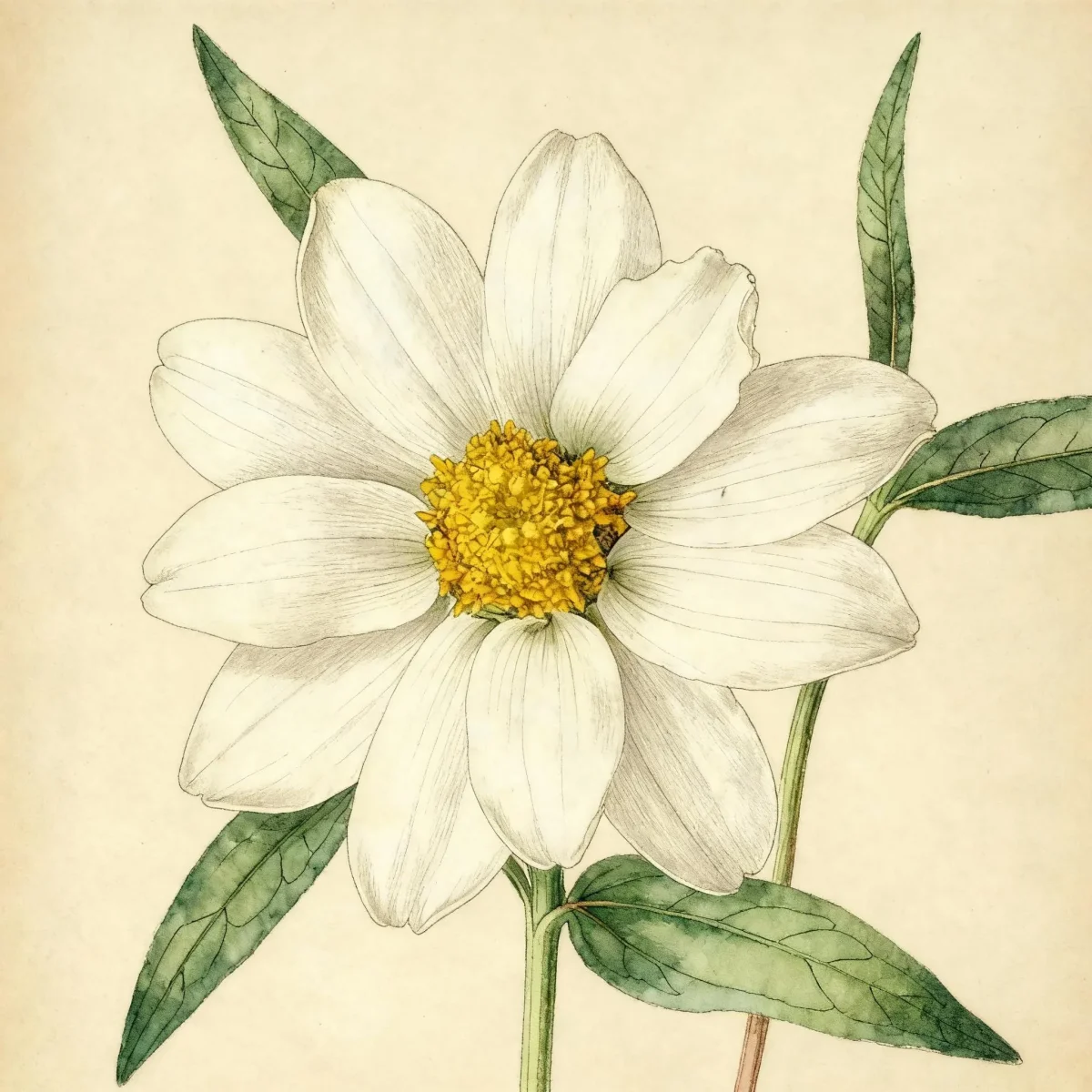
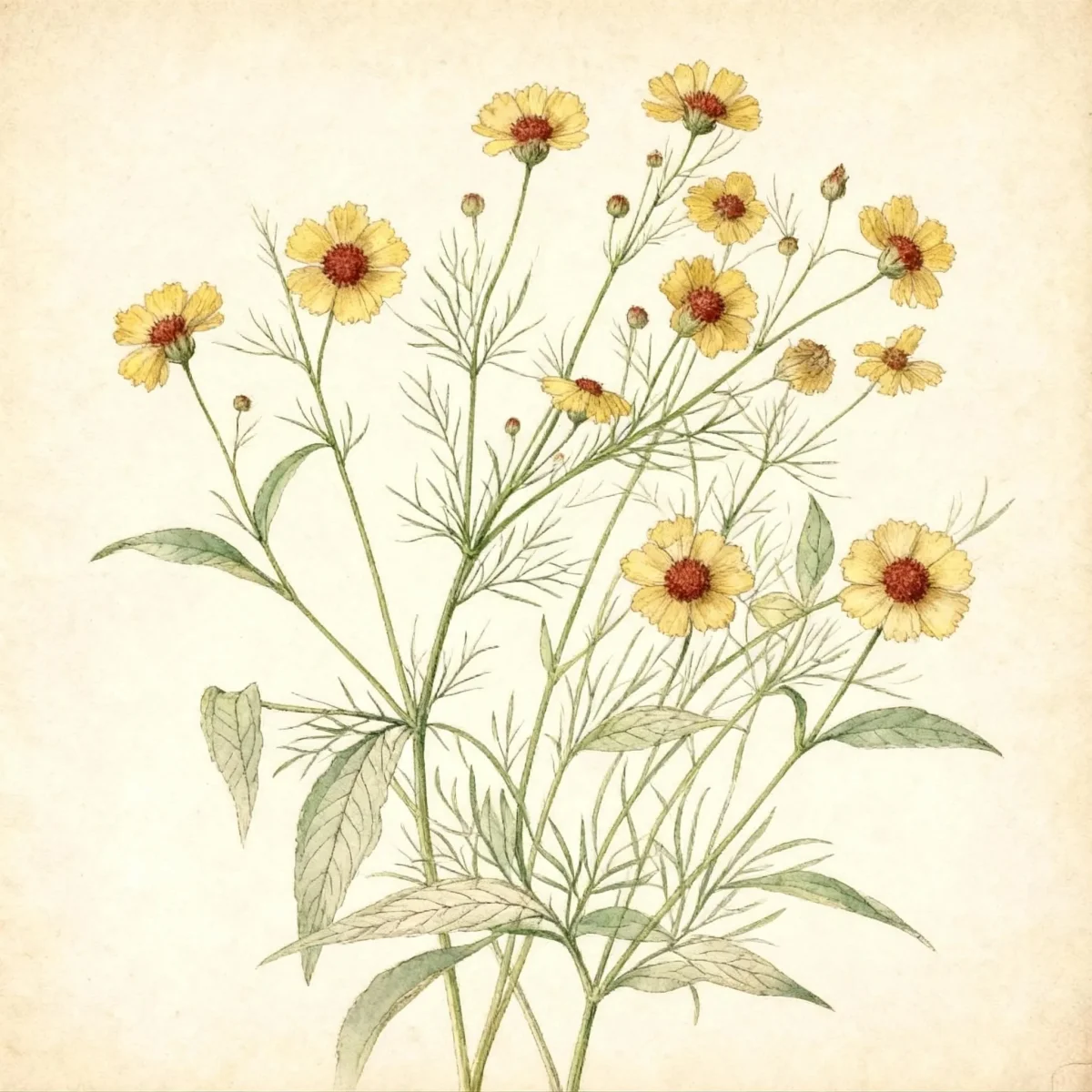
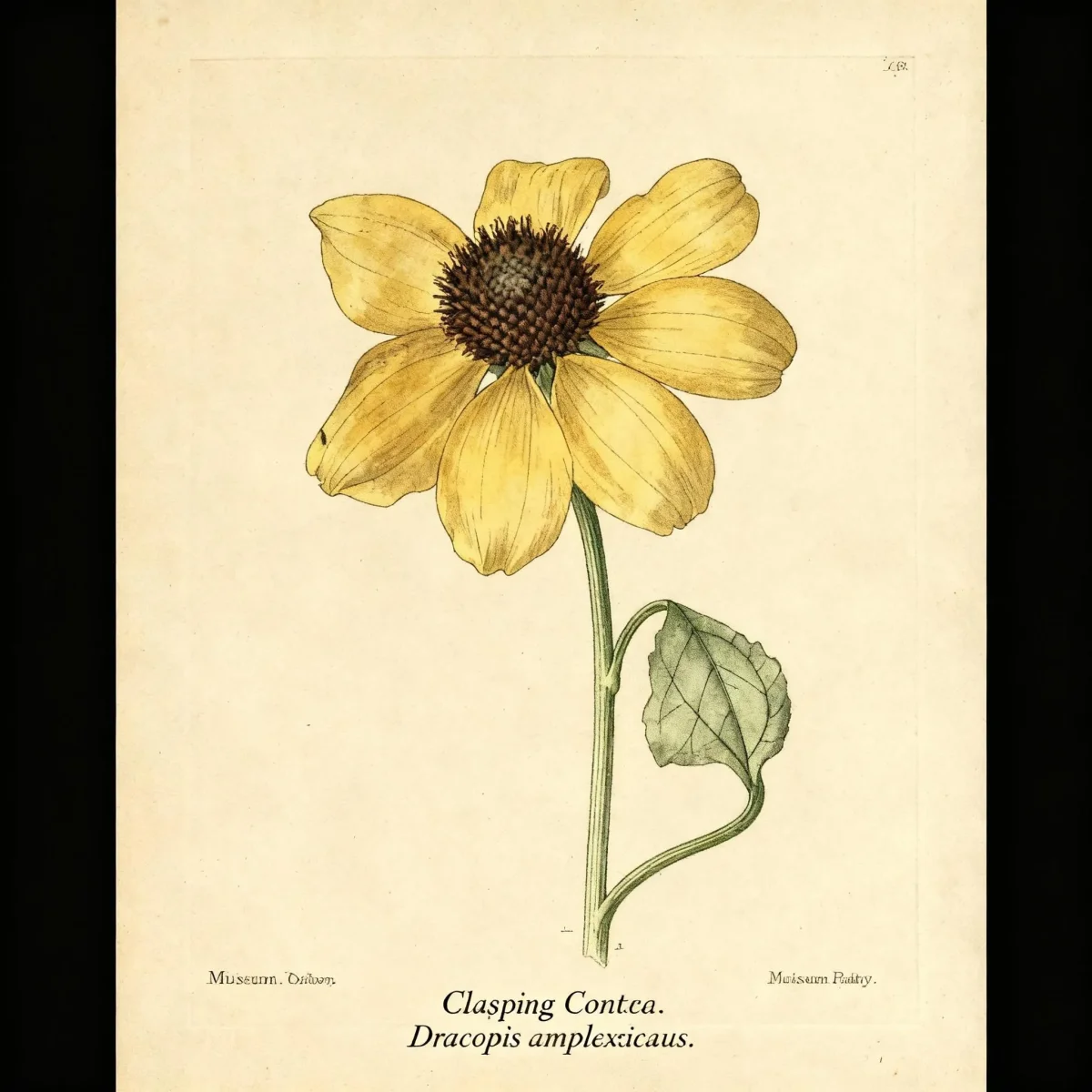
Dracopis amplexicaulis, commonly known as Clasping coneflower, brings reliable summer color to the garden with minimal fuss. This annual wildflower is easily recognized by its distinct leaves that clasp around the stem, a feature that gives this interesting composite its common name. Gardeners value this species for its resilience and its cheerful display of yellow, daisy-like blooms set against dramatic dark cones.
Native to the southeastern and southcentral United States, Dracopis amplexicaulis thrives in full sun and tolerates surprisingly dry conditions once established. It resembles the flower shape of Mexican Hat, though it is distinguished botanically by the presence of chaff behind the ray flowers. Its adaptability makes the Clasping coneflower an excellent choice for naturalized areas or sunny borders.
This sturdy annual typically reaches two feet tall, making it a pleasant mid-height addition that doesn’t overwhelm smaller plantings. Because Dracopis amplexicaulis readily self-seeds, gardeners can enjoy its return appearance year after year, creating an informal, cottage-garden feel throughout the hottest months.
Fast Facts
- Plant Family: Asteraceae
- Plant Type: Annual
- Native Range: Southeastern and southcentral United States
- Hardiness Zones: USDA Zones 2-11
- Size at Maturity:
- Height: 1.5-2 ft
- Spread: 1-1.5 ft
- Bloom Time: July to September
- Bloom Description: Yellow rays with dark brown center disk
- Sun Exposure: Full sun
- Water Needs: Dry to medium
- Maintenance Level: Low
How to Grow
Start Dracopis amplexicaulis from seed indoors around March 1 if you are aiming for the earliest possible bloom, particularly in cooler climates like the St. Louis area mentioned in its culture notes. Alternatively, you can sow seeds directly into the garden once the danger of frost has passed, which is also the recommended time for direct sowing. Seedlings should be transplanted outdoors after the last frost date.
This plant favors average, well-drained soils, preferring conditions that range from dry to medium moisture, though it performs perhaps best in organically rich, moist soils. While it tolerates light shade, Dracopis amplexicaulis achieves its best robust growth and bloom coverage in full, direct sunlight. It reliably handles heat and drought.
Maintenance is generally low. While it tolerates many soil types, avoid areas where the ground stays wet, as this species dislikes poorly-drained, overly moist conditions. Deadheading spent flowers is a worthwhile task; this encourages the Clasping coneflower to produce more blooms throughout the summer season and also helps manage any unwanted self-seeding if you prefer to control its location next year. It will happily return from self-seeding in subsequent seasons.
Landscape Uses
The primary uses for Clasping coneflower lie in informal settings where its resilient, self-seeding nature can be appreciated. It performs beautifully when integrated into beds and borders, providing a vertical element of clear yellow color late in the season. Its low maintenance needs also make it suitable for native plant areas or wildflower meadows where competition from surrounding grasses is managed.
Consider using Dracopis amplexicaulis as an excellent filler plant among taller perennials, or group it in drifts along the edges of sunny pathways. Because it is heat and drought-tolerant, it pairs well with other rugged natives that share similar sun and water requirements. Its bright yellow flowers contrast nicely with deep purple or blue companions.
As an annual, this species offers flexibility; you can place it where you need reliable color for just one season. It is also suited for large container displays where soil dryness might pose a problem for less tolerant species.
Standout Features
Flower Qualities
- Showy
Noteworthy Characteristics
Dracopis amplexicaulis is sometimes called clasping coneflower because its leaves clasp the stems. It is an annual that is native from Georgia to Texas north to Missouri and Kansas. This is a small-flowered glabrous composite that resembles Mexican hat (see Ratibida) in flower shape, typically growing 18-24” tall with flowers up to 2” across featuring columnar dark brown center disks bearing 5-10 drooping yellow ray flowers. Steyermark lists this plant in the monotypic genus Dracopis, distinguishing it from Rudbeckia by the presence of chaff subtending the ray flowers.
Tolerances
- Drought
Potential Problems
This Clasping coneflower generally boasts no serious insect or disease problems, which adds significantly to its low-maintenance appeal. Its tolerance for heat, drought, and varied soil conditions (excluding standing water) means gardeners rarely have to intervene with pest control or disease management. Focus your attention instead on ensuring adequate sunlight and proper drainage for optimal performance.
Frequently Asked Questions
What hardiness zones is Dracopis amplexicaulis suitable for?
The Clasping coneflower is exceptionally adaptable, thriving across a vast range from USDA Zones 2 through 11.
How large does Clasping coneflower grow?
This Dracopis amplexicaulis typically reaches a mature height between 1.5 and 2 feet tall, with a spread of 1 to 1.5 feet wide.
When does Dracopis amplexicaulis bloom?
This annual provides color from July straight through September, displaying beautiful yellow rays surrounding a dark brown central disk.
What sun exposure does Clasping coneflower need?
For the best vigor and most reliable bloom production, Dracopis amplexicaulis requires full sun exposure throughout the growing season.
Conclusion
The Clasping coneflower is a superb, resilient annual that offers long-lasting summer color and adaptability across nearly all hardiness zones. Its unique stem-clasping foliage and drought tolerance make Dracopis amplexicaulis a practical choice for busy gardeners. Before planting, verify your region falls within USDA Zones 2–11 and ensure a sunny location is available for this low-maintenance gem.
Companion Planting
When designing plantings around Dracopis amplexicaulis, focus on other species that share a preference for full sun and dry to medium soil conditions. Excellent companions are those that contrast in texture or color. Consider pairing the bright yellow blooms with deep purple or blue flowering types, such as Salvia or certain varieties of native bachelor’s buttons (Centaurea americana), which share a similar tolerance for drier summer conditions once established.
Since this plant is only an annual, it works well when allowed to pop up randomly within perennial borders, echoing the natural look of the prairies where it originates. Avoid placing it directly against aggressive perennials that might shade it out or compete too heavily for moisture, remembering that the Clasping coneflower prefers to be the star rather than a background player.
Propagation Tips
As an annual that readily self-seeds, the easiest way to maintain Dracopis amplexicaulis in your garden is to let nature take its course. Allow some flowers to fully mature and drop their seeds in late autumn; these seeds will germinate naturally the following spring. If you need to start seeds earlier or ensure better seed viability, treat it as specified in the culture notes: Start indoors about eight weeks before your last expected frost, or sow directly outdoors right at the last frost date.
Stratification is typically not required due to the recommended sowing times, but ensuring good soil contact for germination is key for direct-sown seed. For gardeners who prefer to collect seed for intentional placement or storage, wait until the seed heads have thoroughly dried on the plant. Harvesting before all seeds are dry may result in poor germination rates over winter.