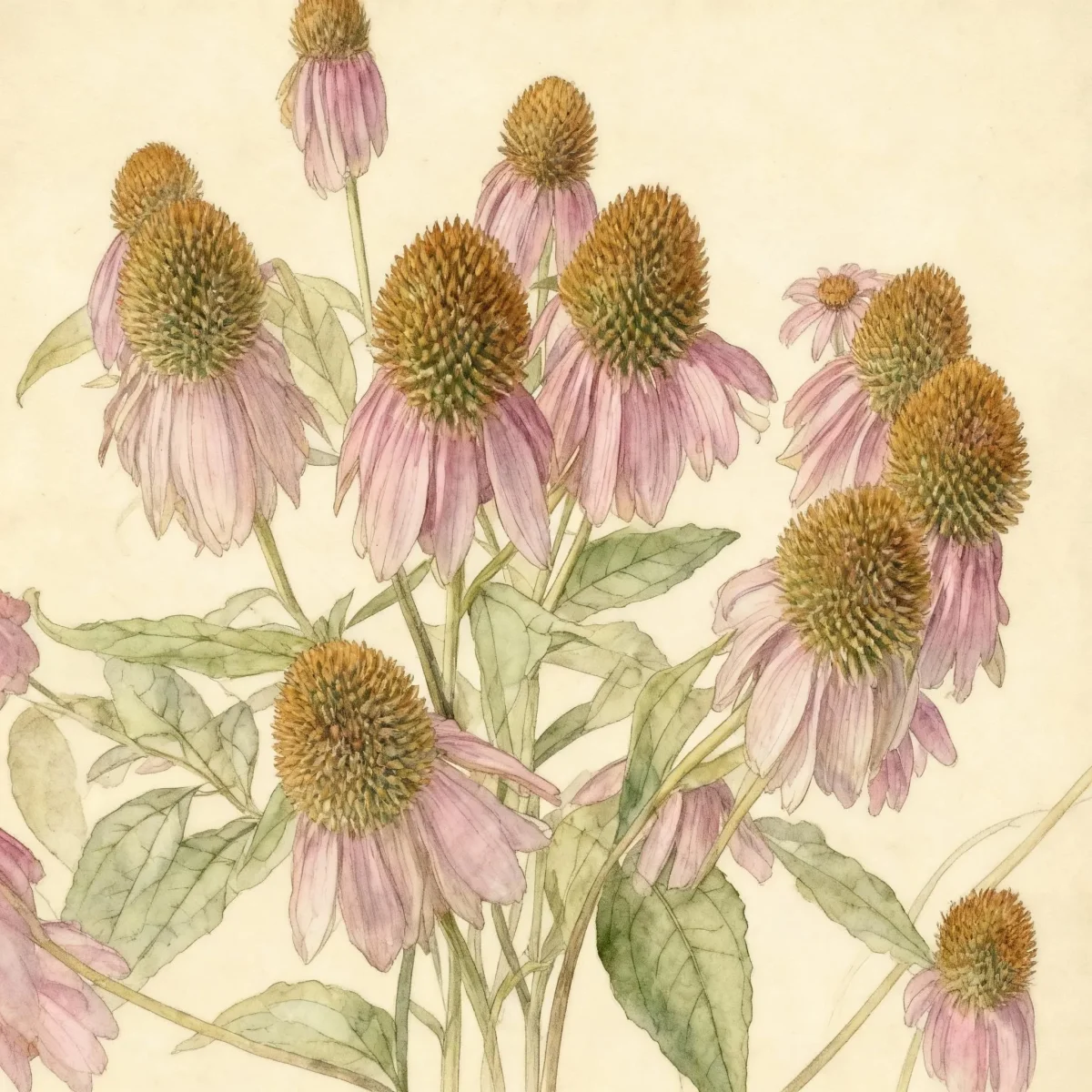
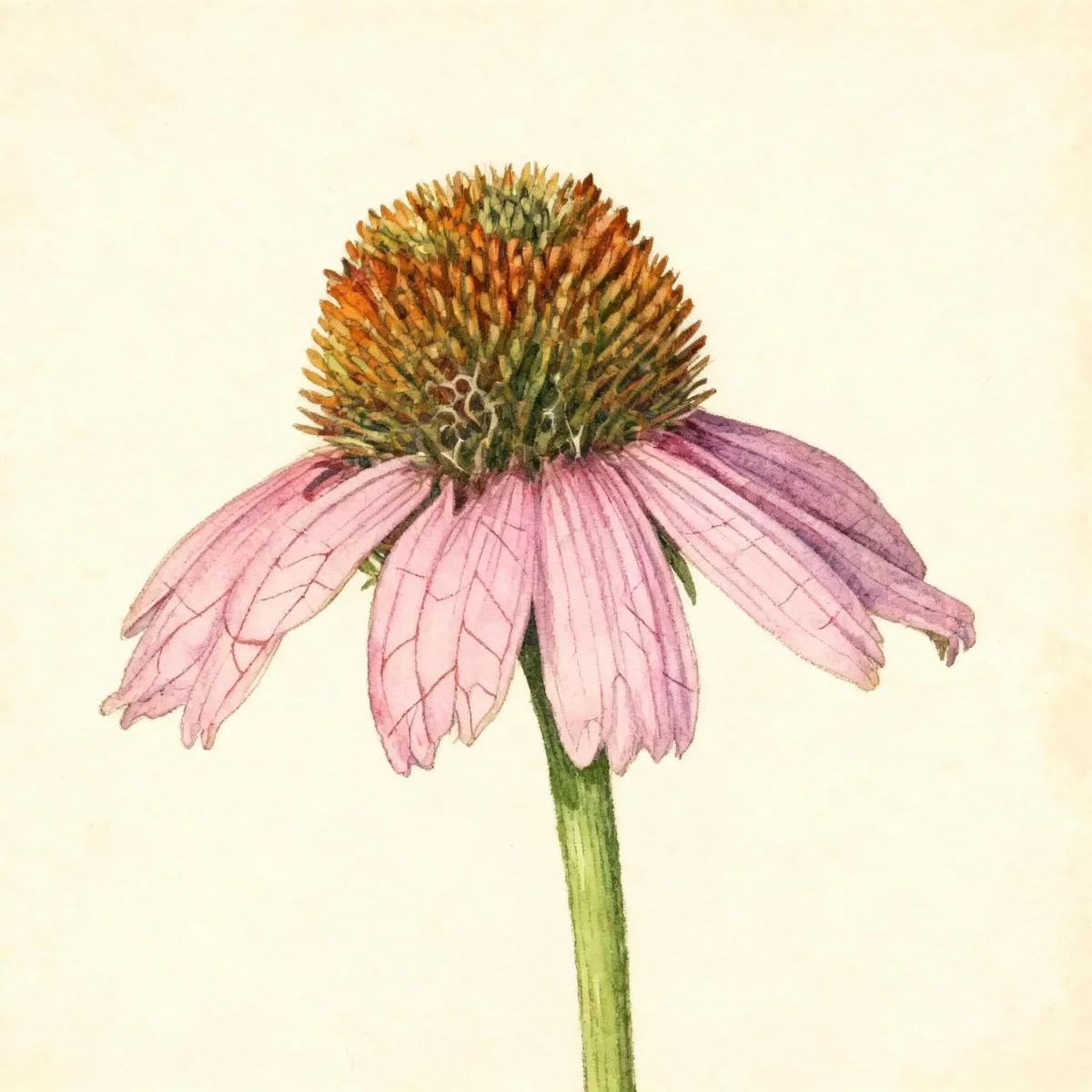
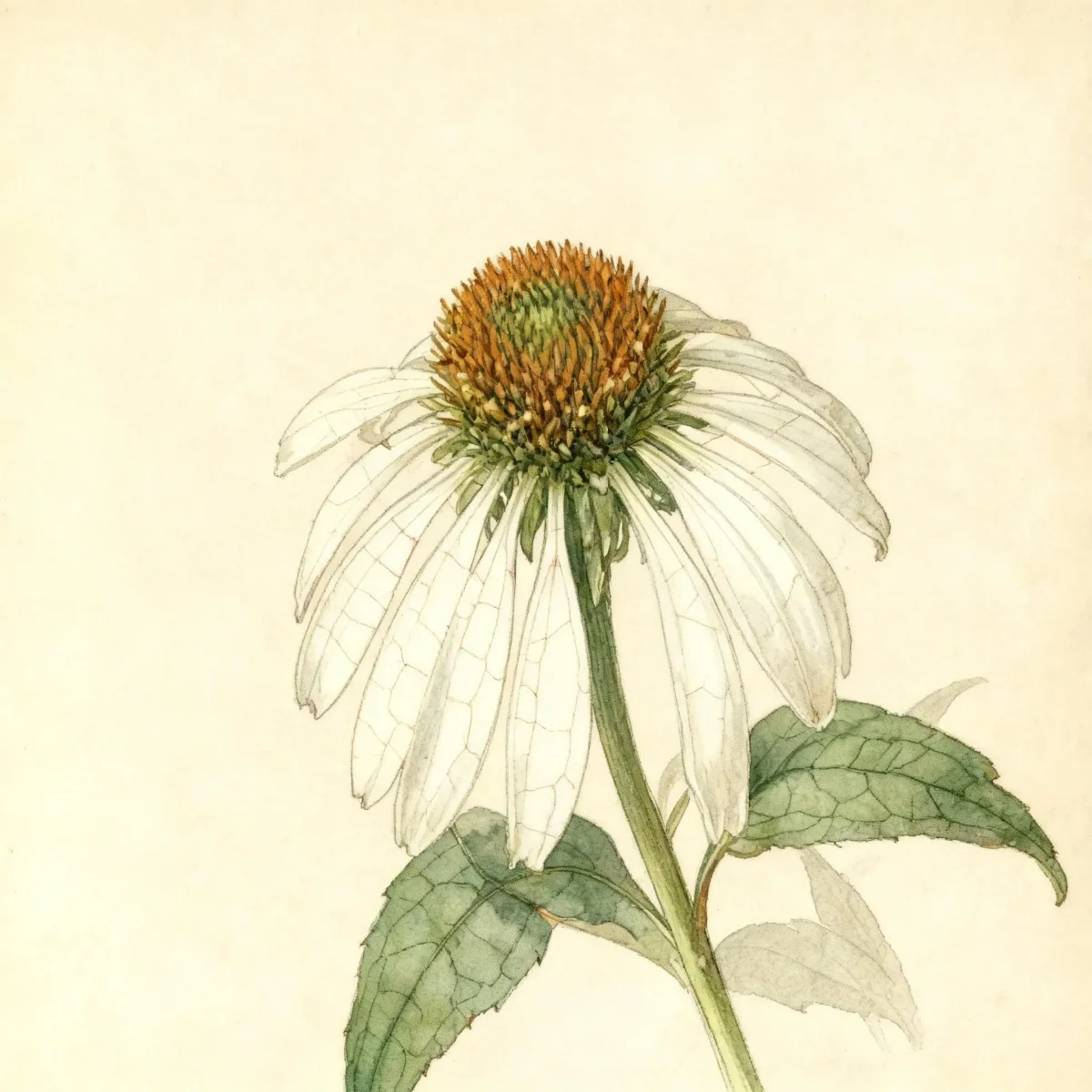
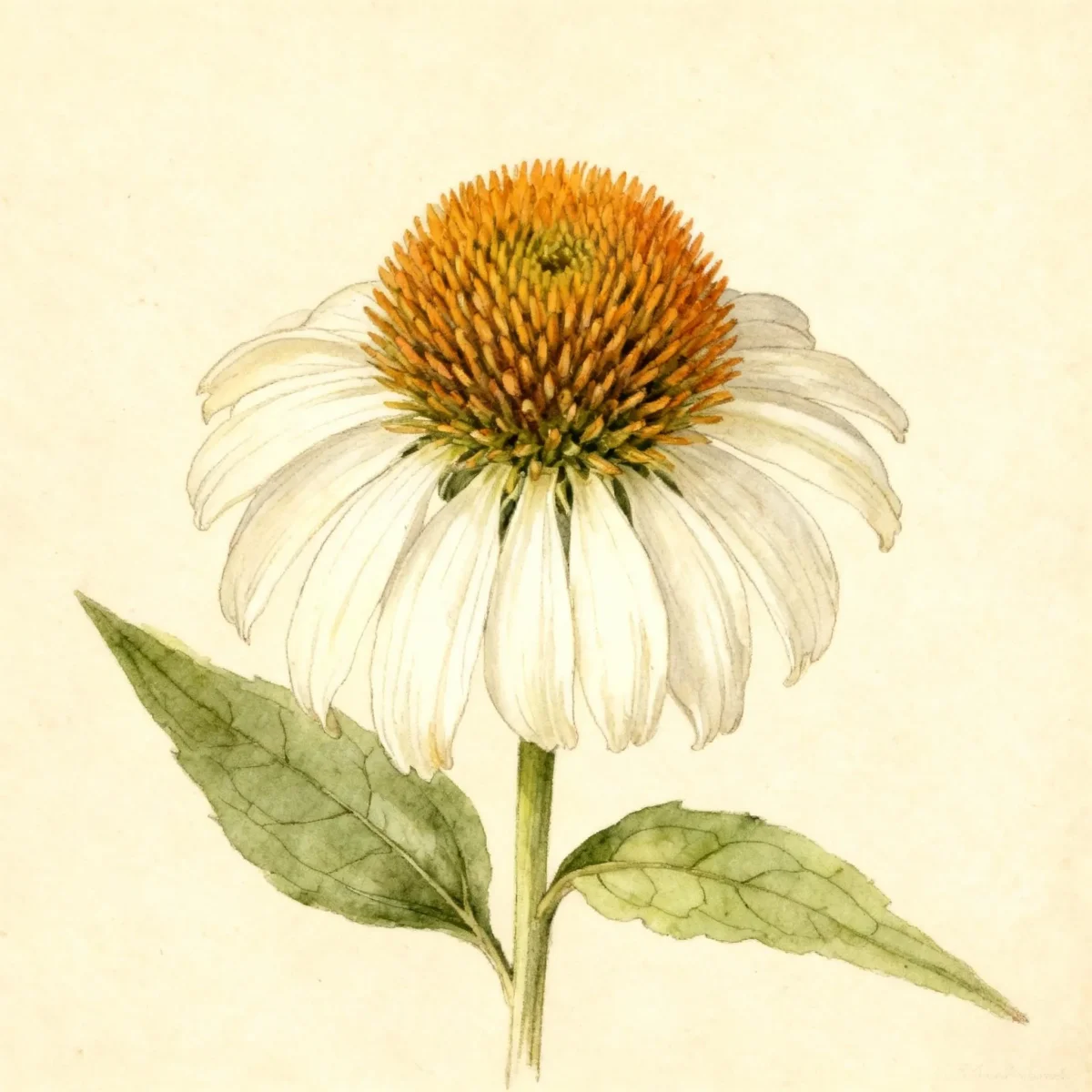
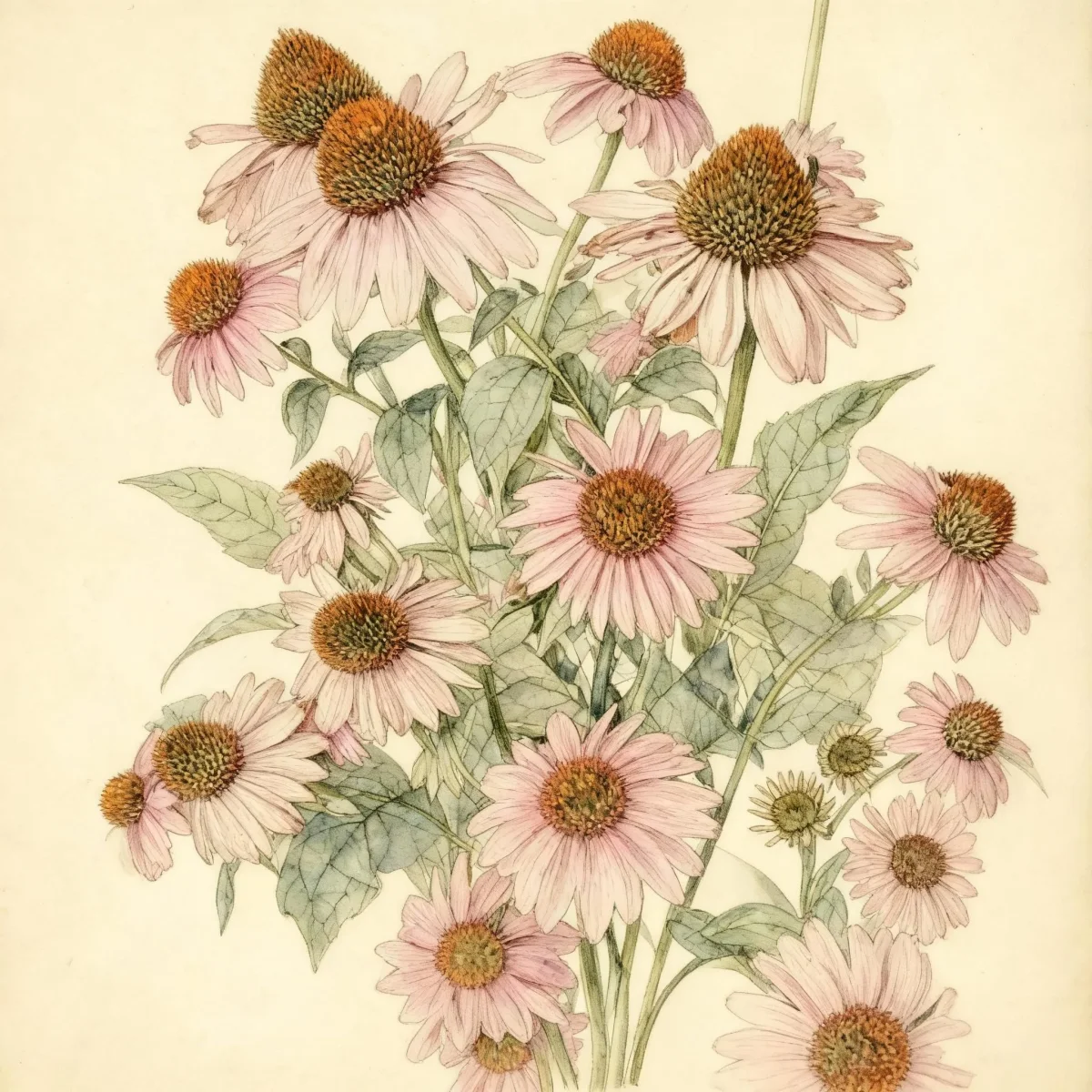
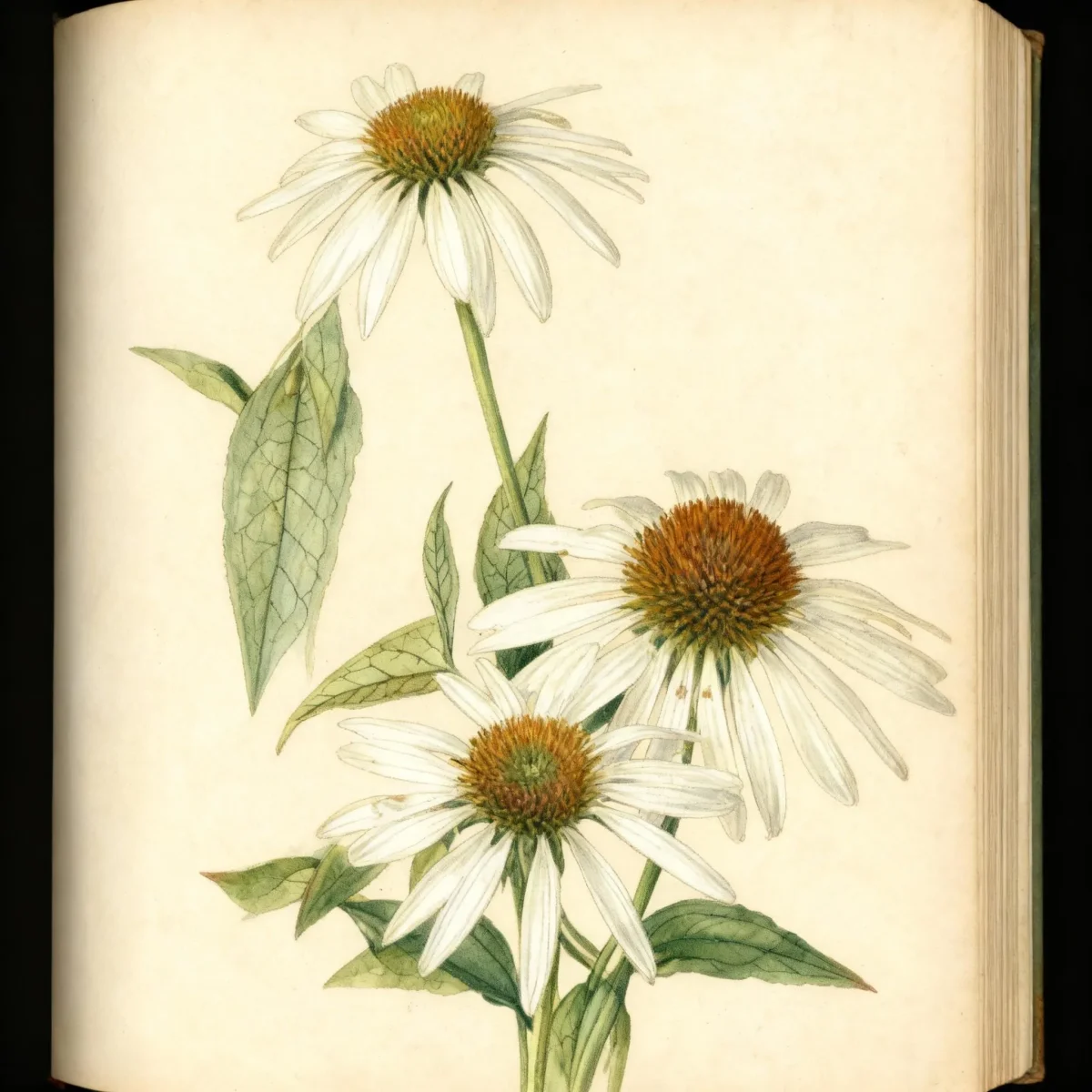
Pale purple coneflower (Echinacea pallida)
Discover Echinacea pallida, the Pale purple coneflower. A low-maintenance native offering showy, fragrant blooms in dry, sunny sites.
Scroll down to discover growing tips, care requirements, companion plants, and more
Complete Plant Information
Overview
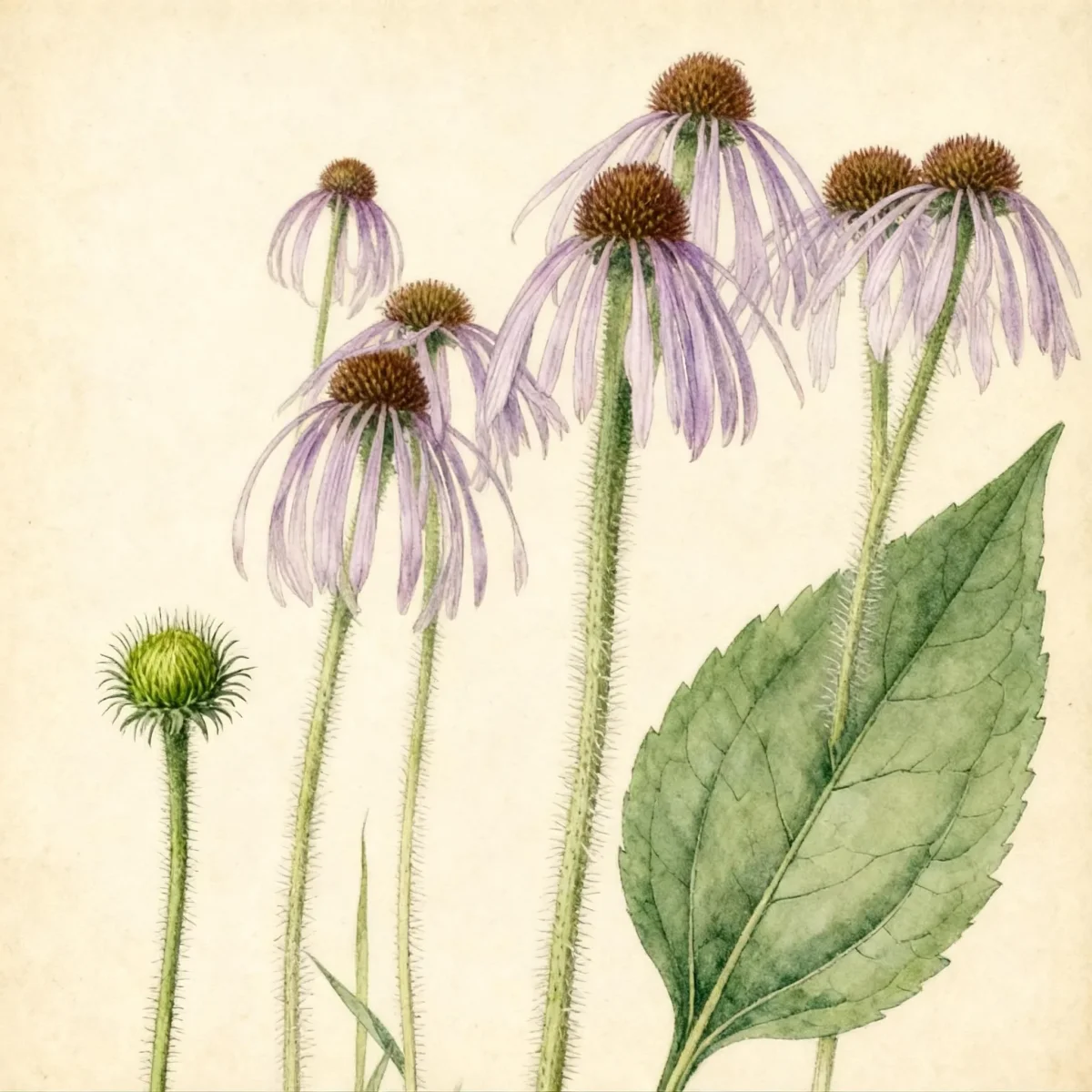
The Pale purple coneflower, Echinacea pallida, is a distinguished perennial celebrated for its unique prairie aesthetic and remarkable adaptability. Unlike some of its relatives, Echinacea pallida features strikingly narrow ray flowers that reflex or droop dramatically downward from the cone, lending it an airy, somewhat wild appearance in the landscape. This species thrives where many ornamental plants struggle, offering reliable summer color with minimal attention.
As a tough native of eastern and central North America, the Pale purple coneflower brings ecological value alongside its subtle beauty. It is highly tolerant of challenging conditions, including poor soils and periods of drought once established, making it an indispensable choice for sustainable gardening. Its spiny center cones persist long past flowering, providing architectural interest.
Gardeners seeking drought-tolerant structure should look closely at Echinacea pallida. Its cultural needs align perfectly with wildflower meadows, native borders, or south-facing slopes requiring tough, low-maintenance plantings that support local ecosystems.
Fast Facts
- Plant Family: Asteraceae
- Plant Type: Herbaceous perennial
- Native Range: Eastern and central North America
- Hardiness Zones: USDA Zones 3-10
- Size at Maturity:
- Height: 2-3 ft
- Spread: 1-1.5 ft
- Bloom Time: June to July
- Bloom Description: Pale purple
- Sun Exposure: Full sun to part shade
- Water Needs: Dry to medium
- Maintenance Level: Low
How to Grow
Echinacea pallida is easily established when planted in the spring or fall in locations receiving full sun for the best flower production. It prefers average, dry to medium, well-drained soil but is highly adaptable, tolerating heat, humidity, and particularly poor soils, including clay. Ensure the site has excellent drainage, as wet winter soil is the primary challenge for this plant.
Once established, watering requirements for the Pale purple coneflower are minimal, aligning with its low-water needs. Avoid rich fertilization, which can lead to weak, floppy stems rather than robust flowering. Plants usually rebloom without intervention, though deadheading spent flowers promptly will tidy the appearance.
Clumps of Echinacea pallida benefit from division roughly every four years when they begin to look overcrowded. If you intend to maximize winter interest and provide food for birds, leave some of the seedheads standing through the cold months. This species also readily self-seeds if these seed heads are not removed entirely.
Landscape Uses
The toughness and native status of the Pale purple coneflower make it excellent for large-impact, naturalized settings. It is highly recommended for mass planting within prairies, wildflower meadows, or naturalized areas where its relaxed, airy form can spread naturally. It also performs beautifully when incorporated into the middle or rear of a mixed perennial border, softening stronger upright forms.
Consider using Echinacea pallida in native plant gardens alongside other robust, drought-tolerant prairie species such as various Little Bluestem grasses or native Rudbeckia species. Its flowers are superb as fresh-cut material and retain their structure well when dried for everlasting arrangements.
For slightly shadier environments, this coneflower can tolerate part shade, making it suitable for the edges of a woodland garden where it still receives several hours of direct sun daily. The combination of its low maintenance and visual impact ensures it remains a staple in sustainable design.
Standout Features
Flower Qualities
- Showy
- Fragrant
- Good Cut
- Good Dried
Noteworthy Characteristics
Echinacea pallida, commonly known as pale purple coneflower, is a coarse, hairy perennial of prairies, savannahs, glades and open dry rocky woods. It features large, daisy-like flowers with thin, extremely-reflexed ray flowers which almost droop straight down, combined with spiny, knob-like, coppery-orange center cones. The genus name Echinacea references this spiny cone, recalling a hedgehog or sea urchin.
Tolerances
- Deer
- Drought
- Clay Soil
- Dry Soil
- Shallow-Rocky Soil
Potential Problems
All coneflowers are susceptible to aster yellows, a serious disease transmitted by leafhoppers, which causes stunting and distorted growth. Fungal and bacterial leaf spots can also occur, especially in humid conditions or where air circulation is poor. Gardeners should regularly inspect plants for early signs of these issues.
Pest pressure is generally low, but be watchful for erythroid mites and Japanese beetles, which can chew on foliage and flowers. Proper plant spacing, ensuring full sun exposure, and avoiding overhead irrigation can reduce the incidence of fungal diseases affecting the foliage of Echinacea pallida.
Frequently Asked Questions
What hardiness zones is Pale purple coneflower suitable for?
The Pale purple coneflower is hardy across USDA Zones 3 through 10.
How large does Echinacea pallida grow?
This perennial typically reaches a height between 2 to 3 feet and spreads between 1 to 1.5 feet wide at maturity.
What sun exposure does Echinacea pallida need?
For optimal performance and bloom density, Echinacea pallida requires full sun, though it can tolerate periods of part shade.
When does Pale purple coneflower bloom?
It produces its distinctive pale purple flowers primarily from June into July, often continuing sporadically into autumn.
Conclusion
The Echinacea pallida offers gardeners a resilient, beautiful native plant ideal for low-input gardening styles. Its distinctive drooping petals and high tolerance for drought and poor soil make the Pale purple coneflower a powerhouse in any sunny, dry location. Check your local USDA hardiness zone and plan to incorporate this adaptable beauty into your garden before the next planting season begins.
Companion Planting
Selecting companions for Echinacea pallida should prioritize plants that share its preference for sharp drainage and full sun. Native grasses are excellent partners, such as Little Bluestem (Schizachyrium scoparium) or Prairie Dropseed (Sporobolus heterolepis), which offer fine texture contrast to the coarser habit of the coneflower. These pairings replicate the natural prairie environment where Echinacea pallida thrives.
For flowering companions in the border, consider plants that bloom slightly earlier or later to ensure continuous seasonal interest. Salvia species, especially drought-tolerant varieties like Salvia nemorosa, pair well visually with the pale purple tones well into the summer. Conversely, late-blooming perennials like Liatris (Blazing Star) will complement the structure as the coneflower fades.
Wildlife Benefits
The central cone of the Echinacea pallida is a significant resource once the petals drop. These cones are loaded with seeds that become a vital late-season and winter food source for numerous small songbirds, including finches. Allowing the seedheads to remain standing over winter accomplishes both natural feeding support and structural interest for the dormant garden.
In addition to avian benefits, the nectar-rich blooms of the Pale purple coneflower attract a wide array of pollinators throughout the summer. Bees and butterflies are reliably drawn to the open flower heads, making this an essential component for any pollinator garden or habitat restoration project in zones 3 through 10.