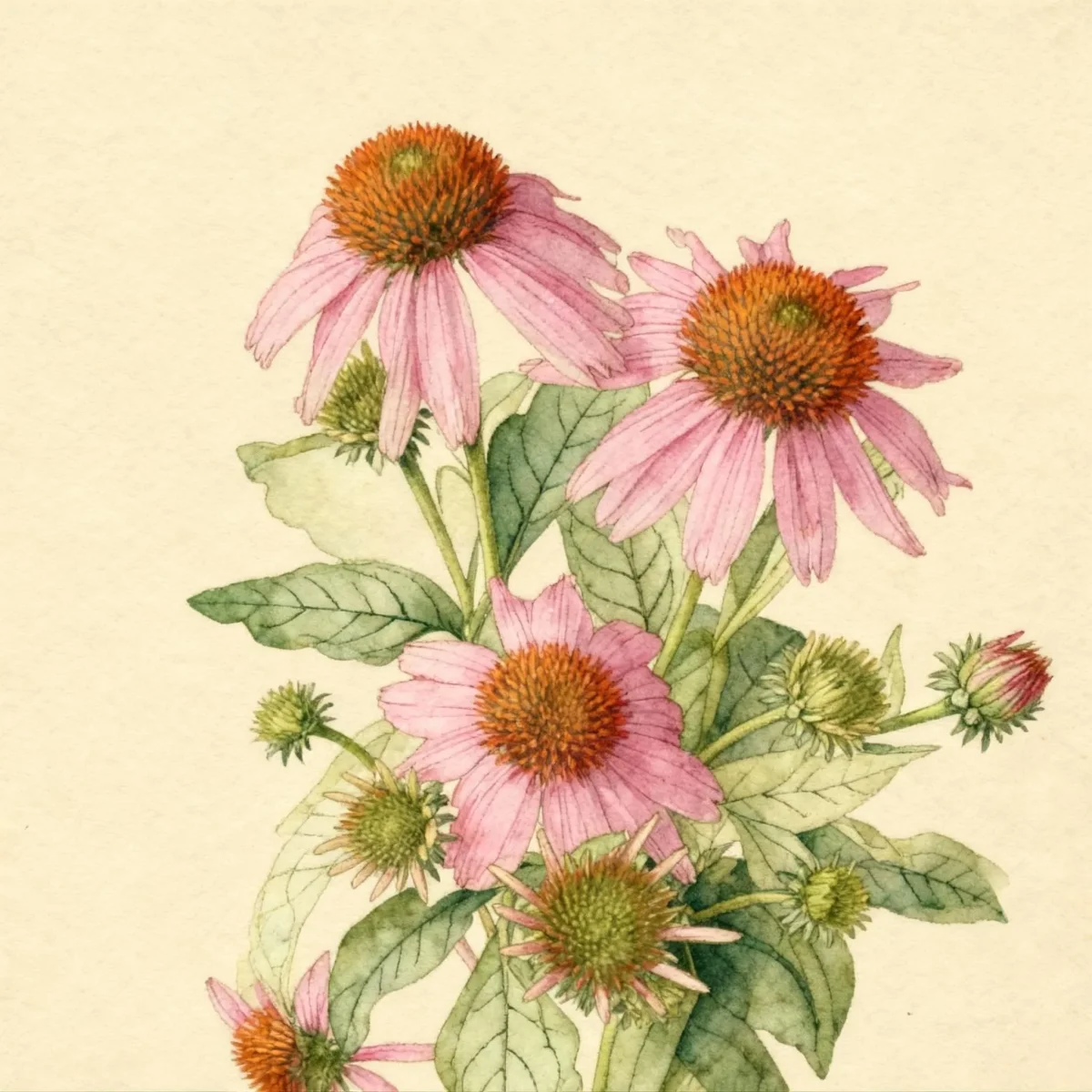
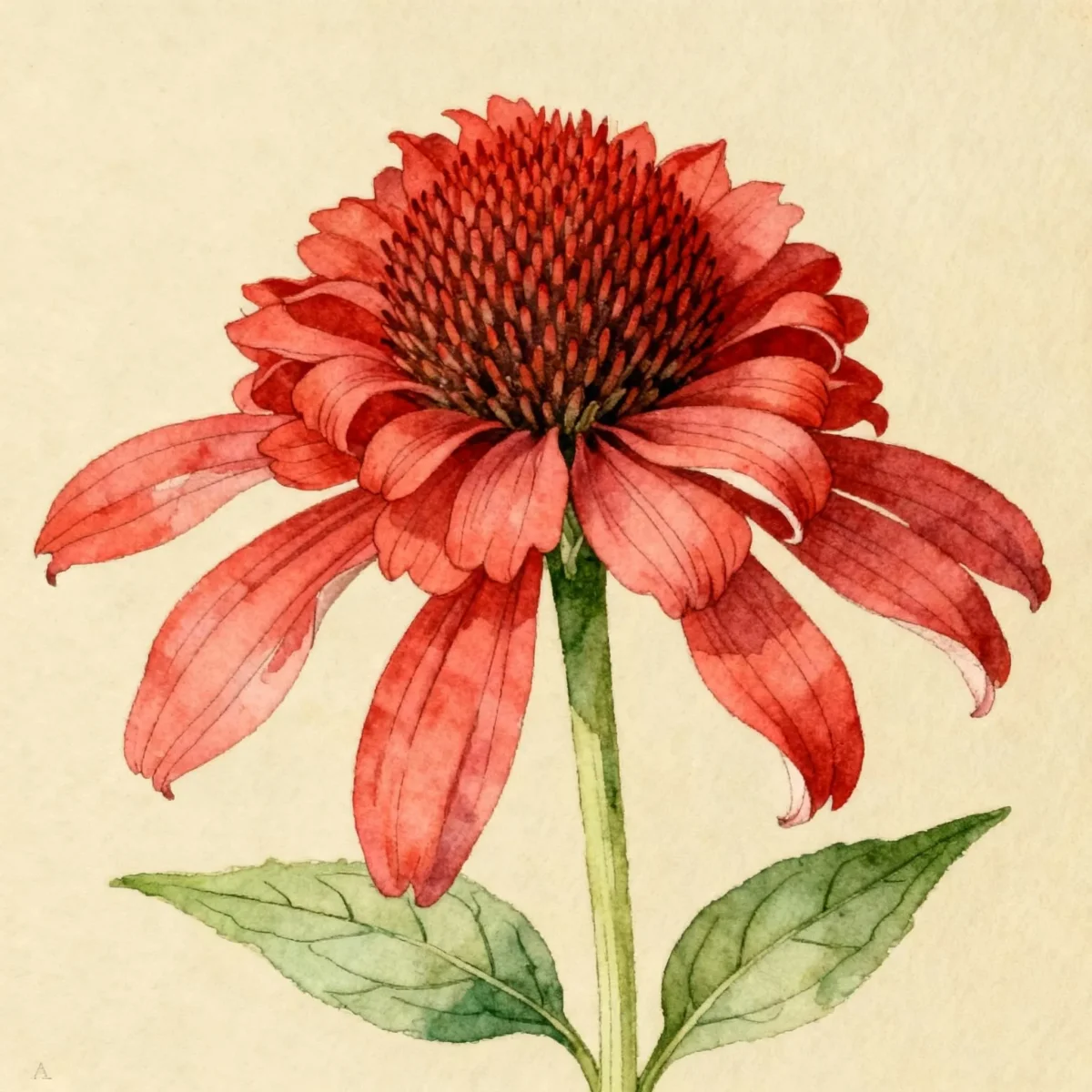
Glade coneflower (Echinacea simulata)
Discover Echinacea simulata (Glade coneflower), a low-maintenance native perennial offering pale pinkish-purple summer flowers durable in dry, clay soils.
Scroll down to discover growing tips, care requirements, companion plants, and more
Complete Plant Information
Overview
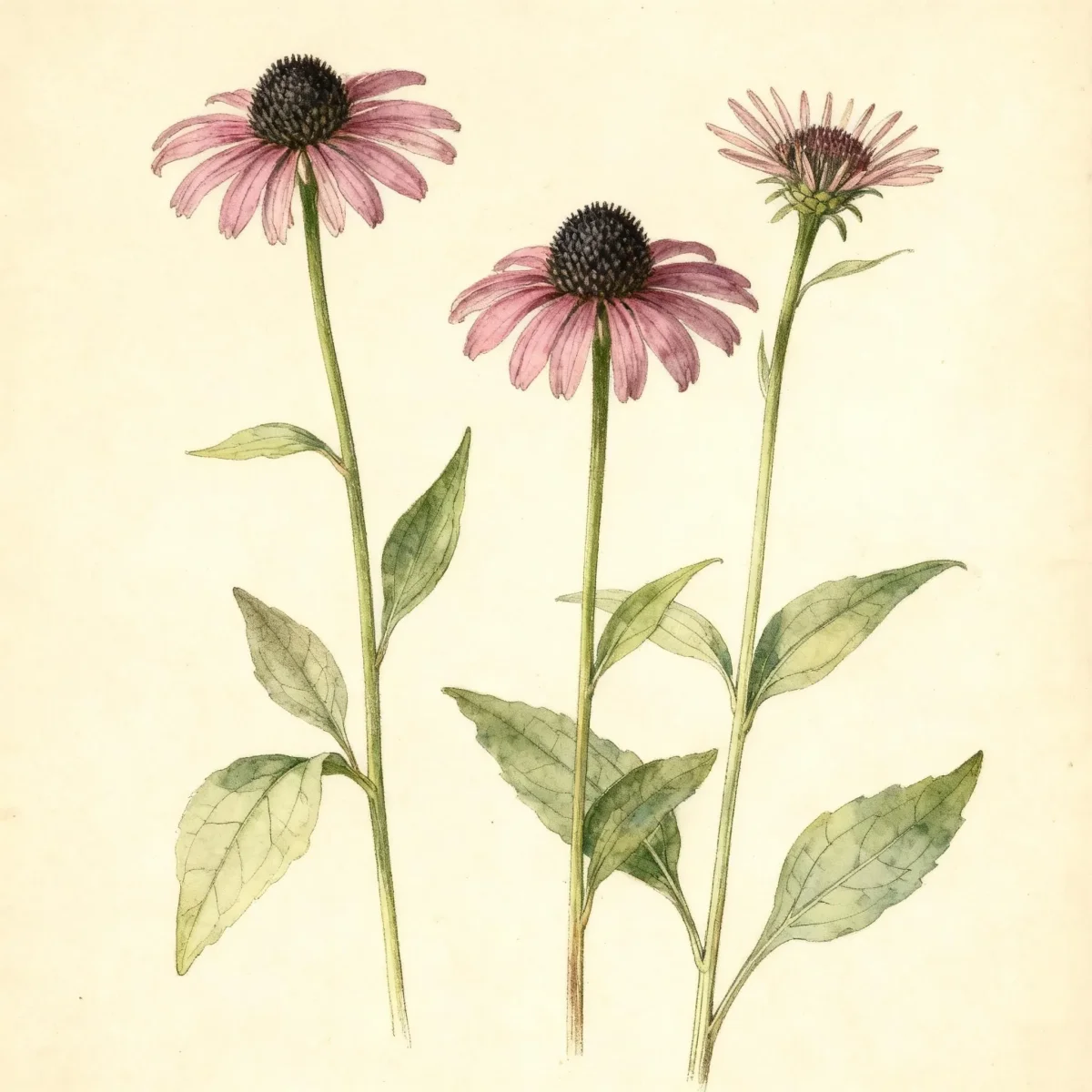
The Glade coneflower (Echinacea simulata) is a highly adaptable perennial native to the rocky glades and woodlands of the Central United States, providing essential summer color. Gardeners value this species for its rugged constitution and striking daisy-like flowers featuring drooping pale pinkish-purple petals surrounding a distinctive coppery-orange cone. As a low-maintenance native, Echinacea simulata enhances ecological function, supporting local wildlife while thriving in challenging soil conditions often avoided by other ornamental varieties.
This species offers a long bloom period generally peaking in late June through July, making it a reliable feature in the mid-summer garden. Its tolerance for challenging sites—including dry, clay, or shallow-rocky soils—means the Glade coneflower is an excellent choice for naturalized areas or borders where irrigation might be sparse. Proper placement ensures this tough perennial establishes easily and returns reliably year after year.
Keep an eye out for subtle differences distinguishing Echinacea simulata from its more common relatives; its unique yellow pollen on the anthers sets it apart from the white pollen found on Echinacea pallida. This beautiful and resilient Echinacea simulata offers exceptional texture and structure to any planting scheme.
Fast Facts
- Plant Family: Asteraceae
- Plant Type: Herbaceous perennial
- Native Range: Central United States
- Hardiness Zones: USDA Zones 5-8
- Size at Maturity:
- Height: 2-3 ft
- Spread: 1-2 ft
- Bloom Time: June to July
- Bloom Description: Pale pinkish-purple
- Sun Exposure: Full sun to part shade
- Water Needs: Dry to medium
- Maintenance Level: Low
How to Grow
For the best performance, establish Echinacea simulata during the spring or fall. Choose a location receiving full sun, although it will tolerate light afternoon shade; intense sun usually yields the best flower production. This plant demands well-drained soil; while it is adaptable to clay, excessive sogginess, especially in winter, must be avoided.
Once established, the Glade coneflower is remarkably resilient, handling drought, heat, and even humidity with ease, making it perfect for xeriscaping or low-input gardens. Avoid heavy fertilization, as rich soil often leads to floppier stems, which detracts from its naturally rigid habit. Water deeply when conditions are very dry, especially during the first year of establishment.
Routine maintenance is minimal. While the plants usually rebloom without intervention, prompt removal of faded flowers can encourage repeat blooming and neaten the overall appearance before autumn. If clumps become overcrowded, typically every four years, plan to divide them in early spring or fall. Furthermore, leaving some spent seed heads standing through winter offers structural interest and provides valuable food sources for goldfinches.
Landscape Uses
Echinacea simulata integrates beautifully into several garden styles due to its vertical structure and drought tolerance. It excels when massed in borders, creating drifts of pale color that transition well from the mid-border to the front. Because of its resilience in poor soils, the Glade coneflower is a cornerstone for native plant gardens and wildflower meadows where competition is high.
Consider planting it alongside other sun-loving, tough perennials that share its dry soil tolerances, such as native grasses, Coreopsis, or Rudbeckia. For dramatic contrast, pair the airy structure of the coneflower with dense foliage plants. The height of the Echinacea simulata also makes it an excellent textural element in rock gardens or naturalized areas seeking an authentic meadow look.
Standout Features
Flower Qualities
- Showy
Noteworthy Characteristics
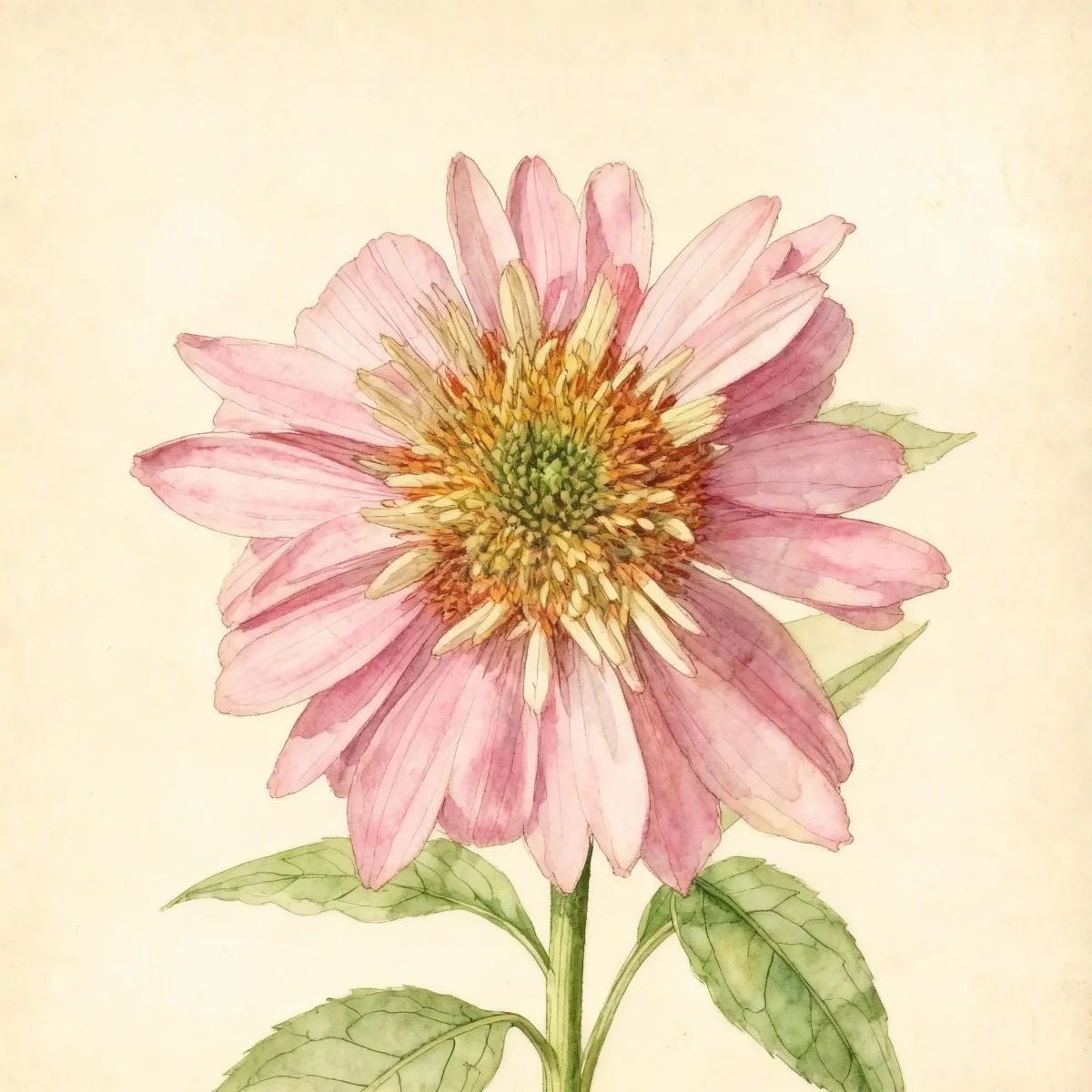
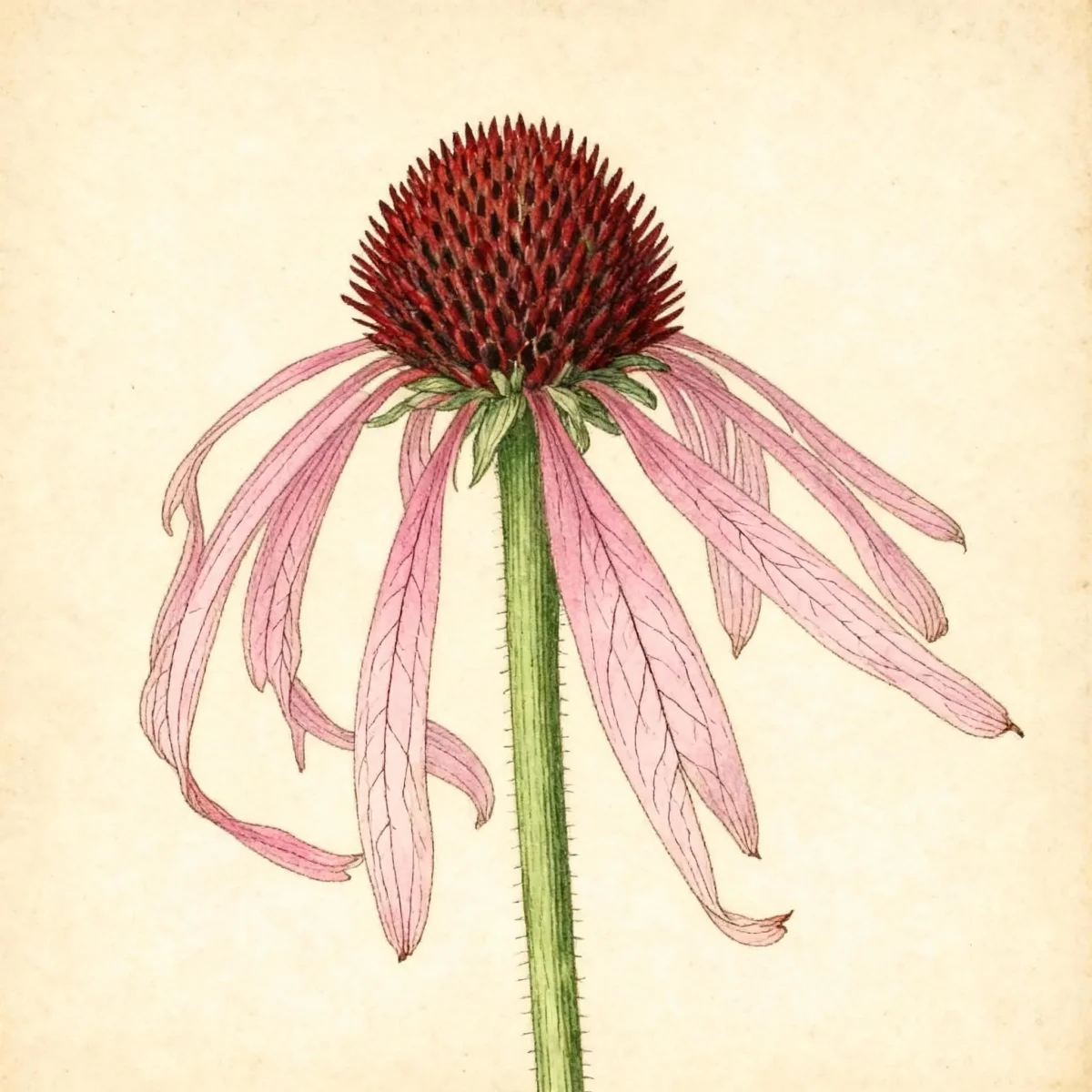
Echinacea simulata, commonly called wavyleaf purple coneflower or glade coneflower, is native to rocky, woodland openings, prairies, and glades primarily in the Ozarks with disjunct populations from Illinois and Indiana south through Kentucky and Tennessee to northern Alabama and Georgia. It is very similar to the more wide-spread Echinacea pallida, except for the pollen color on the anthers: E. Simulata is yellow, but E. Pallida is white. Features very narrow, parallel-veined, toothless, dark green leaves (4-10” long) and large, daisy-like flowers with drooping, pale pinkish-purple petals (ray flowers) and spiny, flattened-knob-like, coppery-orange center cones. Flowers appear on rigid stems to 3’ tall over a long summer bloom.
Tolerances
- Deer
- Drought
- Clay Soil
- Dry Soil
- Shallow-Rocky Soil
Potential Problems
All coneflowers are susceptible to aster yellows and various fungal and bacterial leaf spots. Aster yellows, especially, can cause severe distortion of flowers and leaves, and infected plants should generally be removed and discarded (not composted) to limit disease spread. Fungal spots, common in humid conditions, are often manageable by ensuring good air circulation around the plants; improve spacing if necessary. Watch for erythroid mites and Japanese beetles, which can chew foliage or attack developing buds; manual removal or targeted insecticidal soap application may be required for severe infestations.
Frequently Asked Questions
What hardiness zones is Glade coneflower suitable for?
The Echinacea simulata is generally hardy and thrives in USDA Zones 5 through 8.
How large does Glade coneflower grow?
This perennial typically reaches a height between 2 to 3 feet, with a spread spanning 1 to 2 feet.
When does Glade coneflower bloom?
Echinacea simulata produces its characteristic pale pinkish-purple flowers primarily from June into July.
What sun exposure does Glade coneflower need?
This plant performs best when given full sun, but it is adaptable enough to handle part shade conditions effectively.
Conclusion
The Glade coneflower (Echinacea simulata) offers exceptional native beauty combined with remarkable toughness, standing out for its ability to thrive in dry, poorer soils. Its low maintenance requirement and extended summer bloom make it a staple for sustainable gardening and wildlife support. Before planting, ensure your site offers at least partial sun exposure and good drainage, making the Echinacea simulata a fantastic addition to your regional landscape palette.
Companion Planting
When selecting neighbors for your Echinacea simulata, focus on species that share its preference for full sun and dry to medium soil conditions. Prairie Dropseed (Sporobolus heterolepis) provides fine, airy texture that contrasts beautifully with the bold cones of the coneflowers. Other excellent, similarly rugged companions include various native Salvias, certain varieties of leadwort (Amsonia), and perennial Phlox that are adapted to drier sites.
Wildlife Benefits
The flowering structure of Echinacea simulata is highly attractive to a wide array of beneficial insects. The large, accessible cones serve as landing pads for numerous native bees and butterflies throughout the mid-summer season. Furthermore, as mentioned, leaving the blackened seed heads intact through winter is crucial for supporting local bird populations, particularly goldfinches, who rely on these seeds when other food sources diminish.