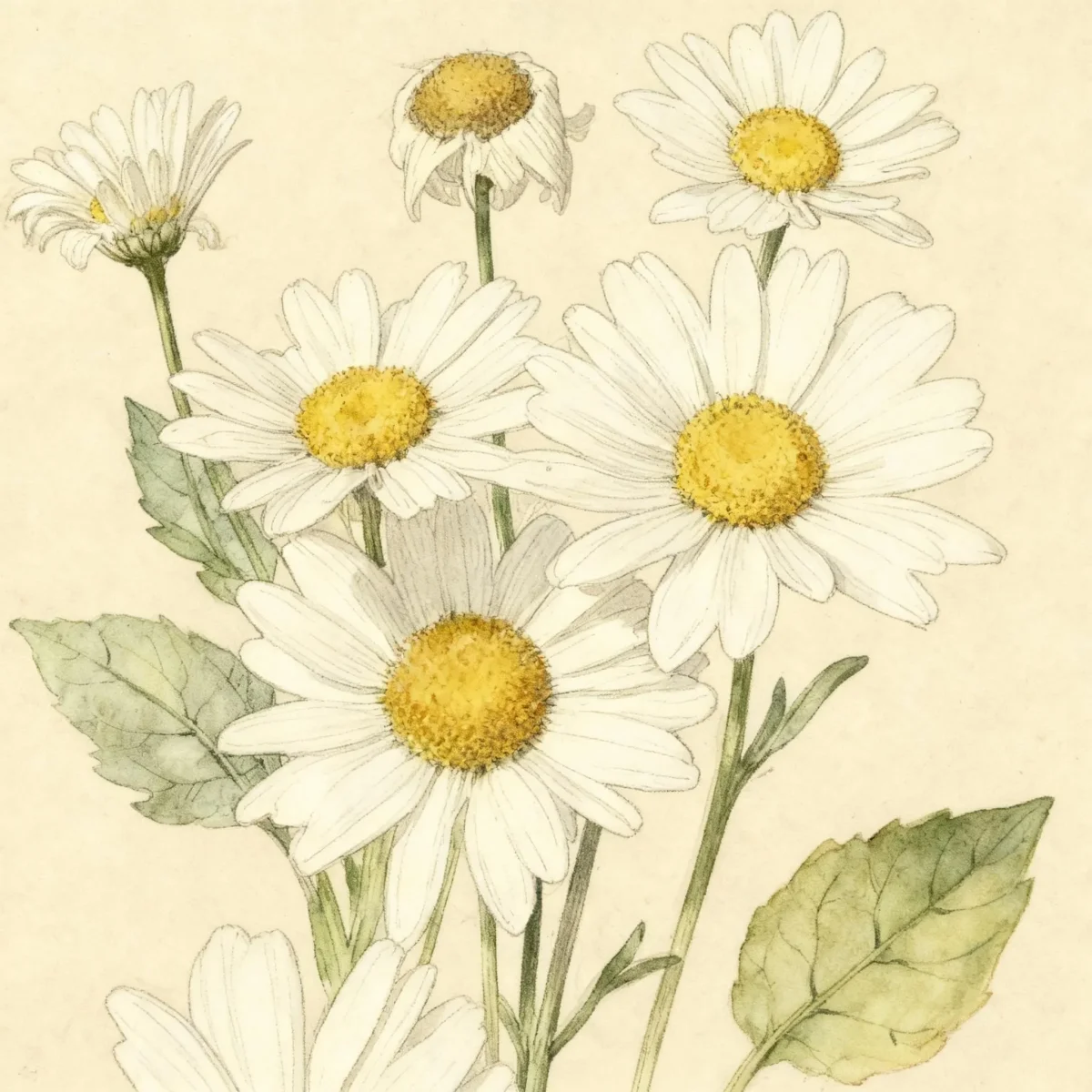
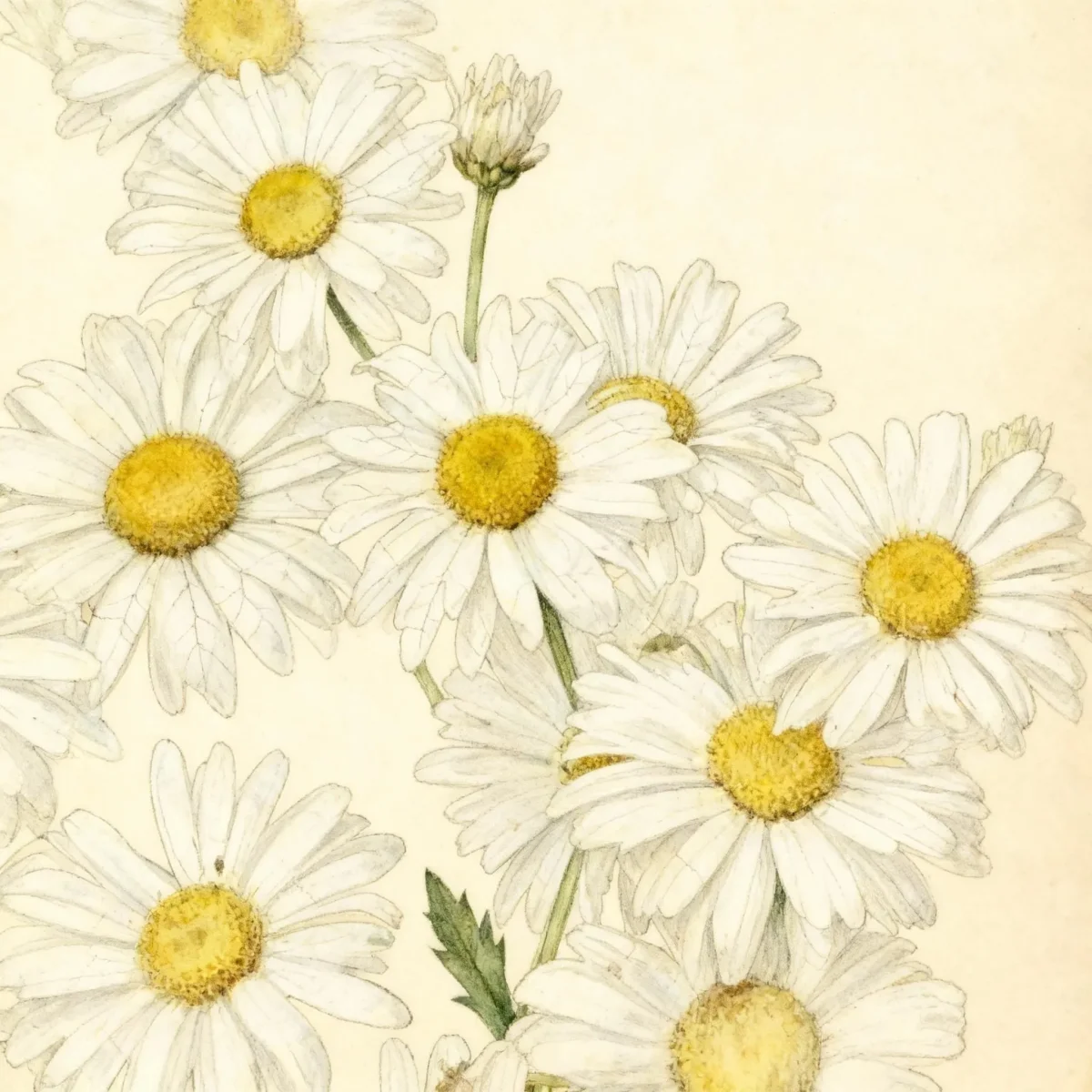
Rosinweed sunflower (Helianthus silphioides)
Rosinweed sunflower (Helianthus silphioides) is a stunning, low-maintenance perennial boasting yellow flowers from late summer to fall.
Scroll down to discover growing tips, care requirements, companion plants, and more
Complete Plant Information
Overview
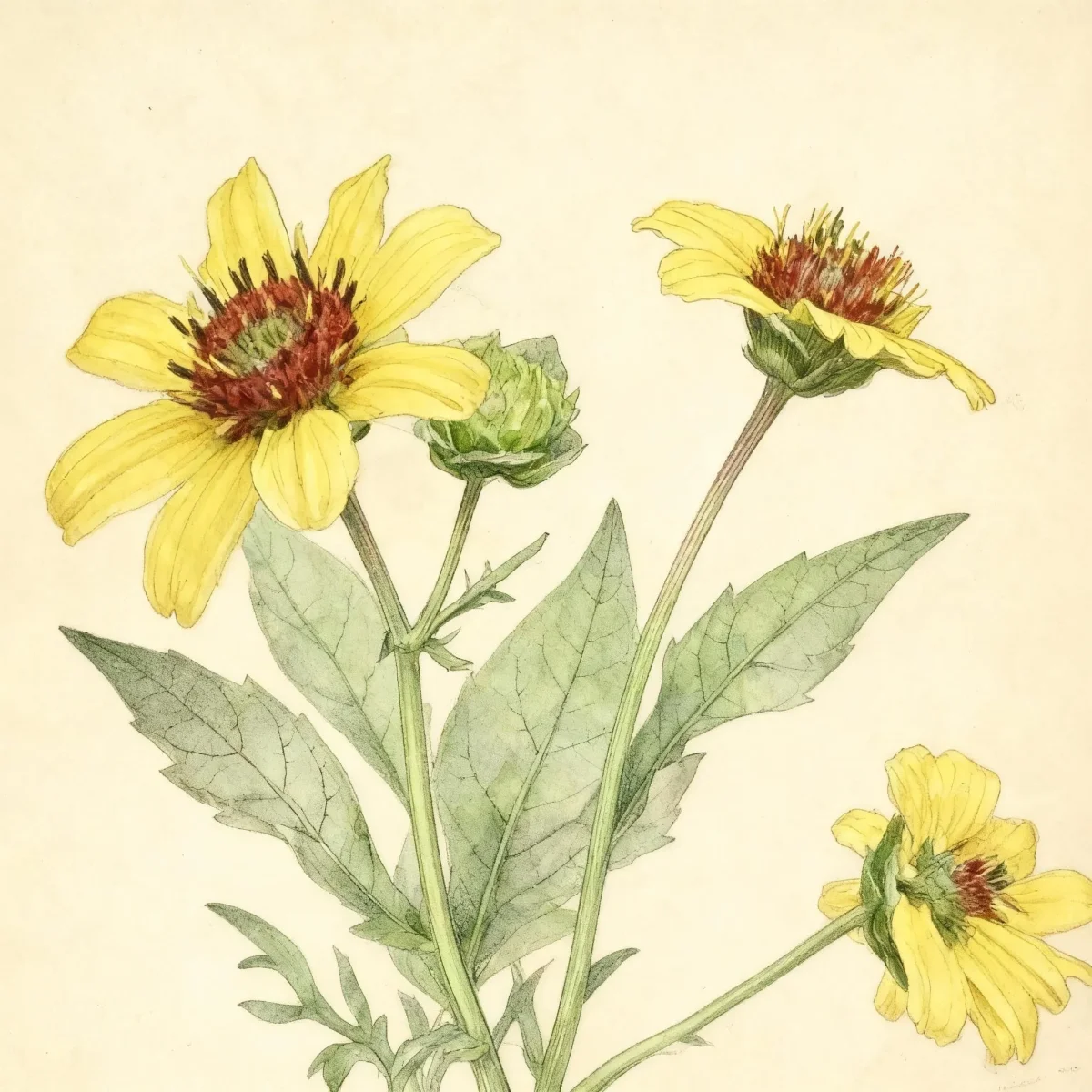
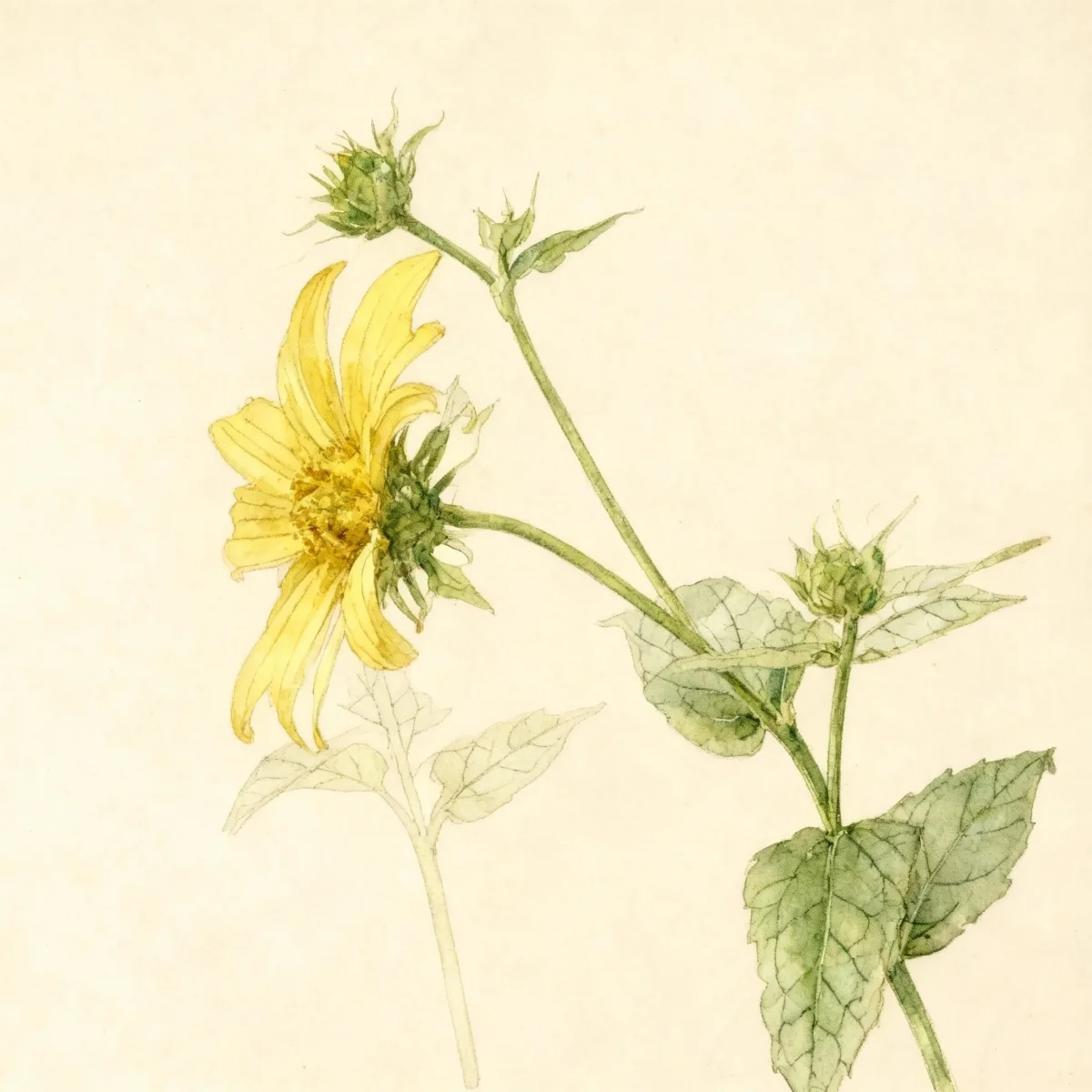
The Rosinweed sunflower, Helianthus silphioides, brings bold vertical interest to the late-season garden. This herbaceous perennial is valued for its towering height and striking flowers, which feature bright yellow rays contrasting beautifully with deep, reddish-purple centers. As a native species, Helianthus silphioides thrives in challenging conditions once established.
Gardeners value this plant for its low-maintenance profile and resilience against pests like deer. It offers excellent structure in naturalized settings, providing necessary nectar sources for pollinators well into autumn when many other blooms are fading. Planting Helianthus silphioides ensures reliable, late-season color.
Its vigorous growth habit allows it to reach impressive heights, making it ideal for backgrounds in mixed borders or filling large, sunny spaces in meadow restorations. The specific epithet of Helianthus silphioides notes its resemblance to plants in the Silphium genus, offering a familiar sunflower look with unique robustness.
Fast Facts
- Plant Family: Asteraceae
- Plant Type: Herbaceous perennial
- Native Range: Southeastern and southcentral United States
- Hardiness Zones: USDA Zones 5-9
- Size at Maturity:
- Height: 3-10 ft
- Spread: 1-5 ft
- Bloom Time: August to October
- Bloom Description: Yellow rays and reddish-purple center disks
- Sun Exposure: Full sun
- Water Needs: Dry to medium
- Maintenance Level: Low
How to Grow
Plant Helianthus silphioides in spring after all danger of frost has passed, or in early fall for establishment before winter. Select a location that receives full sun, as insufficient light will lead to weak, floppy stems. This species is tolerant of a wide range of soil types; grow it in average, moderately fertile, dry to medium moisture, well-drained soils.
Once situated, the Rosinweed sunflower requires minimal supplemental watering. It naturally tolerates dry soils and drought conditions, making it excellent for xeric landscaping or areas where conservation of water is desired. Fertilization is generally unnecessary; applying rich amendments can sometimes encourage excessive vegetative growth at the expense of blooms.
Maintenance for established stands is very low. Since taller specimens can lean in exposed sites, consider staking them during growth if you desire a perfectly upright habit, especially early in the season. Deadheading spent flowers is optional; allowing them to go to seed provides valuable winter structure and food sources for wildlife.
Landscape Uses
The Rosinweed sunflower is exceptionally well-suited for naturalized areas, meadows, and prairies where its commanding height can be appreciated without overwhelming smaller adjacent plants. Its strong vertical presence also makes it an excellent anchor plant in the rear of sunny borders or cottage gardens, contrasting nicely with finer textured, mid-height perennials.
Consider pairing Helianthus silphioides with late-blooming grasses or other heat-tolerant natives that share its preference for dry, sunny conditions. Its ability to naturalize and self-seed makes it perfect for creating drifts of color in wild or native plant gardens designed to mimic native habitats of the Southeastern US.
For larger properties, mass plantings of these sunflowers create an impactful spectacle during their August through October blooming window. Its robustness means it blends gracefully into informal landscapes, requiring little intervention once planted.
Standout Features
Flower Qualities
- Showy
- Good Cut
Noteworthy Characteristics
Helianthus silphioides, commonly called rosinweed sunflower or Ozark sunflower, is an herbaceous perennial that, as the specific epithet suggests, is very similar in appearance to plants in the genus Silphium. It is native to the south central U.S., including areas like Missouri and Arkansas. Sunflowers (3” diameter) with yellow rays and dark reddish-purple center disks bloom from mid/late summer to fall on hispid stems rising to 3-10’ tall.
Tolerances
- Deer
- Drought
- Erosion
- Clay Soil
- Dry Soil
Potential Problems
Helianthus silphioides is generally celebrated for having no serious insect or disease problems, contributing significantly to its low-maintenance profile. The main structural concern involves plant height. Taller plants may need some staking or other support in exposed areas, particularly if they are grown in overly rich soil that encourages weak, rapid vertical growth. Ensuring full sun exposure mitigates legginess.
Frequently Asked Questions
What hardiness zones is Rosinweed sunflower suitable for?
The Rosinweed sunflower (Helianthus silphioides) is reliably hardy in USDA Zones 5 through 9.
How large does Helianthus silphioides grow?
This species can achieve significant height, typically growing between 3 and 10 feet tall, with a moderate spread of 1 to 5 feet.
When does Rosinweed sunflower bloom?
You can expect blooms from Helianthus silphioides starting in August and continuing through October, displaying striking yellow rays and reddish-purple center disks.
What sun exposure does Helianthus silphioides need?
This plant requires full sun exposure to thrive, which helps keep the stems strong and maximizes flower production.
Conclusion
The Rosinweed sunflower offers gardeners a dependable, tall specimen that maximizes late-season impact with minimal effort. Incorporating Helianthus silphioides into your landscape ensures drought tolerance and beauty, fulfilling the requirements of native plant enthusiasts. Check your local USDA zone compatibility now and plan to install this magnificent perennial in a full-sun spot this coming season.
Companion Planting
For successful mixed plantings with Helianthus silphioides, select companions that also enjoy lean, well-drained soils and full sunlight. Consider pairing it with Purple Coneflower (Echinacea purpurea) or various Switchgrass varieties (Panicum virgatum) whose upright habits echo the sunflower’s structure while offering different textures throughout the year. Avoid bog-loving plants, as the Rosinweed sunflower prefers its roots on the drier side once established.
Wildlife Benefits
As a native sunflower, Helianthus silphioides is an invaluable resource for local ecosystems. The prominent flower heads attract a wide array of bees, butterflies, and other beneficial insects during the late summer and early fall when forage may be decreasing. Furthermore, the seeds produced after the blooms fade provide crucial sustenance for various songbirds throughout the winter months, turning the plant into a multi-season feature.