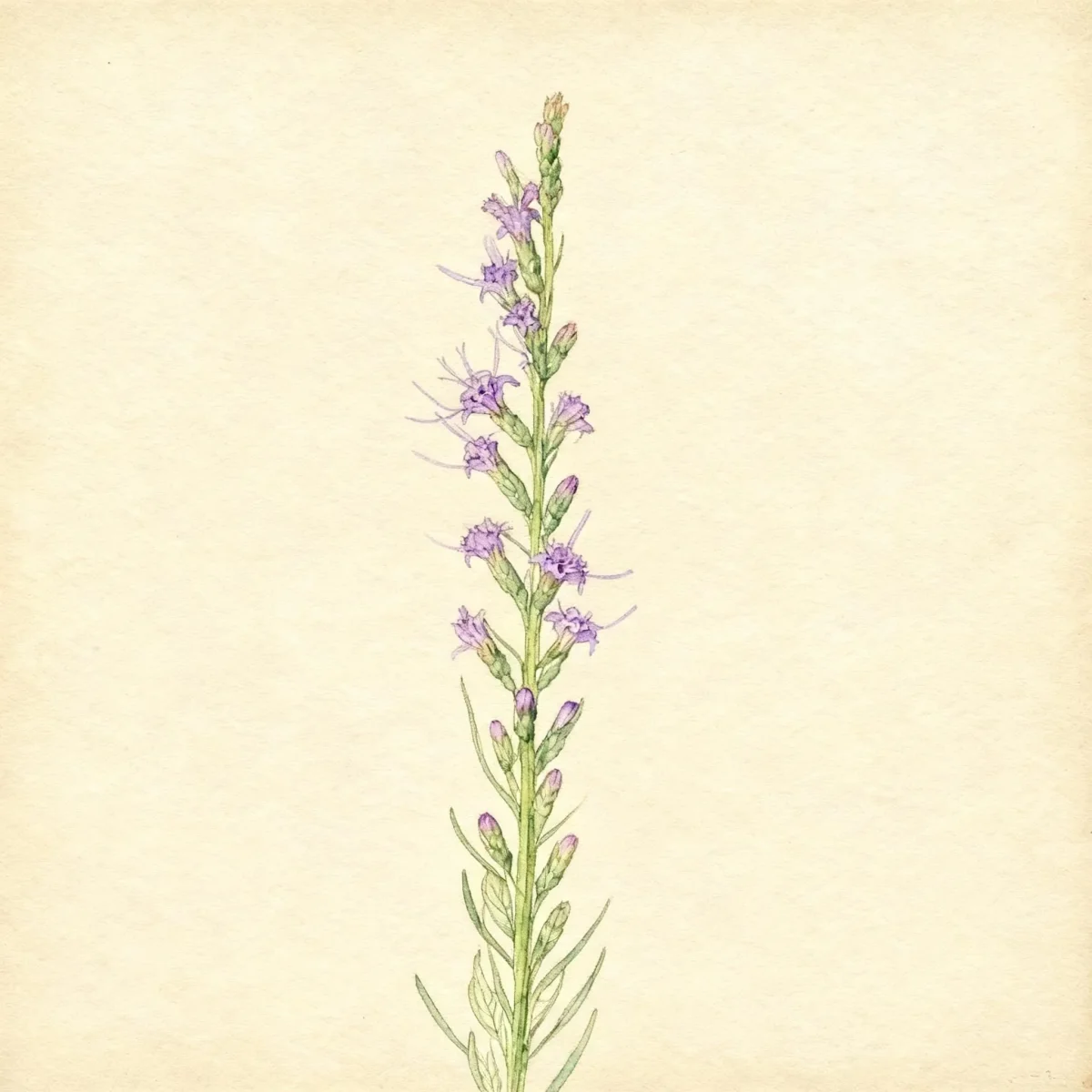
Smallhead blazing star (Liatris microcephala)
Liatris microcephala, or Smallhead blazing star, is a low-maintenance, drought-tolerant perennial perfect for sunny borders.
Scroll down to discover growing tips, care requirements, companion plants, and more
Complete Plant Information
Overview
The Smallhead blazing star, scientifically known as Liatris microcephala, is a distinctive, upright perennial highly valued for its compact nature and resilient constitution. This species offers a unique texture in the garden, presenting terminal spikes of fluffy, deep rose-purple flower heads that defy the appearance of typical blazing stars. Culturally, Liatris microcephala is celebrated for its ease of care, thriving robustly even in challenging, dry soil conditions once established.
Native to the southern Appalachian Mountains, this species fits perfectly into naturalized settings or the front of mixed perennial borders where its 1.5 to 2-foot height won’t overwhelm neighboring plants. Gardeners appreciate the low maintenance requirements of the Smallhead blazing star, as it tolerates summer heat and humidity common in its native southeastern United States range. Furthermore, its summer bloom period provides essential nectar resources for hummingbirds and various butterflies.
Fast Facts
- Plant Family: Asteraceae
- Plant Type: Herbaceous perennial
- Native Range: Southeastern United States
- Hardiness Zones: USDA Zones 6-9
- Size at Maturity:
- Height: 1.5-2 ft
- Spread: 0.75-1 ft
- Bloom Time: July
- Bloom Description: Purple
- Sun Exposure: Full sun
- Water Needs: Dry to medium
- Maintenance Level: Low
How to Grow
Plant Liatris microcephala in the spring or fall, ensuring it is situated in a location receiving full sun exposure throughout the day. The key to success is excellent drainage; this plant demands well-drained soils and actively dislikes wet winter conditions. Average, dry to medium soils are perfectly acceptable, making it suitable for areas where other less tough perennials struggle.
Water newly planted specimens regularly to establish a strong root system, applying water deeply but infrequently. Once established, the Smallhead blazing star demonstrates excellent drought tolerance, aligning with its needs for dry to medium moisture levels. Fertilizing is rarely necessary, as rich soils can lead to floppier growth and reduced vigor; let the plant thrive in average or even poor soils.
As a hardy perennial, routine pruning is minimal. Deadheading spent flower spikes is optional but can clean up the look of the clump post-bloom. Gardeners in colder areas, particularly at the lower end of its range (Zone 6), should provide a layer of mulch in winter and ensure planting sites are shielded from excess moisture accumulation to prevent root rot.
Landscape Uses
The compact stature and reliable vertical accent provided by Liatris microcephala make it extremely versatile. It shines when used near the front of the perennial border, creating structure without blocking shorter, mounding perennials that bloom earlier in the season. Because of its tolerance for dry conditions and poor soils, it integrates seamlessly into rock gardens or constructed slopes where drainage must be sharp.
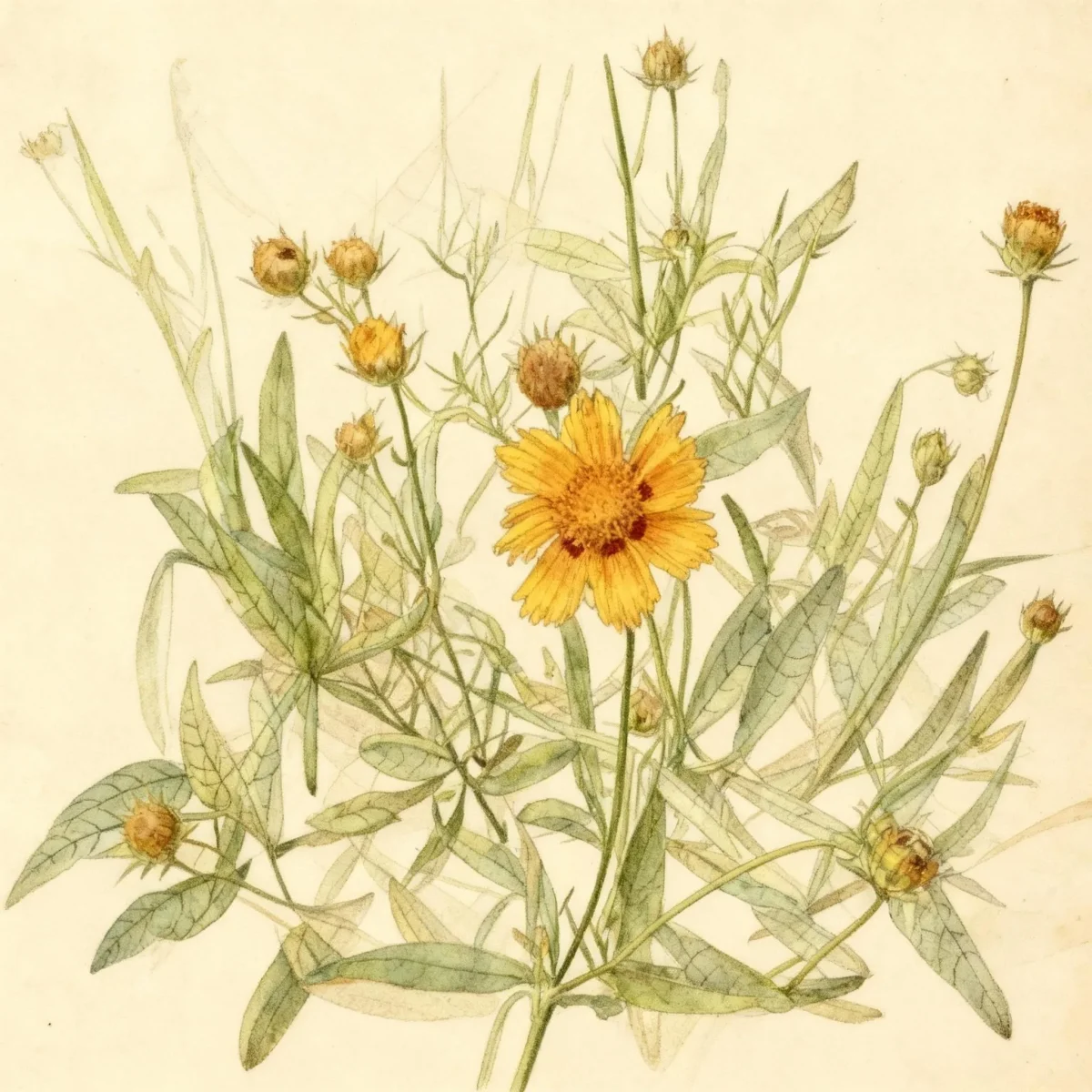
For a naturalistic look, the Smallhead blazing star is an excellent choice for wild gardens or native plant collections within the Southeastern United States. Consider pairing it with other sun-loving, drought-tolerant natives like Coreopsis, Rudbeckia, or various native Sedums to create a visually dynamic, low-input summer display. The erect flower stalks also lend themselves well to cutting gardens, offering height and vibrant purple color for fresh arrangements.
Standout Features
Flower Qualities
- Showy
- Good Cut
Noteworthy Characteristics
Liatris microcephala is a small, upright, clump-forming perennial which is native to the southern Appalachian Mountains and which typically grows to only 2’ tall. Features terminal spikes of sessile, rounded, fluffy, deep rose-purple flower heads (each to 3/4” across) appearing atop multiple, erect, leafy flower stalks arising from basal tufts of narrow, grass-like leaves. The feathery flower heads of liatris give rise to another common name of gayfeather.
Tolerances
- Drought
- Dry Soil
- Shallow-Rocky Soil
Potential Problems
This plant generally exhibits outstanding resilience; no serious insect or disease problems are typically reported in cultivation. The main threat to the health of Liatris microcephala is cultivation error, specifically poor drainage. Avoid planting in areas where water pools, particularly heading into winter, as soggy winter feet will lead to crown or root rot, which is the most frequent cause of failure for this otherwise tough perennial.
Frequently Asked Questions
What hardiness zones is Smallhead blazing star suitable for?
The Smallhead blazing star is winter hardy across USDA Zones 6 through 9.
How large does Liatris microcephala grow?
This species typically reaches a height between 1.5 and 2 feet tall, with a spread of about 0.75 to 1 foot wide.
When does Liatris microcephala bloom?
This variety generally produces its purple flowers during the month of July.
What sun exposure does Liatris microcephala need?
For optimal blooming and structure, Liatris microcephala requires full sun conditions daily.
Conclusion
The Smallhead blazing star (Liatris microcephala) provides exceptional vertical interest and exceptional value due to its low maintenance needs and drought tolerance. Integrating this tough plant—also known as Smallhead gayfeather—into your landscape guarantees reliable purple blooms in mid-summer. Check your garden’s drainage, ensure you have a spot offering full southern exposure, and welcome this resilient native to your planting scheme.
Wildlife Benefits
The brilliant, dense purple floral clusters of Liatris microcephala provide a critical late-season nectar source. This plant is highly effective at attracting necessary garden allies, including hummingbirds and various species of butterflies seeking fuel during the peak summer months. Following bloom, the resulting small seeds are appreciated by local songbirds, adding residual interest to the late-season garden structure.
Companion Planting Suggestions
Successfully pairing plants with Liatris microcephala involves selecting species that share its affinity for full sun and, most importantly, consistently lean toward the drier side. Plants with silvery or gray foliage often harmonize visually with the deep greens and purples of the liatris, such as Artemisia or Russian Sage (Perovskia atriplicifolia). Consider shorter, spreading companions like various native Phlox or low-growing Aster species to cover the ground plane while respecting the liatris’s preference for airy, well-drained conditions.