Prairie blazing star (Liatris pycnostachya)
Liatris pycnostachya, or Prairie blazing star, offers spectacular lilac-purple spikes, low maintenance, and drought tolerance for central US gardens.
Scroll down to discover growing tips, care requirements, companion plants, and more
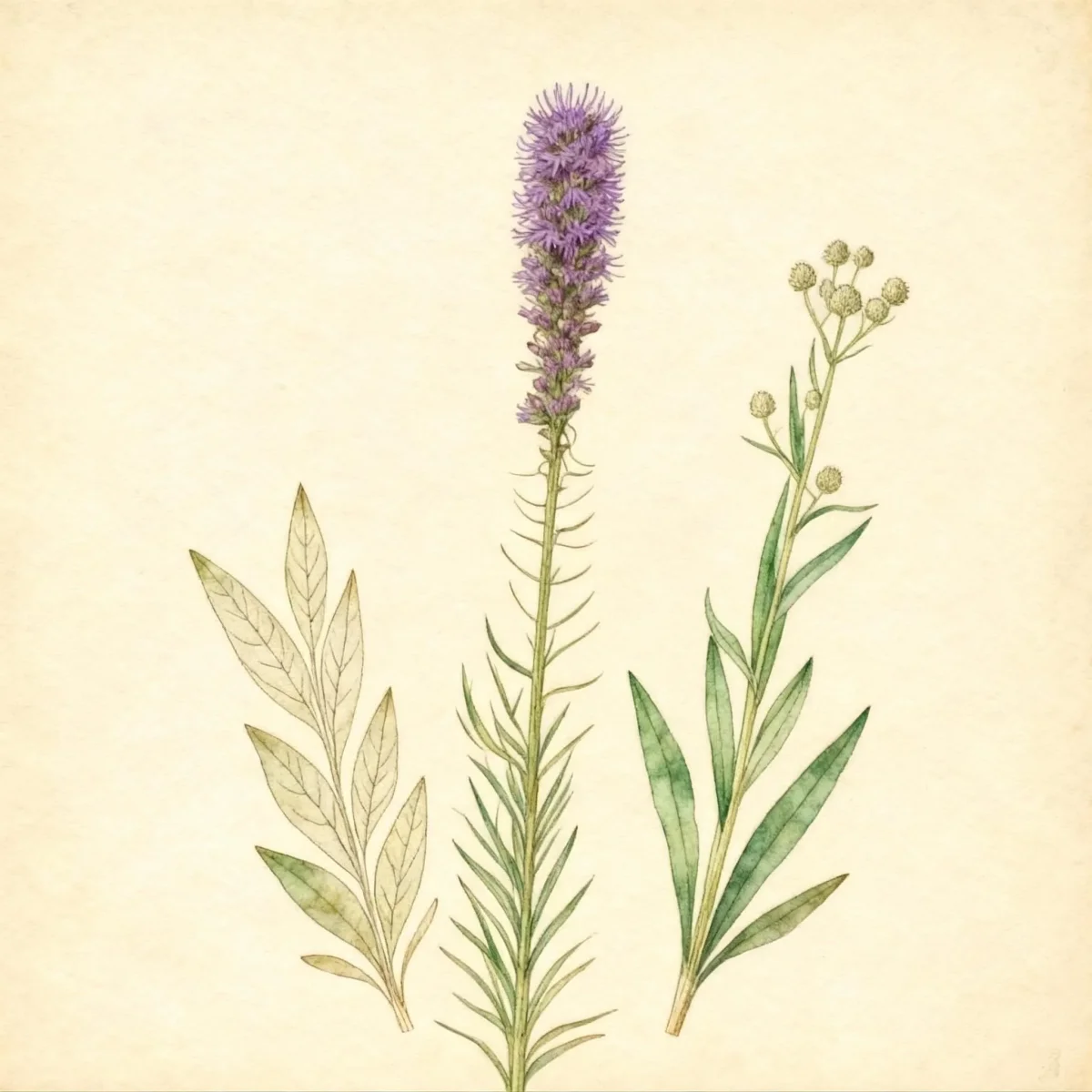
Complete Plant Information
Overview
Prairie blazing star (Liatris pycnostachya) is a magnificent addition to any native or perennial garden, known for its imposing vertical structure. This robust herbaceous perennial, also known by the scientific name Liatris pycnostachya, commands attention with densely packed spikes of fluffy, lilac-purple flowers that bloom throughout the summer months. It is a reliable performer, valued for thriving in challenging conditions where many softer plants fail.
As one of the taller Liatris species, gardeners appreciate the strong vertical accents provided by Liatris pycnostachya against the horizontal sweep of a meadow or border. Its flowers attract hummingbirds and butterflies, providing significant value to local ecosystems, while its easy-going nature keeps maintenance low. This Prairie blazing star is perfectly suited for bringing authentic prairie character back into structured landscapes.
Fast Facts
- Plant Family: Asteraceae
- Plant Type: Herbaceous perennial
- Native Range: Central and southeastern United States
- Hardiness Zones: USDA Zones 3-9
- Size at Maturity:
- Height: 2-5 ft
- Spread: 1-2 ft
- Bloom Time: July to August
- Bloom Description: Lilac-purple
- Sun Exposure: Full sun
- Water Needs: Dry to medium
- Maintenance Level: Low
How to Grow
For optimal performance, plant Liatris pycnostachya in the spring or fall, ensuring it receives full sun exposure throughout the day. This plant thrives in average soils, provided they are well-drained; excellent drainage is crucial, as it is intolerant of wet soils, particularly during winter dormancy. Prepare the site by amending heavy clay soils slightly, though Liatris pycnostachya tolerates clay quite well once established.
Once established, care is minimal. Water sparingly, allowing the soil to become dry between waterings, reflecting its preference for dry to medium conditions. Fertilizing is generally unnecessary, as this native species performs best in leaner soils common to prairie habitats. Resist the urge to overwater, as this encourages root rot.
Due to its significant height, which can reach five feet, staking may sometimes be required, especially on exposed sites or if growth is exceptionally lush, to prevent flower spikes from collapsing. Minimal pruning is needed, usually limited to cutting back the dead stalks in early spring before new growth emerges.
Landscape Uses
Prairie blazing star excels in large garden settings where its height can be appreciated without overwhelming shorter specimens. It serves as an excellent structural element in perennial borders, providing strong vertical punctuation against softer mounded plants. Consider using it in native plant gardens or naturalized areas where it can mingle freely with other prairie companions like coneflowers and blazing stars.
Given its robust nature and ability to handle poor or dry soils, Liatris pycnostachya is an excellent choice for modern rain gardens, provided the site dries out adequately between rain events—remember it dislikes consistently wet winter feet. Its magnificent flower spikes are highly sought after in cutting gardens, adding striking height and texture to summer arrangements.
Standout Features
Flower Qualities
- Showy
- Good Cut
Noteworthy Characteristics
Liatris pycnostachya, commonly called prairie blazing star, is perhaps the tallest Liatris species in cultivation, typically growing 2-4’ tall (infrequently to 5’). It is an upright, clump-forming, Missouri native perennial which commonly occurs in prairies, open woods, meadows and along railroad tracks and roads. Features rounded, fluffy, deep rose-purple flower heads (each to 3/4” across) which are crowded into terminal spikes (to 20” long) atop thickly-leafed, rigid flower stalks. The feathery flower heads of liatris give rise to another common name of gayfeather.
Tolerances
- Drought
- Clay Soil
- Dry Soil
Potential Problems
This plant generally exhibits a low susceptibility to pests and diseases, making Liatris pycnostachya a favorite for low-maintenance gardening. The most common practical issue encountered by gardeners is managing the height; flower spikes often need staking to maintain a neat appearance, particularly in windy locations or when the plant grows exceptionally tall. Avoid overly rich soil amendments, which can lead to weak, floppy stems that are more prone to breaking or leaning.
Frequently Asked Questions
What hardiness zones is Prairie blazing star suitable for?
Liatris pycnostachya is very adaptable and hardy across USDA Zones 3 through 9.
How large does Prairie blazing star grow?
This species often reaches heights between 2 and 5 feet tall, with a moderate spread of 1 to 2 feet wide.
What sun exposure does Liatris pycnostachya need?
This plant requires full sun to develop strong stems and abundant blooms. Insufficient light will result in weak, leggy growth.
When does Prairie blazing star bloom?
Look forward to the beautiful lilac-purple flower spikes appearing reliably from July through August.
Conclusion
The Prairie blazing star (Liatris pycnostachya) offers unparalleled vertical interest, robust drought tolerance, and excellent appeal for native pollinators. Incorporating this tall, striking member of the Liatris genus into your garden provides beauty with minimal labor. Always check your local region’s compatibility regarding its USDA Zones 3-9 range before planning your planting schedule this spring.
Companion Planting
When establishing Liatris pycnostachya in perennial borders, choose companions that share its preference for full sun and dry to medium soil moisture. Excellent partners include Purple Coneflower (Echinacea purpurea), various species of Rudbeckia (Black-eyed Susan), and other drought-tolerant salvias. Group this tall perennial toward the back of the border so its height accentuates lower, mounding plants rather than blocking them from view.
Wildlife Benefits
The genus Liatris is a magnet for beneficial insects, and Liatris pycnostachya is no exception. Its dense floral structure provides abundant nectar and pollen sources throughout mid to late summer. Hummingbirds are frequently observed visiting the tall spikes, and butterflies, including Monarchs and Swallowtails, rely on these blooms during their migratory periods. Planting this species guarantees increased activity and vibrancy in your garden areas during the peak summer months.