Wild quinine (Parthenium integrifolium)
Wild quinine (Parthenium integrifolium) is a low-maintenance, drought-tolerant perennial offering white blooms from May through August, ideal for prairie plantings.
Scroll down to discover growing tips, care requirements, companion plants, and more

Complete Plant Information
Overview
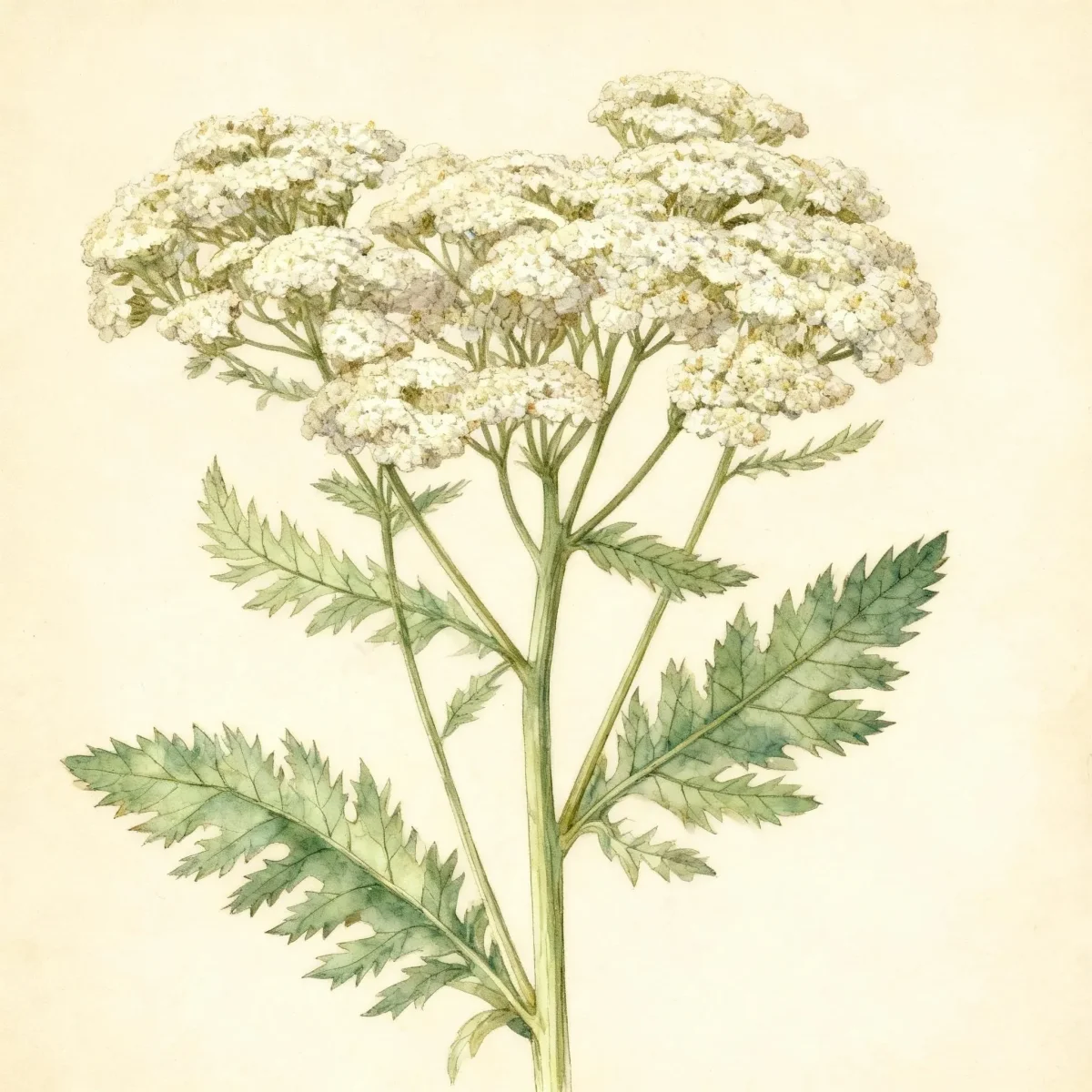
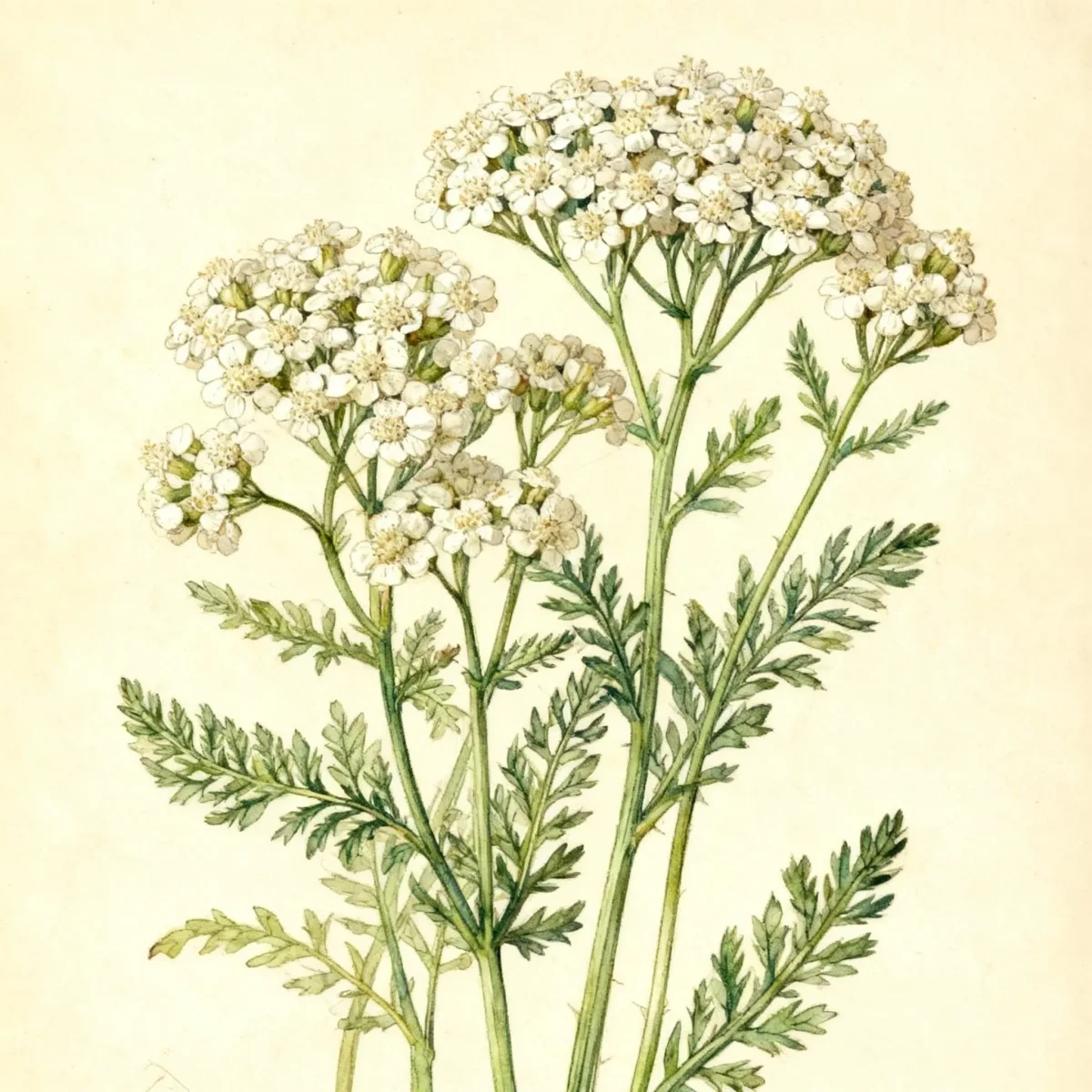
Parthenium integrifolium, commonly known as wild quinine, is a robust, clump-forming herbaceous perennial native across much of the Eastern United States. Its low maintenance needs and tolerance for tough, dry soils make it an invaluable addition to ecologically focused landscape designs. Gardeners appreciate this plant for its rugged constitution and its clusters of small, woolly-looking white flowers that provide season-long interest.
This species thrives in conditions many other ornamentals avoid, flourishing in full sun and poor, dry soil situations. The foliage features a rough texture and glandular surface, offering subtle contrast against brighter green neighbors throughout the growing season. For those seeking authentic meadow or prairie aesthetics, Parthenium integrifolium is a top-tier selection that requires minimal intervention once established.
The structural flower heads of wild quinine are useful not only in the garden from late spring into summer but also after they fade. They lend themselves well to both cut flower arrangements and dried materials, adding versatility to this hardy native plant. Utilizing Parthenium integrifolium helps build resilient, native plant communities in challenging garden spaces.
Fast Facts
- Plant Family: Asteraceae
- Plant Type: Herbaceous perennial
- Native Range: Eastern United States to Wisconsin and Arkansas
- Hardiness Zones: USDA Zones 4-8
- Size at Maturity:
- Height: 2-4 ft
- Spread: 1-2 ft
- Bloom Time: May to August
- Bloom Description: White
- Sun Exposure: Full sun
- Water Needs: Dry to medium
- Maintenance Level: Low
How to Grow
Establish Parthenium integrifolium (wild quinine) during the spring or fall for best root development. It requires average, well-drained soil, though it is highly adaptable. Plant in a location receiving full sun, as insufficient light will lead to legginess and reduced blooming performance. As a native meadow species, soil amendment is generally unnecessary; in fact, overly rich soil can diminish its drought tolerance benefits.
Water young plants regularly until they become fully established, allowing the soil to dry out between waterings, reflecting its dry to medium water needs. Once mature, this perennial is remarkably drought-tolerant, often requiring no supplemental irrigation except during extended, severe dry spells. Fertilization is rarely recommended, as low-fertility soils suit Parthenium integrifolium best.
Maintenance for wild quinine is generally minimal. Deadheading is not strictly necessary but can improve tidiness after the main flush of bloom concludes in late summer. Cut the entire stalk back in late fall or early spring before new growth begins. Due to its low profile regarding pests and diseases, chemical treatments are almost never warranted.
Landscape Uses
Wild quinine excels in broad applications where reliability and a naturalistic feel are priorities. It is best suited for native plant gardens, wild garden settings, or as an integral component of a naturalized meadow or prairie planting. While it can technically be placed in borders, remember that its primary strength lies in mass plantings where its clumping form can blend cohesively into the landscape matrix.
Consider pairing Parthenium integrifolium with other sun-loving, drought-tolerant natives that share its cultural needs. Plants blooming earlier or later in the season can extend the visual interest in the area where wild quinine is established. Its height (up to 4 feet) makes it suitable for the middle or rear sections of mixed perennial beds.
Functionally, its resistance to erosion and ability to handle clay and shallow, rocky soils means it can stabilize challenging slopes or dry edges where turf grass struggles. This versatility allows landscapers to incorporate the visual interest of a perennial without demanding high levels of irrigation or soil quality.
Flower Qualities
- Showy
- Good Cut
- Good Dried
Noteworthy Characteristics
Parthenium integrifolium, commonly called American feverfew or wild quinine, is a clump-forming, Missouri native perennial which occurs in dry soils on prairies, glades and rocky woods. It grows 3-4’ tall, displaying woolly-looking, white flower heads with five tiny ray flowers, appearing in broad, flat-topped, terminal corymbs from late spring to late summer. Leaves are glandular and aromatic with a rough texture to both surfaces, and the specific epithet integrifolium means “with entire or uncut leaves.”
Tolerances
- Drought
- Erosion
- Clay Soil
- Dry Soil
- Shallow-Rocky Soil
Potential Problems
This is a remarkably pest-free species. Parthenium integrifolium reports no serious insect or disease problems under normal growing conditions. Because it prefers lean, dry soil, avoid excessive moisture, which can occasionally lead to root issues, though this is uncommon. Proper spacing to allow for air circulation is the only proactive step needed to ensure the long-term health of your wild quinine.
Frequently Asked Questions
What hardiness zones is Wild quinine suitable for?
Parthenium integrifolium is generally hardy across USDA Zones 4 through 8, making it quite adaptable across a broad swath of the US.
How large does Wild quinine grow?
This herbaceous perennial typically reaches a mature height between 2 and 4 feet, spreading thinly between 1 and 2 feet wide.
When does Wild quinine bloom?
Wild quinine produces its showy white flower heads consistently from May well into August, providing reliable mid-season color.
What sun exposure does Parthenium integrifolium need?
Parthenium integrifolium performs best when situated in a location that receives full sun exposure throughout the day.
Conclusion
Wild quinine stands out as an exceptionally resilient and useful native perennial for sustainable gardening practices. Its tolerance for poor soils, drought resistance, and attractive white blooms throughout summer confirm Parthenium integrifolium’s value in restorative and low-maintenance landscapes. Consult your local USDA zone map and plan your planting during optimal spring or fall windows to maximize establishment success for this tough gem.
Companion Planting
When selecting companions for Parthenium integrifolium, focus on species that share its affinity for full sun and dry, well-drained conditions. Plants emerging earlier or later in the season will help extend the overall interest of the planting area surrounding the wild quinine. Consider pairing it with coneflowers (Echinacea species) or native sedges (Carex species) that handle similar soil mechanics.
Grouping Parthenium integrifolium alongside other midwestern natives creates a cohesive, low-input ecosystem. Good companions often include plants that offer contrasting foliage texture or color, such as the silvery leaves of Prairie Sage (Artemisia ludoviciana) or the fine texture of Little Bluestem (Schizachyrium scoparium). This combination maximizes visual appeal during dry periods when many garden specimens struggle.
Propagation Tips
Parthenium integrifolium can be successfully propagated through seed collection or division, offering two distinct routes for increasing your stock. Seeds should be collected after the flowering heads mature and dried completely; they require a period of cold stratification to break dormancy before spring sowing.
For divisions, wait until early spring just as new growth is emerging, or in the fall after the foliage has died back. Carefully dig around the clump and gently separate well-rooted sections using a sharp, sterile spade or knife. Ensure each division has a healthy root portion attached before replanting immediately into the prepared, well-drained location.