Grey-head coneflower (Ratibida pinnata)
The distinctive Grey-head coneflower (Ratibida pinnata) thrives in full sun, offering unique yellow flowers from June to August in USDA Zones 3-8.
Scroll down to discover growing tips, care requirements, companion plants, and more
Complete Plant Information
Overview
The striking Grey-head coneflower, scientifically known as Ratibida pinnata, is a standout native perennial prized for its unusual, long-lasting summer blooms. This plant commands attention in the landscape with its unique structure, featuring a slender, dull-gray central disk set against a backdrop of bright, highly reflexed yellow ray flowers. Gardeners appreciate Ratibida pinnata for its resilience and ability to thrive where many other perennials struggle, especially in challenging soil conditions.
As an herbaceous perennial native to Central North America, it brings authentic regional ecology to sunny borders or naturalized meadows. While it presents a somewhat rough appearance with its pinnately divided leaves, its tall stature (reaching up to 5 feet) and long bloom season from June through August make it an engaging vertical element. Furthermore, the central disk of the flower releases an anise-like fragrance when bruised, adding another sensory layer to the garden experience.
This coneflower is an excellent choice for gardeners seeking low-fuss, high-impact planting options that also support local ecosystems. Its tolerance for drought and clay soil broadens its applicability, making the Grey-head coneflower a dependable fixture throughout the hottest months of the year.
Fast Facts
- Plant Family: Asteraceae
- Plant Type: Herbaceous perennial
- Native Range: Central North America
- Hardiness Zones: USDA Zones 3-8
- Size at Maturity:
- Height: 3-5 ft
- Spread: 1.5-2 ft
- Bloom Time: June to August
- Bloom Description: Yellow
- Sun Exposure: Full sun
- Water Needs: Medium
- Maintenance Level: Medium
How to Grow
Ratibida pinnata establishes best when planted in the spring or fall, given appropriate watering to establish roots. Locate this perennial where it receives consistent full sun exposure throughout the day, which is crucial for robust flowering and sturdy stems. Although it prefers average, medium-moisture, well-drained soil, one of the key benefits of the Grey-head coneflower is its adaptability; it performs notably well in clay or sandy substrates, even tolerating poor or dry soils once established.
Maintenance for this species is generally considered medium. While it prefers well-drained conditions, it handles medium water needs. Avoid over-fertilizing, as this can lead to floppy growth. Staking may occasionally be necessary for taller specimens, particularly if planted in richer soil or locations shielded from wind, as the stems can become somewhat top-heavy when in full bloom.
Seasonal care is straightforward. Clear away any old dead foliage in early spring before new growth begins. Deadheading spent blooms is optional; leaving the seed heads can provide winter interest and food for birds. Since Ratibida pinnata tolerates poor soils, heavy amendment or excessive watering regimes should be avoided year-round to mimic its native prairie habitat.
Landscape Uses
The upright, somewhat narrow habit of the Grey-head coneflower makes it perfectly suited for mass plantings where its vertical impact can be fully appreciated. While individual plants can appear somewhat sparsely leafed, grouping several Ratibida pinnata together creates a stunning impact in native plant gardens, prairies, or naturalized meadows. They are excellent for filling out the mid-to-back sections of a sunny border, providing consistent color when many spring bloomers have faded.
When integrating Grey-head coneflower into formal designs, pair it with sturdier, more densely foliaged companions that share similar cultural requirements, such as Baptisia or Echinacea. Its drought tolerance and ability to handle clay soil mean it pairs well with other tough perennials that thrive in tough conditions. These plants look fantastic when allowed to mingle with ornamental grasses, which soften their structure and enhance the prairie aesthetic.
Their native nature ensures that they are highly attractive to local pollinators, making them a functional and beautiful addition to any wildlife or pollinator garden design. Use Ratibida pinnata where you need height, reliable full sun performance, and robust disease resistance.
Standout Features
Flower Qualities
- Showy
Noteworthy Characteristics
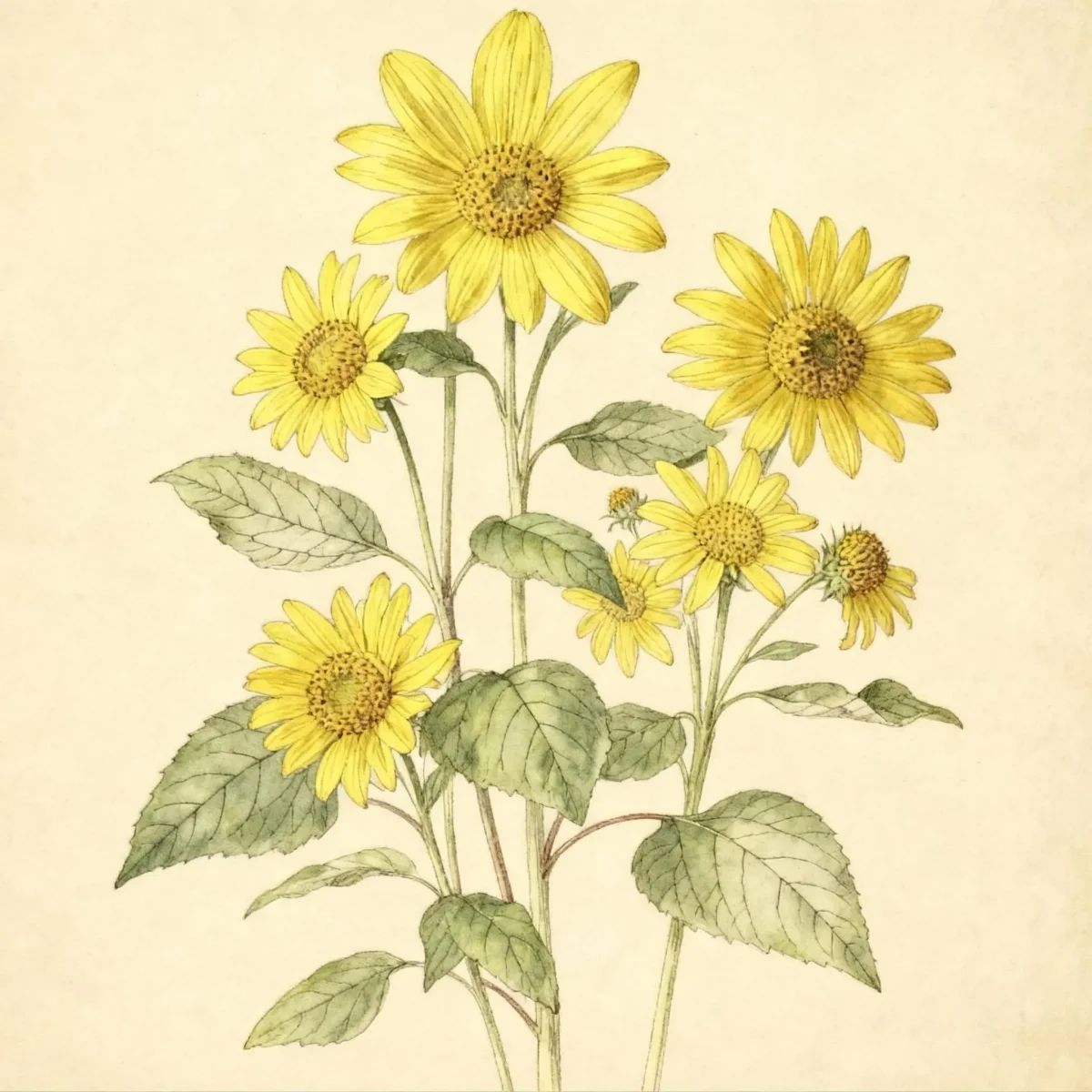
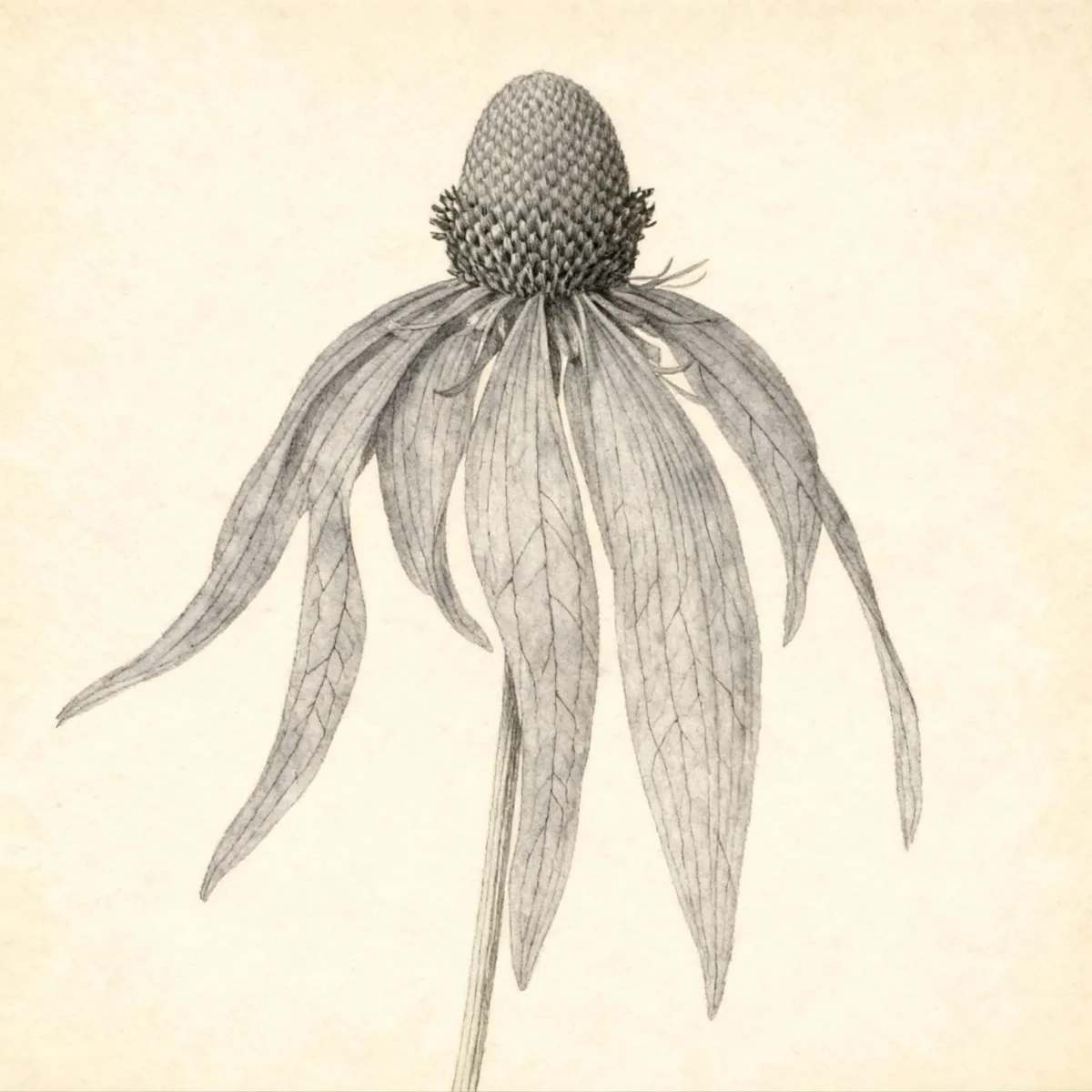
Ratibida pinnata, commonly called gray headed coneflower, is a Missouri native plant which typically occurs in dry woods, prairies and along railroad tracks and roads. A somewhat rough-looking plant that features pinnately divided leaves (to 5” long) on stiff stems growing 3-5’ tall. The composite flowers have a dull-gray central disk in the shape of an elongated cylinder (1 inch long), somewhat resembling the crown of a slender sombrero. When bruised, the disk smells of anise. Attached to the bottom of the disk is a brim of 3-7, extremely reflexed (downward pointing), bright yellow ray flowers (to 3” long). Long summer bloom period.
Tolerances
- Drought
- Clay Soil
Potential Problems
This species generally avoids serious insect or disease problems, which is a major benefit for low-maintenance gardening. Due to its height, potential problems often relate to structural support rather than vulnerability to pests. If growth is too lush or it is exposed to heavy winds, the stems of Ratibida pinnata may require staking or other artificial support to keep the plant upright through the blooming season. Plant in full sun and well-drained soil to maximize stem strength and reduce susceptibility to rot.
Frequently Asked Questions
What hardiness zones is Grey-head coneflower suitable for?
The Grey-head coneflower (Ratibida pinnata) is suitable for a wide range of climates, thriving in USDA Zones 3 through 8.
How large does Grey-head coneflower grow?
This plant typically reaches a mature height between 3 and 5 feet tall, with a spread ranging from 1.5 to 2 feet wide.
When does Grey-head coneflower bloom?
Ratibida pinnata provides a long summer bloom, with peak flowering occurring from June into August, displaying cheerful yellow flowers.
What sun exposure does Grey-head coneflower need?
For the best performance and healthiest growth, Grey-head coneflower absolutely requires full sun.
Conclusion
The distinctive architecture and reliable bloom time of the Grey-head coneflower make Ratibida pinnata an essential building block for sunny, lower-maintenance gardens. Its noted tolerance for drought and challenging clay soils ensures success even in tough locations. Before planting, confirm your garden resides within USDA Zones 3-8 and ensure the spot receives ample direct sunlight.
Companion Planting
Because Ratibida pinnata is relatively undemanding regarding soil fertility and prefers not to be crowded, companion plants for this species should share similar full sun requirements and a tolerance for medium moisture. Excellent partners include other rugged prairie natives like Purple Coneflower (Echinacea purpurea), various types of native perennial Salvia, or Blazing Star (Liatris species). These companions share the vertical structure and extended bloom times that keep a native garden looking vibrant through summer.
Avoid placing the Grey-head coneflower next to very moisture-loving or shade-tolerant plants, as the cultural mismatch will stress Ratibida pinnata or cause its neighbors to fail. Since the lower foliage can be sparse, choosing companions with finer, denser texture, such as Little Bluestem grass, helps knit the overall composition together visually during the mid-summer months.
Wildlife Benefits
The substantial central disk structure of the Grey-head coneflower is a major draw for beneficial insects throughout its long flowering window. While the yellow ray flowers attract generalist pollinators, the cone itself offers excellent landing pads and readily available nectar and pollen sources. This plant forms a key part of the native food web where it grows naturally.
Allowing the spent flower heads to remain standing through fall and early winter provides crucial structure and protection for overwintering insects. Furthermore, the seeds produced after flowering are often consumed by seed-eating birds, such as finches, extending the garden’s interest long after the yellow blooms have faded from the Ratibida pinnata.