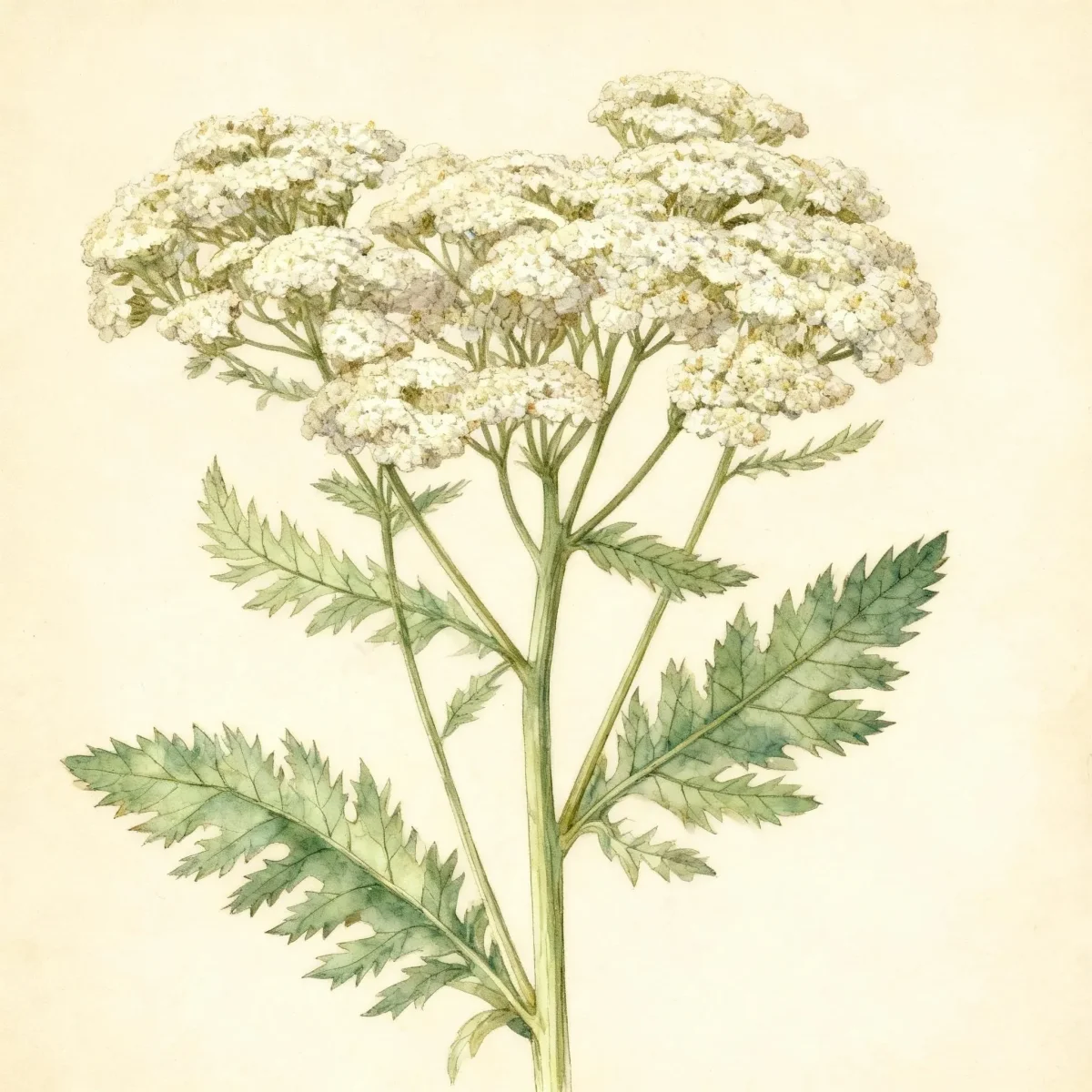
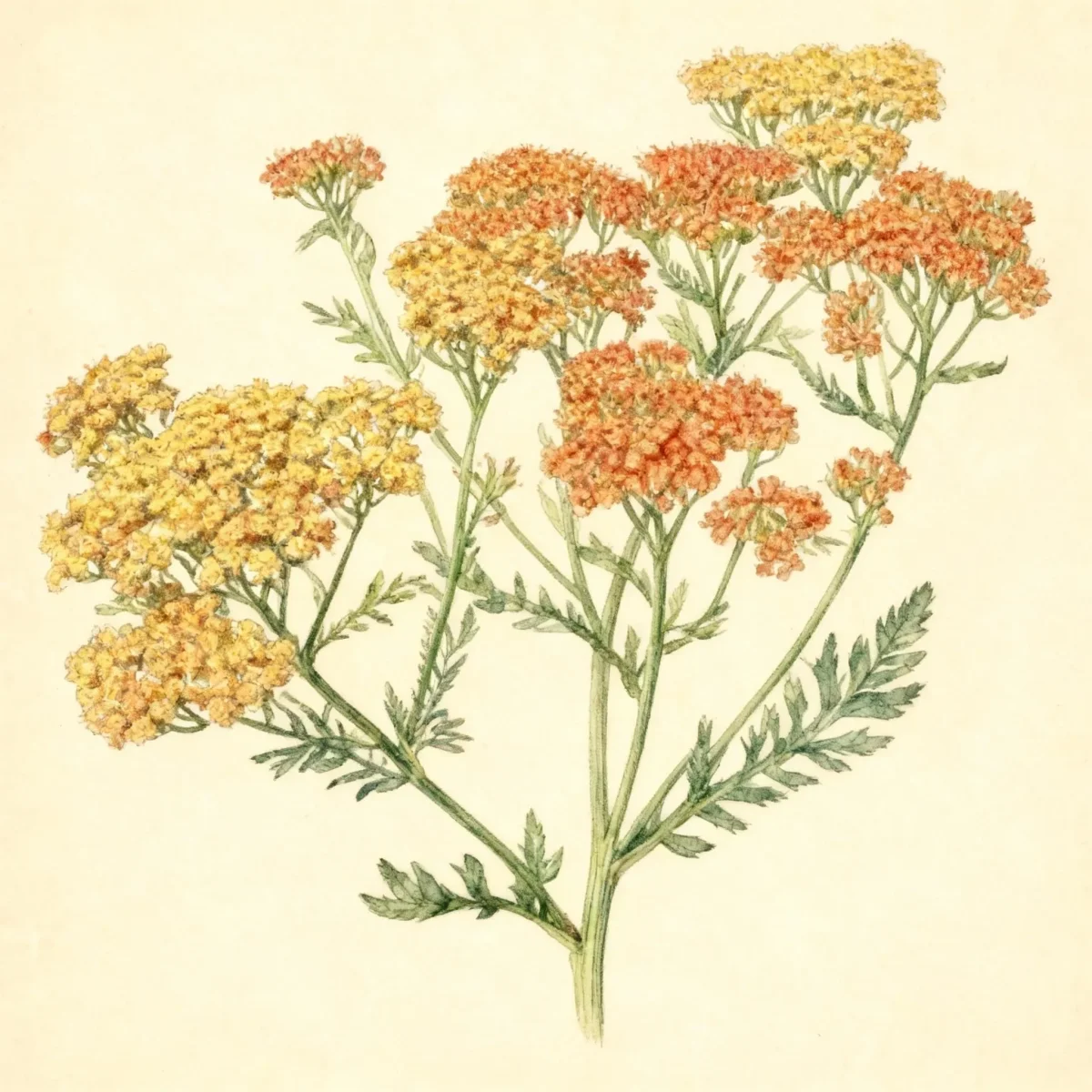
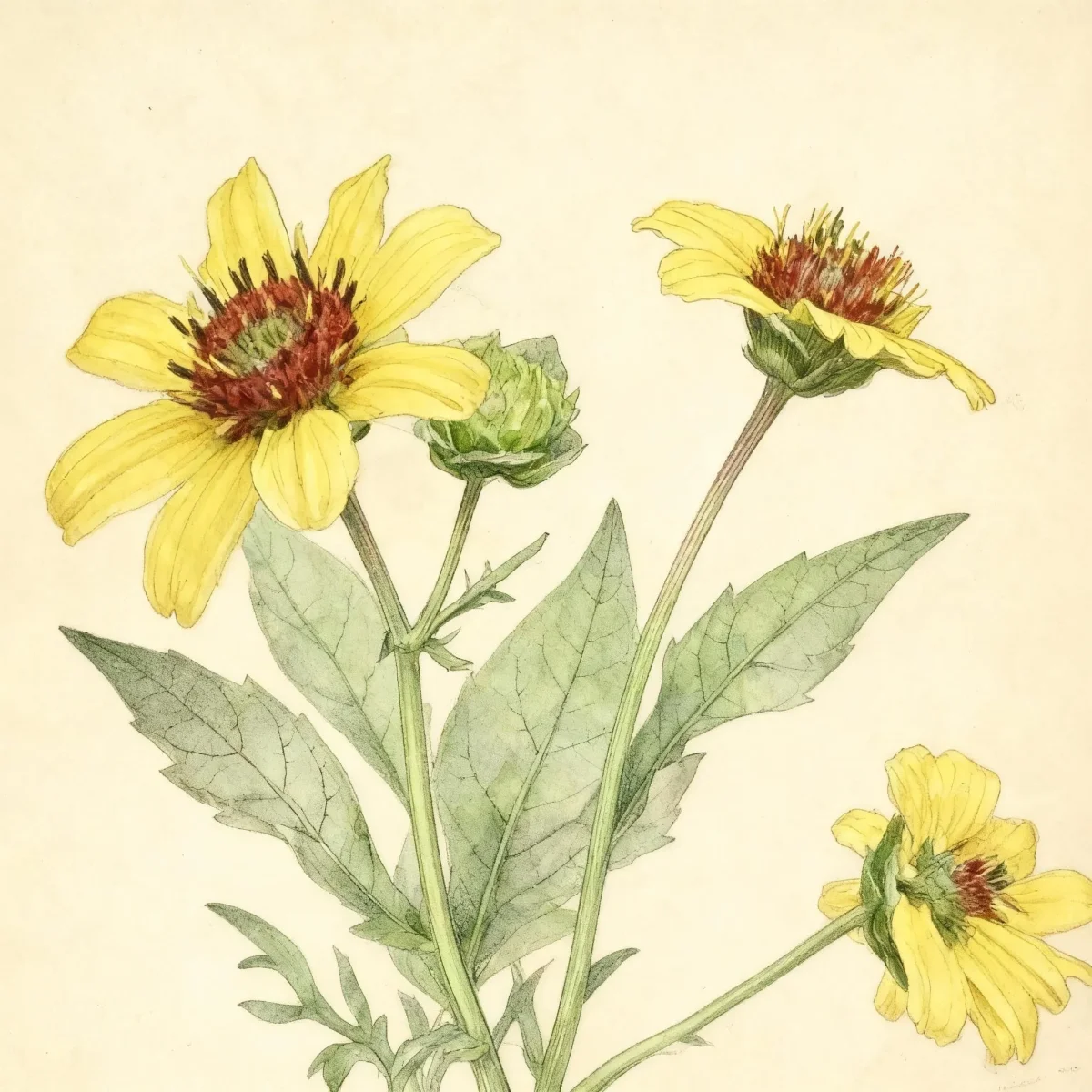
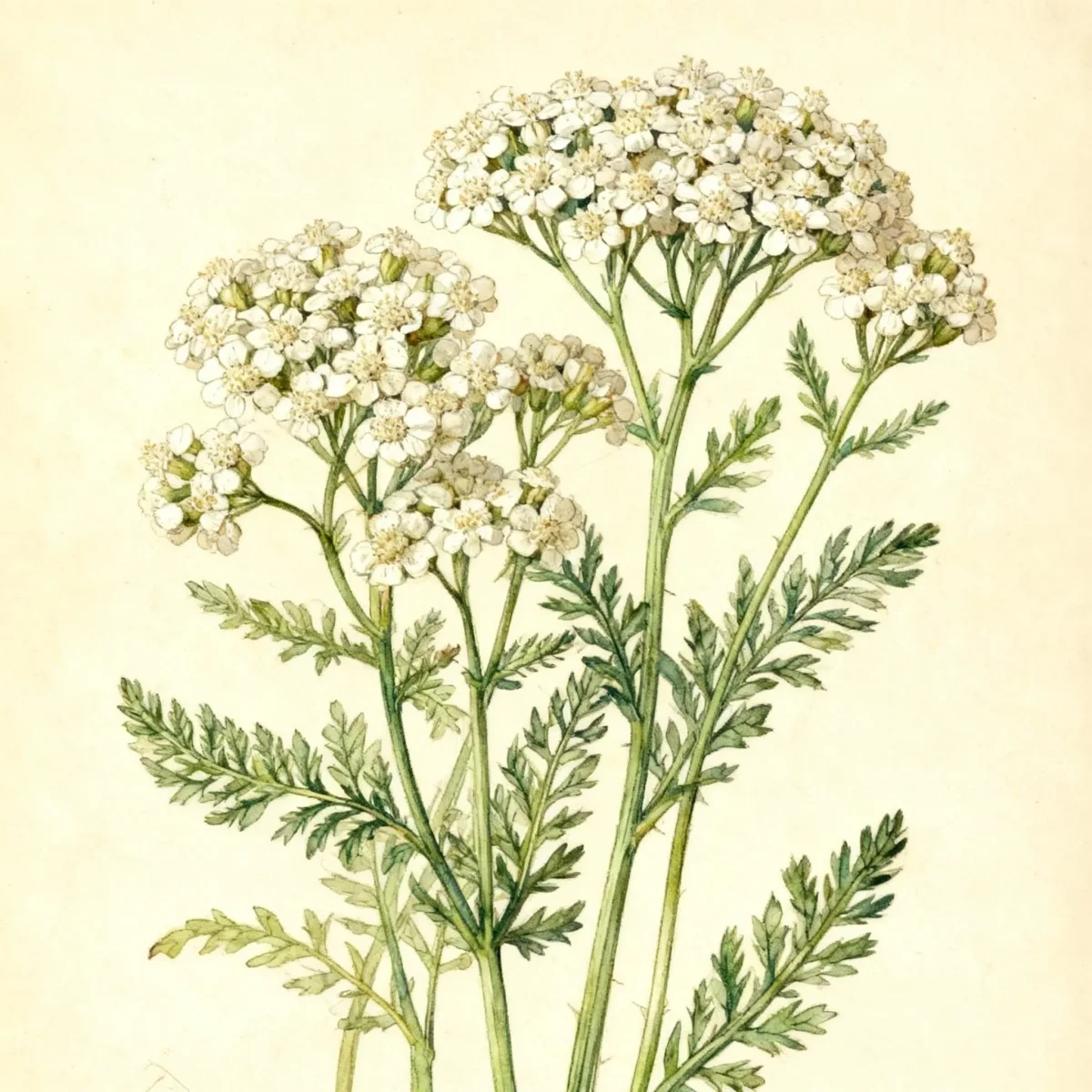
Orange coneflower (Rudbeckia fulgida)
Discover Rudbeckia fulgida, the vibrant Orange coneflower. This low-maintenance perennial offers brilliant summer-to-fall color and handles tough sites.
Scroll down to discover growing tips, care requirements, companion plants, and more
Complete Plant Information
Overview
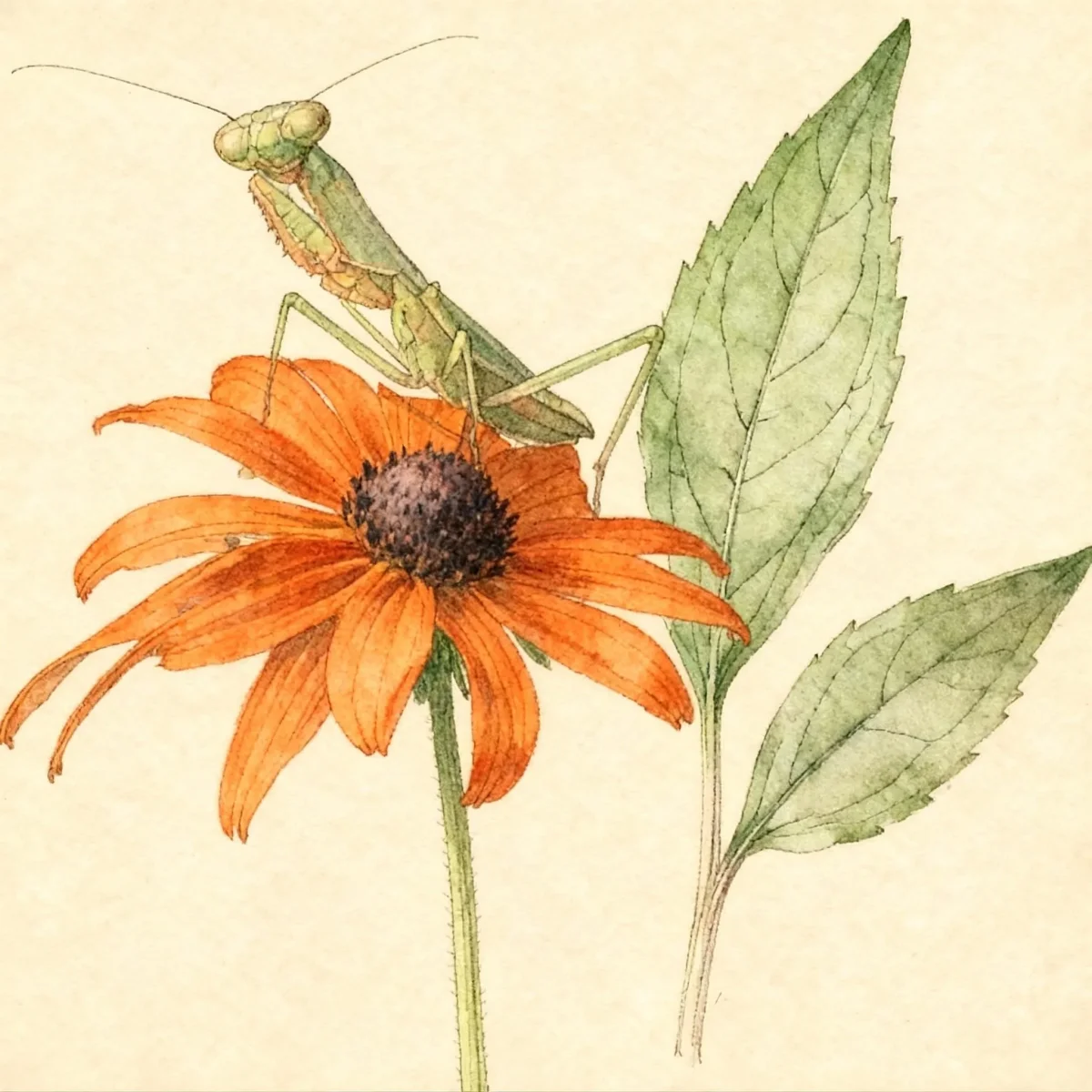
The Orange coneflower, scientifically known as Rudbeckia fulgida, is a powerhouse performer celebrated for its intense, reliable color display from high summer well into autumn. This herbaceous perennial anchors late-season borders with its classic daisy-like flower heads, featuring bright orange-yellow rays surrounding distinct brownish-purple centers. Gardeners value Rudbeckia fulgida for its exceptional hardiness and adaptability, allowing it to thrive in conditions where other flowers might falter.
Native to the open woods and thickets of the Southeastern United States, the Orange coneflower is a rhizomatous spreader, naturally forming attractive, upright clumps that provide excellent texture and wildlife value. Its prolific blooming nature ensures continuous visual interest, making it indispensable for extending the garden season. Furthermore, its resilience against drought and typical urban stresses affirms its status as a truly reliable and beautiful selection for both native and traditional landscapes.
Fast Facts
- Plant Family: Asteraceae
- Plant Type: Herbaceous perennial
- Native Range: Southeastern United States
- Hardiness Zones: USDA Zones 3-9
- Size at Maturity:
- Height: 2-3 ft
- Spread: 2-2.5 ft
- Bloom Time: July to October
- Bloom Description: Orange / yellow
- Sun Exposure: Full sun
- Water Needs: Dry to medium
- Maintenance Level: Low
How to Grow
Plant Rudbeckia fulgida in the spring or fall after the danger of hard frost has passed, selecting a location that receives full sun for the strongest performance and most abundant blooms. This plant is adaptable but thrives best in organically rich, well-drained soils. While it establishes best with consistent moisture, once mature, the Orange coneflower shows noteworthy tolerance for dry soil and drought conditions, making it highly water-wise.
Maintenance for the Orange coneflower is refreshingly low. Fertilization is rarely necessary, especially if the soil has been amended with compost prior to planting. Deadheading spent flowers throughout the season is the primary cultural task, as this practice strongly encourages prolific, repeat blooming until the first hard frost arrives. Although the plants spread slowly via rhizomes, division is generally only required every few years to maintain vigor or manage clump size.
For best air circulation and plant health, ensure adequate spacing between plants, particularly in humid climates where air movement is restricted. While it handles a variety of soil weaknesses, avoid overly saturated or constantly soggy conditions, particularly in winter, even though it is highly adaptable to clay soil environments.
Landscape Uses
The structure and vibrant color of Rudbeckia fulgida make it an ideal choice for bold visual impact in mass plantings. Planting in large drifts within the perennial border creates a dramatic splash of orange-yellow that defines the late summer canvas. Its robust nature lends itself perfectly to more naturalistic settings like meadows or native plant gardens, where it can blend seamlessly with other sun-loving perennials.
Because the flowers remain attractive even after drying, this coneflower is excellent for use in harvest arrangements, fitting beautifully into cottage garden designs. Furthermore, it serves wonderfully in rain gardens, given its tolerance for varying moisture levels once established, and it performs well in challenging urban areas due to its tolerance for pollution. The sturdy stems also make the Orange coneflower a fantastic candidate for fresh-cut arrangements.
Standout Features
Flower Qualities
- Showy
- Good Cut
- Good Dried
Noteworthy Characteristics
Rudbeckia fulgida is a rhizomatous, clump-forming perennial native to the eastern US, typically reaching three feet tall and forming colonies in open habitats. It features prolific, daisy-like flowers, up to 2.5 inches across, with bright yellow rays and prominent brownish-purple center disks, ensuring a long mid-summer to fall bloom sequence. The seeds attract birds, and the flowers are dependable magnets for butterflies and other beneficial insect pollinators.
Tolerances
- Deer
- Drought
- Clay Soil
- Dry Soil
- Shallow-Rocky Soil
- Air Pollution
Potential Problems
Generally, Rudbeckia fulgida avoids serious insect or disease pressures, contributing significantly to its low-maintenance rating. However, in crowded or overly humid conditions, watch for fungal issues such as powdery mildew or downy mildew. Aphids may occasionally colonize new growth. Aster yellows and leaf spot diseases are rare possibilities. Deer typically avoid browsing on the foliage, offering excellent pest protection for this vibrant Orange coneflower.
Frequently Asked Questions
What hardiness zones is Rudbeckia fulgida suitable for?
This adaptable perennial is winter-hardy across a wide range, thriving reliably in USDA Zones 3 through 9.
How large does Orange coneflower grow?
Mature specimens of Rudbeckia fulgida typically reach a height between 2 and 3 feet, with a spread generally remaining between 2 and 2.5 feet wide.
What sun exposure does Rudbeckia fulgida need?
For the absolute best bloom performance and to maintain a compact form, full sun exposure is strongly recommended, though it can tolerate some light afternoon shade.
When does Orange coneflower bloom?
The blooming period for the Orange coneflower is exceptionally long, typically starting in July and continuing reliably through October.
Conclusion
The stunning, long-lasting color provided by Rudbeckia fulgida makes it an essential component for any gardener looking to maximize late-season impact with minimal effort. Its robust constitution and tolerance for both drought and poor soil solidify the Orange coneflower as a gardener favorite. Before planting, confirm that your garden provides the full sun it requires to ensure a spectacular display all summer long.
Companion Planting
When designing perennial beds around Rudbeckia fulgida, consider pairing it with companions that share similar light and moisture needs. Salvias, ornamental grasses, and late-blooming Nepeta create excellent textural and color contrast against the bright orange. Because this coneflower performs well in dry to medium conditions, pairing it with drought-tolerant Echinacea or Sedum varieties ensures garden harmony throughout dry spells.
Wildlife Benefits
The coneflower centers are rich sources of nectar, making them highly effective at drawing in numerous butterfly species critical for garden pollination. Beyond the blooms, the seed heads left standing through winter provide crucial sustenance for various seed-eating birds when other food sources become scarce. Planting Rudbeckia fulgida is a straightforward, low-effort way to boost local biodiversity in your yard.