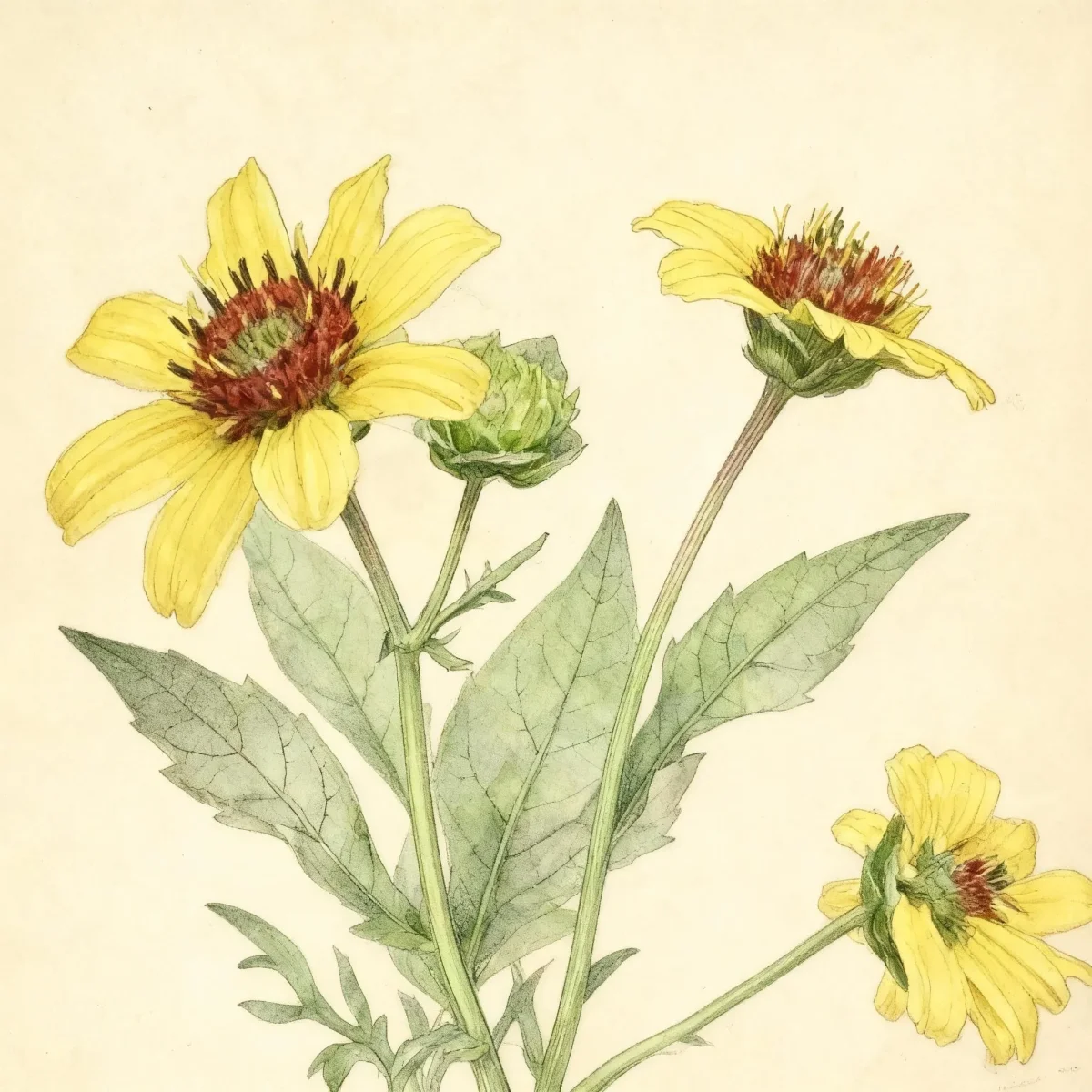
Large coneflower (Rudbeckia maxima)
Rudbeckia maxima, or Large coneflower, reaches 7' tall with huge blue-green basal leaves and showy yellow summer blooms. Low maintenance.
Scroll down to discover growing tips, care requirements, companion plants, and more
Complete Plant Information
Overview
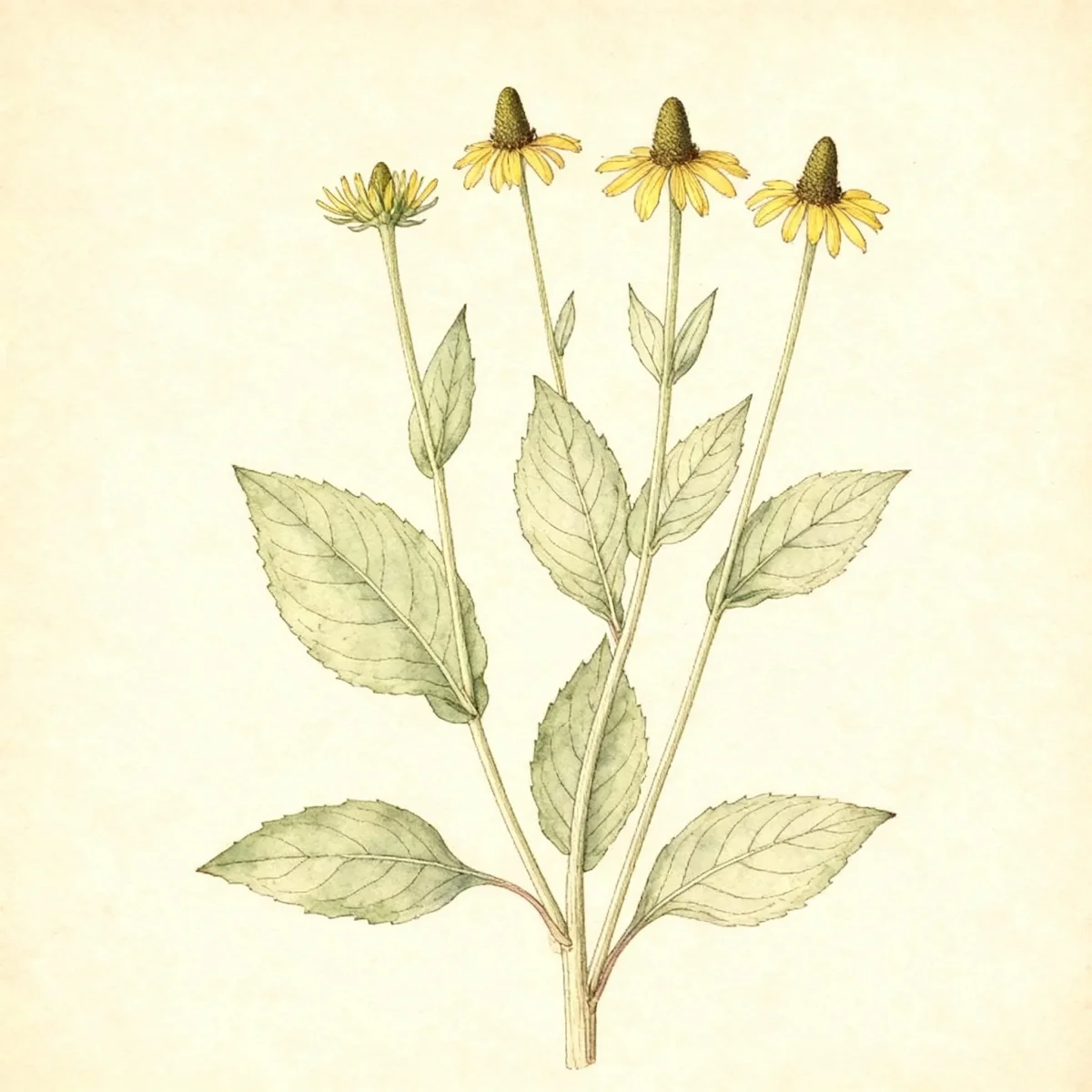
Rudbeckia maxima, commonly known as Large coneflower, is a towering presence in the summertime garden, distinguished by its massive, paddle-shaped, glaucous, bluish-green basal leaves. This coarse perennial readily sends up sturdy, sparsely-leaved flower stalks, creating dramatic vertical accents in the landscape. Its showy yellow-rayed flowers, featuring intriguing tall dark brown central cones, make Rudbeckia maxima a significant visual anchor when in bloom.
Native to moist prairies and wooded areas in parts of the Central and Southern United States, this robust perennial offers exceptional performance with minimal fuss. It thrives in full sun and possesses drought tolerance once established, making it a dependable choice for large-scale plantings. Gardeners value the Large coneflower for its ability to naturalize and provide late-season interest for seed-eating birds.
With a potential height reaching up to 7 feet, the visual impact of Rudbeckia maxima is undeniable, especially when massed in naturalized settings or large native plant gardens. Its longevity and low maintenance profile ensure that this striking coneflower remains a valuable addition for seasons to come.
Fast Facts
- Plant Family: Asteraceae
- Plant Type: Herbaceous perennial
- Native Range: Central and southern United States
- Hardiness Zones: USDA Zones 4-9
- Size at Maturity:
- Height: 5-7 ft
- Spread: 3-4 ft
- Bloom Time: June to July
- Bloom Description: Yellow rays surround dark brown center cone
- Sun Exposure: Full sun
- Water Needs: Dry to medium
- Maintenance Level: Low
How to Grow
Planting Rudbeckia maxima is best done in spring or fall, ensuring the plant establishes a strong root system before facing the stress of summer heat. While this perennial coneflower tolerates light shade, ensure it receives full sun for the best flowering performance. It performs exceptionally well in average, moist, well-drained soils, though it benefits significantly from organically rich soil conditions.
Care for established Large coneflower is straightforward. Water deeply but infrequently, especially once the drought tolerance kicks in, allowing the soil to dry out between waterings as it prefers dry to medium moisture levels. Fertilization is generally unnecessary in rich soils; over-fertilizing can lead to floppy stems rather than strong flower stalks. Pruning is minimal, mainly involving clearing away old foliage in early spring just as new growth begins.
This species readily naturalizes, often by self-seeding readily in optimum growing conditions. Be aware that the basal foliage remains evergreen in climates with mild winters, providing valuable winter structure. If you wish to reduce self-seeding, deadheading the flowers before the cones drop seed is an option, although leaving the seed heads provides excellent winter food for goldfinches.
Landscape Uses
The stately presence of Rudbeckia maxima makes it an excellent specimen for defining the back of a border or integrating into large, sweeping wildflower meadows. Its height and coarse texture provide necessary structure in cottage gardens, creating a bold contrast against finer-textured perennials. Consider using the Large coneflower in native plant gardens where its regional provenance is celebrated.
For a truly successful display, ensure companion plants will not be completely overshadowed by the massive basal foliage of this Rudbeckia. Pair it with plants that appreciate similar sun and moisture profiles, such as tall ornamental grasses, Baptisia, or Joe-Pye Weed, filling the middle ground with slightly shorter blooms. The inherent toughness of the coneflower means it blends seamlessly into prairie restoration projects alongside blazing stars and milkweeds.
Standout Features
Flower Qualities
- Showy
- Good Cut
- Good Dried
Noteworthy Characteristics
Rudbeckia maxima, commonly called large coneflower, features a basal clump of huge, glaucous, paddle-shaped, bluish-green leaves (to 24” long and 10” wide) from which rise in summer sturdy, sparsely-leaved flower stalks to 7’ tall bearing yellow-rayed coneflowers (to 3” across). Each coneflower has slightly drooping rays and tall dark brown central cones ranging from 2-6” high. The specific epithet maxima refers to the large size of this striking Rudbeckia.
Tolerances
- Deer
- Drought
Potential Problems
Rudbeckia maxima generally remains free from serious pest or disease pressure, contributing significantly to its low maintenance rating. The most common fungal issue encountered is powdery mildew, particularly when air circulation is poor or humidity is persistently high. To mitigate this risk, ensure adequate spacing between plants when establishing your Large coneflower grouping.
Younger plants may occasionally attract slugs and snails, which can chew unsightly holes in the large basal leaves. Employing standard slug control methods, such as baits or beer traps placed discreetly around the emerging foliage, is usually sufficient to protect new growth. For established, healthy plants situated in full sun, problems are rare.
Frequently Asked Questions
What hardiness zones is Large coneflower suitable for?
Rudbeckia maxima is suitable for USDA Hardiness Zones 4 through 9, making it a versatile perennial across much of the eastern and central United States.
How large does Rudbeckia maxima grow?
This impressive plant typically reaches a mature height between 5 and 7 feet, with a spread of 3 to 4 feet wide at maturity.
When does Large coneflower bloom?
The bloom time for the Large coneflower is generally listed as June to July, featuring prominent yellow rays surrounding dark brown center cones.
What sun exposure does Rudbeckia maxima need?
This species requires full sun exposure for optimal growth and flowering, although it possesses some tolerance for light shade.
Conclusion
The dramatic scale and ease of care epitomize the best qualities of native perennial gardening, making Rudbeckia maxima a must-have for large-scale interest. This high-impact Large coneflower offers season-long beauty and dependable drought tolerance once situated. Before planting, confirm your growing location falls within USDA Zones 4-9 and prepare organically rich soil to welcome this impressive specimen.
Companion Planting
Selecting suitable companions enhances the visual appeal of Rudbeckia maxima while respecting its cultural requirements for sun and moisture. Because the Large coneflower is so erect and tall, visually buffer the base of the plant where the large leaves emerge with shorter, mounding perennials. Good options include native salvias, shorter varieties of Coreopsis, or switchgrass (Panicum virgatum) if utilizing a prairie aesthetic.
Ensure companions share the need for full sun and tolerate dry to medium conditions. Avoid plants that require consistently wet feet, as this species prefers the soil to dry out between substantial waterings. Combining this Rudbeckia with purple-flowering natives like Liatris or Ironweed (Vernonia) maximizes the complementary contrast between yellow and purple tones.
Wildlife Benefits
Rudbeckia maxima offers substantial benefits beyond visual appeal, particularly for local wildlife populations. The prominent, tall cones are excellent sources of seed, especially once the flowers are spent, attracting many species of goldfinches and other seed-eating songbirds throughout the fall and winter months. Leaving the stalks standing facilitates this late-season feeding opportunity.
Furthermore, the open structure of the coneflower heads provides landing platforms and pollen sources for numerous beneficial insects during its June and July bloom period. While specific data on specialized pollinators is often plant-specific, most plants in the Asteraceae family offer valuable nectar resources. Its native status ensures it supports the regional ecosystem effectively.