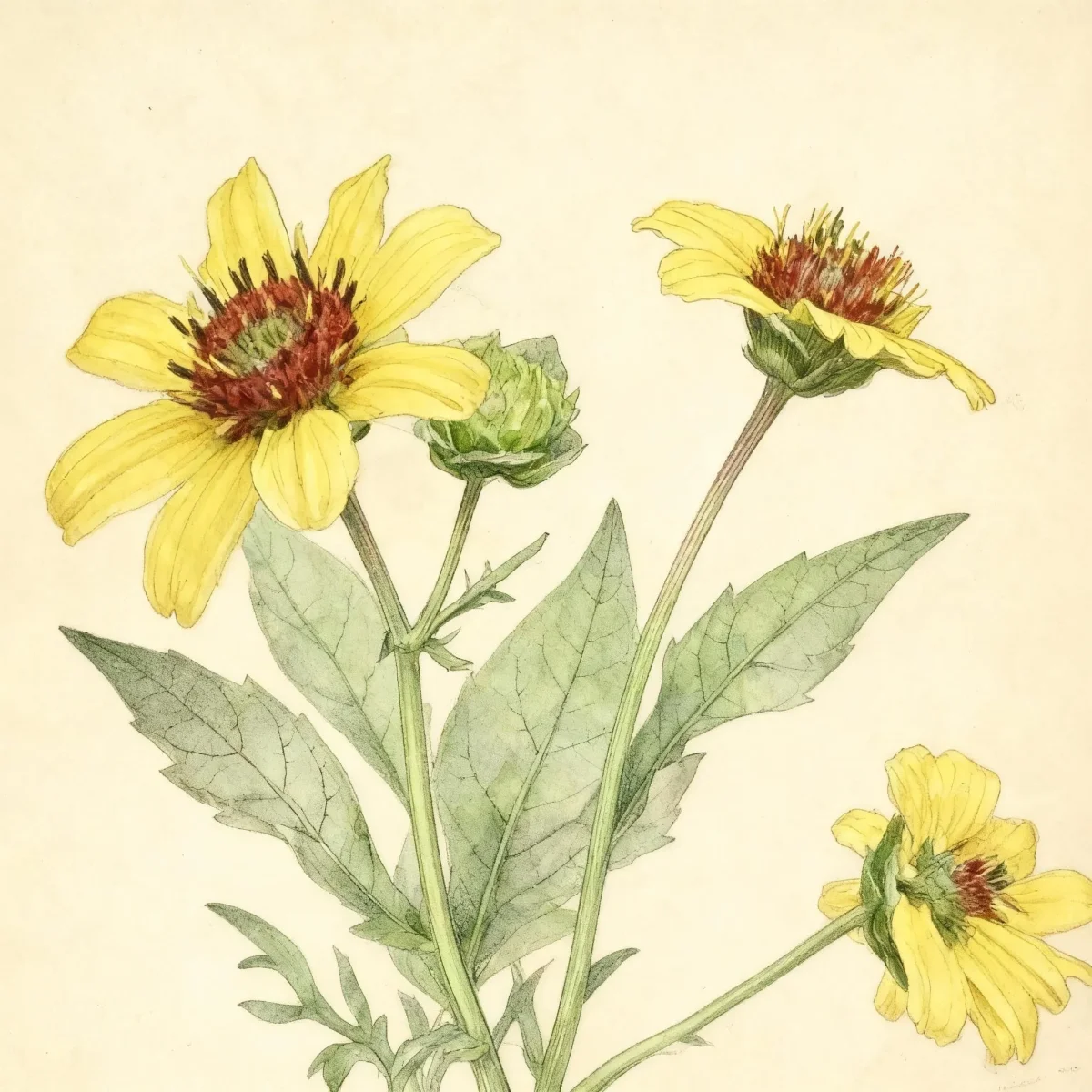
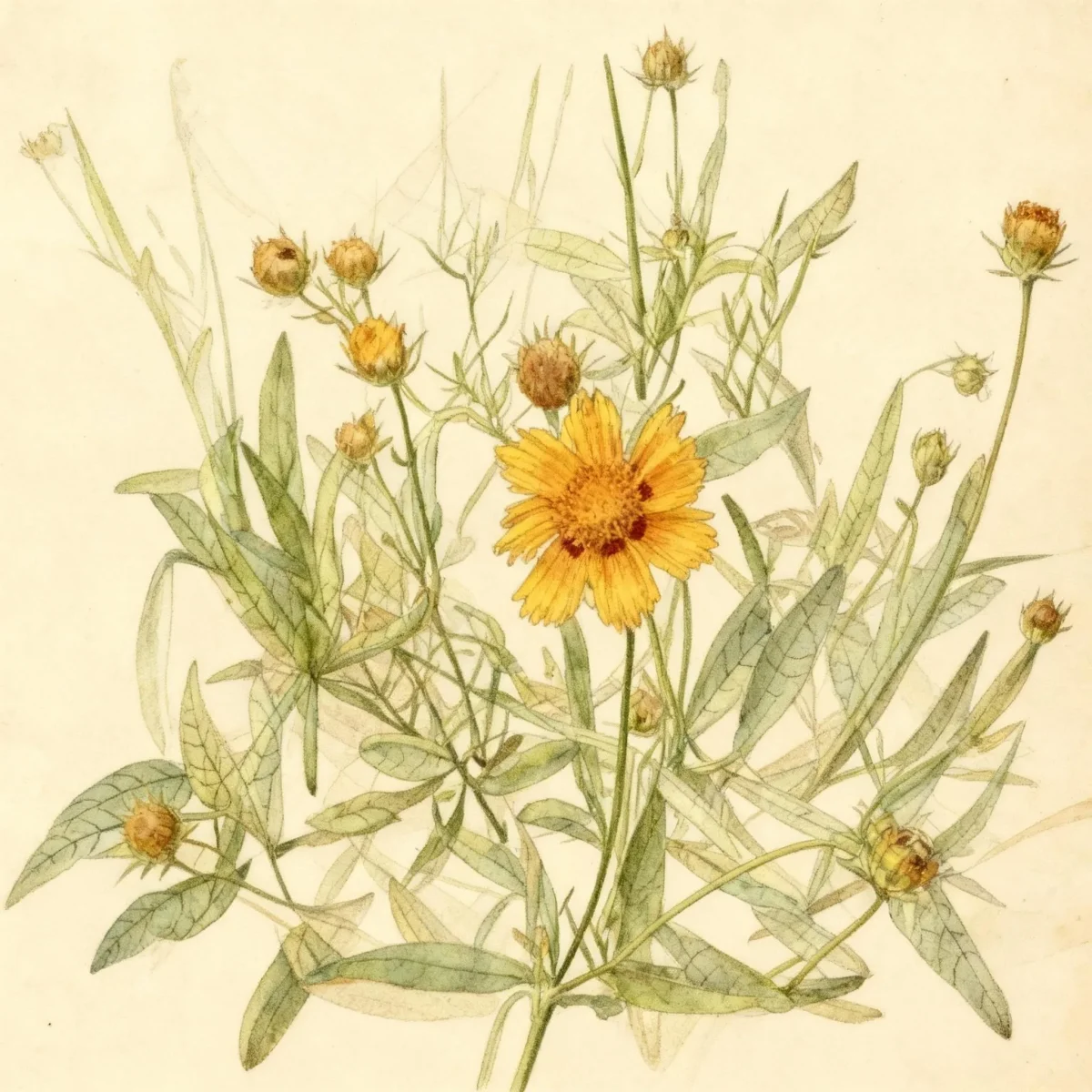
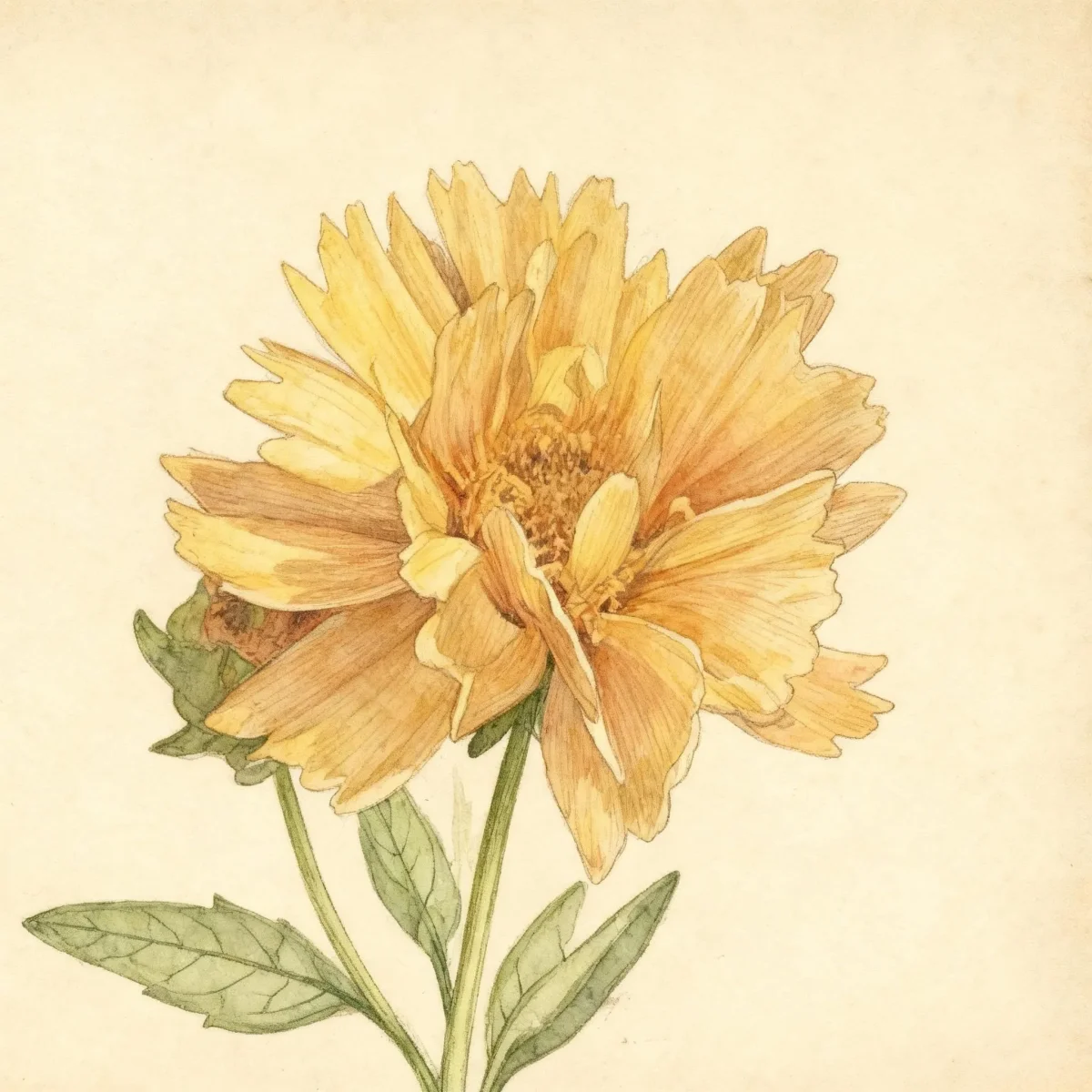
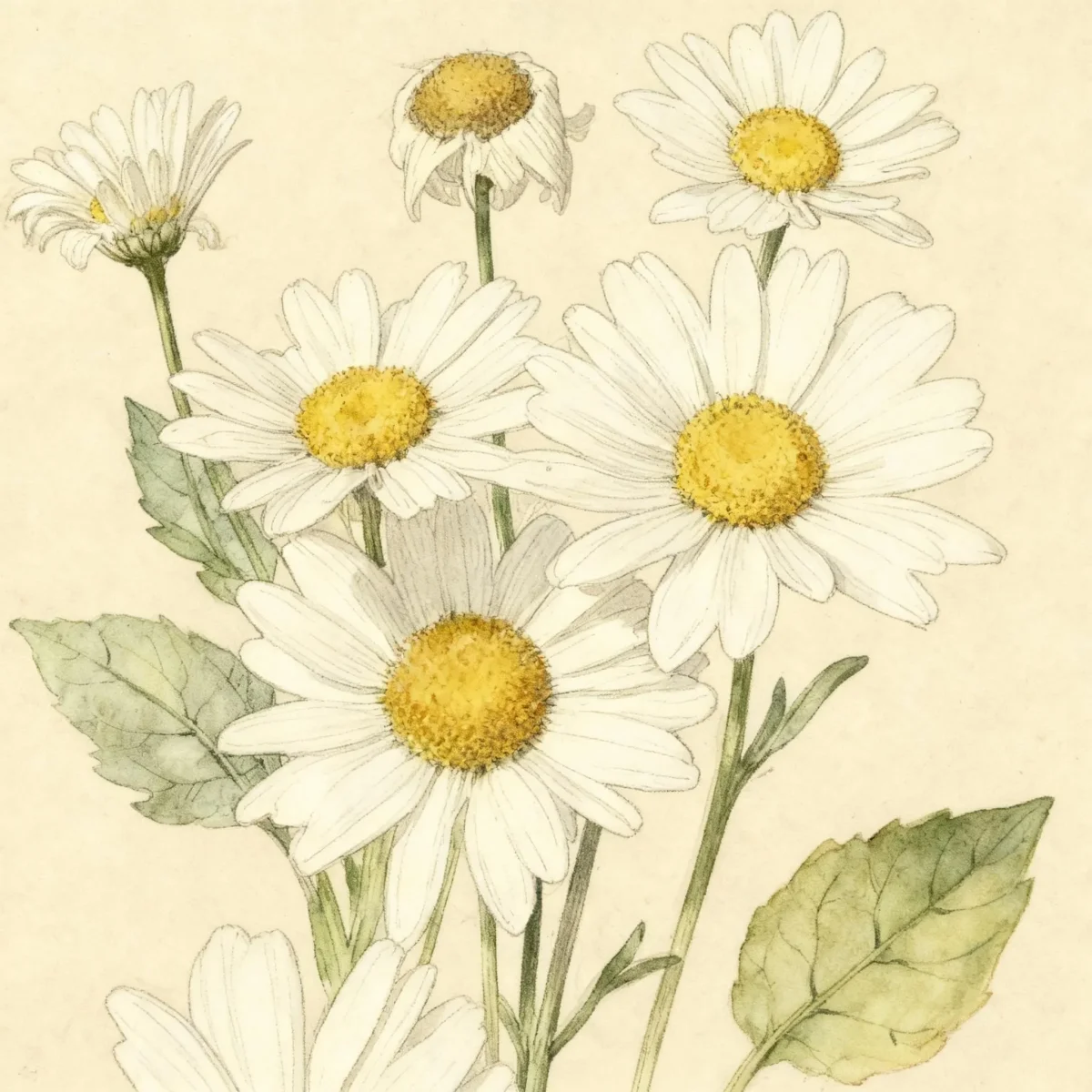
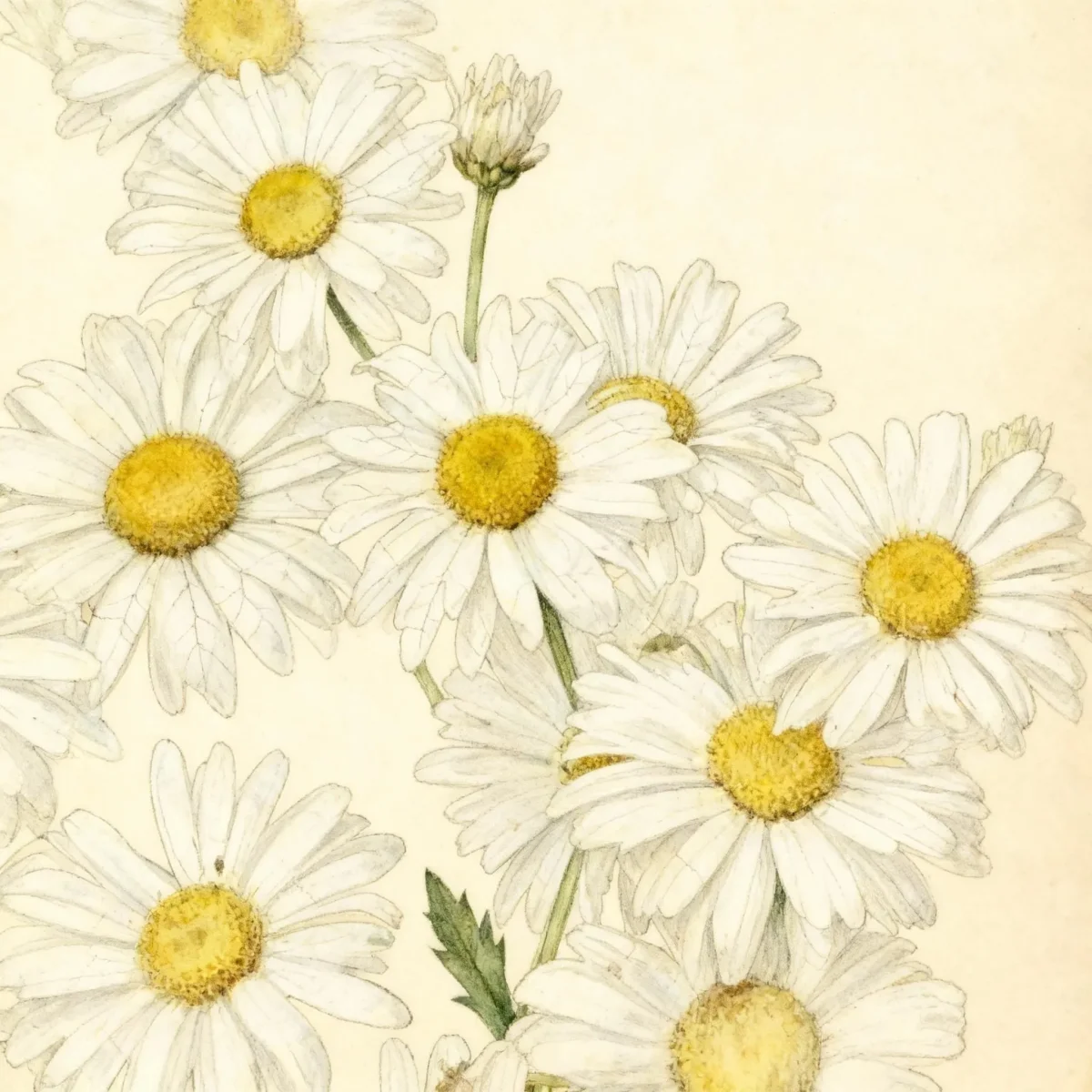
Missouri coneflower (Rudbeckia missouriensis)
The drought-tolerant Rudbeckia missouriensis features striking orange/yellow summer blooms and thrives in sun, making it a low-care prairie favorite.
Scroll down to discover growing tips, care requirements, companion plants, and more

Complete Plant Information
Overview
The Missouri coneflower, Rudbeckia missouriensis, is an outstanding native perennial valued for its resilience and long display of cheerful flowers. This species establishes itself well in challenging sites, offering bright, daisy-like flowers throughout the summer and into early fall. Gardeners appreciate the low maintenance requirements of this North American native.
This herbaceous perennial typically reaches heights between two and three feet, spreading mildly to form attractive colonies in the right conditions. Its structure features branched stems topped with flowers boasting brilliant yellow or orange rays encircling dark central disks. The overall effect provides essential late-season color for borders and naturalized settings.
Rudbeckia missouriensis is particularly valued for its tough constitution, easily tolerating heat, humidity, and drier soil conditions once established. Incorporating the Missouri coneflower into your landscape ensures reliable summer interest with minimal supplemental care, making it an excellent choice for sustainable gardening practices.
Fast Facts
- Plant Family: Asteraceae
- Plant Type: Herbaceous perennial
- Native Range: Southern and central United States
- Hardiness Zones: USDA Zones 5-8
- Size at Maturity:
- Height: 2-3 ft
- Spread: 1-2 ft
- Bloom Time: June to October
- Bloom Description: Orange, yellow
- Sun Exposure: Full sun
- Water Needs: Dry to medium
- Maintenance Level: Low
How to Grow
Plant Rudbeckia missouriensis in the spring once all danger of frost has passed or in the early fall. This species thrives in full sun—aiming for a minimum of six hours of direct sunlight daily to encourage robust flowering. The Missouri coneflower is adaptable but performs best in average, dry to medium, well-drained soils. It naturally occurs in limestone glades, indicating a preference for lean soils and excellent drainage; avoid heavy, wet clay which can impede root health.
Maintenance for the Missouri coneflower is refreshingly straightforward. Water only sparingly, especially once established, as it handles drought well—a key benefit for water-wise gardens. Fertilization is generally unnecessary; rich soil often leads to floppier growth rather than better blooms. Deadheading spent flowers can extend the bloom time slightly into the early fall, though this is not critical for health.
As the plant enters dormancy in the late fall, you can leave the spent stalks standing to provide winter interest and feed birds that consume the seeds. Otherwise, cut the stems back to the ground in early spring just as new growth begins to emerge. While Rudbeckia missouriensis tolerates hot and humid summers seamlessly, ensuring good air circulation helps prevent any minor fungal issues, though serious pests are rare.
Landscape Uses
The suggested use for this plant is often to ‘naturalize,’ allowing colonies of the Missouri coneflower to spread gently across larger areas like meadows, prairies, or native plant gardens. Its ability to form colonies makes it excellent for filling space quickly and stabilizing soil in sunny, drier areas.
In more formal settings, Rudbeckia missouriensis works beautifully along borders where its texture and color can contrast with fine-leaved grasses or soft-textured perennials. Consider integrating it into rock gardens, leveraging its tolerance for shallow and rocky soil conditions. It pairs well with other sun-loving, drought-tolerant natives such as several varieties of Coneflower (Echinacea) or native sedges.
For cottage gardens, the cheerful, repetitive bloom pattern of the Rudbeckia missouriensis contributes significantly to the informal, abundant aesthetic. Place it where passersby can easily appreciate the detail of the hairy stems and the bright ray flowers throughout the long summer season.
Standout Features
Flower Qualities
- Showy
Noteworthy Characteristics
Rudbeckia missouriensis, commonly called Missouri coneflower, is a Missouri native perennial which occurs in limestone glades in the Ozark region of the State. Often spreads to form large colonies in the wild, typically growing 2-3’ tall and featuring daisy-like flowers with yellow rays and black center disks on branched stems. The leaves and stems are conspicuously hairy, providing unique texture, and it offers a long summer-to-early-fall bloom period. Genus name honors Olof Rudbeck (1630-1702), a Swedish botanist.
Tolerances
- Deer
- Drought
- Dry Soil
- Shallow-Rocky Soil
Potential Problems
This plant boasts a high degree of pest and disease resistance. Gardeners rarely report serious insect or disease problems when the Rudbeckia missouriensis is sited correctly in full sun with adequate drainage. Avoid planting in overly rich or constantly saturated soil, as overly lush conditions can sometimes invite minor fungal issues like powdery mildew, although this is uncommon for this tough species. Proper spacing and watering habits are the best preventative measures.
Frequently Asked Questions
What hardiness zones is Missouri coneflower suitable for?
The Rudbeckia missouriensis is well-suited for USDA Hardiness Zones 5 through 8.
How large does Missouri coneflower grow?
This plant typically reaches a mature height between 2 to 3 feet tall, with a spread of 1 to 2 feet wide.
What sun exposure does Rudbeckia missouriensis need?
The Missouri coneflower requires full sun exposure to perform its best, ensuring abundant blooms from June through October.
When does Rudbeckia missouriensis bloom?
It provides an extended bloom time, generally flowering from June straight through October, displaying vibrant orange and yellow blooms.
Conclusion
The drought tolerance and low maintenance profile make the Missouri coneflower (Rudbeckia missouriensis) a superb foundational element for sustainable and sunny garden spaces. Its native status and reliability throughout the long summer season ensure valuable habitat and lasting beauty. Check your local USDA zone compatibility and plan to plant this resilient perennial during the spring for the best establishment.
Companion Planting
Choosing companions that share the sunny, well-drained requirements of Rudbeckia missouriensis will create cohesive planting schemes. Pair it with other prairie staples like Little Bluestem (Schizachyrium scoparium) or Purple Coneflower (Echinacea purpurea). These plants offer complementary textures and similar cultural needs, reinforcing the drought-tolerant nature of the grouping.
Consider incorporating native Salvias or shorter Aster varieties that fill in the space beneath the Missouri coneflower without competing aggressively for light. Since Rudbeckia missouriensis spreads to form colonies, placing taller, finer-textured partners nearby can add depth and balance to meadow designs.
Wildlife Benefits
The prominence of the Missouri coneflower in native landscapes is heavily linked to its significant wildlife value. The dark central cones are rich seed sources eagerly sought out by seed-eating songbirds, particularly goldfinches, throughout the fall and winter months. In the summer, the bright flowers attract a variety of vital pollinators.
Ensure you leave some of the seed heads standing in the fall to serve as crucial winter foraging material for birds. While foraging, bees, butterflies, and other beneficial insects utilize the abundant nectar provided by the long bloom cycle from June to October, supporting local ecosystems immediately adjacent to your garden space.