Rosinweed (Silphium integrifolium)
Rosinweed (Silphium integrifolium) is a low-maintenance perennial featuring showy yellow flowers from July to September, thriving in full sun.
Scroll down to discover growing tips, care requirements, companion plants, and more
Complete Plant Information
Overview
Rosinweed, scientifically known as Silphium integrifolium, is a valuable native perennial, often recognized by its common name, wholeleaf rosinweed. It offers reliably bright yellow, sunflower-like blooms that reliably emerge mid-summer, providing excellent color when many spring flowers have faded. This plant is characterized by its sturdy, erect stems and overall durability in the landscape.
As a native of the Central United States, Silphium integrifolium is highly adapted to local ecosystems and generally requires low maintenance once established. Gardeners prize it for its resilience and its ability to naturalize successfully throughout meadows or large perennial groupings. Its substantial height makes it an excellent structural backdrop plant for lower-growing native companions.
The name Silphium itself references ancient resin-bearing plants, hinting at the historical significance of related species, though its practical gardening benefits today lie in its ease of cultivation and striking aesthetic appeal. Offering deep roots and toughness, Rosinweed is an excellent choice for sustainable landscape design.
Fast Facts
- Plant Family: Asteraceae
- Plant Type: Herbaceous perennial
- Native Range: Central United States
- Hardiness Zones: USDA Zones 4-8
- Size at Maturity:
- Height: 2-6 ft
- Spread: 1-3 ft
- Bloom Time: July to September
- Bloom Description: Yellow
- Sun Exposure: Full sun
- Water Needs: Medium
- Maintenance Level: Low
How to Grow
Planting Silphium integrifolium is best done in spring or fall, allowing the plant ample time to establish its substantial taproot system before facing summer heat or deep winter freezes. Locate it in sites receiving full sun, although it can handle a small amount of thinning shade. This perennial adapts well to various soil structures, including average, medium moisture, well-drained loams, sands, or clay soils.
Care for Rosinweed should focus on patience during the initial establishment period, especially if starting from seed, as these plants can be slow to settle in. Avoid standard fertilization practices; this species thrives on its native soil conditions and typically requires none. Supplemental watering should only be necessary until established; after that, its medium water needs mean it tolerates occasional drought periods well.
Division of mature Silphium integrifolium is generally not recommended due to its deep taproots, which complicates transplanting. Let plants self-seed naturally to fill out areas where they are successfully naturalized. Minimal pruning is required; focus on cutting back stems in late winter or early spring before new growth begins.
Landscape Uses
Rosinweed is perfectly suited for applications where a natural, meadow-like aesthetic is desired. The suggested use is to naturalize this species, allowing it to spread gently through optimal conditions via self-seeding. This makes it a foundational element for prairie restorations, native wildflower gardens, and large, informal beds.
While some gardeners may find its robust habit slightly weedy in constrained formal borders, its height (up to 6 feet) positions it excellently as a dynamic backdrop against fences or walls, or behind shorter summer bloomers. Group plantings are highly recommended, as masses of Silphium integrifolium create a much more impactful display of its striking yellow flowers.
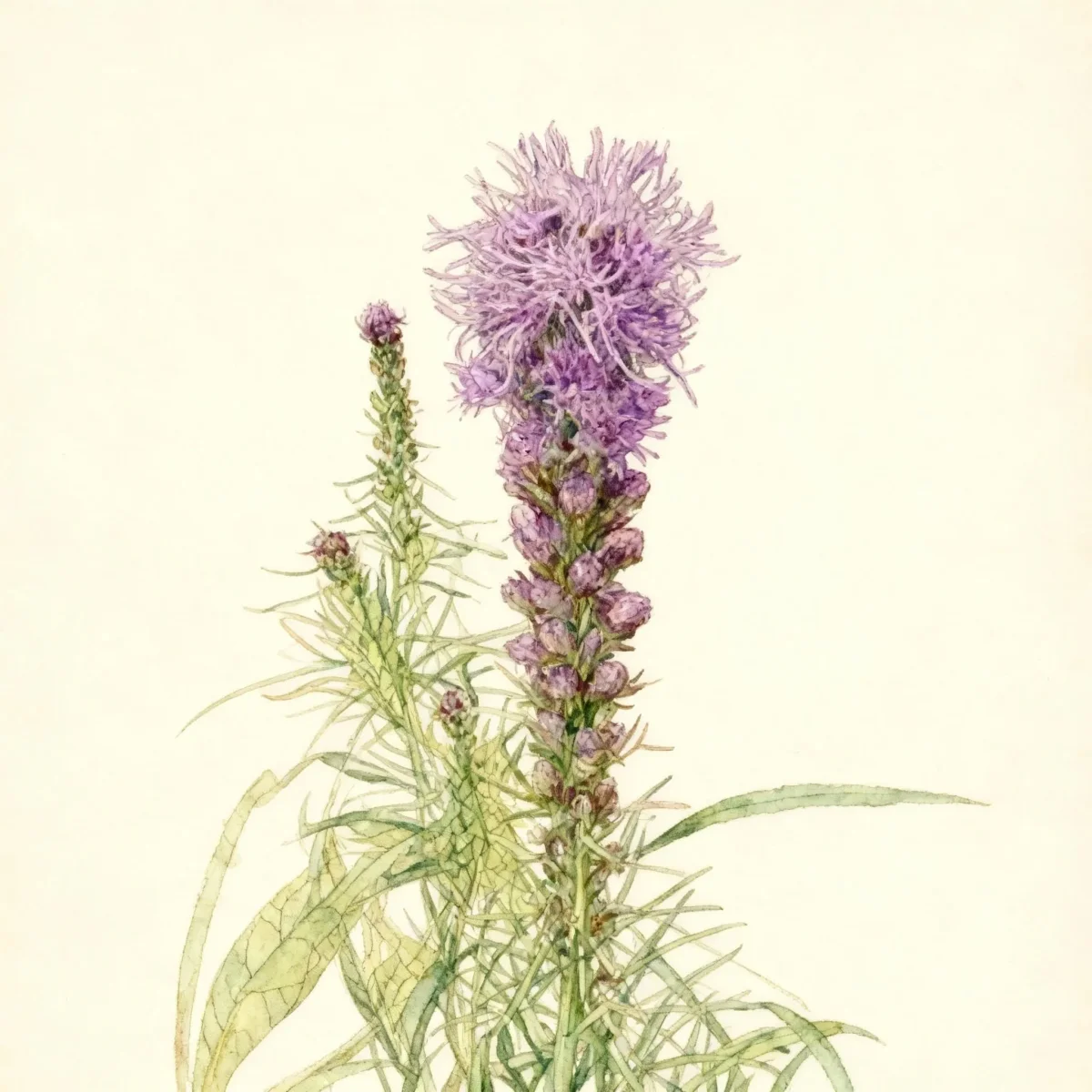
Consider pairing this native perennial with other mid to late-season bloomers that share similar cultural needs for full sun and average moisture. Think of companions like purple coneflowers, blazing stars (Liatris), or native goldenrods to create a rich, textural tapestry reminiscent of the Central United States prairies.
Standout Features
Flower Qualities
- Showy
Noteworthy Characteristics
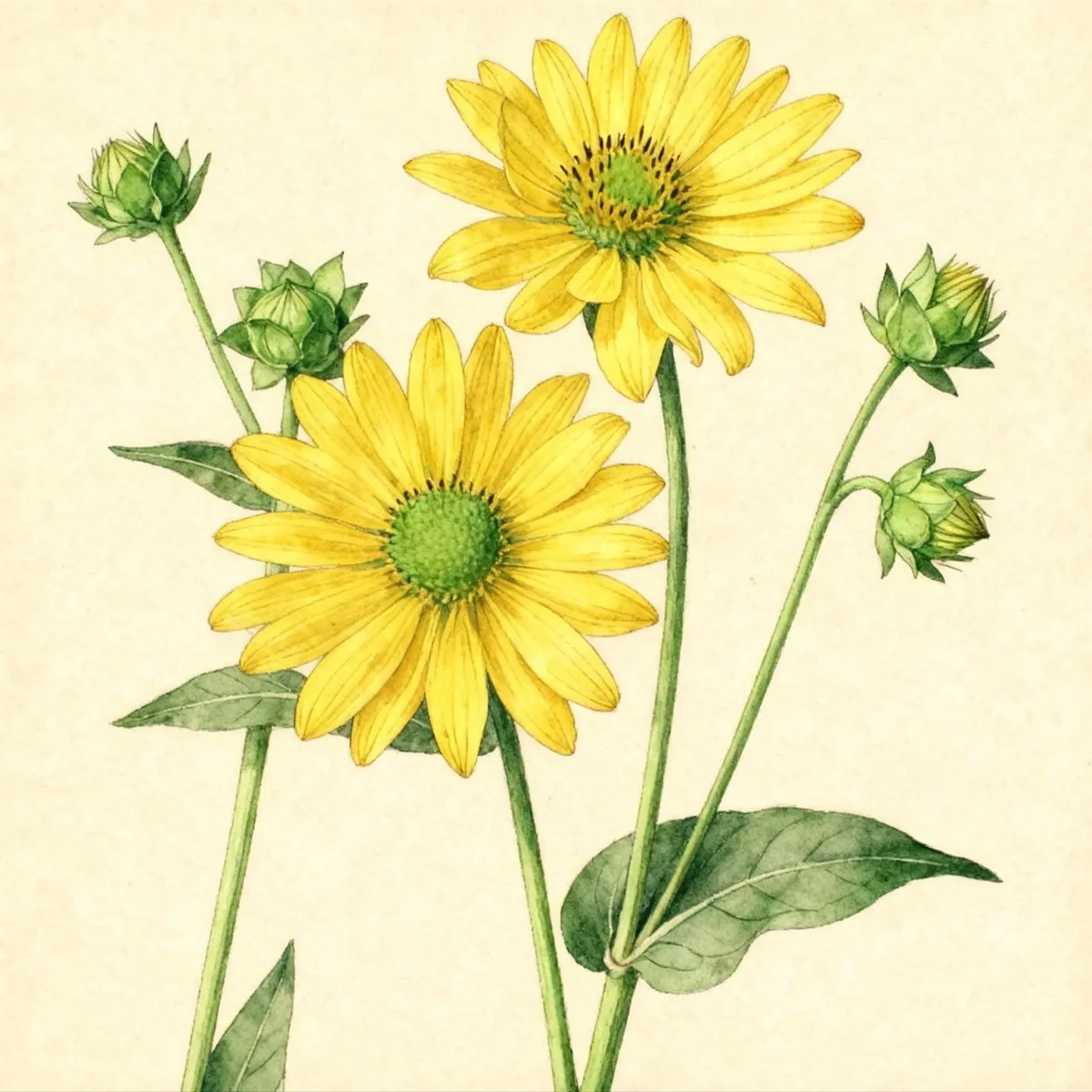
Silphium integrifolium, commonly called rosinweed or wholeleaf rosinweed, is a herbaceous perennial native to prairies, glades, railroad right-of-ways, and roadsides in the Midwest and portions of the southern United States. It grows shorter (often to 2-3’ tall) than most of the other native silphiums, though it may grow as tall as 6’. The erect, hairy stems are sparsely clad with pairs of rough, stalkless, hairless or bristly to woolly, medium green leaves (to 6” long) with smooth or finely serrated margins. Flowers (to 2-3” diameter) resembling small sunflowers appear in corymb-like inflorescences in mid-summer, featuring bright yellow rays and a yellow center disk.
Tolerances
- Clay Soil
Potential Problems
This tough perennial generally avoids serious insect or disease problems, making maintenance exceptionally low. However, in periods of high humidity or poor air circulation, gardeners may occasionally observe common fungal issues. These can include downy mildew, general leaf spots, or rust. Maintain good spacing between plants to improve air movement around the foliage of Silphium integrifolium to help mitigate these potential issues.
Frequently Asked Questions
What hardiness zones is Rosinweed suitable for?
Silphium integrifolium is robust, fitting well into USDA Hardiness Zones 4 through 8.
How large does Wholeleaf rosinweed grow?
This plant typically achieves a height between 2 and 6 feet, spreading from 1 to 3 feet wide at maturity.
When does Rosinweed bloom?
Rosinweed produces its vibrant yellow blooms consistently throughout the middle to late growing season, specifically from July to September.
What sun exposure does Silphium integrifolium need?
This perennial requires full sun exposure for the best flowering and growth performance in the garden.
Conclusion
Silphium integrifolium delivers spectacular, long-lasting late-season color with minimal input from the gardener, cementing its status as a resilient native powerhouse. Whether you are establishing a true prairie simulation or simply need a tall, tough perennial for the back of the border, Rosinweed is an excellent candidate. Always check your local hardiness zone compatibility before planning your spring planting schedule for this magnificent species.
Companion Planting
When incorporating Silphium integrifolium into your native landscape, selecting companions that share its preference for full sun and medium moisture ensures uniform health across the planting scheme. Excellent partners include other sturdy prairie natives that offer contrasting flower shapes or bloom times, such as various species of Milkweed (Asclepias) which support vital pollinator populations. Deeper-toned perennials help anchor the bright yellow of Rosinweed, creating depth and visual interest throughout the summer season.
Wildlife Benefits
As a member of the Silphium genus, this plant is highly beneficial for supporting native insect life. The large flower heads of Silphium integrifolium provide substantial landing pads and rich pollen sources for many species of bees and butterflies throughout mid to late summer. The seeds that develop later in the season are also highly attractive to seed-eating birds moving through the garden in the fall and winter months. Planting large drifts of Rosinweed enhances the biodiversity of your garden significantly.