Compass plant (Silphium laciniatum)
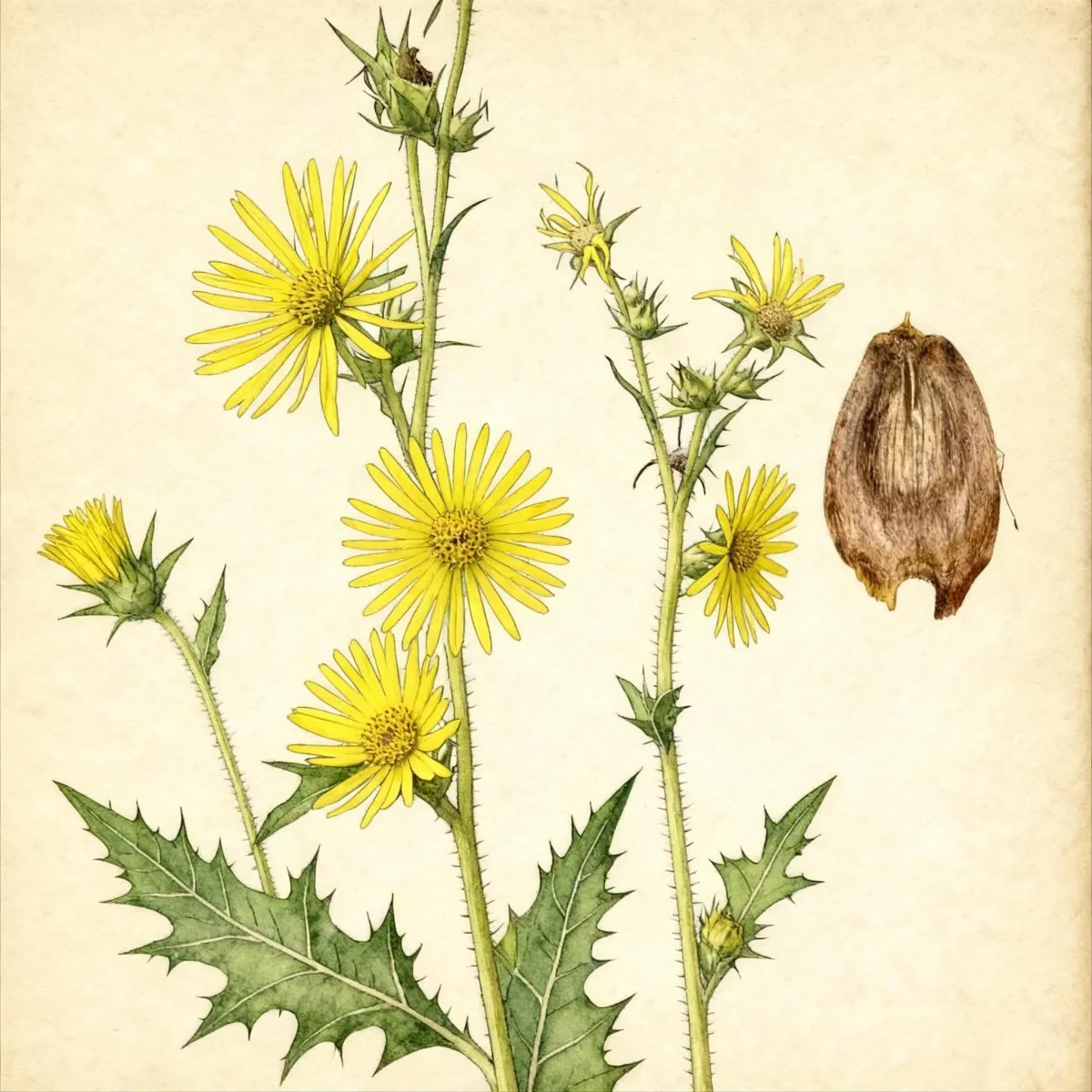
Silphium laciniatum, the striking Compass plant, is a tall, low-maintenance perennial native to Central North America with brilliant yellow blooms.
Scroll down to discover growing tips, care requirements, companion plants, and more
Complete Plant Information
Overview
The Compass plant (Silphium laciniatum) is a magnificent and commanding presence in the late summer garden. This towering herbaceous perennial is instantly recognizable by its deeply lobed, massive basal leaves, which historically led early explorers to use them for navigation—hence the common name. Its striking vertical architecture supports abundant, bright yellow, sunflower-like blossoms throughout the peak summer season.
As a native species of Central North America, Silphium laciniatum thrives in sunny, open environments and demonstrates remarkable resilience once established. Gardeners prize this plant for its combination of drama, color, and low maintenance requirements, making it an excellent choice for large landscape designs or naturalized meadows.
Its deep root system allows the Compass plant to tolerate less-than-ideal conditions, rewarding patient gardeners with spectacular height and reliable blooms year after year. Site it where its stature can be appreciated against the backdrop of the summer sky.
Fast Facts
- Plant Family: Asteraceae
- Plant Type: Herbaceous perennial
- Native Range: Central North America
- Hardiness Zones: USDA Zones 3-8
- Size at Maturity:
- Height: 5-9 ft
- Spread: 1.5-3 ft
- Bloom Time: July to September
- Bloom Description: Yellow
- Sun Exposure: Full sun
- Water Needs: Medium
- Maintenance Level: Low
How to Grow
The key to success with Silphium laciniatum is proper initial placement, as it dislikes disturbance once settled. Plant seedlings or young bare-root crowns in the spring after the last frost date, ensuring a location that receives full, uninterrupted sunlight throughout the day. This plant is highly adaptable and is easily grown in average, medium, well-drained soils. It tolerates poor soils readily, making it surprisingly low-demanding.
Established plants require only medium water, typically needing supplemental irrigation only during prolonged summer droughts. Fertilization is generally unnecessary; over-fertilizing can encourage weak, floppy growth unsuitable for such a tall specimen. Mulch well during the establishment phase to help suppress weeds that compete with the slow-growing roots.
As a long-lived perennial, Silphium laciniatum requires minimal seasonal intervention. Deadhead spent flowers if a cleaner look is desired, though leaving seed heads provides winter interest and forage. Due to its slow establishment rate, be patient; the Compass plant may not put on a significant display or flower robustly until its second or third year in the ground. Avoid transplanting mature specimens whenever possible.
Landscape Uses
The impressive height of the Compass plant immediately designates it for the rear of mixed perennial borders, offering a powerful vertical anchor that contrasts well with shorter prairie companions. It excels in naturalistic plantings where its rugged character fits seamlessly into ecological designs. Consider grouping several together for significant visual impact across prairie restoration projects or large wildflower gardens.
When selecting companions, choose other sturdy, full-sun lovers that won’t be overwhelmed by the 9-foot stature of Silphium laciniatum. Excellent pairings include tall perennial sunflowers (Helianthus species), Purple Coneflower (Echinacea purpurea), or other structuring prairie natives. For cottage garden settings, allow its wild texture to counterbalance highly manicured plants. This species is fantastic for native plant gardens focused on supporting local ecosystems.
Standout Features
Flower Qualities
- Showy
Noteworthy Characteristics
The deeply cut, basal leaves reaching up to 18 inches long are highly distinctive, resembling oak leaves and giving rise to the common name, as they purportedly orient themselves north-south. Sturdy, bristly, resinous stems carry cheerful, sunflower-like flowers nearly five inches wide throughout the summer months. This robust resilience and unique foliage shape make the Compass plant a horticultural standout.
Tolerances
- Drought tolerant once established
Potential Problems
Silphium laciniatum is rarely bothered by serious insect pests or diseases, which is a significant benefit for organic gardeners. The primary challenge encountered when growing this species is its slow establishment period. New plants can take two to three growing seasons to achieve a robust root system capable of supporting maximum height and prolific blooming.
To manage establishment, ensure the planting site receives consistent, deep watering during the first year without being waterlogged. Avoid disturbing the soil around the plant unnecessarily after planting, as root damage can severely stunt its development. Once established in a suitable, sunny, well-drained spot, maintenance largely disappears.
Frequently Asked Questions
What hardiness zones is Compass plant suitable for?
Silphium laciniatum is reliably hardy in USDA Zones 3 through 8, offering excellent cold tolerance for Northern gardeners.
How large does Compass plant grow?
This species is quite tall, typically reaching heights between 5 and 9 feet, with a moderate spread ranging from 1.5 to 3 feet wide.
What sun exposure does Silphium laciniatum need?
The Compass plant absolutely requires full sun exposure to maintain sturdy, upright growth and achieve prolific flowering.
When does Silphium laciniatum bloom?
The bright yellow flowers of the Compass plant appear reliably from July through September.
Conclusion
The commanding presence and reliable nature of Silphium laciniatum make it an indispensable backbone plant for sunny borders and naturalized areas. Offering visual drama, low maintenance, and native resilience, the Compass plant delivers fantastic value to nearly any large garden space. Before planting, verify that your location aligns with USDA Zones 3-8 and provides consistent full-sun exposure.
Companion Planting
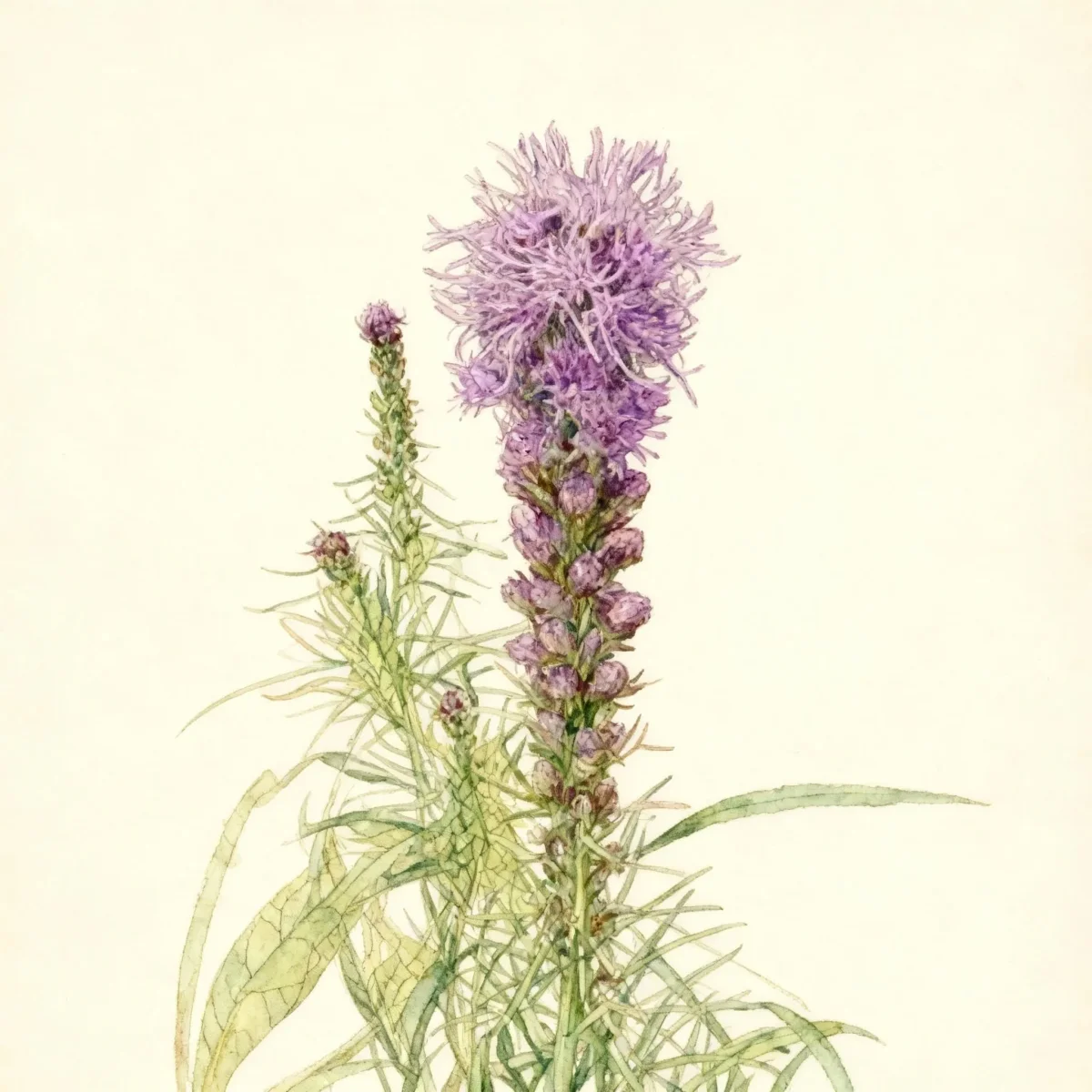
Because the Compass plant demands full sun and handles drier, average soils well, select companions that share these fundamental needs. Pair it with other robust prairie natives that bloom slightly earlier or later to extend the season of interest in the same footprint. Coneflowers, Blazing Star (Liatris), and various species of native Rudbeckia create a classic, visually cohesive Native American seed mix aesthetic surrounding the towering structure of Silphium laciniatum.
Seasonal Care Calendar
Spring is the time to clear any old dead foliage from the previous season once new growth begins emerging from the base. Focus watering efforts during the first year while the plant is establishing its deep taproot; established plants rarely need supplemental watering. In late summer and early fall, allow the yellow flower heads to remain standing, as they offer excellent architectural value and seeds later for birds. Winter protection involves nothing more than letting the dried stalks stand until a hard frost passes or until you are ready for a spring cleanup.