Cup plant (Silphium perfoliatum)
Silphium perfoliatum, the Cup plant, is a striking 4-8 ft perennial for wet sites requiring full sun and low maintenance.
Scroll down to discover growing tips, care requirements, companion plants, and more

Complete Plant Information
Overview
The magnificent Cup plant, scientifically known as Silphium perfoliatum, is a coarse, imposing herbaceous perennial native to the moist prairies and thickets of eastern North America. Gardeners value this plant for its dramatic height and its unique foliage structure, which gives the plant its common name. The paired leaves clasp the square stems so closely that they form a small cup capable of holding rainwater, a truly distinctive feature among native flora.
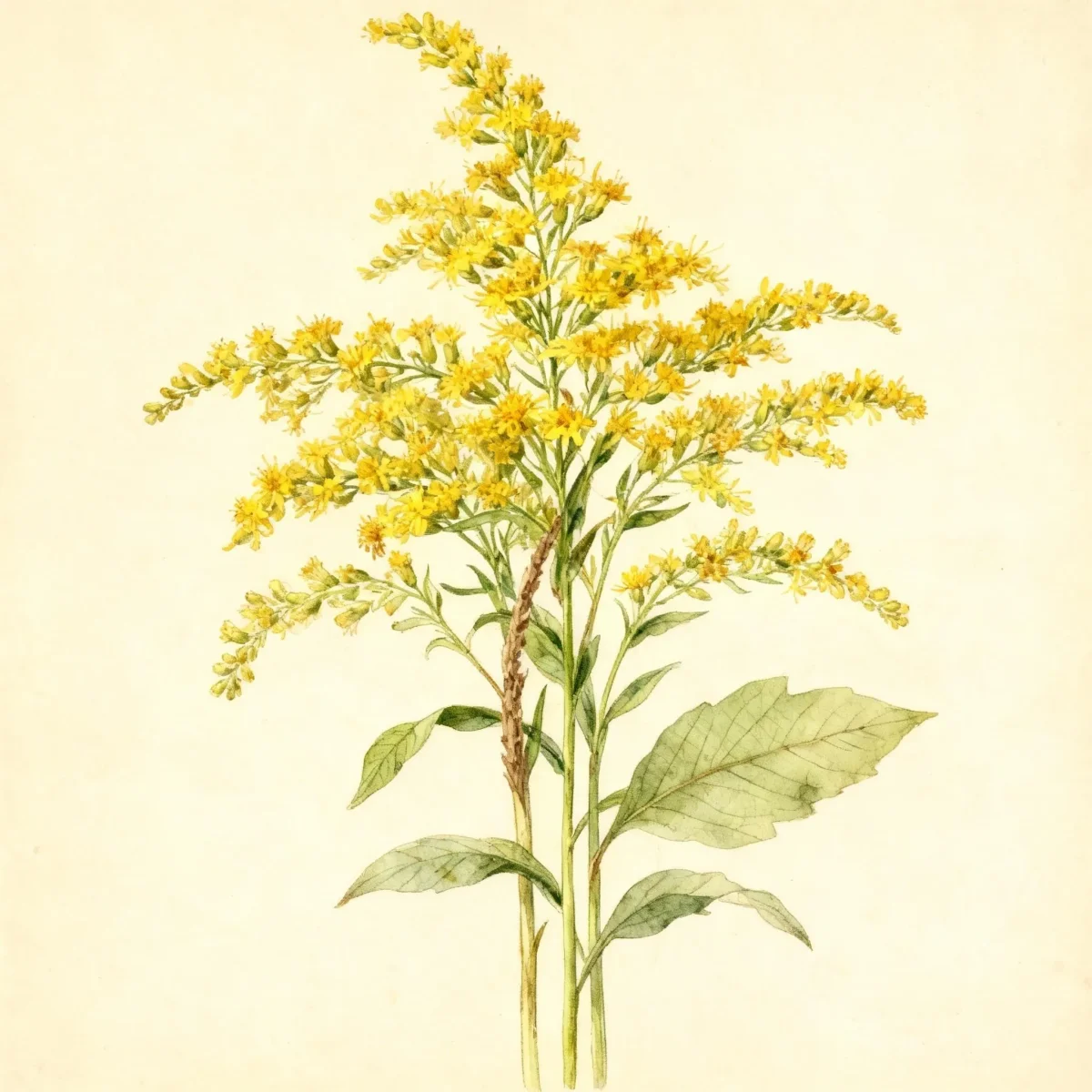
Silphium perfoliatum produces cheerful, sunflower-like yellow flower heads atop its lofty 4-to-8-foot stalks throughout the mid to late summer. It thrives in demanding conditions, particularly moisture-rich soils where many other perennials struggle. While it establishes slowly from seed, once mature, the robust structure of the cup plant provides excellent vertical interest.
Offering structure and brilliant yellow color, the cup plant excels in naturalized settings, rain gardens, or as an impressive backdrop in large borders. Its low maintenance requirement and tolerance for heavy soils make Silphium perfoliatum a practical choice for ecologically focused landscape designs.
Fast Facts
- Plant Family: Asteraceae
- Plant Type: Herbaceous perennial
- Native Range: Central-eastern Canada to southeastern United States
- Hardiness Zones: USDA Zones 3-9
- Size at Maturity:
- Height: 4-8 ft
- Spread: 1-3 ft
- Bloom Time: July to September
- Bloom Description: Yellow
- Sun Exposure: Full sun
- Water Needs: Medium to wet
- Maintenance Level: Low
How to Grow
Plant Silphium perfoliatum in spring or early fall in a location that receives full sun exposure. While it adapts to average soils, it thrives best in moist, rich garden conditions. Ensure the planting site is not overly cramped, as this robust perennial needs space to handle its significant mature size.
Water requirements for the cup plant are medium to wet, making it an excellent candidate for rain gardens or areas near pond edges. It prefers consistently moist soil but demonstrates notable drought tolerance once its deep root system is fully established. Routine fertilization is generally unnecessary; providing rich, organic soil at planting time is usually sufficient for long-term vigor.
Maintenance for Silphium perfoliatum is commendably low once established. Deadheading is optional; letting the seed heads remain can provide late-season interest and food for birds. In early spring, cut back the old, coarse stems close to the ground before new growth begins. Remember that this plant can be somewhat slow to emerge in the spring and even slower to establish when started from seed.
Landscape Uses
The structural presence of Silphium perfoliatum lends itself perfectly to naturalizing large areas, thriving where it can spread slightly through self-seeding in optimal conditions. Due to its height, some gardeners utilize the cup plant as an informal rear border element, preventing it from overshadowing shorter companions. It is an essential component in prairie restorations or wildflower meadows where its deep roots help stabilize soil.
For areas with poor drainage or frequent moisture, the cup plant is an outstanding feature for rain gardens, effectively managing runoff while delivering summer color. Avoid planting it in small, highly manicured perennial borders, as its coarse nature can appear overwhelming outside of broad, naturalistic designs. Look for companions that appreciate similar moist, sunny environments.
Consider using the towering stems of Silphium perfoliatum alongside dense grasses or other tall natives like Ironweed or Joe Pye Weed to create a layered, visually interesting composition that remains attractive through the fall season.
Standout Features
Flower Qualities
- Showy
Noteworthy Characteristics
Silphium perfoliatum, commonly called cup plant, is a coarse, sunflower-like, Missouri native plant which occurs in open, low woods and thickets, wet meadows and prairies, stream/pond peripheries and along railroad tracks in the Midwest and portions of the southern United States. It typically grows on tough, erect stems to 4-8’ tall and is distinguished from the other silphiums by its square/quadrangular stems and pairs of cup-forming leaves. Flower heads (to 3” diameter) featuring light yellow rays (20-40) and darker yellow center disks bloom in summer on the upper part of the plant. Rough, triangular to ovate, coarsely-toothed, opposite, connate-perfoliate, medium green leaves can reach 14” long. The leaf pairs are united at their bases, enveloping the stems.
Tolerances
- Clay Soil
- Wet Soil
Potential Problems
This outstanding native generally exhibits strong pest and disease resistance. Gardeners typically report no serious insect or disease problems when growing Silphium perfoliatum. Its robust nature and preference for specific moist soil conditions help it bypass many common garden ailments suffered by less adaptable species.
Due to its low susceptibility to pests, chemical intervention is rarely required, supporting a healthy ecosystem in your garden space. Focus maintenance efforts instead on ensuring adequate moisture during establishment periods.
Frequently Asked Questions
What hardiness zones is Silphium perfoliatum suitable for?
Silphium perfoliatum is highly adaptable, thriving in USDA Zones 3 through 9.
How large does Cup plant grow?
This perennial reliably reaches heights between 4 to 8 feet tall, with spreads typically ranging from 1 to 3 feet wide.
What sun exposure does Cup plant need?
The cup plant requires full sun exposure to achieve its best stature and flowering potential.
When does Silphium perfoliatum bloom?
It provides vibrant yellow blooms from July through September, peaking in late summer.
Conclusion
The Cup plant (Silphium perfoliatum) is a valuable, low-maintenance addition to any landscape prioritizing native structure and tolerance for moisture. Its unique cup-like leaves and vigorous yellow summer display make it a standout performer in rain gardens and naturalized settings. Before planting, confirm your site offers full sun and assess whether the 8-foot potential height fits your design scheme.
Companion Planting
When selecting companions for Silphium perfoliatum, prioritize other tall, moisture-tolerant prairie natives that bloom slightly before or after its peak performance. Good pairings often include wetland monarchs like Swamp Milkweed (Asclepias incarnata) or other tall Aster family members such as Ironweed (Vernonia species). These companions share the Cup plant’s appreciation for full sun and moist to wet soil conditions.
Ensure that any companion plants share the low-maintenance ethos; complex care routines will clash with the easygoing nature of Silphium perfoliatum. Grouping it with dense, clumping perennials helps balance the vertical presence of the cup plant without competing for critical root space in wet ground.
Wildlife Benefits
The large, daisy-like flowers of Silphium perfoliatum are highly effective magnets for a wide array of pollinators, including large native bees and various butterflies throughout the summer. Providing reliable nectar sources during the mid-summer slump is a key ecological benefit of this plant.
Furthermore, the substantial seed heads produced late in the season offer crucial sustenance for seed-eating songbirds as they prepare for winter migrations. By allowing seed heads to stand until spring cleanup, gardeners provide vital winter habitat and food resources, maximizing the functional value of the cup plant in the garden ecosystem.