Blessed milkthistle (Silybum marianum)
Grow striking Silybum marianum, or Blessed milkthistle, for its architectural leaves and purple flowers. A biennial for full sun gardens.
Scroll down to discover growing tips, care requirements, companion plants, and more
Complete Plant Information
Overview
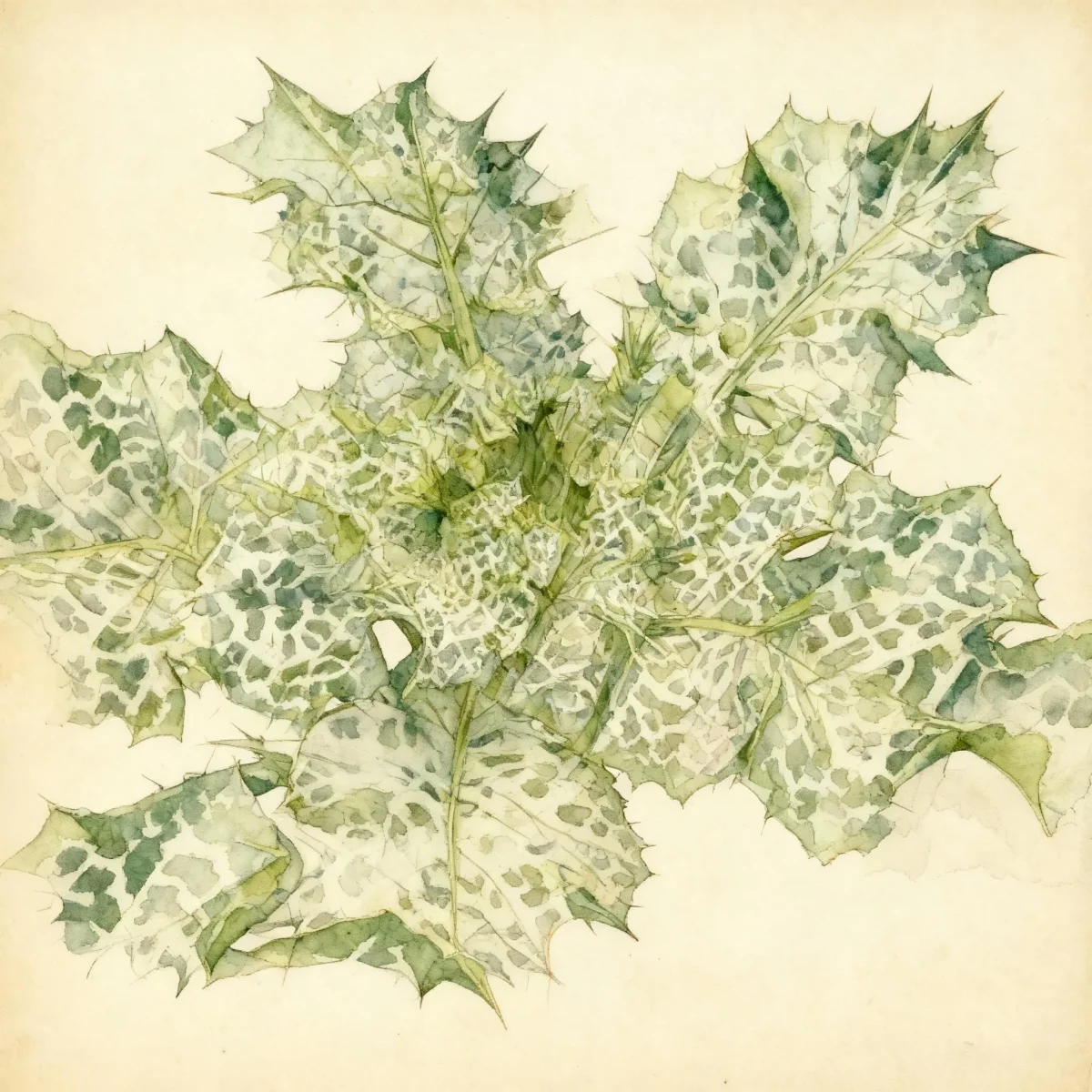
Blessed milkthistle (Silybum marianum) is instantly recognizable due to its large, deeply lobed green foliage dramatically accented with distinctive white marbling. This characteristic patterning gives rise to its common name, milk thistle, as the leaves exude a milky sap when damaged. While often grown as an annual for its dramatic first-year rosette, Silybum marianum develops into a commanding biennial display, culminating in tall stalks topped with thistle-like purple blooms.
Although revered historically for medicinal properties derived from its seeds, gardeners value this plant for its bold architectural presence in the landscape. It thrives in bright conditions, lending a Mediterranean flair which contrasts nicely with softer foliage. Successful cultivation of Silybum marianum requires acknowledging its self-seeding habit and handling concerns related to its spiny structure.
For those seeking high-impact drama from this unique member of the Asteraceae family, planning for its biennial cycle is key. Whether grown as a short-lived annual or allowed to complete its second year, Blessed milkthistle offers robust growth and eye-catching texture when sited correctly.
Fast Facts
- Plant Family: Asteraceae
- Plant Type: Herbaceous perennial
- Native Range: Southern Europe, Asia
- Hardiness Zones: USDA Zones 5-10
- Size at Maturity:
- Height: 3-5 ft
- Spread: 3-4 ft
- Bloom Time: July to August
- Bloom Description: Purple-pink
- Sun Exposure: Full sun
- Water Needs: Medium
- Maintenance Level: Medium
How to Grow
Silybum marianum demands full sun for the best development, requiring an average, moderately fertile, and well-drained soil. It is highly adaptable and tolerates poor soil conditions, making it useful for challenging spots, though good drainage is essential. For biennial growth, directly sow seeds in the garden from May through August; flowers will only appear the following summer.
When treating Silybum marianum as an annual, start seeds indoors in March and transplant outdoors after the danger of spring frost has passed to ensure blooms appear in late summer. Water needs are medium; mature plants establish resilience but should not be allowed to suffer prolonged drought, especially during hot weather. No routine fertilization is typically needed, especially if the soil is already moderately rich.
Maintenance centers heavily on managing its spread. Flowering plants spread aggressively via self-seeding. To prevent unwanted colonization, remove seed heads promptly after the purple-pink flowers fade. This is crucial for keeping Blessed milkthistle contained within its desired location.
Flower Qualities
- Showy
Noteworthy Characteristics
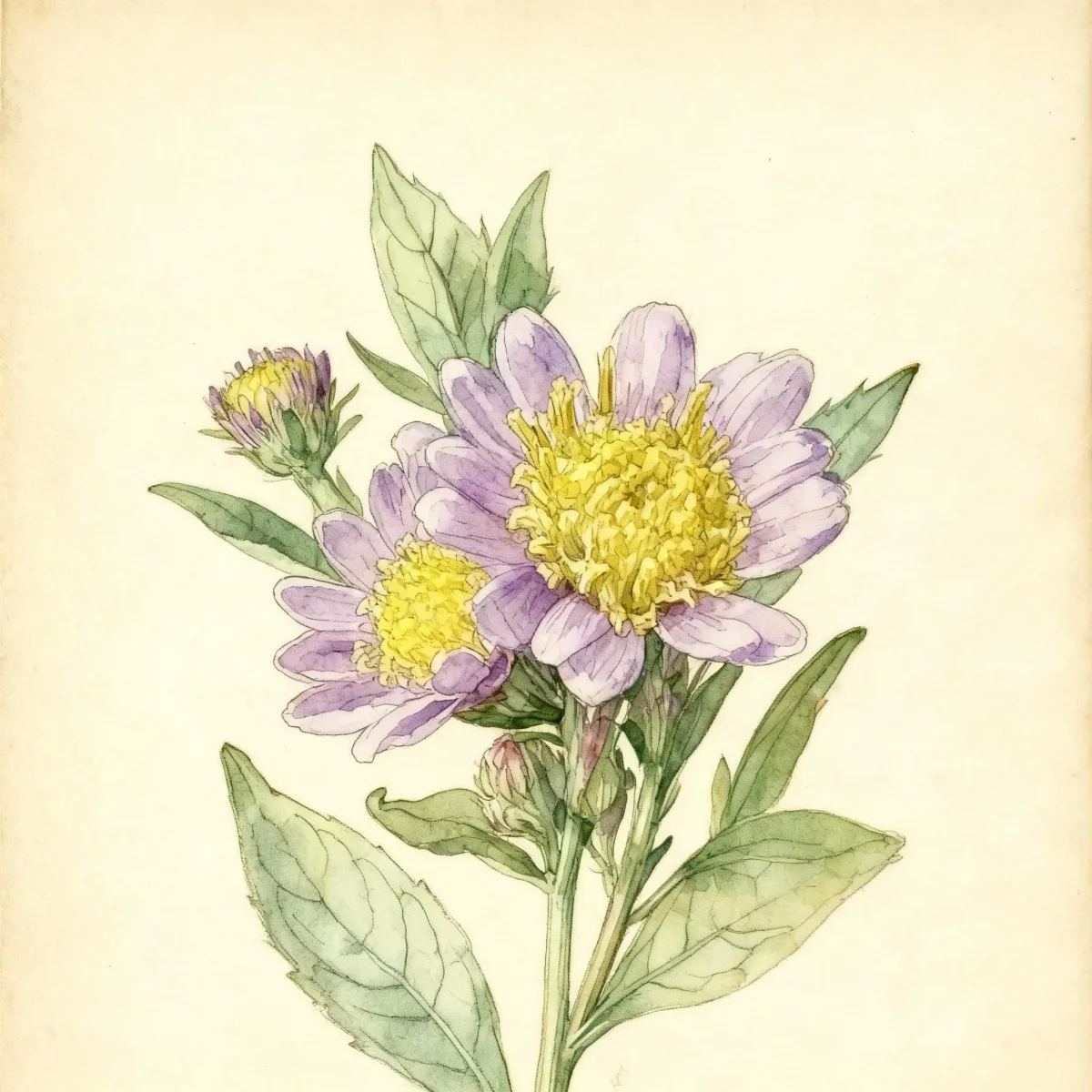
Silybum marianum, commonly called blessed thistle or milk thistle, is a rosette-forming biennial that is native to the Mediterranean region (southern Europe, western Asia and northern Africa). It has naturalized in parts of Europe, North America, South America, Australia and New Zealand. It is an invasive self-seeder in some locations (Class A noxious weed in the State of Washington). In the first year, a showy rosette of deeply lobed, obovate, spiny green leaves (to 20” long) with distinctive white marbling appears. Leaves and stems exude a milky sap when cut, hence the common name of milk thistle. In the second year, a strong flower stalk rises from the foliage rosette to 3-5’ tall bearing thistle-like, mildly-scented, purple-pink flower heads (2” across) subtended by spiny bracts. Flowers are followed by seed as the plant completes its biennial (sometimes annual) life. An extract (silymarin) from the seeds of this plant has been used for many years in the treatment of a variety of medical problems including liver disorders, gall bladder disorders, high cholesterol and mushroom poisoning (especially from Amanita phalloides - death cap mushrooms).Genus name comes from the Greek name silybon for some thistle-like plant.Specific epithet applied to various plants with mottled leaves
Landscape Uses
Milk thistle offers substantial ornamental value through its attractive, deeply marbled leaves and structural height, yet its aggressive biennial nature and spiny parts demand thoughtful placement. It is best used where its structure can be appreciated up close, such as along border peripheries or within dedicated herb gardens where its medicinal history and visual boldness are celebrated. While it naturalizes easily, gardeners must diligently deadhead to contain this tendency.
Because Silybum marianum eventually requires disposal of its spines, it is best situated near structural elements or pathways where cleanup is easier, rather than deep within mixed perennial beds where reaching it might prove difficult. It excels in areas with poor soils where other showy ornamentals might struggle, reinforcing its robust character.
Tolerances
Potential Problems
Silybum marianum is generally robust, exhibiting no serious insect or disease problems under suitable growing conditions. The primary management concern is protecting the young foliage from mollusks. Watch closely for slugs and snails, which can cause significant damage to the large, succulent leaves, especially when the plant is young.
Caterpillars may sometimes be present, feeding on the foliage. If infestations are minor, handpicking them off the spiny leaves might be sufficient. Always review the plant’s invasive potential in your region; in some climates, this strong self-seeder is classified as a noxious weed, requiring strict containment measures.
Frequently Asked Questions
What hardiness zones is Blessed milkthistle suitable for?
Blessed milkthistle (Silybum marianum) is suitable for USDA Hardiness Zones 5 through 10.
How large does Silybum marianum grow?
This plant typically reaches a mature height between 3 and 5 feet, with a comparable spread of 3 to 4 feet.
What sun exposure does Blessed milkthistle need?
Silybum marianum requires full sun exposure to achieve strong growth and flowering performance.
When does Blessed milkthistle bloom?
The distinctive purple-pink flowers of Silybum marianum generally appear from July through August.
Conclusion
The unique architectural foliage and striking vertical element provided by its summer blooms make Blessed milkthistle a powerful specimen plant for informal settings. By managing its prolific seed production through timely deadheading, gardeners can enjoy the dramatic visual impact of Silybum marianum without worrying about uncontrolled spread. Before planting, confirm its suitability for your climate and actively plan for seed head removal come late summer.
Companion Planting
When siting Silybum marianum, choose companions that can tolerate full sun and are robust enough not to be overwhelmed by its size, yet soft enough visually to contrast with its spiny nature. Consider pairing it with drought-tolerant Mediterranean herbs like Lavender (Lavandula) or Rosemary (Salvia rosmarinus), which share similar cultural needs for well-drained soil. Alternatively, plant lower-growing, leafy companions like Lamb’s Ears (Stachys byzantina) around the base to visually soften the planting area and act as a barrier to help manage the spiny base.
Structural Design Elements
Due to its biennial life cycle and impressive stature, Silybum marianum functions best as a temporary architectural anchor in a garden design, particularly suitable for cottage or rustic styles. Use it as a focal point where you need height in the second year, knowing it will need replacement the following season if you relied on its annual performance. Its bold texture also works well when placed against plain walls or fences, highlighting the intricate white veining of the leaves against a dark, uniform backdrop.