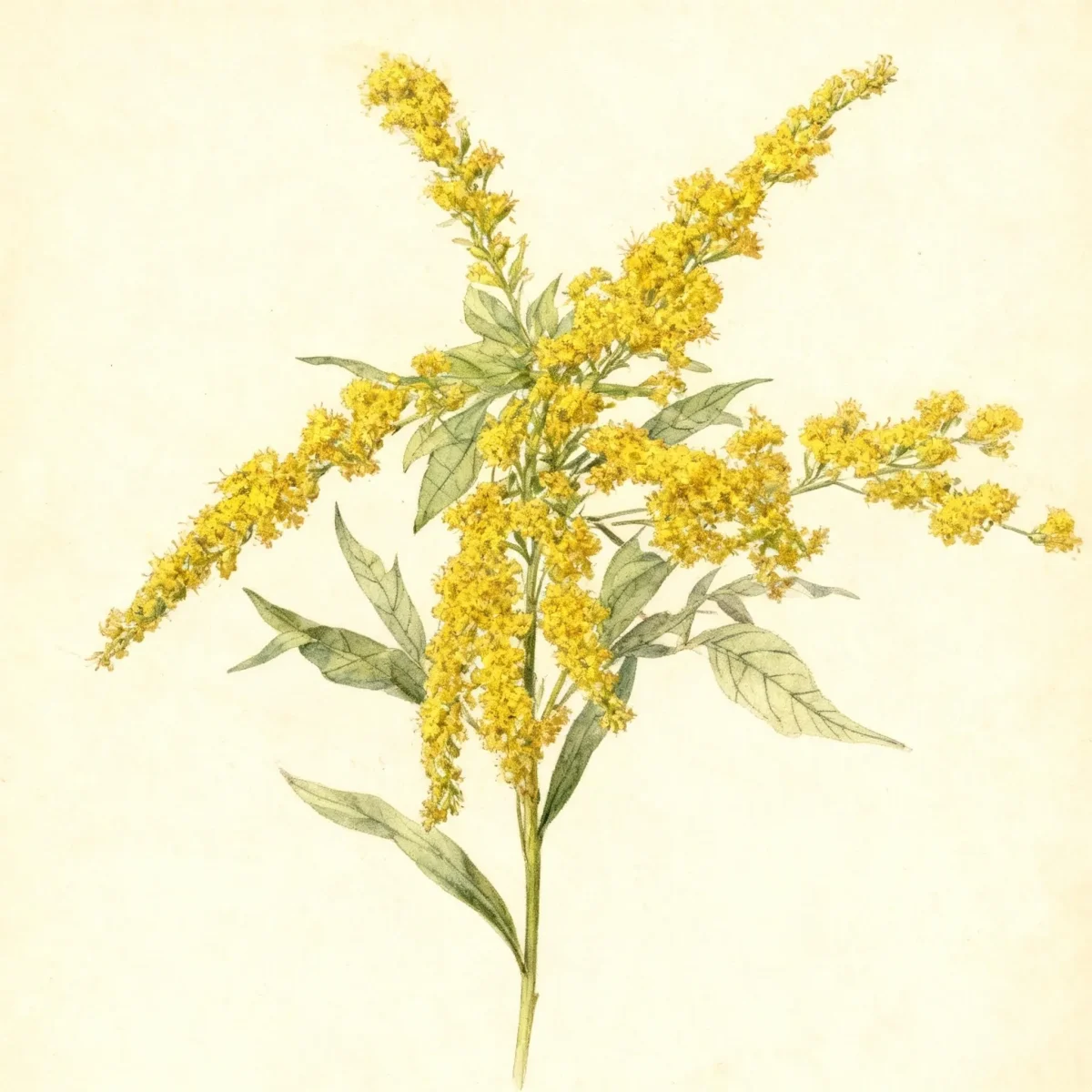
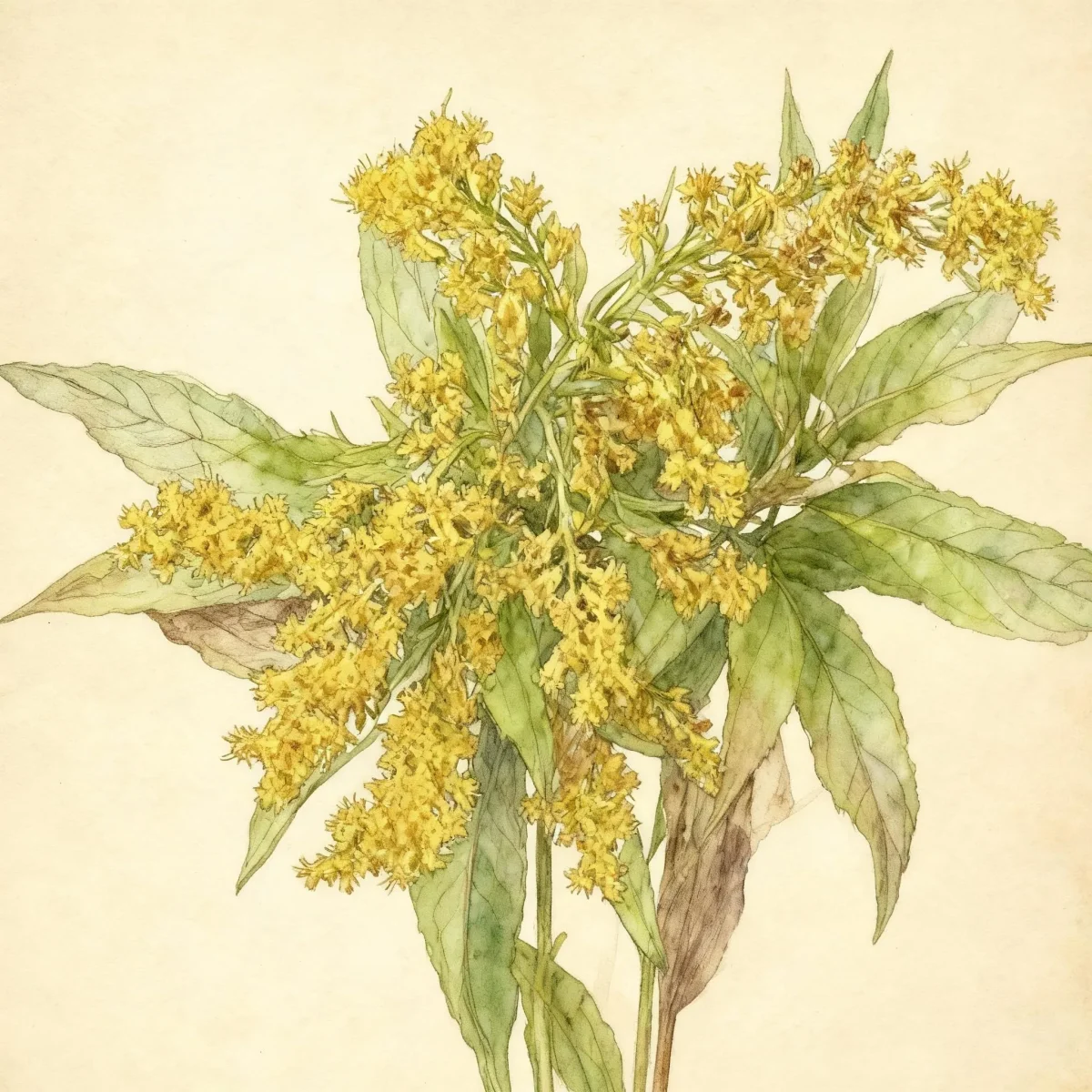
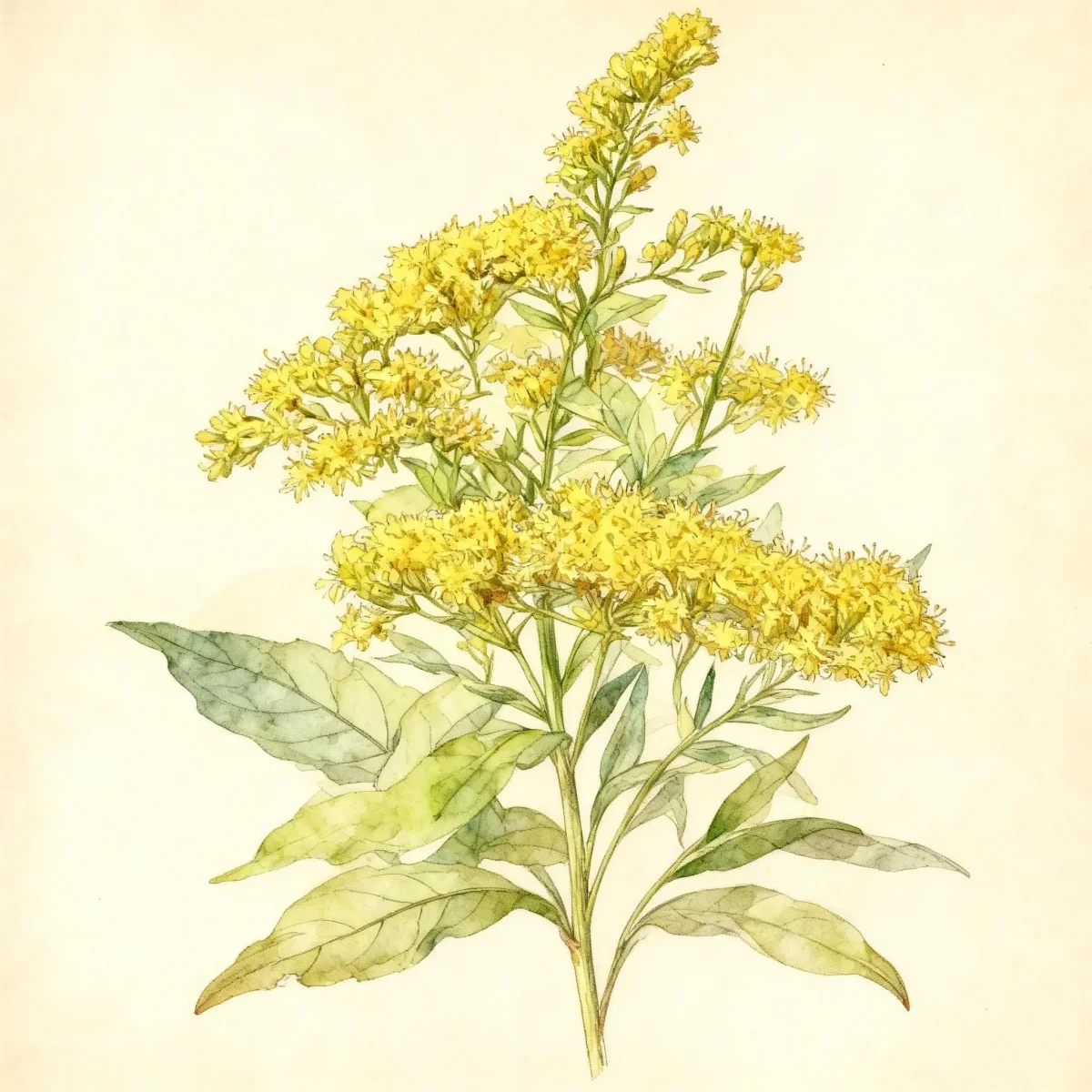
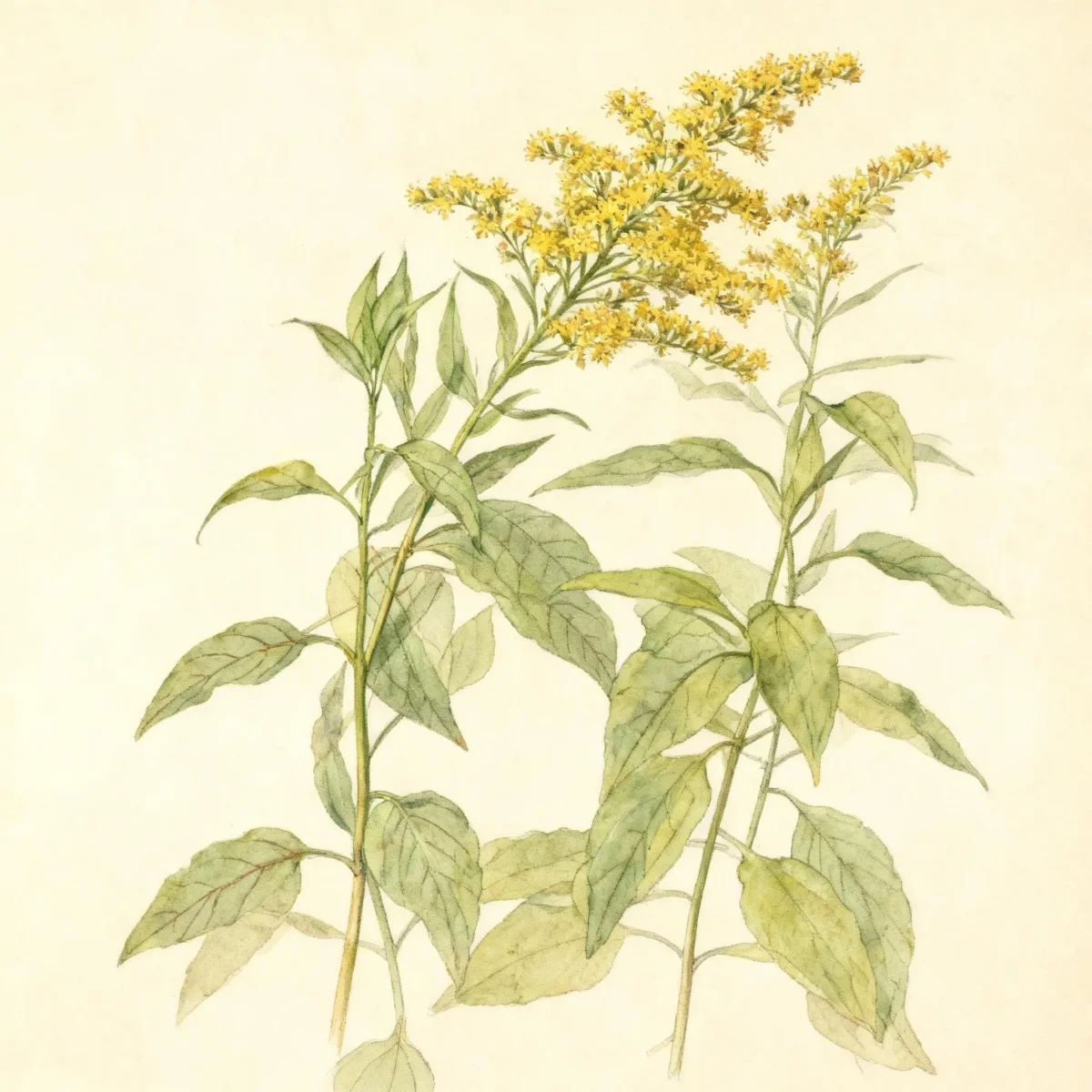
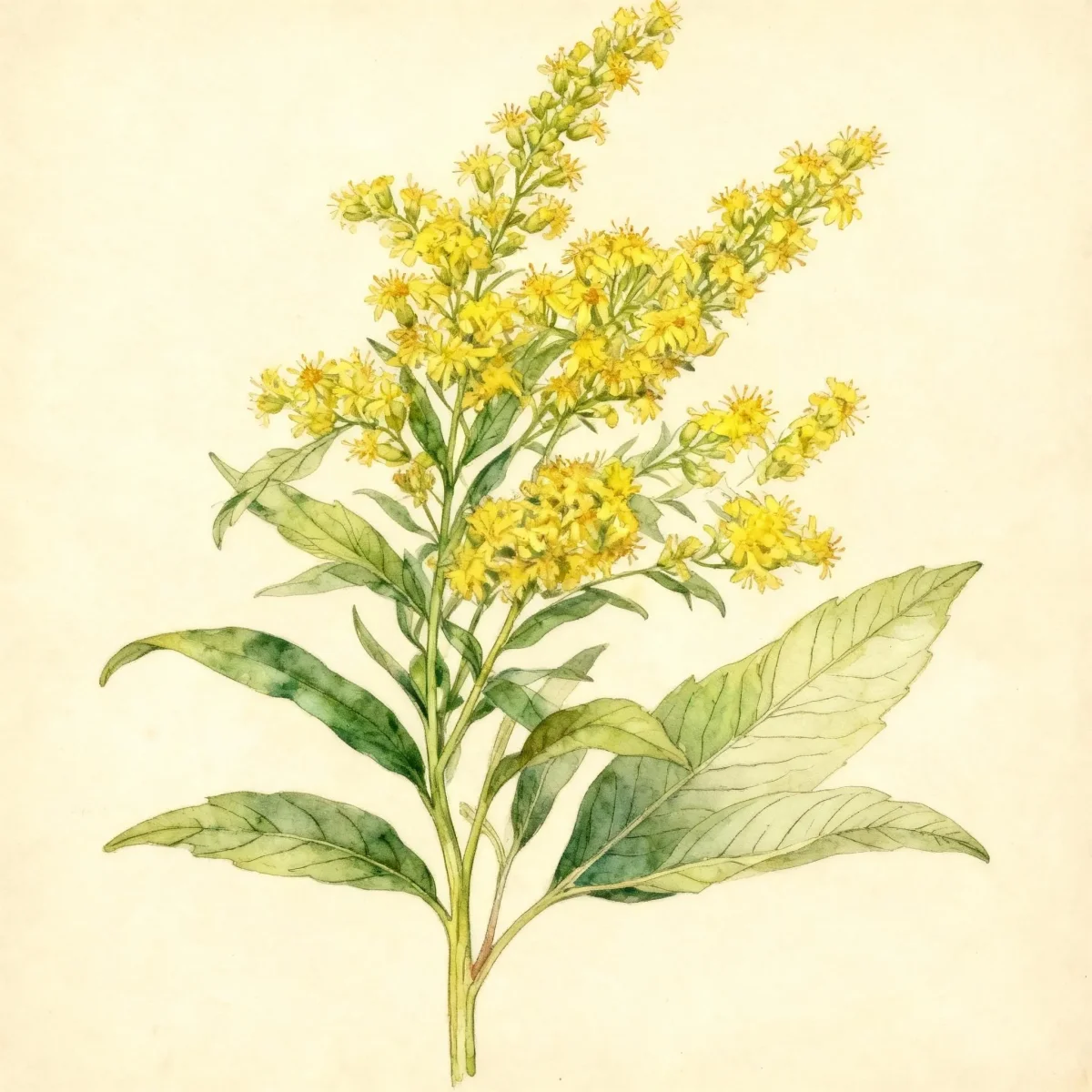
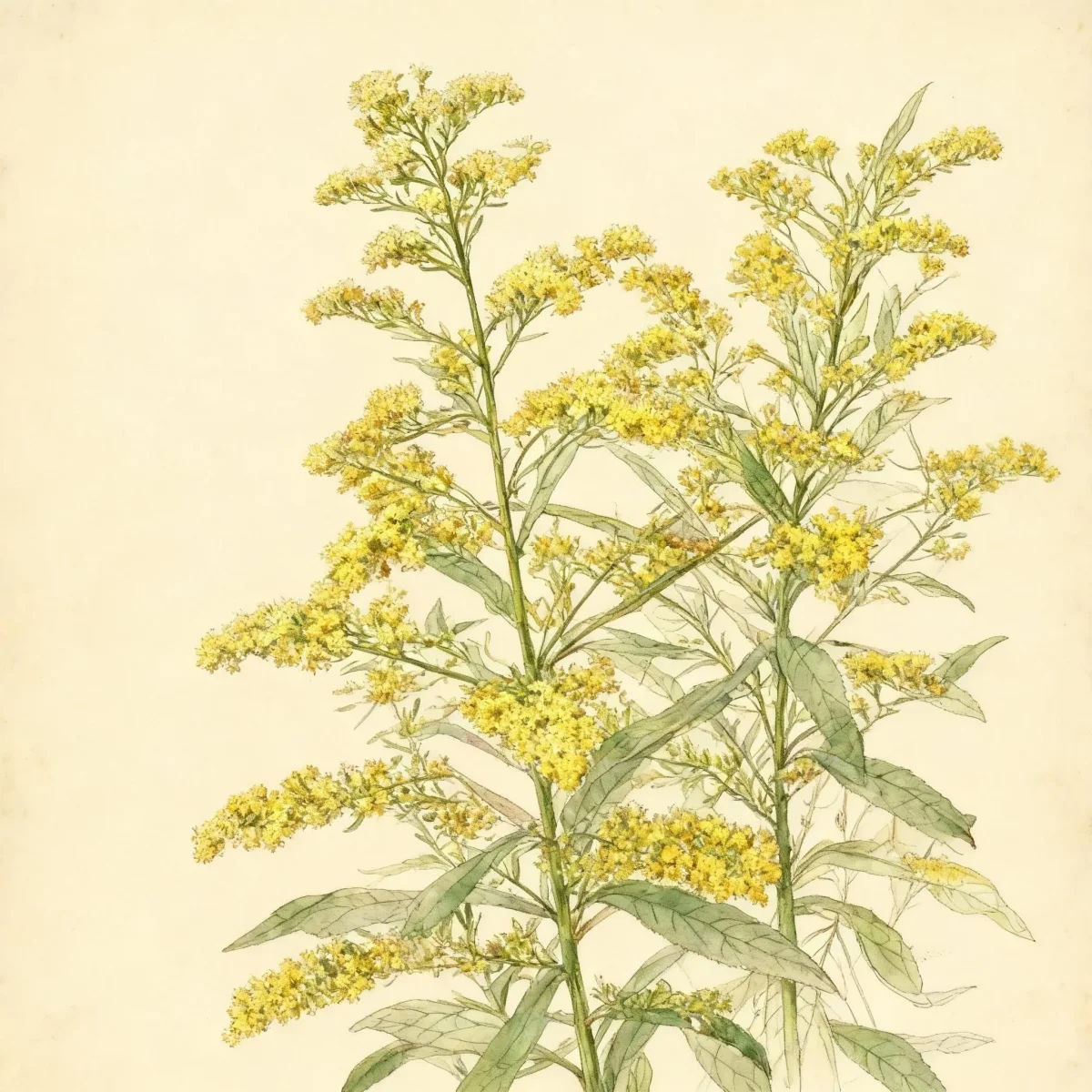
Goldenrod (Solidago drummondii)
Solidago drummondii, or Cliff Goldenrod, is a low-maintenance native perennial offering bright yellow blooms in late summer.
Scroll down to discover growing tips, care requirements, companion plants, and more

Complete Plant Information
Overview
Solidago drummondii, commonly known as Cliff Goldenrod, is a fantastic choice for gardeners seeking reliable late-season color with minimal fuss. Unlike some of its aggressive relatives, this species tends to form well-behaved clumps, making it ideal for structured garden settings. The bright yellow flower panicles provide crucial foraging late in the season, long after many other perennials have faded.
Originating in the southeastern and south-central United States, this versatile plant thrives in a wide range of conditions often considered challenging, including poor or dry soils. Establishing Solidago drummondii ensures you add crucial habitat interest, as these blooms are highly attractive to native bees and butterflies preparing for migration or winter.
The overall structure of Solidago drummondii is graceful, typically reaching three feet on arching stems, fitting seamlessly into native plant gardens or traditional borders. Expect low maintenance and high returns on visual impact, especially when placed where its late flowers can contrast against surrounding greenery.
Fast Facts
- Plant Family: Asteraceae
- Plant Type: Herbaceous perennial
- Native Range: Southeastern and south-central United States
- Hardiness Zones: USDA Zones 5-8
- Size at Maturity:
- Height: 1.5-3 ft
- Spread: 1.5-3 ft
- Bloom Time: August to September
- Bloom Description: Yellow
- Sun Exposure: Full sun
- Water Needs: Dry to medium
- Maintenance Level: Low
How to Grow
The ideal time to plant Solidago drummondii seedlings or potted stock is during the spring or early fall when soil moisture is more reliable. This Goldenrod prefers full sun for the best flowering display, although it can tolerate brief periods of light shade. Crucially, it establishes well in average, well-drained soils, thriving even when conditions become dry later in the season.
Maintenance for this perennial is remarkably low. Water only sparingly once established, as it handles dry soil readily. Avoid rich, overly fertile soils, which can encourage floppy growth rather than sturdy stems. Fertilization is rarely necessary; the plant evolved to perform well in challenging, less fertile environments like bluffs and ledges.
No significant pruning is typically required for Solidago drummondii. You can cut the stems back in late winter or early spring before new growth emerges. Because this species is primarily clump-forming, it avoids the aggressive spreading habits seen in some other Goldenrod varieties, meaning division is only necessary if you wish to propagate or if the clump becomes overcrowded after several years.
Landscape Uses
Solidago drummondii excels where naturalized charm meets structured design. Its moderate height places it perfectly in the middle to back of perennial borders, bridging the gap between shorter specimens and tall background shrubs. Consider using this species in rock gardens, reflecting its native preference for rocky outcrops and excellent drainage.
For a truly ecological design, integrate this Goldenrod into native plant meadows or prairie restoration projects. It pairs beautifully with late-blooming asters and coneflowers that share similar sun and moisture requirements. Its dependable yellow color contrasts nicely with blues and purples, offering vibrant late-summer interest until frost.
Because it is low maintenance and tolerates poor soil, Solidago drummondii is an excellent foundational plant for difficult sites where other, more demanding specimens struggle to survive. Embrace its clump-forming nature for defined accents throughout your sunny landscapes.
Standout Features
Flower Qualities
- Showy
Noteworthy Characteristics
Solidago drummondii, commonly called cliff goldenrod, is a Missouri native perennial which, as the common name suggests, is found on cliffs, bluffs and ledges throughout the Ozark region of the State. Typically grows 1.5-3’ tall on arching stems, with panicles of tiny, bright yellow, daisy-like flowers appearing in late summer to fall. Attractive to bees and butterflies, this Goldenrod holds historical significance tied to the medicinal use referenced in the genus name (solidus meaning whole).
Tolerances
- Deer
- Drought
- Clay Soil
- Dry Soil
- Shallow-Rocky Soil
Potential Problems
Solidago drummondii generally maintains an excellent disease and pest resistance profile, rarely succumbing to serious issues. The most common potential problem is rust, a fungal disease that can occasionally manifest as powdery spots on the leaves. To minimize rust risk, ensure adequate air circulation around the plants by spacing them correctly, and avoid overhead watering late in the day.
Frequently Asked Questions
What hardiness zones is Goldenrod suitable for?
This specific Goldenrod, Solidago drummondii, is hardy and reliably perennial in USDA Zones 5 through 8.
How large does Solidago drummondii grow?
When mature, this perennial typically reaches a height between 1.5 and 3 feet, with a spread of 1.5 to 3 feet, maintaining a manageable, clumping habit.
What sun exposure does Solidago drummondii need?
For the most robust growth and most abundant bloom display, Solidago drummondii requires full sun exposure throughout the growing season.
When does Solidago drummondii bloom?
You can expect vibrant yellow flowers from this native perennial to appear reliably late in the season, specifically from August into September.
Conclusion
The Cliff Goldenrod, Solidago drummondii, offers gardeners a stunning, low-effort solution for late-summer color and essential pollinator support. Its tolerance for drought and poor soil types makes it an exceptionally practical addition to almost any sunny landscape. Check your USDA hardiness zone compatibility (5-8) and introduce this clump-forming Goldenrod this next planting season.
Wildlife Benefits
The late blooming period of Solidago drummondii provides a critical nectar source when many other flowering plants have finished for the year. These bright yellow flowers are magnets for various native bees, including late-season bumblebees, and they are significant refueling stops for monarch butterflies migrating south. Planting this Goldenrod directly contributes to local ecosystem health and biodiversity.
Because it is an upright, clumping perennial, Solidago drummondii offers excellent structure in the landscape even after flowering concludes. The dried stems can be left standing through winter, providing essential residual cover for beneficial insects seeking shelter during colder months. Cutting back the spent stalks should be delayed until early spring just before new growth begins to maximize these overwintering benefits.
Companion Planting
When planning borders around Solidago drummondii, select companions that share its preference for full sun and well-drained, average to dry soil. Excellent partners include other robust natives like Coneflowers (Echinacea species) or Prairie Dropseed (Sporobolus heterolepis), creating texture and varied bloom times. Avoid moisture-loving plants, as the Goldenrod will quickly tell them their spot is too dry. For color contrast, pair the strong yellow of this Solidago with the deep purples of Blazing Star (Liatris spicata) or late-season Sedum cultivars.