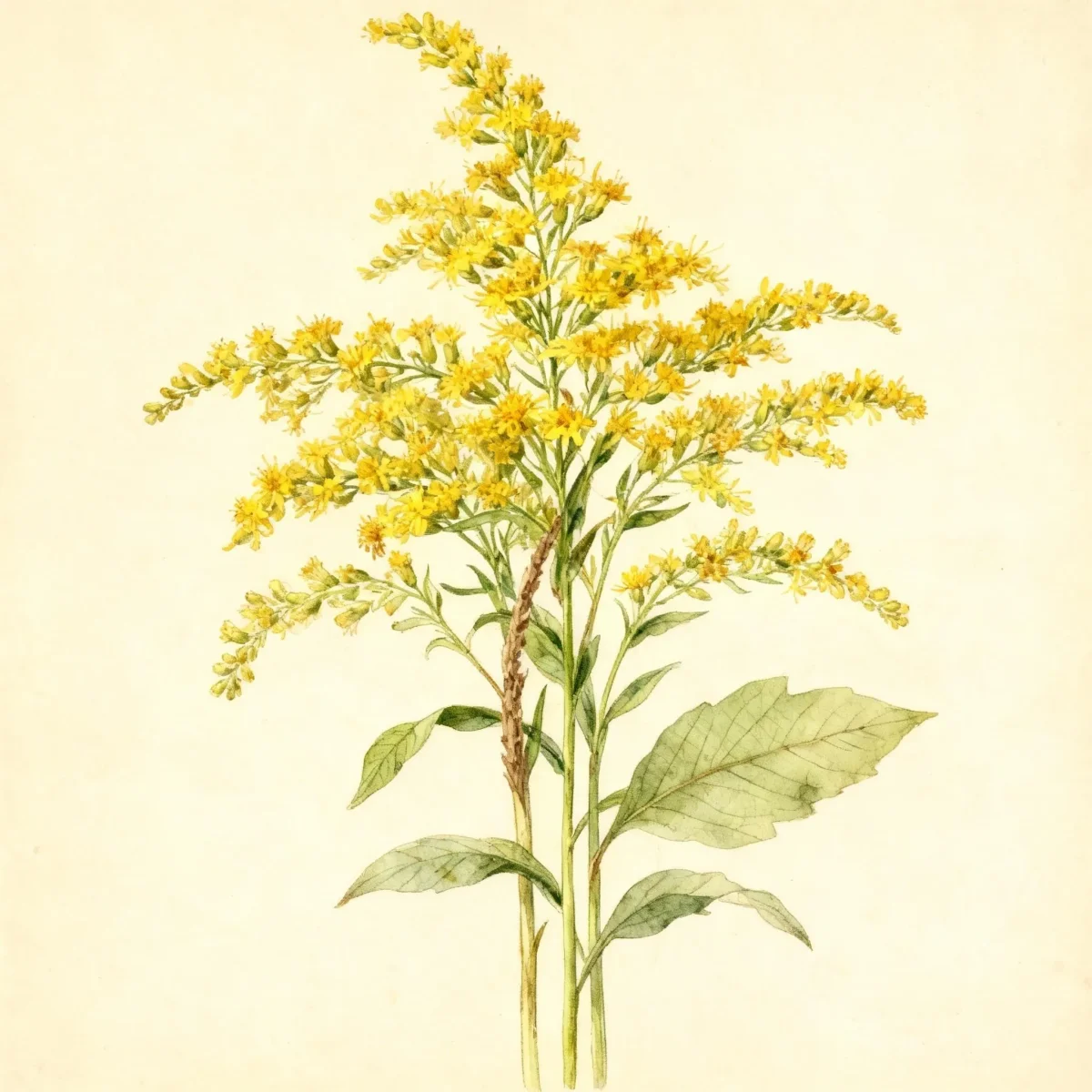
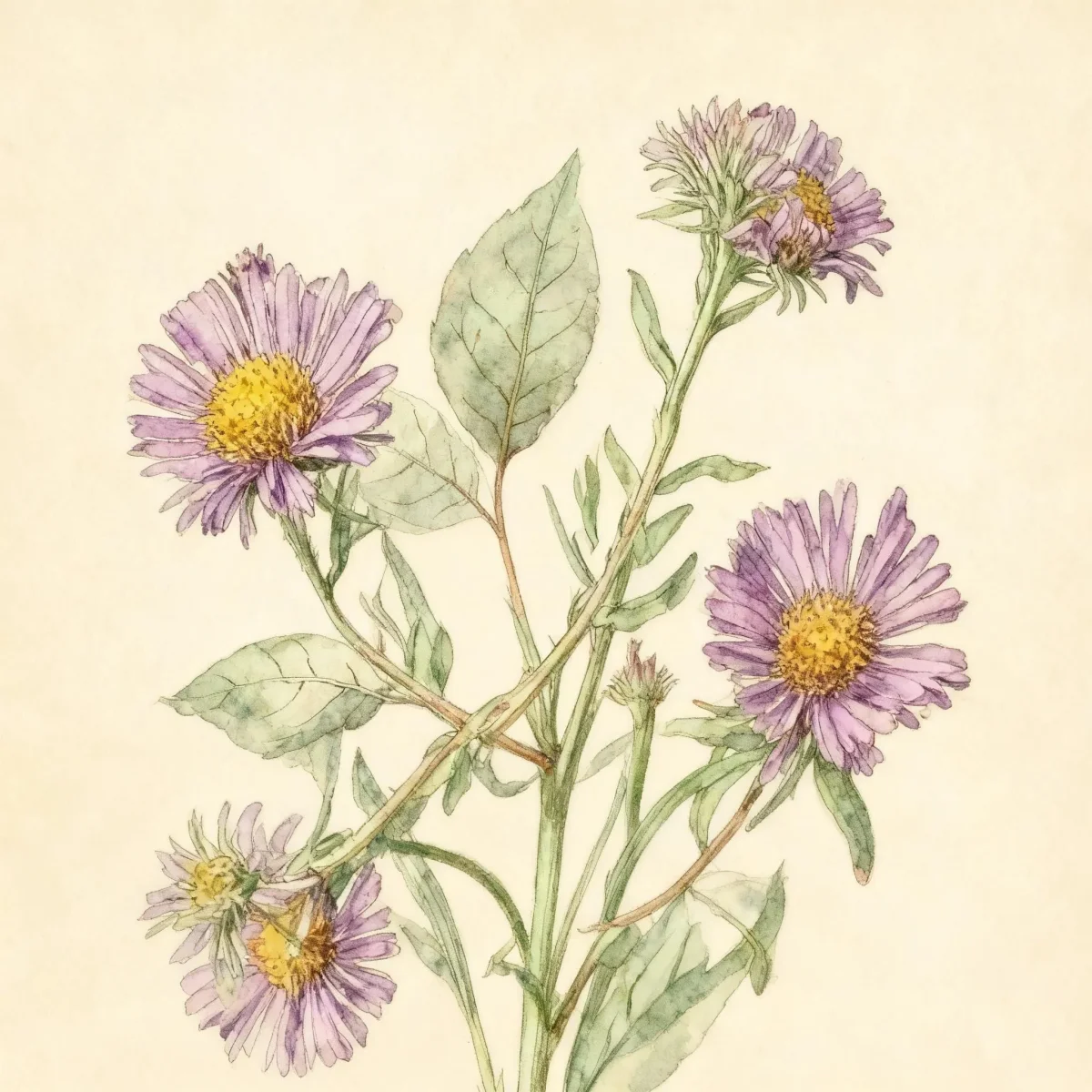
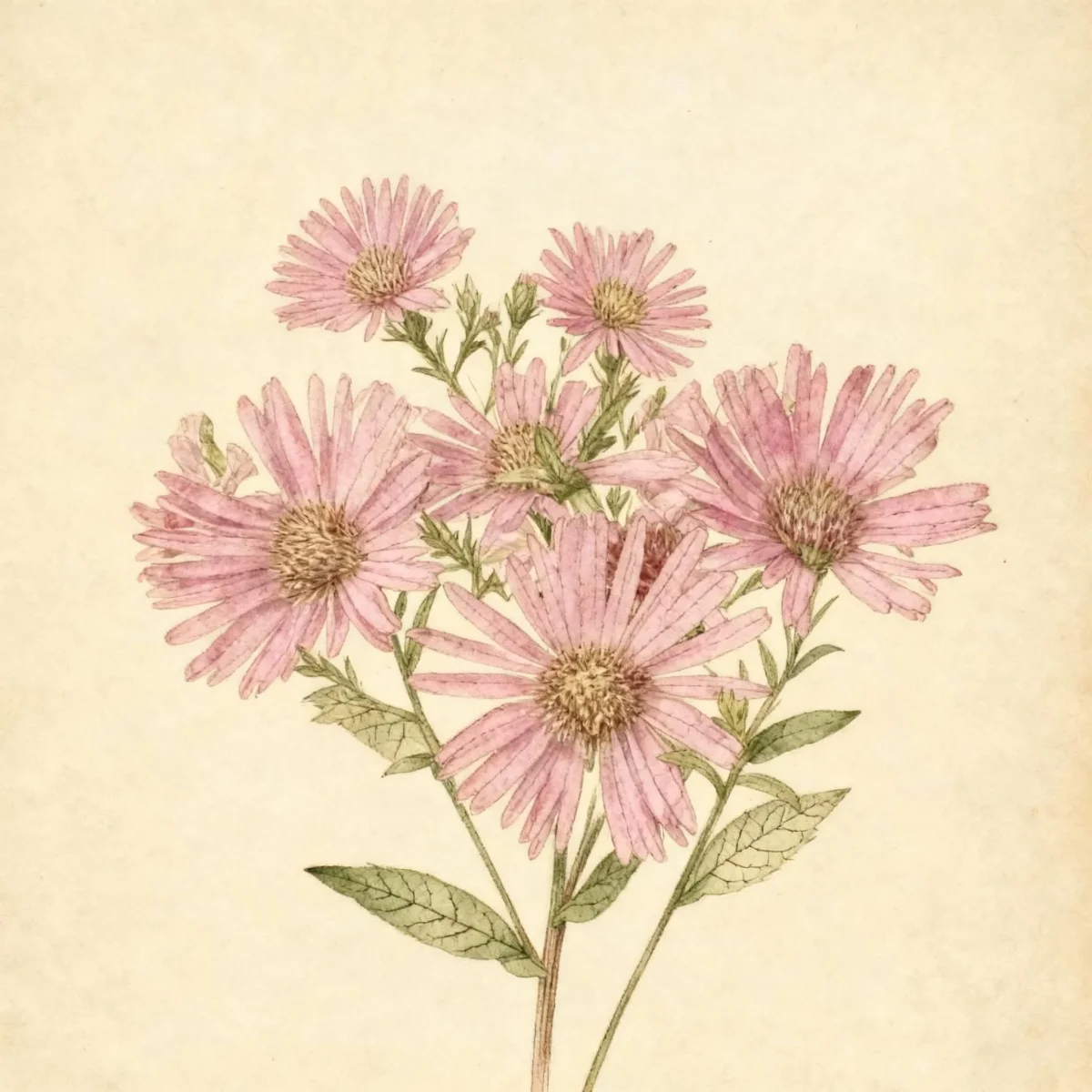
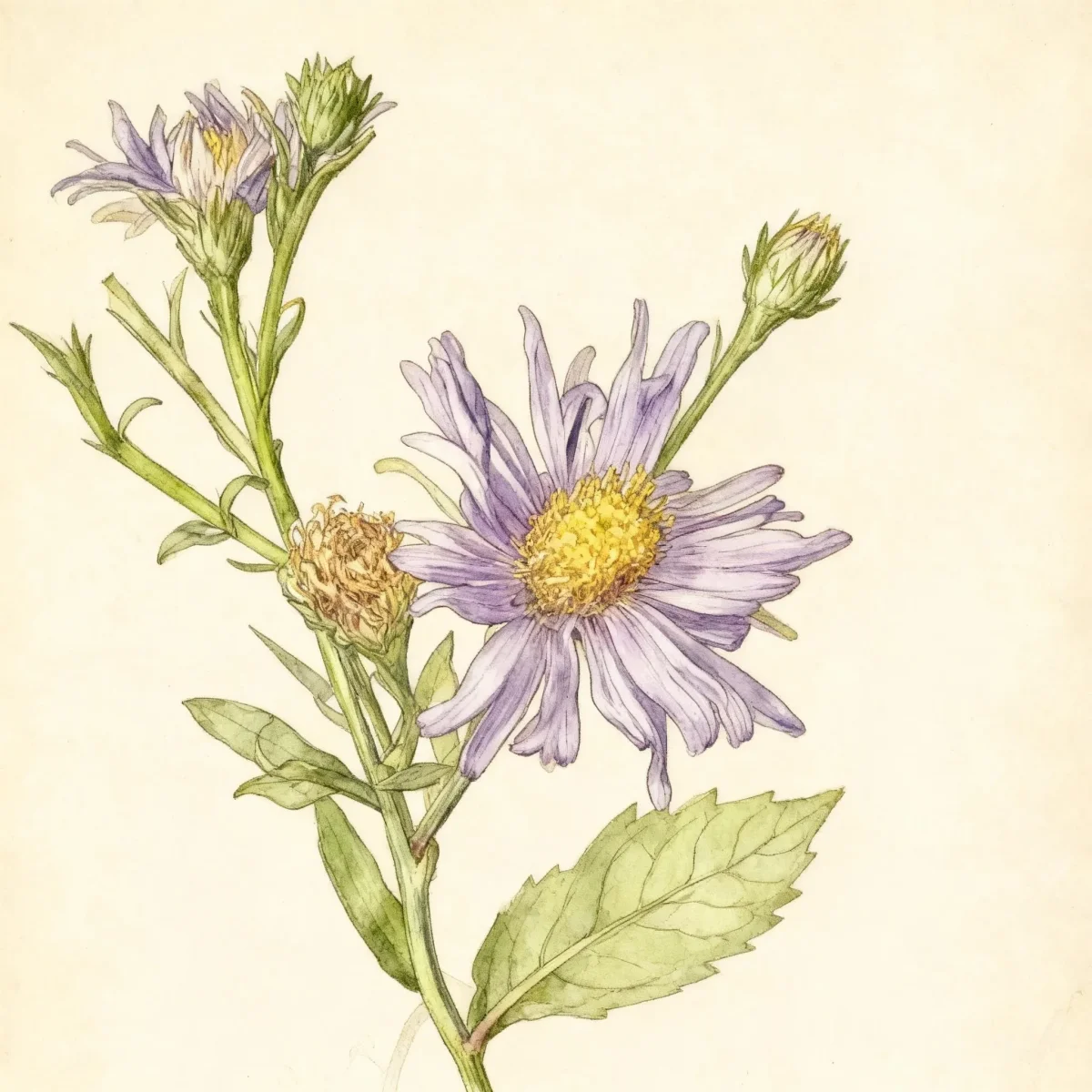
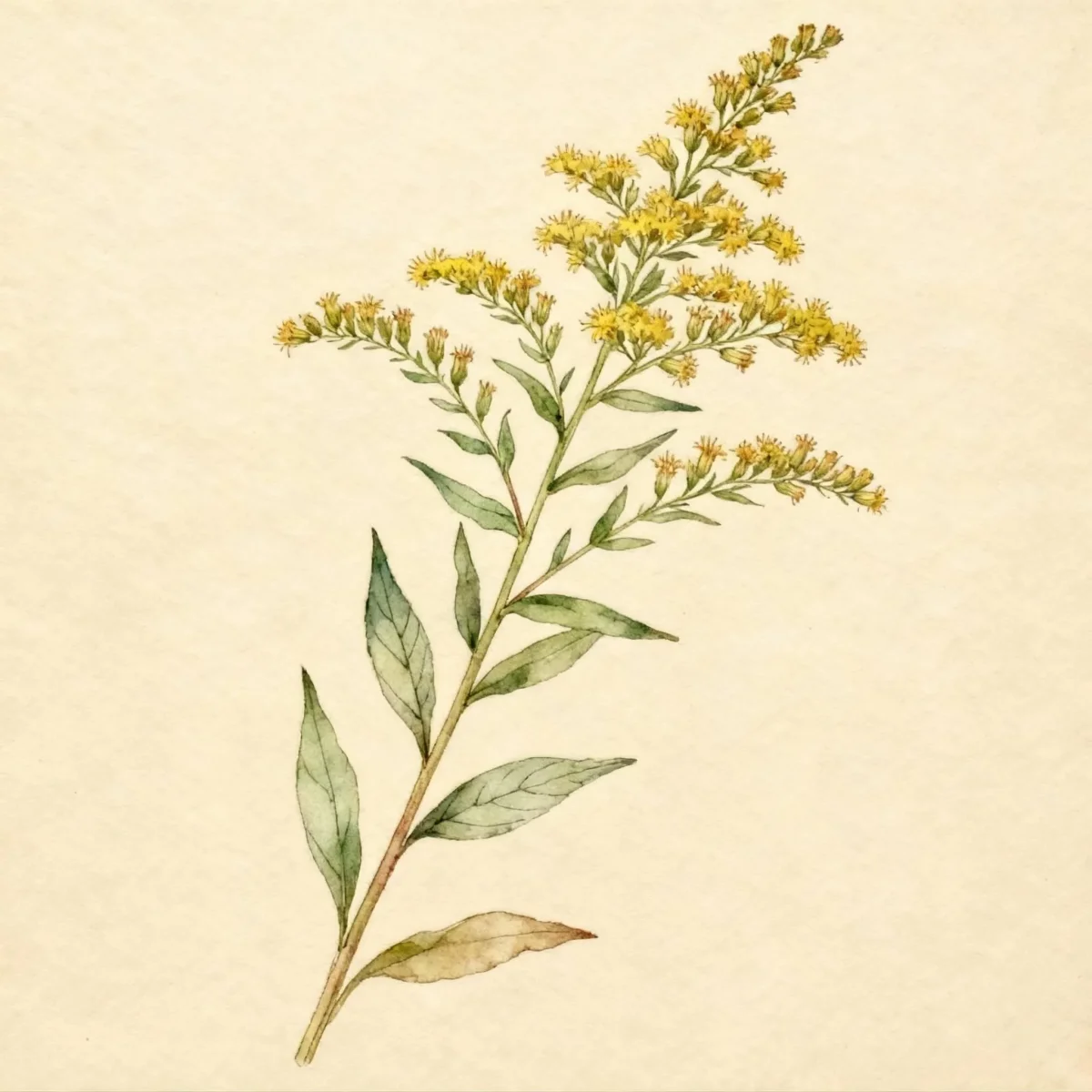
Ironweed (Vernonia missurica)
Discover Ironweed (Vernonia missurica), a robust perennial for wet soils, featuring striking magenta-purple blooms attractive to butterflies.
Scroll down to discover growing tips, care requirements, companion plants, and more

Complete Plant Information
Overview
Vernonia missurica, commonly known as Ironweed, is a striking late-season bloomer prized for its vibrant color display and exceptional toughness. This upright herbaceous perennial stands tall on stiff stems, providing much-needed vertical interest and essential late nectar sources for pollinators. Gardeners value Ironweed for its low maintenance needs and its adaptation to challenging, moist soil conditions.
Native to meadows, prairies, and stream banks across Central North America, Vernonia missurica thrives where many other ornamentals struggle. Its deep magenta-purple composite flowers bloom reliably from mid-summer into fall, often attracting clouds of butterflies seeking sustenance before migration. The common moniker “Ironweed” is sometimes attributed to the plant’s sturdy structure or the rusty tinge of its fading flower heads.
Ultimately, Vernonia missurica is a powerhouse native for naturalizing large areas or punctuating the back of a border. Its tolerance for wet soil and deer resistance make it a highly practical choice for sustainable landscape design focused on supporting local ecosystems.
Fast Facts
- Plant Family: Asteraceae
- Plant Type: Herbaceous perennial
- Native Range: Central North America
- Hardiness Zones: USDA Zones 4-9
- Size at Maturity:
- Height: 3-5 ft
- Spread: 3-4 ft
- Bloom Time: July to August
- Bloom Description: Magenta purple
- Sun Exposure: Full sun
- Water Needs: Medium to wet
- Maintenance Level: Low
How to Grow
Plant Ironweed (Vernonia missurica) in spring or fall after the danger of hard frost has passed. The ideal location receives consistent full sun exposure, though it can tolerate very light afternoon shade if moisture is abundant. Vernonia missurica adapts well to average garden soils but truly excels in medium to wet conditions, tolerating periodic flooding common in rain garden settings.
Maintenance for this Ironweed is refreshingly low. Although it grows taller in moister soils, you can manage overall plant height by cutting back the stems in late spring, which encourages a bushier habit. Water deeply during establishment, but once mature, Ironweed tolerates drought fairly well if the soil is naturally moist. Avoid unnecessary fertilization, as rich soil often leads to overly floppy growth.
For seed production control, remove flower heads promptly before the rusty seeds fully develop to prevent unwanted self-seeding throughout the garden. Be aware that this species of ironweed may hybridize with nearby native vernonias, which can occasionally complicate identification in the wild or in large native plantings. If starting easily from seed, consider thinning seedlings to ensure proper spacing.
Landscape Uses
The reliability and late color provided by Ironweed make it indispensable in large-scale naturalistic plantings. It performs exceptionally well when incorporated into wildflower meadows or prairies, where its height integrates seamlessly with other tall summer bloomers. Vernonia missurica is specifically recommended for rain gardens due to its distinct tolerance for medium to wet soils, where it naturally filters runoff while offering ornamental value.
As a background element, this upright perennial anchors borders in cottage gardens or along property lines. Its stiff magenta plumes act as powerful vertical accents, contrasting beautifully with softer, mounding textures. Because it is robust and deer resistant, Ironweed serves as reliable structural planting in native plant gardens that aim to minimize intervention.
Standout Features
Flower Qualities
- Showy
Noteworthy Characteristics
Vernonia missurica is best distinguished from other ironweeds by the usually greater number of disk florets per flower and by the hairy stems and leaf undersides. It is native from southern Ontario, Michigan and Nebraska south to Alabama and Texas. This is an upright perennial that typically grows 3-5’ on stiff, leafy stems which branch at the top. Composite flowers, each with dense, fluffy, magenta purple disks (rays absent), bloom in corymbose cymes from late summer into fall, proving very attractive to butterflies.
Tolerances
- Deer
- Wet Soil
Potential Problems
This genus generally enjoys a reputation for being pest-free, and Ironweed presents no serious insect or disease problems in the landscape. Its inherent toughness means gardeners rarely need to resort to chemical controls. The main management consideration is cosmetic: removing spent flower heads to prevent unwanted spreading by seed, or cutting back stems earlier in the season if a shorter stature is desired.
Frequently Asked Questions
What hardiness zones is Ironweed suitable for?
Vernonia missurica is reliably hardy across USDA Zones 4 through 9, offering flexibility across much of the temperate US.
How large does Ironweed grow?
This perennial typically reaches between 3 and 5 feet tall, spreading to occupy an area 3 to 4 feet wide at maturity.
When does Ironweed bloom?
You can expect the rich, magenta purple blooms of Vernonia missurica to appear throughout the peak summer months, specifically from July to August.
What sun exposure does Ironweed need?
For the best performance and strongest stems, plant Ironweed where it receives full sun throughout the day.
Conclusion
The vibrant late-season color and superior durability make Vernonia missurica an essential component for sustainable and low-effort gardening. Integrating this Ironweed into your landscape provides critical habitat while adding vertical structure with its distinctive magenta flowers. Before planting, confirm that your site offers the full sun and medium-to-wet soil conditions necessary for this native powerhouse to thrive.
Wildlife Benefits
The late-season display provided by Ironweed is one of its most significant ecological contributions. As many earlier summer bloomers fade, the dense disks of Vernonia missurica offer a crucial nectar source for migrating butterflies and late-season honeybees. Plantings of this tall perennial become dynamic feeding stations just when many pollinators need them most during their final foraging push.
Furthermore, the structure of Ironweed provides essential late-season cover. Its stiff, leafy stalks remain standing well into fall and often early winter, offering shelter for beneficial insects overwintering in the garden debris. Allowing the seed heads to remain standing provides food for seed-eating birds throughout the quieter months.
Propagation Tips
Propagating Vernonia missurica is straightforward, making it easy to expand existing colonies or share with fellow gardeners. The simplest method is growing new plants directly from seed acquired after the fall bloom fades. Seeds do not require complex stratification but benefit from a period of cold exposure before spring germination.
Established plants can also be divided, though this is generally done less frequently than with other perennials. Divide the root clumps during the early spring just as new growth begins to emerge. Ensure that each division has a healthy portion of buds attached to guarantee successful reestablishment in its new location.