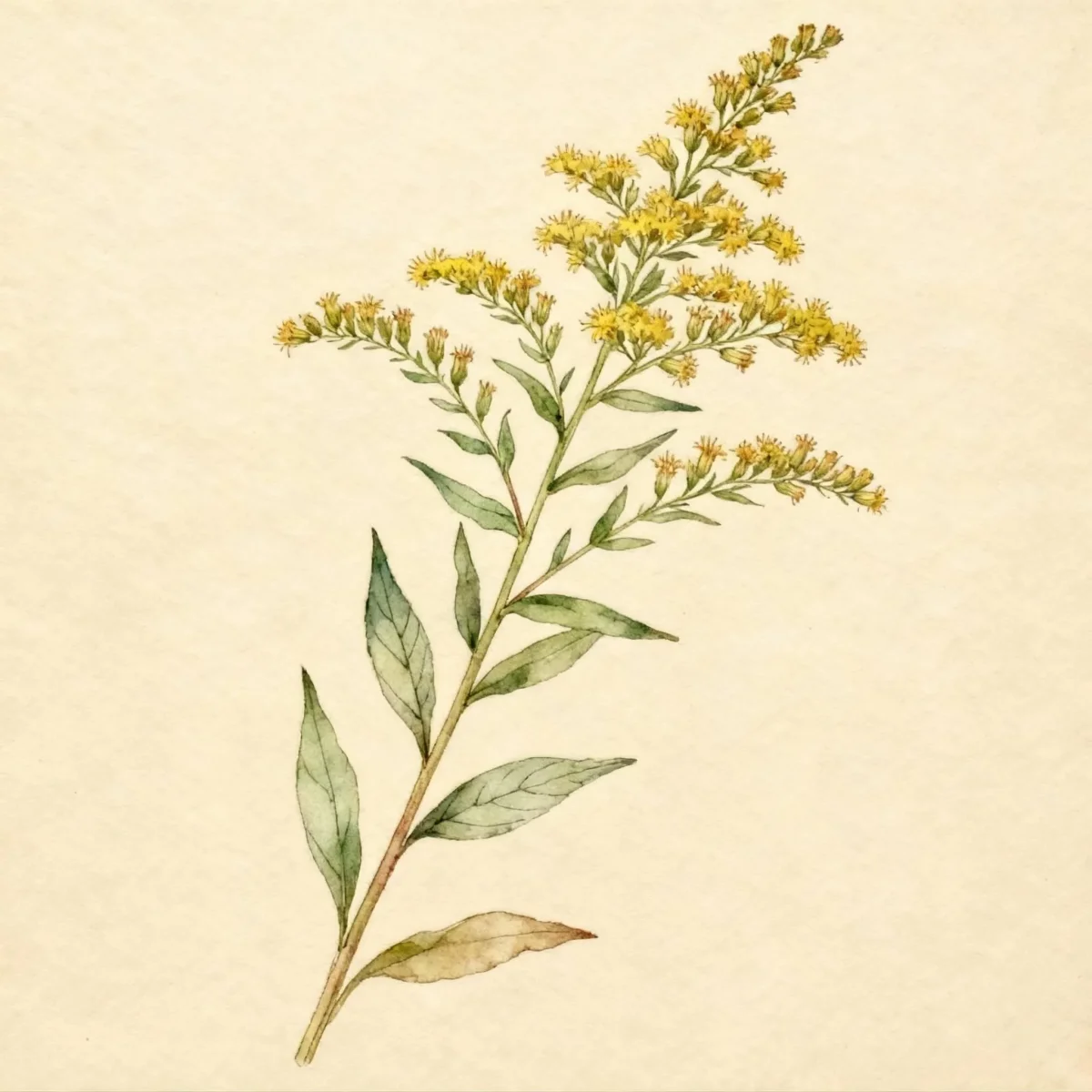
New York ironweed (Vernonia noveboracensis)
Stunning late-season perennial Vernonia noveboracensis offers deep purple flowers in late summer. Low maintenance, handling wet soil.
Scroll down to discover growing tips, care requirements, companion plants, and more
Complete Plant Information
Overview
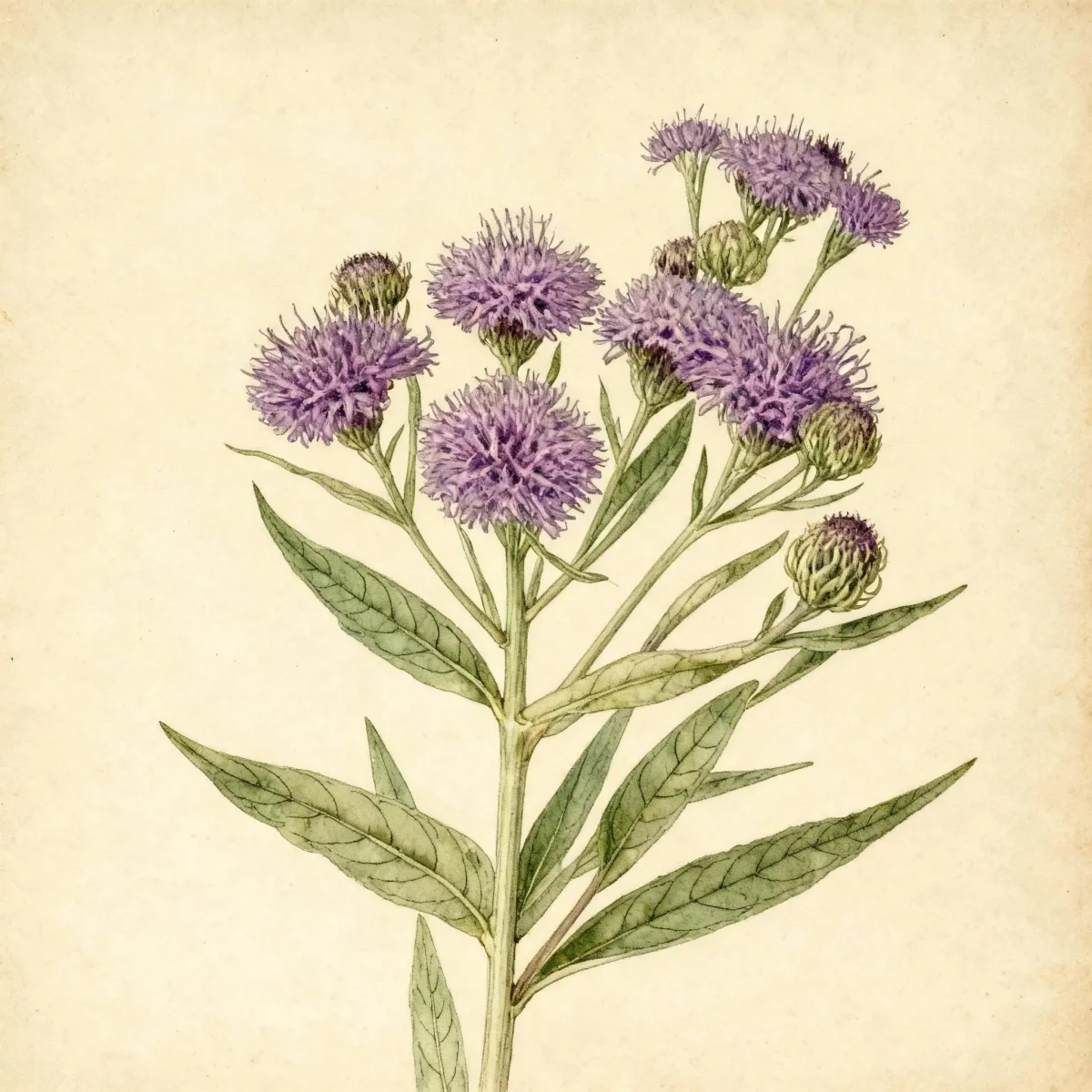
The stately New York ironweed, Vernonia noveboracensis, is a magnificent late-season star for the perennial border. It provides essential color when many summer bloomers begin to fade, showcasing masses of deep purple, composite flowers. This tall, upright perennial is ruggedly handsome, developing stiff, leafy stems that hold the blooms high above other garden plantings.
As a native plant of the Eastern and Southeastern United States, Vernonia noveboracensis performs reliably in conditions where consistently moist soil is present. Its ability to thrive in wet areas makes it incredibly useful for rain gardens and pond margins where moisture-loving specimens are required. Gardeners appreciate the low maintenance needs of New York ironweed coupled with its substantial vertical impact.
While often confused with Joe Pye Weed, the alternative leaf arrangement quickly distinguishes ironweed. The genus name Vernonia honors William Vernon, and the specific epithet noveboracensis translates to “of New York,” grounding this durable classic in its native habitat.
Fast Facts
- Plant Family: Asteraceae
- Plant Type: Herbaceous perennial
- Native Range: Eastern and southeastern United States
- Hardiness Zones: USDA Zones 5-9
- Size at Maturity:
- Height: 4-6 ft
- Spread: 3-4 ft
- Bloom Time: August to September
- Bloom Description: Purple
- Sun Exposure: Full sun
- Water Needs: Medium to wet
- Maintenance Level: Low
How to Grow
Plant Vernonia noveboracensis in the spring or fall when soil temperatures are favorable. This plant demands full sun for the best structure and most prolific blooming. While it tolerates a wide range of soil conditions, including clay, it performs best in rich, moist, slightly acidic soil. Ensure the location receives consistent moisture, especially during dry spells, as this species naturally occurs in streambanks and low areas.
Watering should reflect its preference for medium to wet conditions; do not allow the soil to dry out completely throughout the first growing season. Fertilizing is generally unnecessary, especially in rich garden soils, as the plant can become overly floppy with too much nitrogen. If growth seems excessively tall and weak, it indicates rich soil or insufficient sun exposure.
Maintenance for New York ironweed is wonderfully low. To manage its robust height (often 4 to 6 feet), you can cut the stems back nearly to the ground in late spring; this results in a shorter, more compact plant. Deadheading by removing flower heads before seeds develop helps control potential unwanted self-seeding in the landscape.
Landscape Uses
The upright form and vibrant purple color of Vernonia noveboracensis make it an excellent backbone provider. Use it as a background plant for borders, adding vertical repetition throughout the garden space from late summer onward. Its native adaptability makes it perfect for creating immersive wildflower gardens or establishing naturalized meadows where structure is provided without constant intervention.
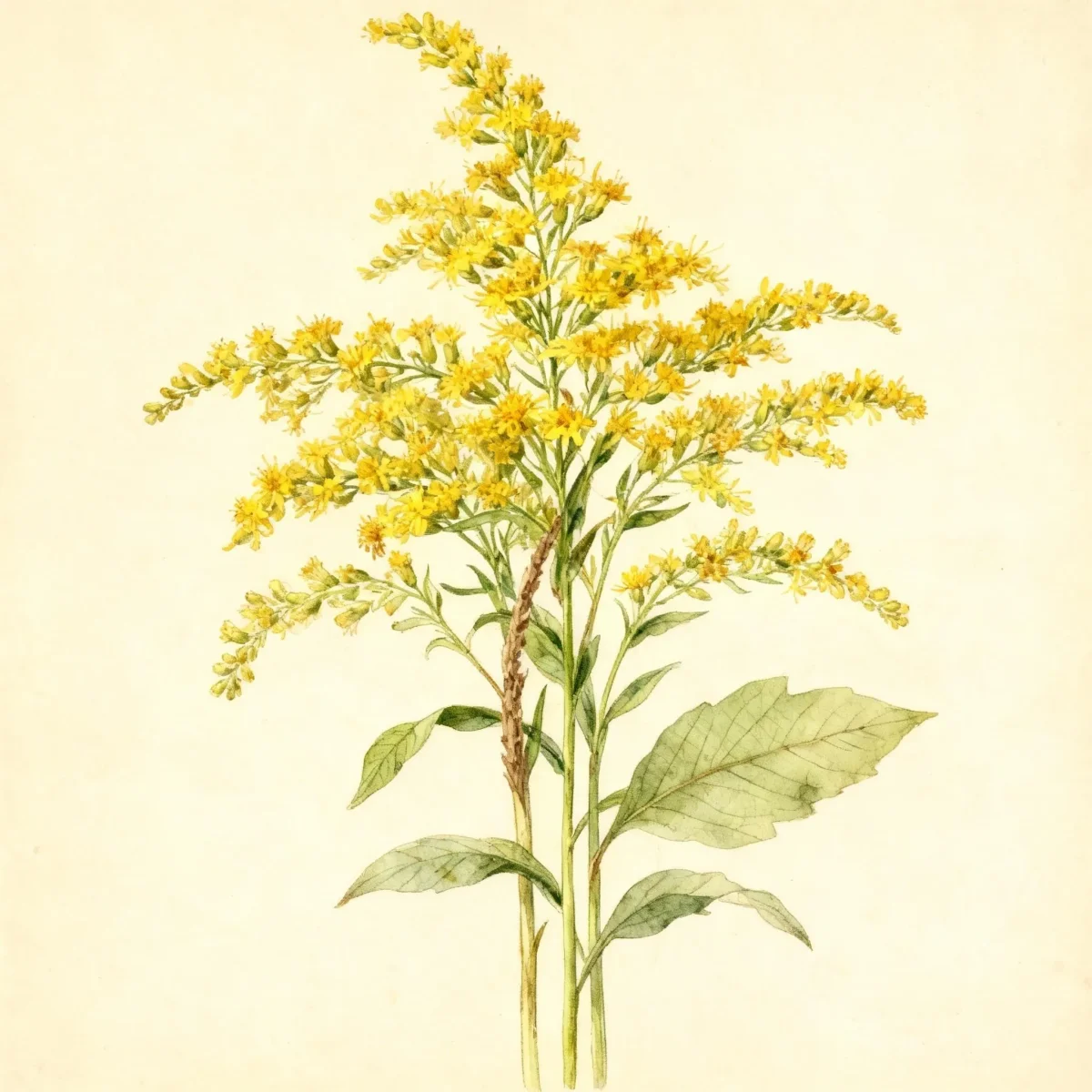
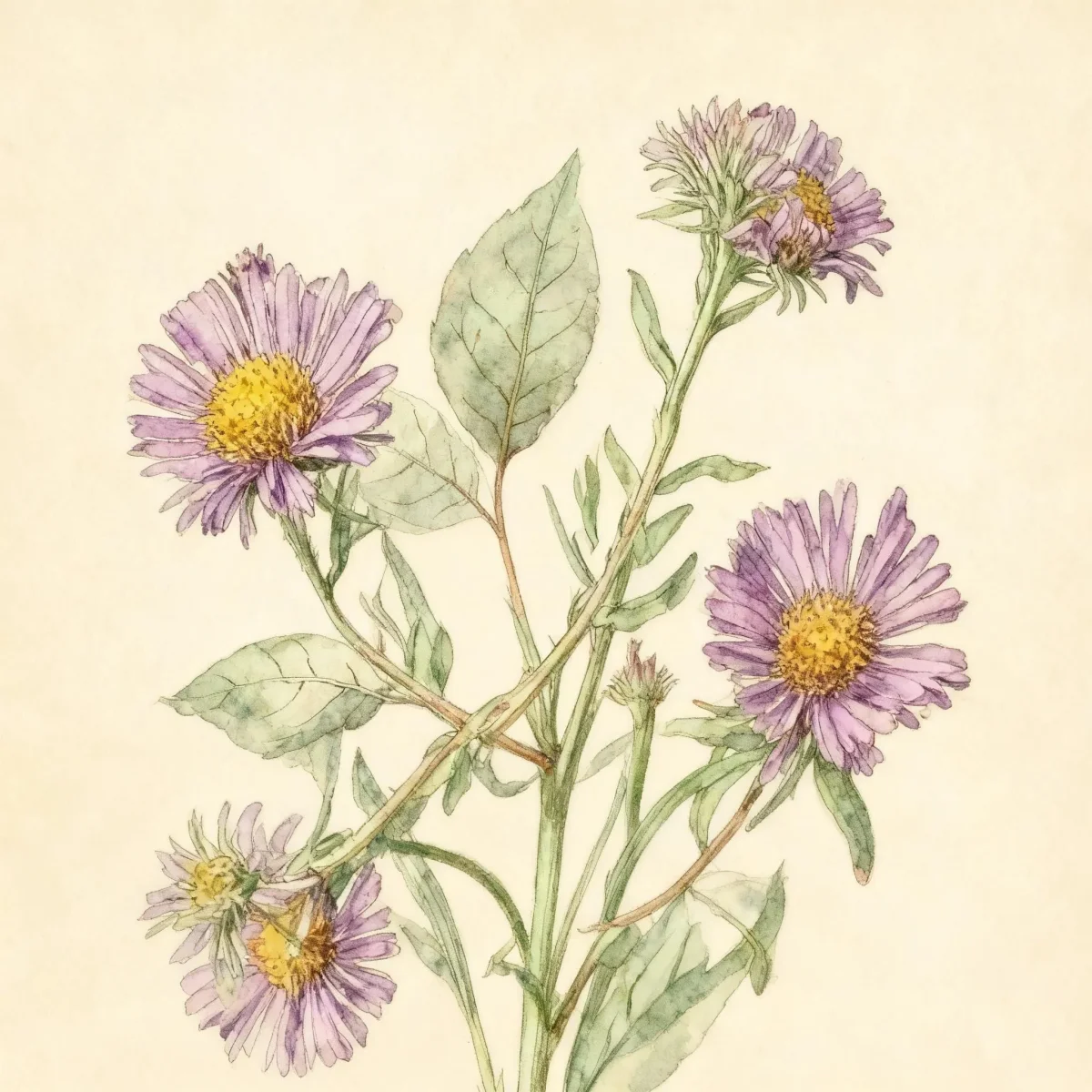
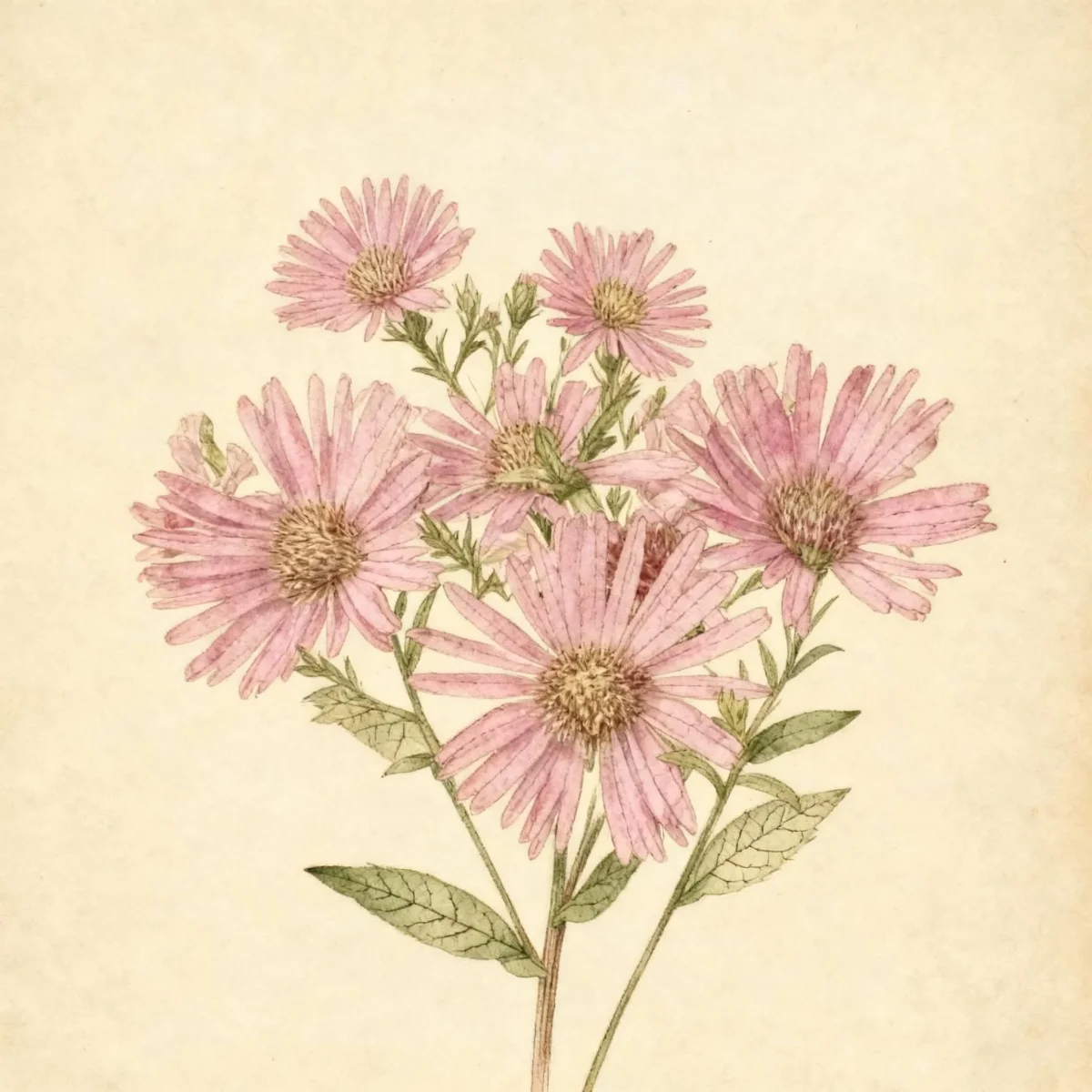
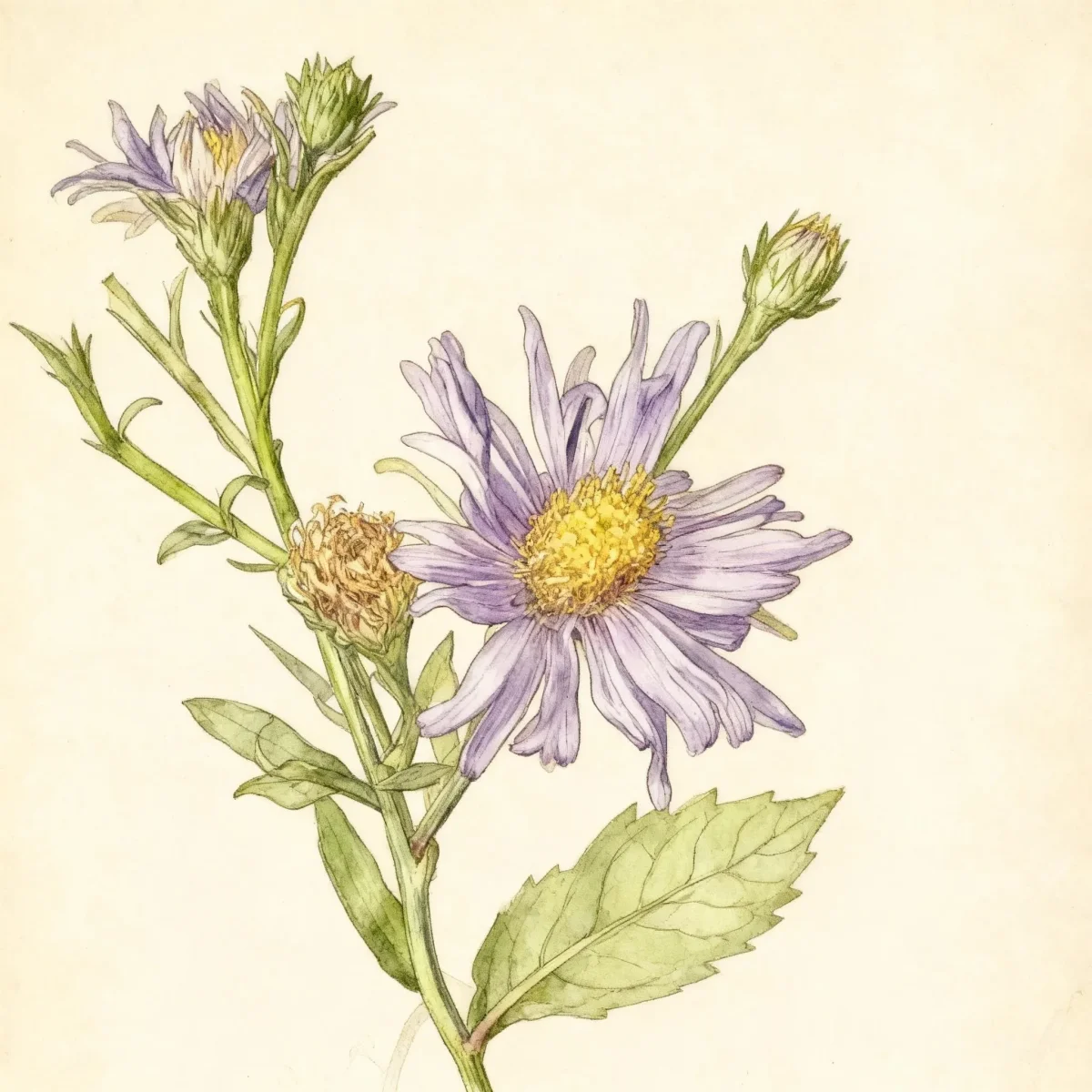
Due to its tolerance for moisture, the New York ironweed is an outstanding structural element in rain gardens. It pairs beautifully with other moisture-loving, late-season bloomers like asters, solidago (goldenrod), and tall eupatoriums. Avoid planting it in formal clipped hedges, instead allowing its coarse texture and height to contrast with finer-textured, shorter plantings.
This plant attracts vital late-season pollinators, making it highly functional in ecological landscaping projects. Its stature allows it to be placed strategically to screen less attractive elements or provide height contrast against fences or structures.
Standout Features
Flower Qualities
- Showy
Noteworthy Characteristics
Vernonia noveboracensis, commonly called ironweed or New York ironweed, is a tall, coarse, upright perennial which typically occurs in the wild in moist thickets, low areas and along streambanks from Massachusetts to Mississippi. It features numerous tiny, fluffy, deep purple, composite flowers packed in loose, 3-4” wide, terminal clusters atop stiff, leafy stems typically growing 4-6’ tall. The source of the common name has been varyingly attributed to certain “iron-like” plant qualities including the tough stems, the rusty-tinged color of fading flowers and the rusty colored seeds.
Tolerances
- Deer
- Clay Soil
- Wet Soil
Potential Problems
Vernonia noveboracensis experiences no serious insect or disease problems, contributing significantly to its low-maintenance reputation. Its native toughness means it rarely succumbs to common garden afflictions, provided its basic need for moisture is met. Avoid planting it in areas that become reliably dry, as this will stress the plant and potentially lead to early decline or poor performance.
Frequently Asked Questions
What hardiness zones is New York ironweed suitable for?
This species is reliably hardy across USDA Zones 5 through 9.
How large does Vernonia noveboracensis grow?
New York ironweed typically reaches a mature height between 4 and 6 feet, with a spread ranging from 3 to 4 feet wide.
What sun exposure does New York ironweed need?
Vernonia noveboracensis absolutely requires full sun exposure to maintain strong, upright growth throughout the season.
When does Vernonia noveboracensis bloom?
It provides essential, vibrant color starting in August and continuing through September, producing distinctive purple blooms.
Conclusion
The New York ironweed offers unparalleled vertical impact and vibrant late-summer color with minimal fuss, making Vernonia noveboracensis a staple for sustainable gardening. Its tolerance for difficult, moist soils and its deer resistance enhance its practical value considerably. Check your local climate map to confirm your zone suitability before planting this magnificent native perennial this coming season.
Companion Planting
When selecting partners for Vernonia noveboracensis, focus on plants that share its love for moisture and its late-season bloom time. Tall ornamental grasses, such as switchgrass cultivars (Panicum virgatum), provide an excellent textural contrast to the coarse leaves of ironweed while sharing similar sun/water requirements. Consider using cultivars of Swamp Milkweed (Asclepias incarnata) that have finished blooming by early August, as their foliage will transition nicely into the Vernonia noveboracensis display.
For a cottage garden look, pair the purple blooms with contrasting yellows and whites. Heleniums (sneezeweed) offer fantastic complementary color palettes in August and September, and they also thrive in moist garden sections. Ensure companions do not shade the base of the ironweed; full sun is necessary for all partners in this grouping.
Wildlife Benefits
The dense, late-season flowering display of New York ironweed is a magnet for beneficial insects when many other nectar sources are depleted. Monarch butterflies, swallowtails, and various beneficial wasps heavily utilize the nectar provided by these composite flowers late in the growing season. By allowing the seed heads to remain over winter (unless management requires removal), the structure provides cover and potentially food for overwintering insects and late-season songbirds.