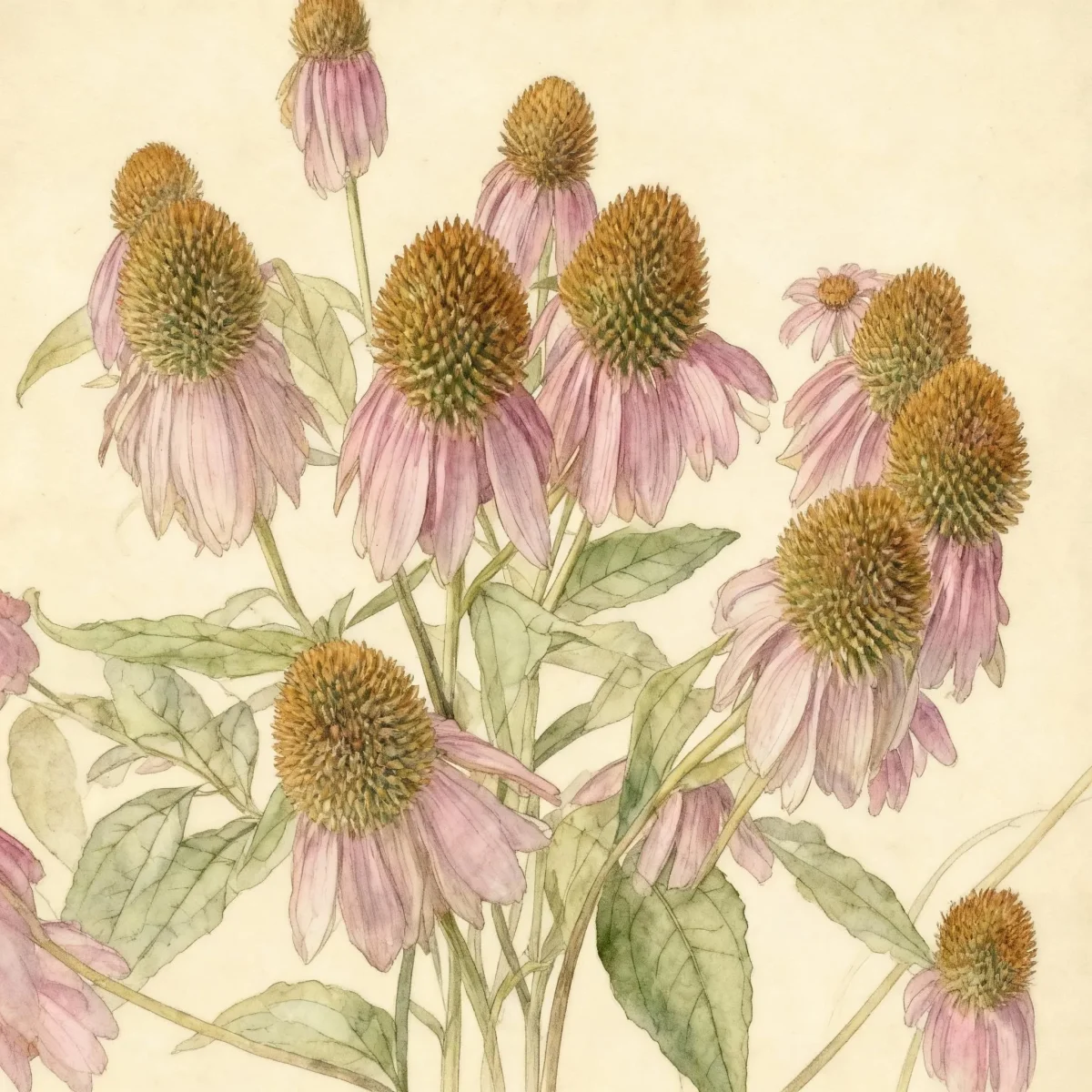
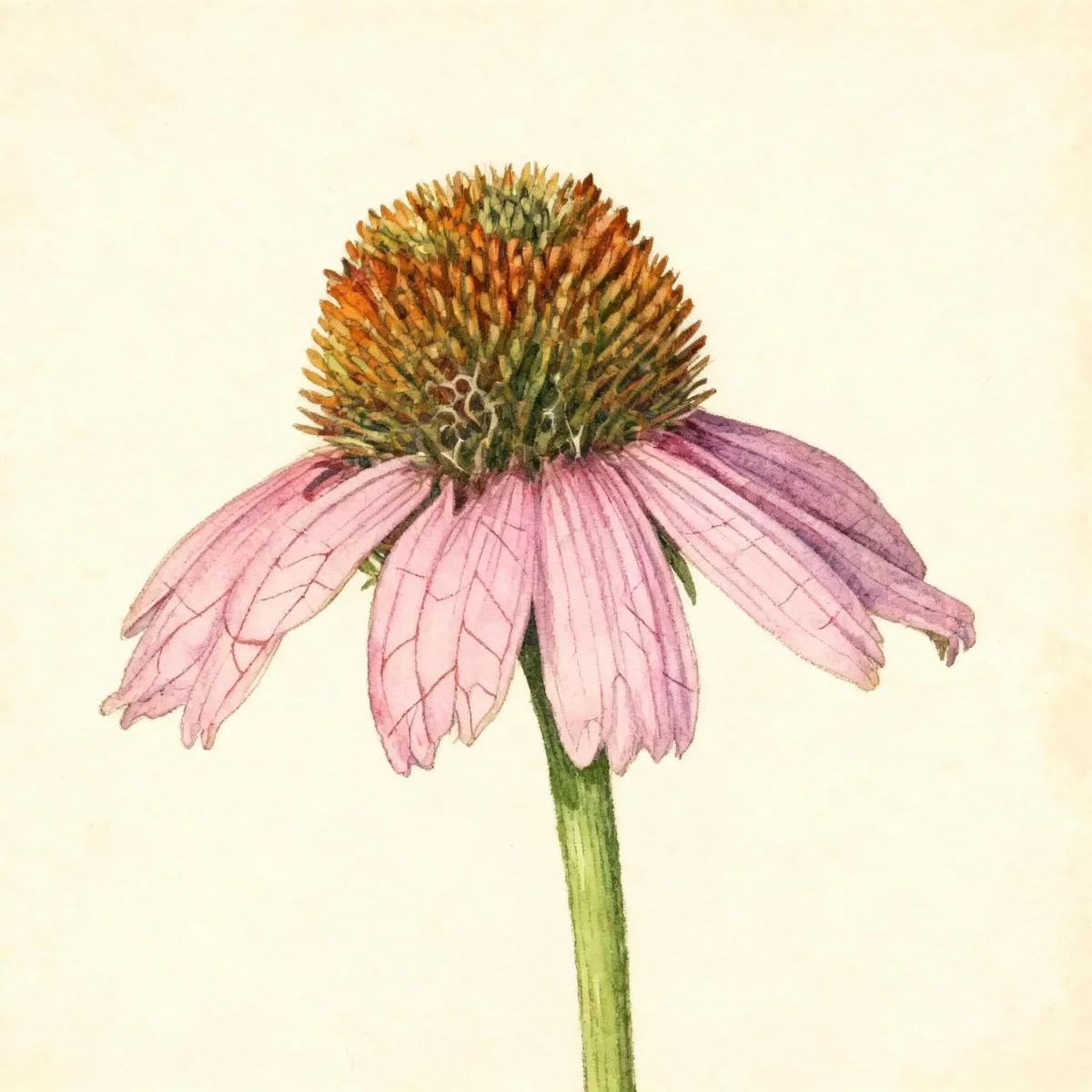
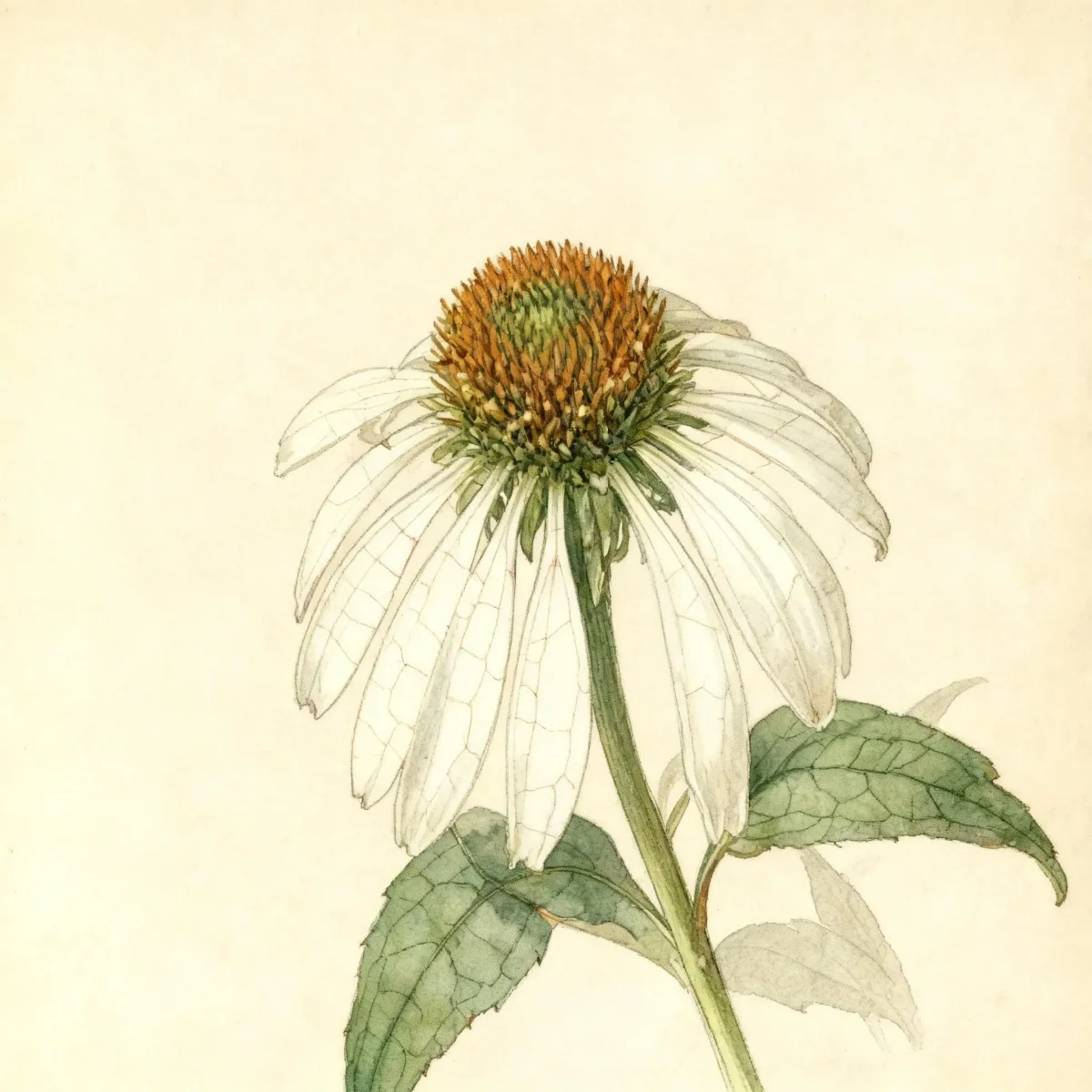
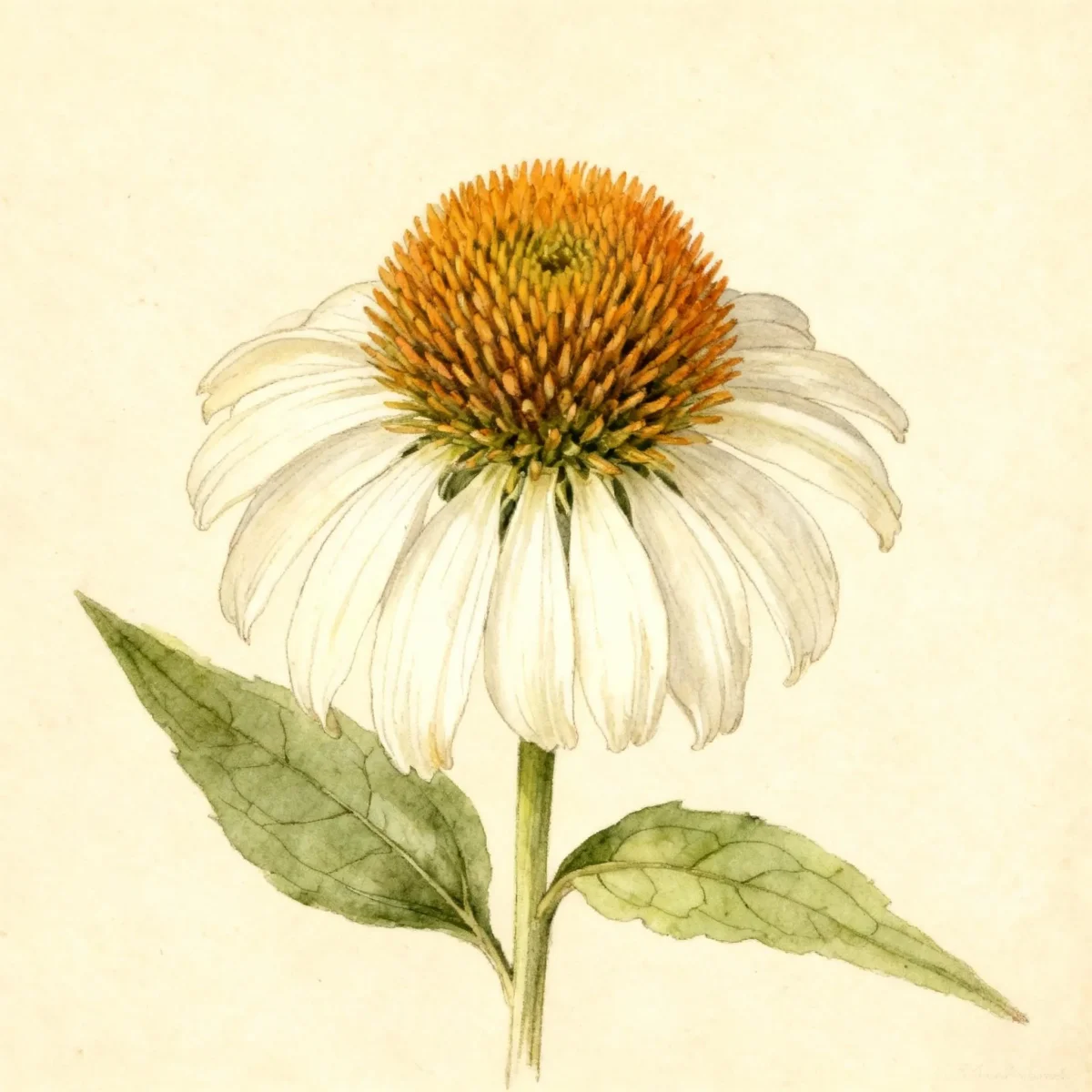
Blue stem goldenrod (Solidago caesia)
Discover Blue stem goldenrod (Solidago caesia), a low-maintenance perennial providing late-season color and valuable pollinator support.
Scroll down to discover growing tips, care requirements, companion plants, and more
Complete Plant Information
Overview
Solidago caesia, widely recognized as Blue stem goldenrod, is a valuable North American native, offering crucial late-season color when many other flowers have faded. This herbaceous perennial is prized for its elegant, arching habit and its ability to thrive in diverse conditions, making it an excellent choice for structured native plantings. Unlike some aggressive relatives, Solidago caesia remains primarily clump-forming, offering a neat presence in the garden border.
This plant provides significant ecological benefits, serving as an important late-season nectar source for pollinators like bees and butterflies as autumn approaches. Its adaptability—tolerating dry conditions and poorer soils—reduces garden labor and conserves water resources. Growing Blue stem goldenrod not only enhances biodiversity but also introduces reliable, cheerful yellow blooms to the late summer and fall landscape.
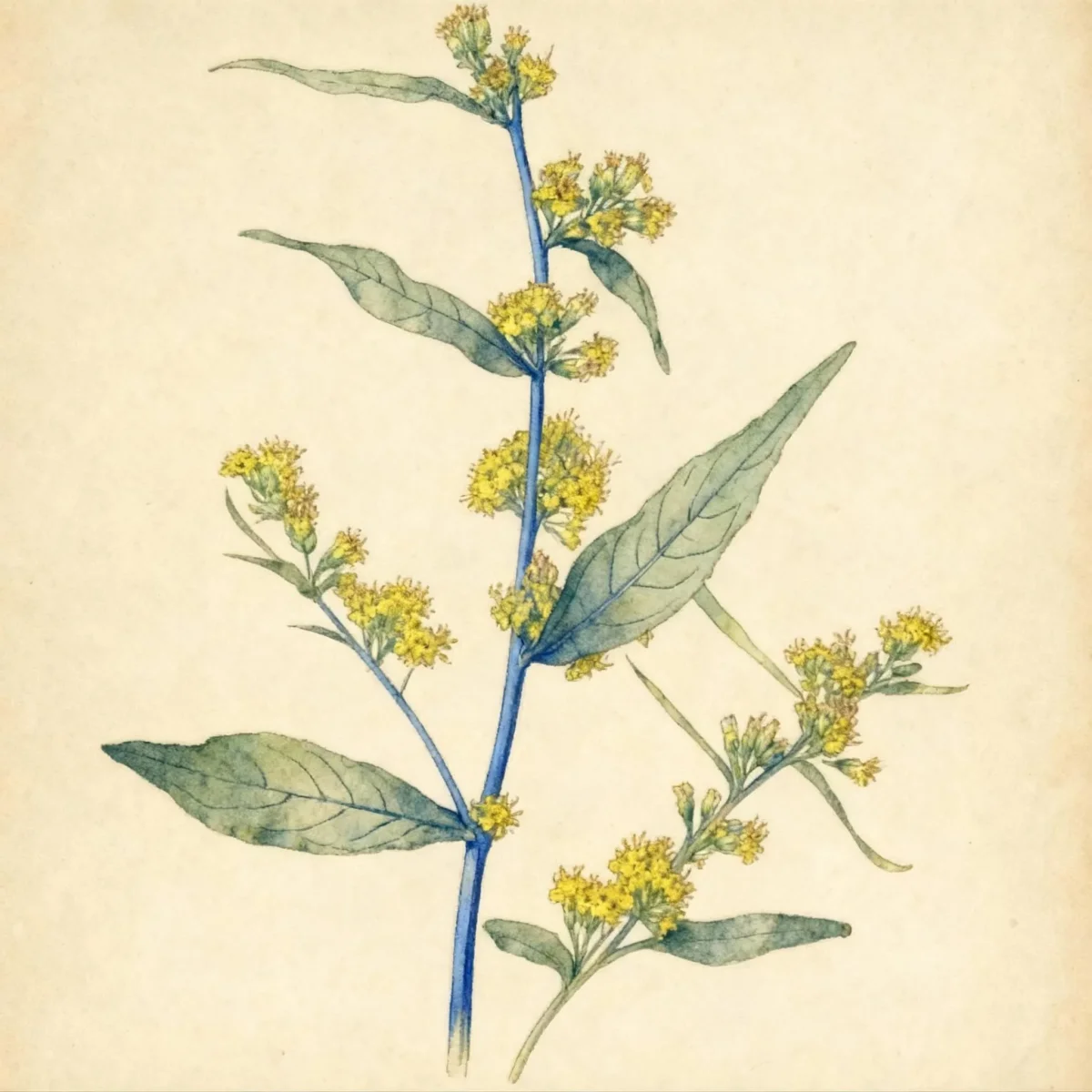
The distinctive stems, often bearing a silvery-white waxy bloom, give this plant its common name, separating it aesthetically from other goldenrods. Its moderate height (up to 3 feet) allows Solidago caesia to blend beautifully into woodland edges or mixed perennial borders, providing texture and vertical interest.
Fast Facts
- Plant Family: Asteraceae
- Plant Type: Herbaceous perennial
- Native Range: Central and eastern North America
- Hardiness Zones: USDA Zones 4-8
- Size at Maturity:
- Height: 1.5-3 ft
- Spread: 1.5-3 ft
- Bloom Time: August to September
- Bloom Description: Yellow
- Sun Exposure: Full sun to part shade
- Water Needs: Dry to medium
- Maintenance Level: Low
How to Grow
For the best performance, plant Solidago caesia in spring or fall in locations receiving full sun to partial shade. This species thrives in average, dry to medium, well-drained soils, exhibiting resilience in poor substrates where other plants might struggle. Remember that while it tolerates light shade, optimal flowering occurs with more direct sunlight.
Once established, care for Blue stem goldenrod is minimal; it requires little supplemental watering unless experiencing extended drought periods, reflecting its tolerance for dry conditions. Fertilization is generally unnecessary, particularly if the soil is of average quality. Deadheading spent flower heads is optional but can maintain tidiness, though it is not crucial for the plant’s survival or future performance.
As a woodland species, Solidago caesia naturally handles fluctuating conditions well. Being primarily clump-forming, it avoids the aggressive spreading habits seen in other goldenrods, meaning less division or root management is required. After the first hard frost, you can cut back the previous season’s growth in early spring before new shoots emerge to tidy the display.
Landscape Uses
Blue stem goldenrod is exceptionally versatile, fitting seamlessly into gardens aiming for a naturalistic aesthetic. It is an excellent choice for native plant gardens, providing reliable structure and color in native prairie or meadow settings. Due to its sturdy, clump-forming nature, Solidago caesia serves well positioned in borders where it can anchor other, shorter flowering plants effectively.
Consider incorporating this species into open woodland gardens, capitalizing on its preference for dappled light conditions found near mature trees or on slopes. It pairs beautifully with late-blooming asters, hardy ferns, and native grasses to create dynamic late-season interest. Its drought tolerance also makes it highly suitable for wild gardens or areas where water conservation is a priority, such as rock gardens or dry slopes.
For ecological design, meadow plantings benefit greatly from the reliable structure provided by Solidago caesia. Plant groupings together to create drifts of consistent yellow color that effectively attract late-season foraging bees and butterflies heading into the cooler months.
Flower Qualities
- Showy
Noteworthy Characteristics
Solidago caesia, commonly called blue-stemmed goldenrod or wreath goldenrod, is a Missouri native woodland perennial which occurs in woods, bluff ledges and bluff bases in the southern Ozark regions of the State. Typically grows 1.5-3’ tall on arching, glabrous, wiry, greenish-purple stems which are covered with a silvery-white waxy bloom that can be rubbed off. Tiny, bright yellow, daisy-like flowers typically with 3-4 rays per head appear in a series of loose clusters in the leaf axils along the length of the stems, with the terminal clusters being the largest. Goldenrods have been wrongfully accused of causing hay fever which is actually an allergic reaction to wind-borne pollen from other plants such as ragweed.
Tolerances
- Deer
- Drought
- Clay Soil
Potential Problems
This plant generally demonstrates excellent resistance to most common garden pests and diseases. The most significant issue reported for the genus, though infrequent for this specific species, is rust, a fungal infection that appears as orange or brown powdery spots on the foliage. Ensure good air circulation around plants by providing appropriate spacing to mitigate potential fungal issues.
If rust does appear on your Blue stem goldenrod, remove heavily infected leaves promptly to prevent spore spread. Improving soil drainage slightly, if feasible, can also reduce stress that makes plants susceptible to opportunistic pathogens; however, the overall low maintenance requirement of Solidago caesia means intervention is rarely necessary.
Frequently Asked Questions
What hardiness zones is Blue stem goldenrod suitable for?
Solidago caesia is a resilient perennial suitable for USDA Zones 4 through 8.
How large does Solidago caesia grow?
This species typically reaches a mature height between 1.5 and 3 feet tall, spreading to a width of 1.5 to 3 feet.
When does Blue stem goldenrod bloom?
Blue stem goldenrod brings reliable color to the late season, blooming from August into September with cheerful yellow flowers.
What sun exposure does Solidago caesia need?
It performs best in full sun but is adaptable and tolerates part shade well, fitting into many garden niches.
Conclusion
The Blue stem goldenrod (Solidago caesia) offers gardeners a robust, low-maintenance native solution for late-summer and fall color, while simultaneously supporting vital local pollinator populations. Its attractive, non-aggressive clumping habit makes it superior to many sprawling goldenrod varieties. Before planting, confirm that your site offers the dry to medium moisture levels it prefers, and enjoy this woodland beauty throughout Central and Eastern North America’s temperate seasons.
Companion Planting
Choosing companions that share the cultural requirements of Solidago caesia—partial shade tolerance and dry to medium tolerance—will ensure a cohesive and successful planting arrangement. Pair it with other woodland edge natives such as various Asters (like Symphyotrichum species) that bloom concurrently, creating layers of late-season texture. Other excellent partners include shade-tolerant sedges (Carex species) for fine texture at the base, or various native Geraniums which offer contrasting foliage earlier in the season.
Wildlife Benefits
The significance of Blue stem goldenrod to local ecosystems cannot be overstated, especially during migration and late-season foraging. Because it blooms in late summer, it provides essential high-energy nectar resources when many spring and summer bloomers have ceased flower production. Planting this species actively supports a wide range of beneficial insects, including native bees, honeybees, and various species of butterflies preparing for overwintering or migration. Providing these late nectar sources is a crucial step in cultivating a functional pollinator garden.