Stokes' aster (Stokesia laevis)
Achieve striking summer color with Stokes' aster (Stokesia laevis), an evergreen perennial native to the US Southeast.
Scroll down to discover growing tips, care requirements, companion plants, and more
Complete Plant Information
Overview
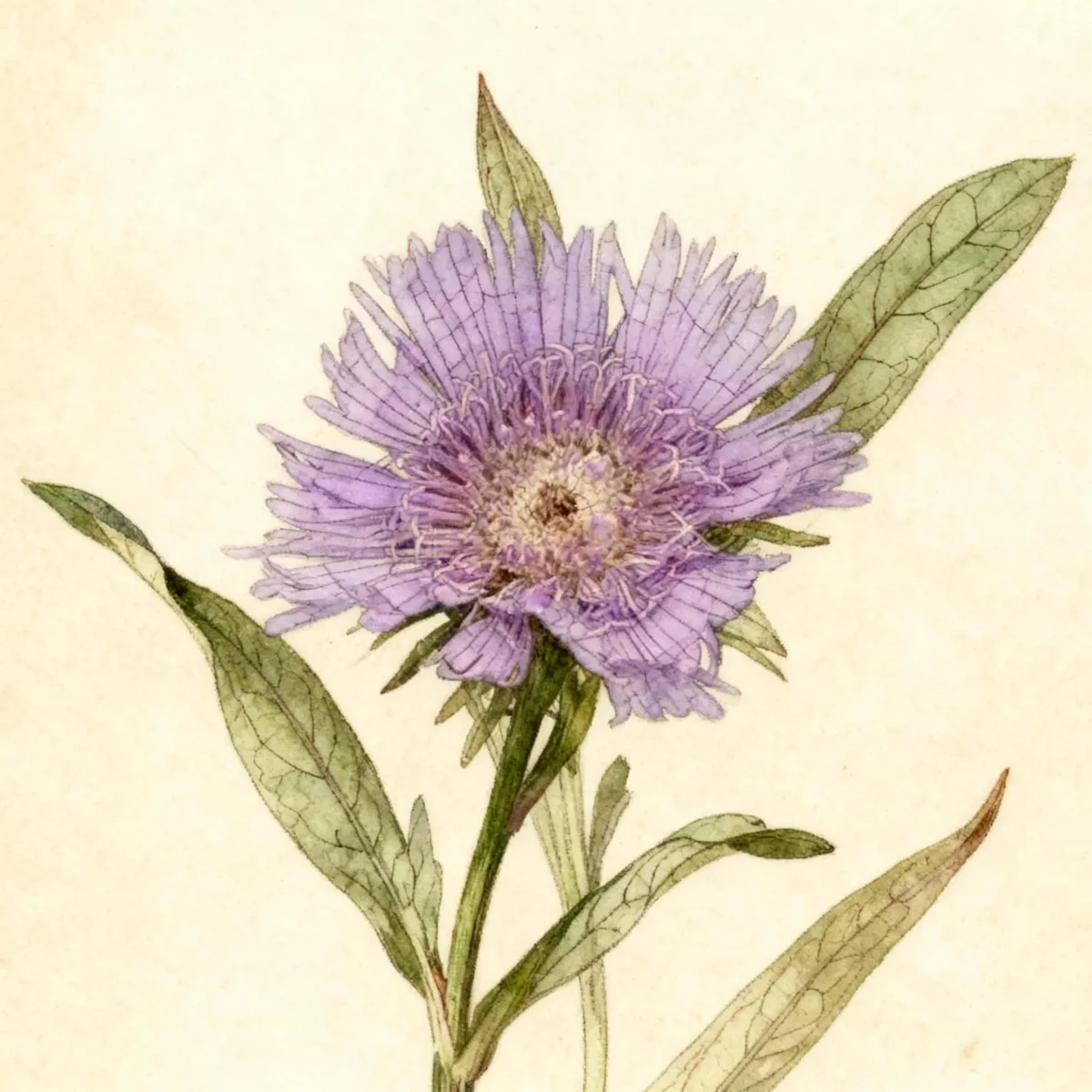
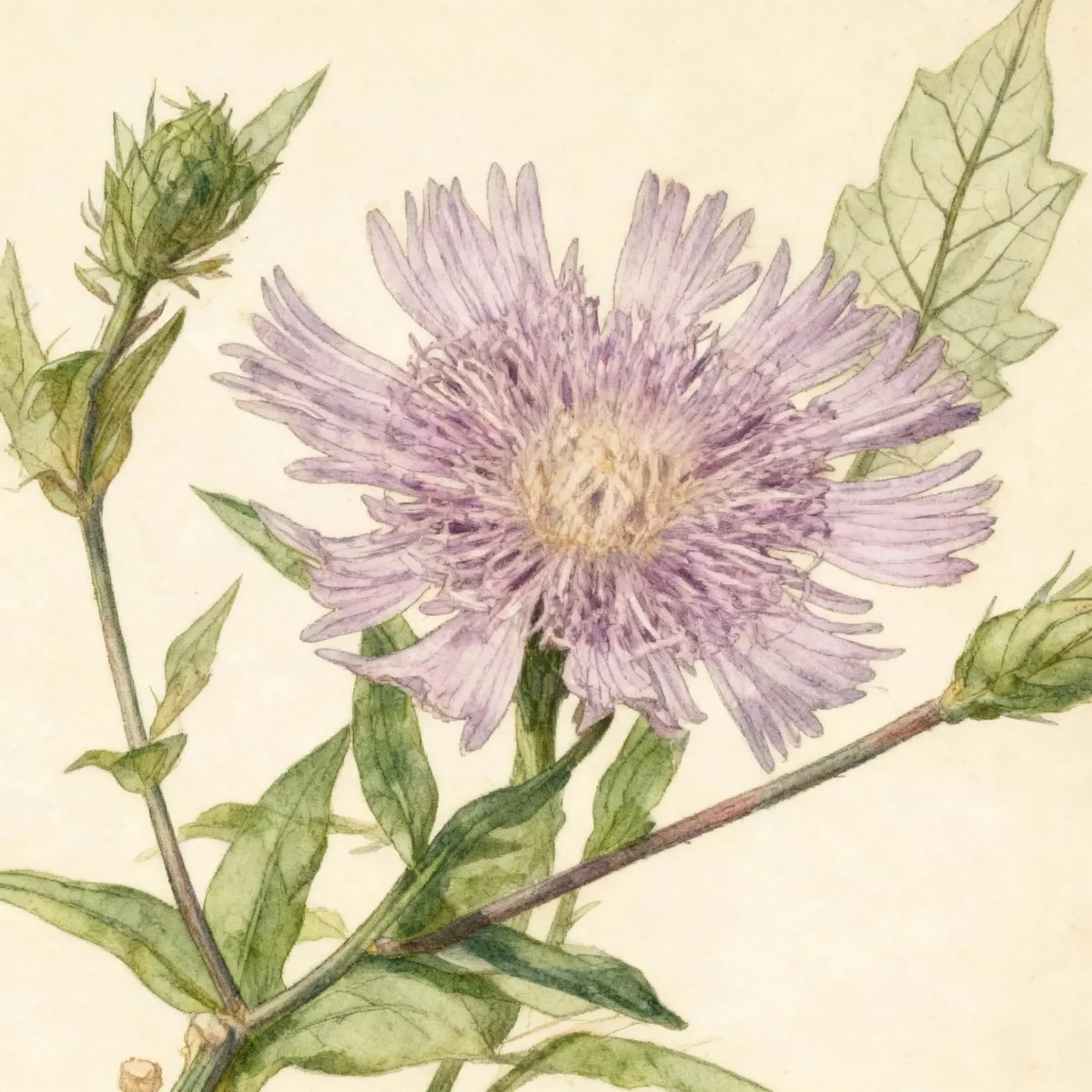
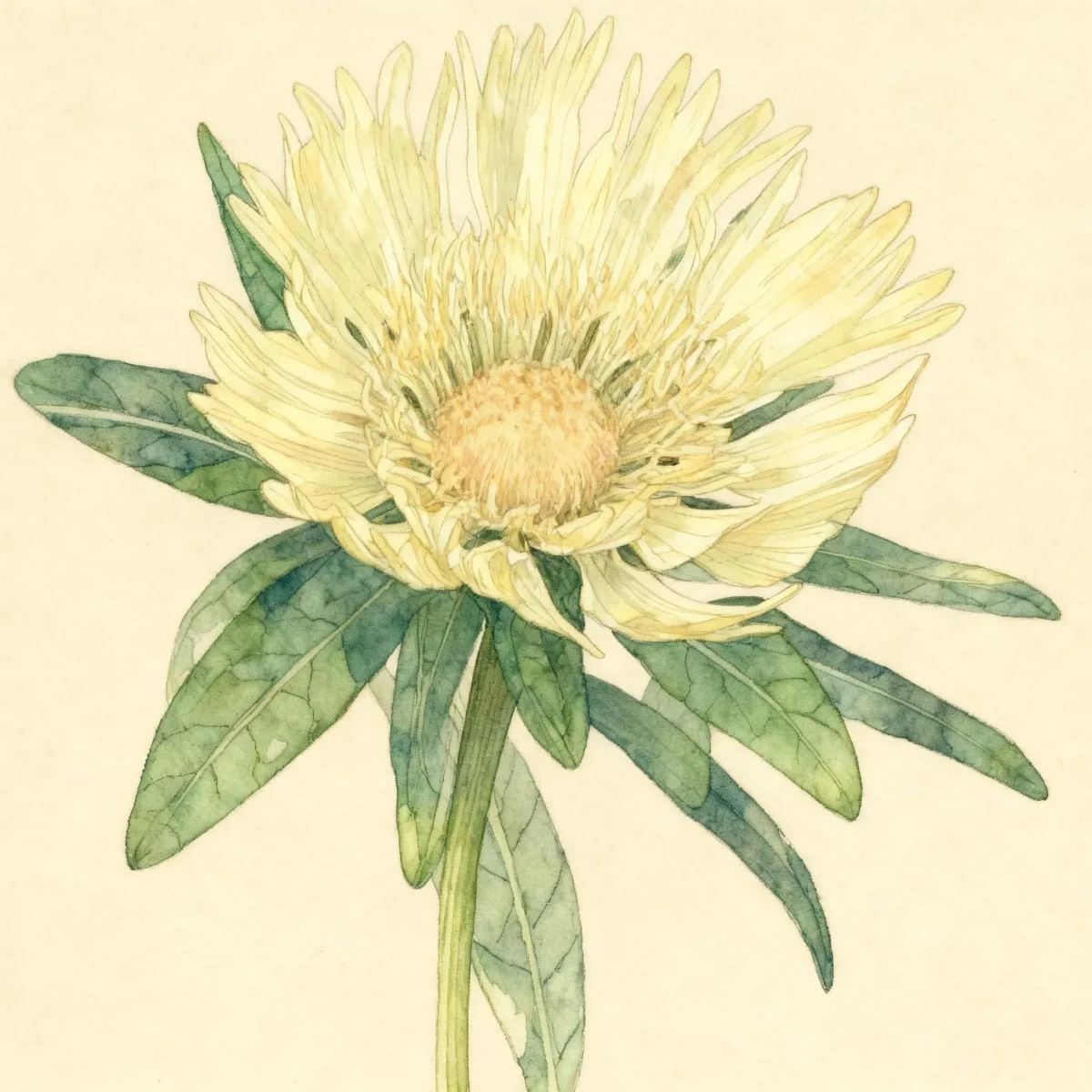
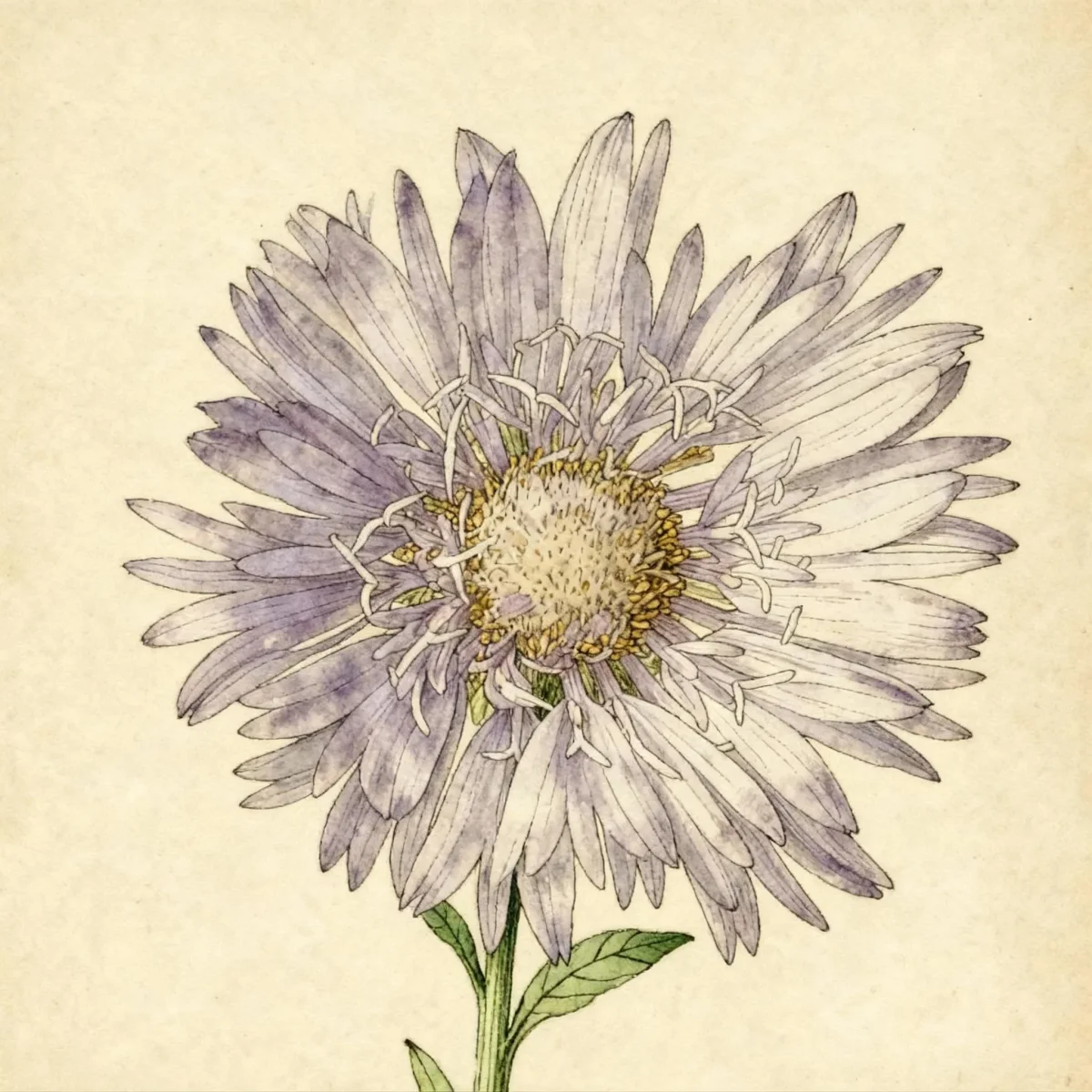
Stokes’ aster, scientifically known as Stokesia laevis, is a treasured native perennial prized for its uniquely beautiful summer flowers. Its distinctive blooms resemble large cornflowers, featuring fringed rays surrounding a dense pincushion center, offering vibrant color in the mid-summer garden. This plant is valuable to gardeners not only for its aesthetic appeal but also for its robust, low-maintenance nature once established.
Native primarily to the wet pinewoods and savannas of the Southeastern United States, adaptable Stokesia laevis thrives in full sun and requires medium water, showcasing surprising drought tolerance compared to many moisture-loving natives. As an evergreen perennial in warmer zones, it provides necessary winter structure and texture when other plants are dormant.
The low maintenance requirements and high visual impact make Stokes’ aster an excellent choice for cottage gardens or border work where season-long interest is desired. Gardeners should prioritize excellent drainage to ensure the long-term success of this beautiful North American native.
Fast Facts
- Plant Family: Asteraceae
- Plant Type: Herbaceous perennial
- Native Range: Southeastern United States
- Hardiness Zones: USDA Zones 5-9
- Size at Maturity:
- Height: 1-2 ft
- Spread: 1-1.5 ft
- Bloom Time: May to July
- Bloom Description: Blue
- Sun Exposure: Full sun
- Water Needs: Medium
- Maintenance Level: Low
How to Grow
Plant Stokesia laevis in spring or fall, ideally in a location where it receives consistent full sun exposure, though it tolerates some filtered light. The absolute priority for its survival is excellent soil drainage. While the plant prefers medium, moist soil, it roots best in sandy or well-drained amended ground. Avoid heavy, dense clay soils, which can trap moisture.
Watering should be consistent while the plant is young and establishing its root system. Once mature, Stokesia laevis exhibits good drought tolerance, requiring only moderate supplemental water during extended dry periods. Never allow the soil to remain soggy, especially during the winter months, as wet soil is the primary cause of failure for this species.
Maintenance is relatively low for Stokes’ aster. Deadheading individual spent flowers encourages repeat blooming throughout the summer season. After the primary bloom wanes, remove the spent flowering stems entirely to tidy the plant’s appearance.
For gardeners in the northern extent of its range (Zone 5), applying a layer of winter mulch around the crown provides necessary insulation and protection against freeze/thaw cycles. In late winter or very early spring, these plants can be cut back to the basal foliage, allowing new growth to emerge cleanly.
Landscape Uses
Stokes’ aster is perfectly suited for adding vertical interest and vibrant color along border fronts in cottage gardens. Its manageable 1 to 2-foot height ensures it does not overwhelm shorter spring bloomers but remains visible in mixed perennial borders. It also performs wonderfully in mass plantings, creating a striking sea of blue when fully in bloom.
Consider using Stokesia laevis near water features, such as the edges of ponds or streams, provided the soil around the roots remains well-drained and does not become waterlogged. The plant’s preference for moist, sandy substrates makes it a strong candidate for these marginally wet locations.
For smaller garden spaces, planting in small groupings provides excellent impact without requiring large drifts. The compact spread of Stokes’ aster also makes it a suitable mid-layer component when designing layered perennial beds that transition from lawn/path to taller background shrubs.
Standout Features
Flower Qualities
- Showy
Noteworthy Characteristics
Stokesia laevis, commonly known as Stokes’ aster, is native to wetlands, bottomlands, wet pinewoods, savannas and ditches mostly along the coastal plain from North Carolina to Florida to Louisiana. It is an evergreen perennial that typically grows to 1-2’ tall. It features fluffy, cornflower-like, violet blue flowers (to 2 1/2” across), each with notched rays surrounding a pincushion center of feathery disk florets. Flowers bloom from early to mid-summer (sometimes with a fall rebloom) atop generally erect, leafy stems that rise from a basal rosette of lanceolate to elliptic, medium green leaves (to 6” long).
Tolerances
- Rabbit
- Drought
Potential Problems
Stokesia laevis is generally recognized as having few serious garden pests or diseases, making it a reliable choice for low-spray gardens. The most common issue to monitor for is the presence of caterpillars, which should be handpicked or treated if infestations become severe. A significant structural concern is that the flower stems tend to flop, particularly if they become heavy with water after a substantial rain event, such as a Midwestern thundershower. To mitigate flopping, ensure plants are given full sun, which generally results in stronger stems, or consider integrating physical support methods like peony rings early in the season.
Frequently Asked Questions
What hardiness zones is Stokes’ aster suitable for?
Stokesia laevis is reliably hardy across USDA Zones 5 through 9, offering a broad planting range for gardeners in temperate climates.
How large does Stokesia laevis grow?
This herbaceous perennial typically reaches a height between 1 and 2 feet tall, with a spread of 1 to 1.5 feet wide.
What sun exposure does Stokes’ aster need?
For the best flowering performance and sturdy growth, Stokesia laevis requires full sun exposure throughout the growing season.
When does Stokes’ aster bloom?
Stokes’ aster produces its signature blue, showy flowers primarily from May into July, sometimes offering additional blooms later in the season.
Conclusion
The reliable color and evergreen structure provided by Stokesia laevis make it an essential component for borders and cottage gardens. Its low-maintenance profile, especially concerning pests and drought once established, ensures this beautiful Stokes’ aster remains a garden favorite. Check your local USDA hardiness zone compatibility and ensure sharp drainage before planting for years of summer enjoyment.
Companion Planting Suggestions
When selecting neighbors for Stokes’ aster, prioritize plants that appreciate sun and require similar moderate moisture levels without becoming waterlogged. Good companions include Lavender (Lavandula spp.) or Russian Sage (Perovskia atriplicifolia), as these offer contrasting silvery foliage and similar drought tolerance for mid-to-back border placement. For lower plantings, consider pairing Stokesia laevis with Lamb’s Ears (Stachys byzantina) or low-growing Sedums, all of which thrive in sunny, well-drained conditions.
Seasonal Care Calendar
Spring preparation involves cutting back any remaining old foliage once new basal growth begins to emerge, usually late March or early April depending on location. Throughout the active growing season (May through August), deadhead faded blooms consistently to maximize the production of those beautiful blue flowers. In autumn, ensure adequate soil drainage before winter sets in, especially in colder areas (Zone 5), where a light layer of mulch applied after the first hard frost will safeguard the crowns of your Stokesia laevis.