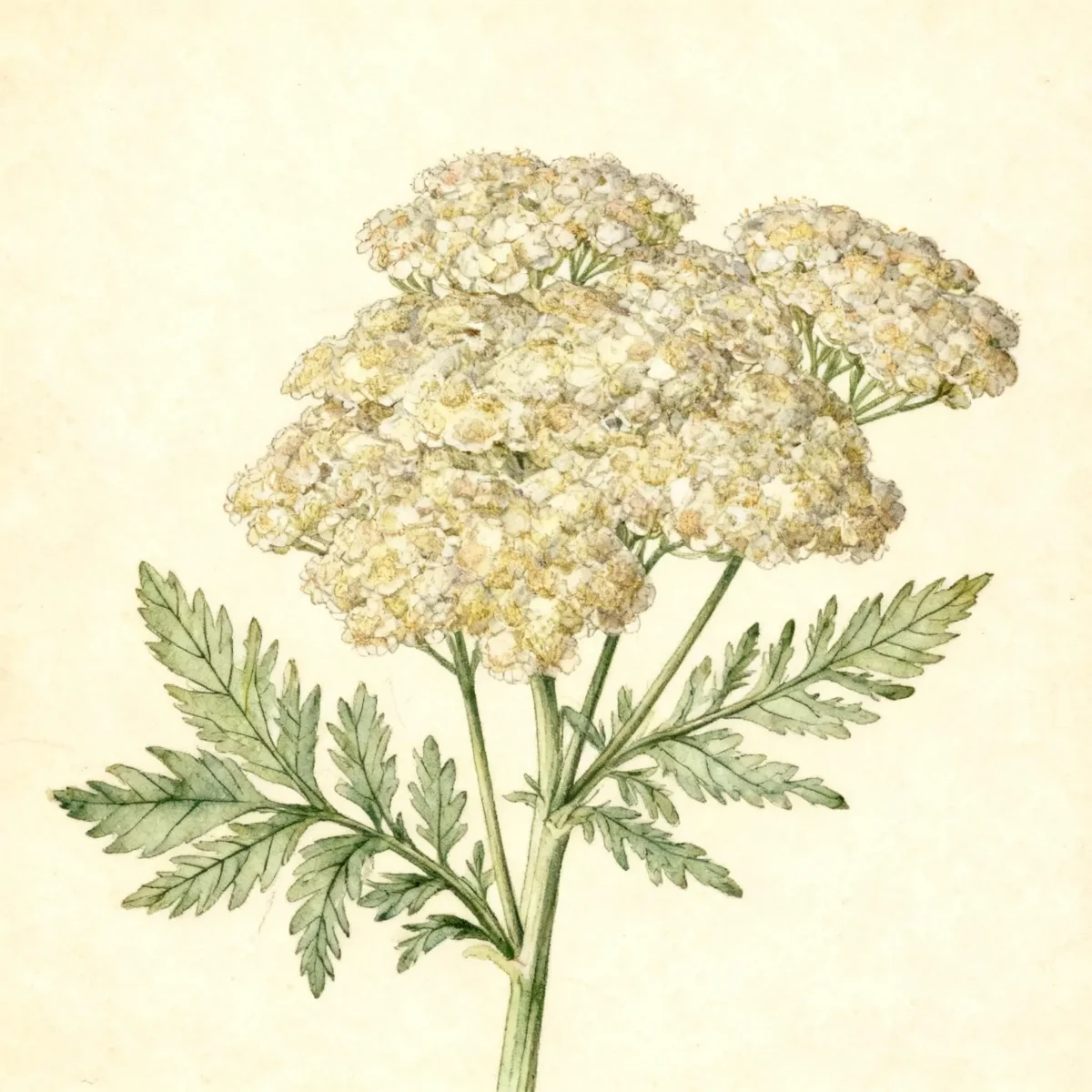
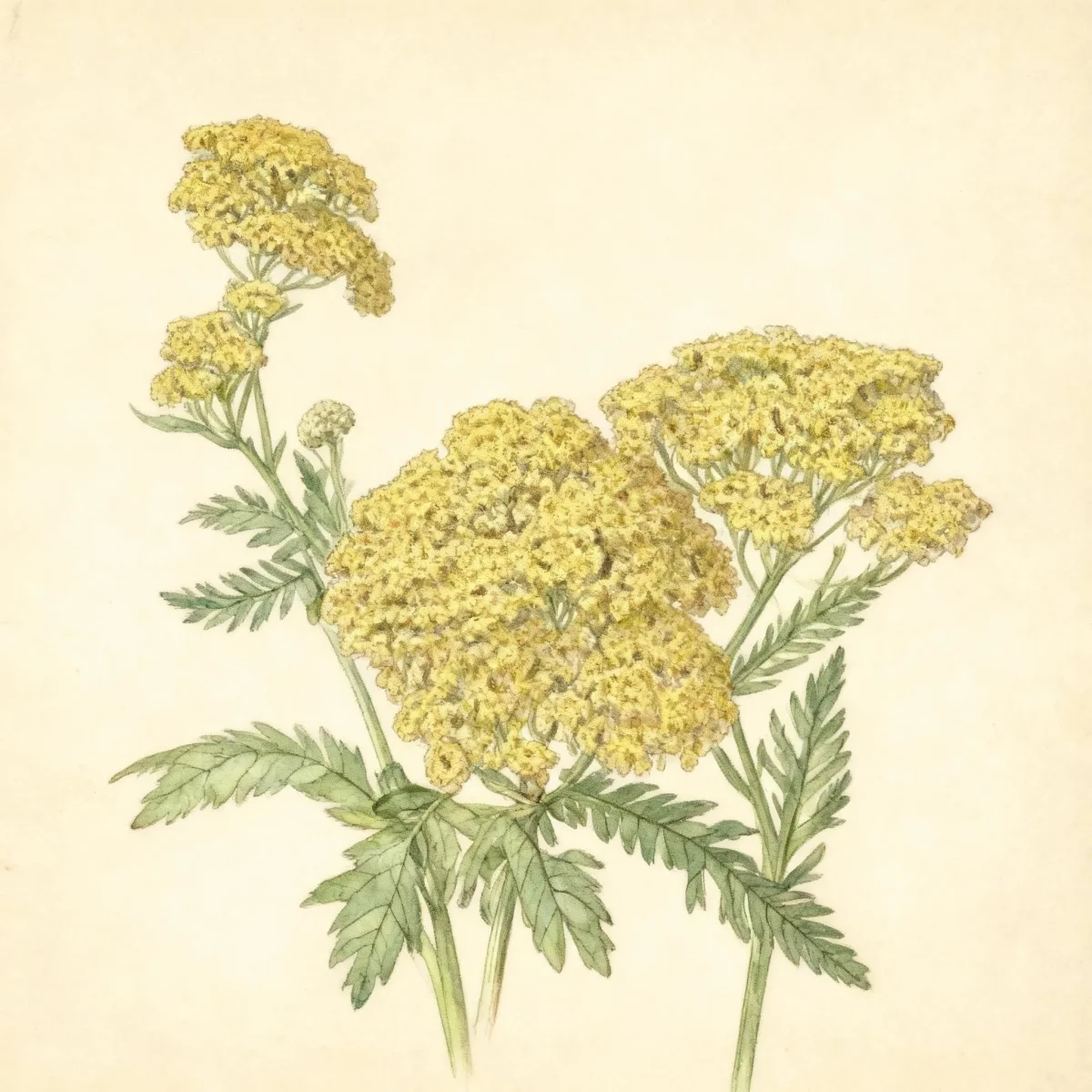
Goldenrod (Solidago speciosa)
Showy Goldenrod (Solidago speciosa) is a reliable, drought-tolerant perennial offering bright yellow blooms from July to September.
Scroll down to discover growing tips, care requirements, companion plants, and more
Complete Plant Information
Overview
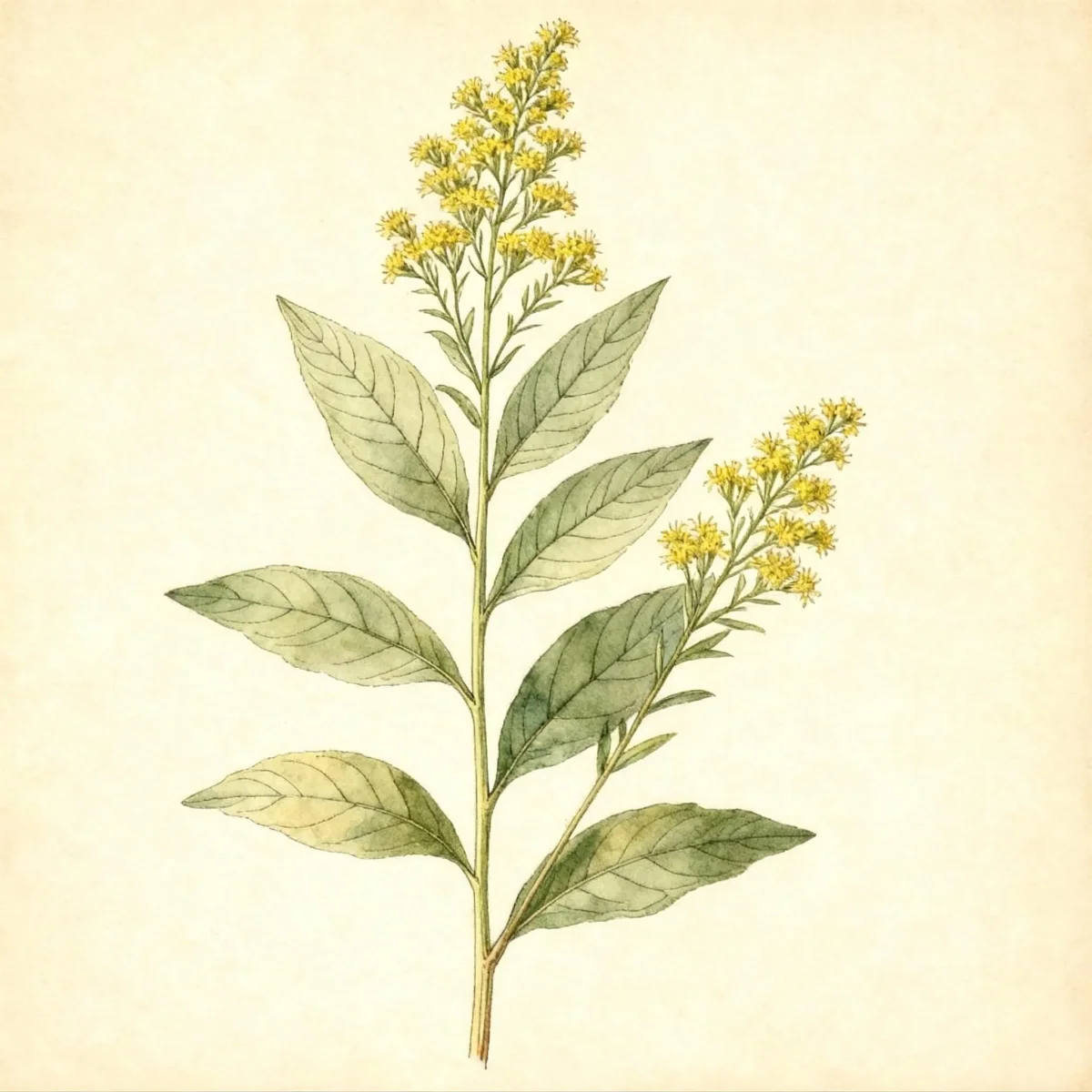
Solidago speciosa, commonly known as Showy Goldenrod, stands out in the late-season landscape with its dense, erect clusters of brilliant yellow flowers. This herbaceous perennial provides crucial late-summer color when many other garden subjects are fading, making it invaluable for extending the visualInterest of borders and naturalized areas. As one of the showiest members of the Solidago genus, Solidago speciosa is a robust native plant that brings structure and vibrancy to the garden.
This species is highly adaptable, preferring full sun and thriving even in poorer, drier soils once established. Its medium maintenance requirement and tolerance for challenging conditions like drought and clay soil make it a reliable choice for gardeners aiming for sustainable, low-intervention displays. Furthermore, the flowers of Goldenrod are magnets for late-season pollinators, offering vital nectar resources.
Despite historical misconceptions regarding hay fever, which is typically caused by wind-pollinated plants like ragweed, Solidago speciosa remains an exceptional choice for native plant gardens, prairies, and meadows. Its stiff, reddish stems and tidy growth habit ensure it remains attractive throughout its bloom cycle.
Fast Facts
- Plant Family: Asteraceae
- Plant Type: Herbaceous perennial
- Native Range: Central and eastern United States
- Hardiness Zones: USDA Zones 3-8
- Size at Maturity:
- Height: 2-3 ft
- Spread: 2-3 ft
- Bloom Time: July to September
- Bloom Description: Yellow
- Sun Exposure: Full sun
- Water Needs: Dry to medium
- Maintenance Level: Medium
How to Grow
For optimal performance, establish Goldenrod in the spring or fall when cooler temperatures aid root establishment. Select a location that receives full sun; while it tolerates some light afternoon shade, flowering performance is best with six or more hours of direct light daily. Solidago speciosa is remarkably easy to grow and adapts well to average, dry to medium, well-drained soil, showing excellent tolerance for soils that are poor or dry.
Water consistently until the plant is fully established in its first growing season. Once mature, this drought-tolerant perennial requires very little supplemental moisture, making it excellent for xeriscaping or low-water gardens. Fertilization is rarely necessary; rich soil can sometimes lead to floppier growth rather than the desired stiff habit.
Maintenance for Solidago speciosa is generally straightforward. To maintain vigor and tidiness, remove spent flower clusters to potentially encourage a secondary flush of blooms, although this is not strictly required. Because this plant spreads via rhizomes, be prepared to divide clumps every two to three years, especially if the plant begins to look overcrowded or less vigorous.
Landscape Uses
One of the primary advantages of using Solidago speciosa is its suitability for naturalized settings. It blends seamlessly into wild gardens, meadows, or prairie restorations, creating a vibrant, unified color block in the late summer and early autumn. Its upright, non-floppy habit means it works well planted toward the middle or back of a perennial border, offering excellent structure and contrast against fine-textured foliage or cooler-colored blooms.
Consider using Goldenrod in native plant gardens where its value to local ecology is maximized. Plant clusters of three or five specimens together for the greatest visual impact, allowing their bright yellow inflorescences to shine against grasses or darker shrubs. As a late-season beacon, it partners beautifully with late-blooming asters or ornamental grasses that offer textural interest when the blooms fade.
Standout Features
Flower Qualities
- Showy
Noteworthy Characteristics
Solidago speciosa, commonly called showy goldenrod, is a rhizomatous, Missouri native perennial which typically occurs in dry soils in open woods, fields and prairies throughout most of the State except the Ozark region. Features tiny, bright yellow flowers borne in dense, erect, club-shaped terminal clusters atop stiff, narrow-leaved, reddish stems typically growing 2-3’ tall. As the common name suggests, this species is one of the showiest of the many goldenrods. Genus name comes from the Latin words solidus meaning whole and ago meaning to make in reference to the medicinal healing properties of some species plants.
Tolerances
- Deer
- Drought
- Clay Soil
Potential Problems
This plant generally carries a reputation for being robust, exhibiting no serious insect or disease problems under ideal growing conditions. The most frequent cultural issue encountered is leaf rust, which manifests as yellow or orange pustules on the foliage; this is more common in humid, crowded conditions. To manage the plant’s spreading nature, be aware that it may need to be divided every 2 to 3 years to control rhizomatous growth and maintain plant health.
Frequently Asked Questions
What hardiness zones is Goldenrod suitable for?
Solidago speciosa is highly adaptable and is suitable for USDA Hardiness Zones 3 through 8, offering reliable perennial performance across a wide range of climates.
How large does Solidago speciosa grow?
This perennial typically reaches a height between 2 and 3 feet, with an equal spread of 2 to 3 feet, resulting in a pleasingly compact, upright form.
When does Goldenrod bloom?
You can expect the bright yellow flowers of this species to appear reliably from July through September, providing essential late-season color for the garden.
What sun exposure does Solidago speciosa need?
The optimal requirement for rich blooms and sturdy structure is full sun exposure, though it can tolerate some light afternoon shade.
Conclusion
Solidago speciosa offers gardeners a dependable, beautiful source of late-summer yellow color that supports local ecology through its abundant nectar production. Integrating the Showy Goldenrod into your landscape design ensures reliable performance, even in tough, dry soils. Check your USDA zone compatibility and plan to plant this resilient native perennial during spring or fall to enjoy its striking display next season.
Companion Planting
Selecting appropriate companions for Solidago speciosa involves pairing plants that share similar needs for full sun and dry to medium moisture levels. Excellent neighbors include prairie natives like Purple Coneflower (Echinacea purpurea) or Butterfly Weed (Asclepias tuberosa), creating a vibrant, drought-tolerant tapestry. For added vertical interest without intense competition, pair the 2-3 foot height of the Goldenrod with taller switchgrass varieties (Panicum virgatum) to enhance the meadow aesthetic.
When designing a perennial border, use the upright structure of this Goldenrod to anchor sections. Contrast its late-season yellow with purples, blues, or whites, such as perennial salvias or late-blooming ornamental alliums (if sited appropriately), to make the spikes of color truly pop before the first frost arrives.
Wildlife Benefits
The late bloom time of Solidago speciosa places it squarely in the critical feeding window for migrating pollinators, offering a crucial food source when other nectar supplies wane. Its dense flower clusters are especially attractive and easily accessed by many species of native bees, bumblebees, and various butterflies preparing for autumn migration. Planting a mass planting of this species is one of the most effective ways to boost local biodiversity in an ornamental setting.
Beyond nectar providers, the structure of the dried stalks left standing through winter can offer essential protective habitat for beneficial insects and overwintering larvae. Gardeners practicing “leave the leaves” or late-cutback methods will find that Solidago speciosa contributes structure to the winter landscape while supporting the insect life cycle.