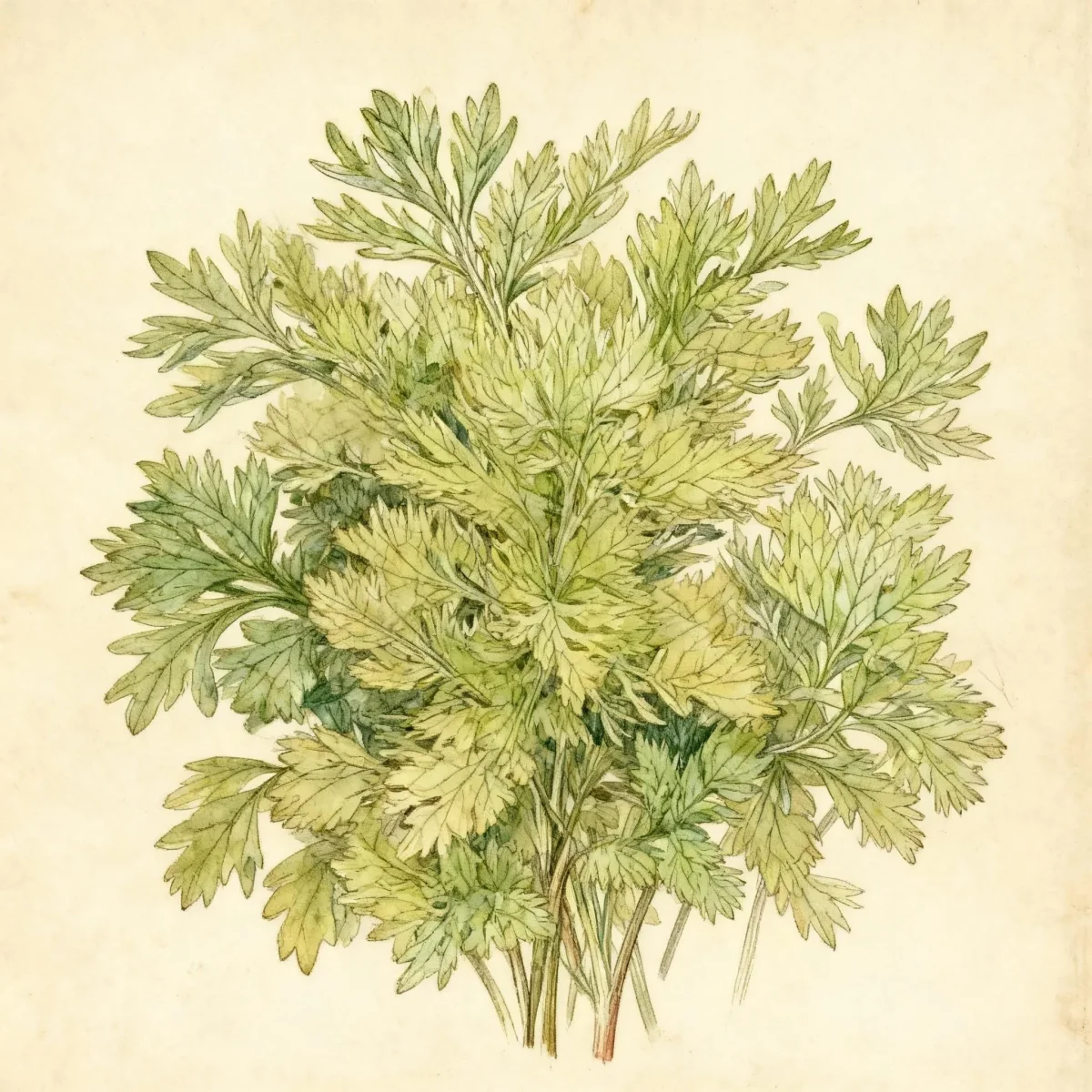
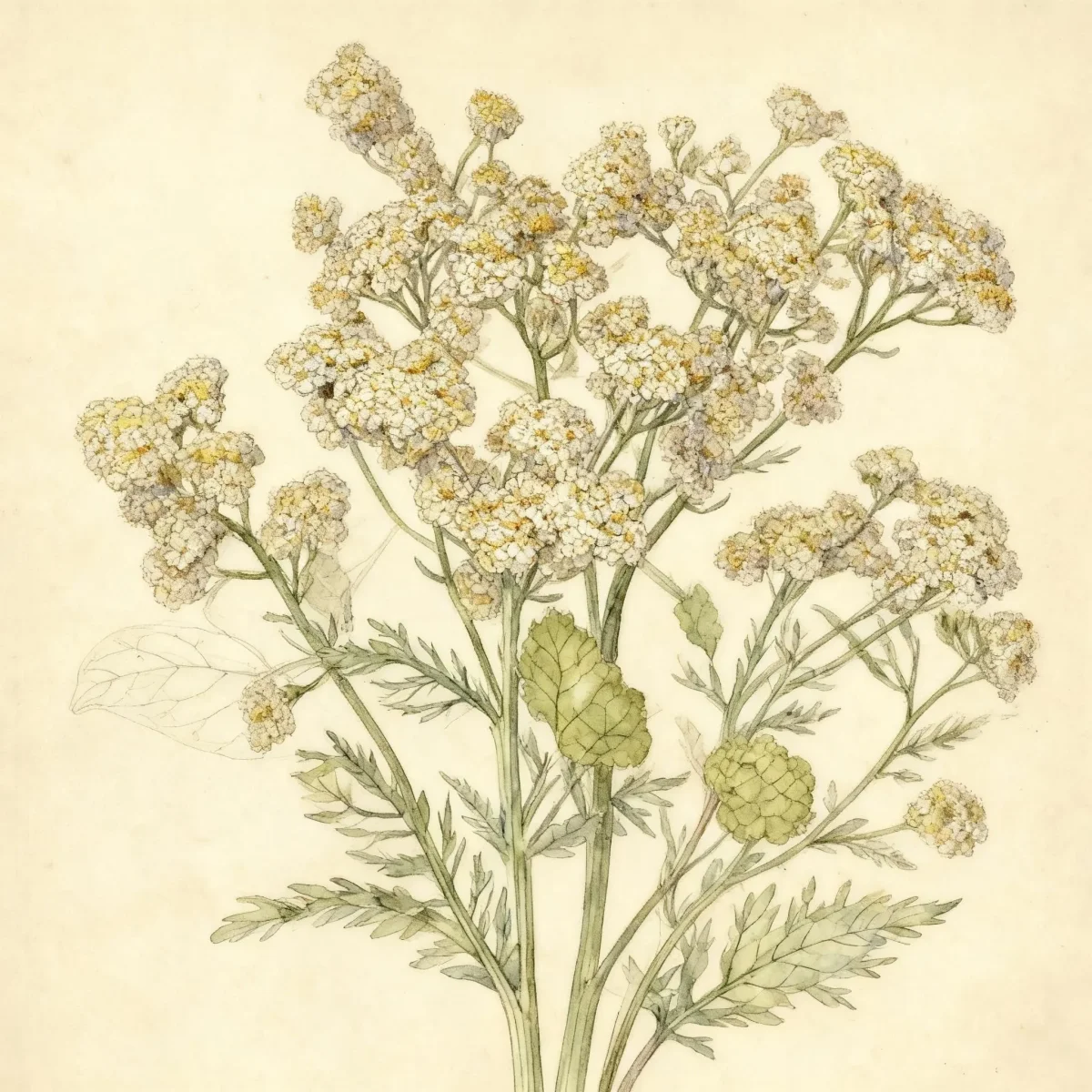
Tarragon (Artemisia dracunculus)
Tarragon (Artemisia dracunculus) is a medium-maintenance perennial herb thriving in full sun, known for its aromatic culinary value.
Scroll down to discover growing tips, care requirements, companion plants, and more
Complete Plant Information
Overview
Artemisia dracunculus, widely recognized as Tarragon, is a highly valued herbaceous perennial, primarily cultivated for its distinctively flavored leaves. While the Artemisia dracunculus species itself is somewhat polymorphic, garden varieties derived from it are staples in French cuisine, lending anise-like notes to sauces and dishes. This plant establishes itself as an upright perennial, slowly spreading via creeping rhizomes, offering consistent aromatic foliage throughout the growing season.
Gardeners appreciate the Tarragon plant for its hardiness in temperate zones and its preference for well-drained, sunny conditions. Although it does produce flowers, its main attribute is its sharp, fragrant foliage, which necessitates attentive care, particularly regarding soil moisture management. Successfully cultivating Artemisia dracunculus ensures a reliable supply of this essential herb for the kitchen.
Fast Facts
- Plant Family: Asteraceae
- Plant Type: Herbaceous perennial
- Native Range: Temperate northern hemisphere
- Hardiness Zones: USDA Zones 3-7
- Size at Maturity:
- Height: 1.5-3 ft
- Spread: 1-1.5 ft
- Bloom Time: July to August
- Bloom Description: Yellowish-white
- Sun Exposure: Full sun
- Water Needs: Dry to medium
- Maintenance Level: Medium
How to Grow
The ideal time to establish Tarragon is when the danger of hard frost has passed, positioning plants where they receive full sun exposure throughout the day. Artemisia dracunculus requires organically rich, well-drained soils; it is crucial to avoid persistently wet conditions, as this is highly detrimental. While it prefers growth in neutral soils, providing a sheltered location and a year-round mulch in colder regions (like the St. Louis area) can enhance winter survival.
Watering should be managed carefully; the name Tarragon reflects its need for dry to medium soil moisture. Overwatering quickly leads to root rot, a significant problem for this species. Fertilization is generally unnecessary if the soil is organically rich. Monitor moisture levels closely, allowing the soil to dry slightly between thorough waterings.
Pruning is an essential part of maintaining robust clumps of Artemisia dracunculus. Cut the entire plant structure down to the ground level in early spring as new growth begins. To prevent density and decline, plan on dividing the clumps every three to four years. This division encourages vigorous new growth and maintains the desired plant habit.
Landscape Uses
Although wild tarragon is primarily known as an aromatic herb for the garden, its upright, narrow form allows for versatile placement. It integrates well into dedicated herb gardens where its texture and medium height are valued alongside other culinary selections. Tarragon can also be successfully grown in containers or substantial window boxes, provided drainage is exceptional.
Due to its specific soil and moisture requirements, Artemisia dracunculus is not typically recommended for mass plantings in borders where it might compete with thirsty border perennials. When selecting companions, choose drought-tolerant herbs and flowers that also thrive in full sun and prefer leaner, well-drained media. This herb is most functional when placed near the kitchen door for easy access.
Standout Features
Noteworthy Characteristics
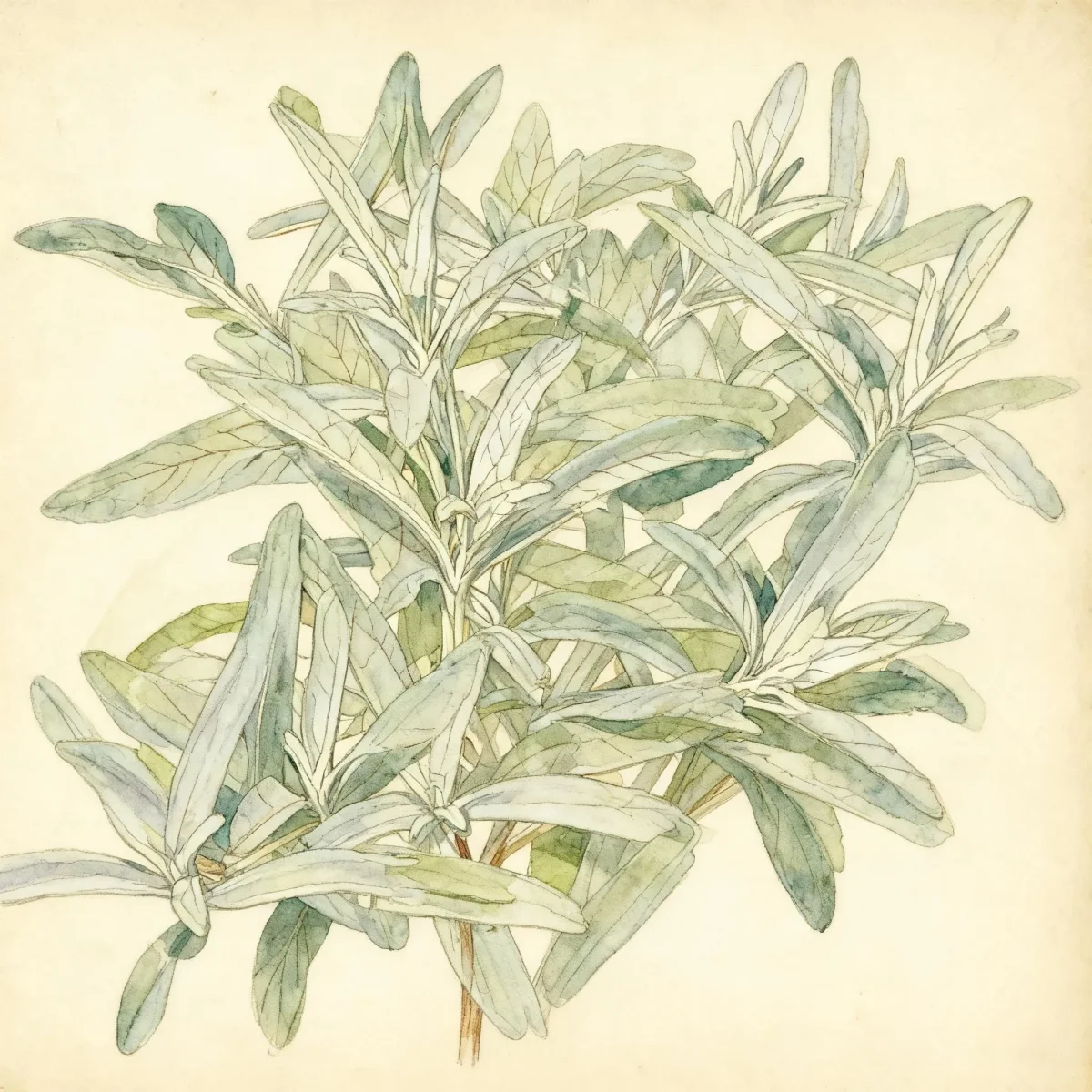
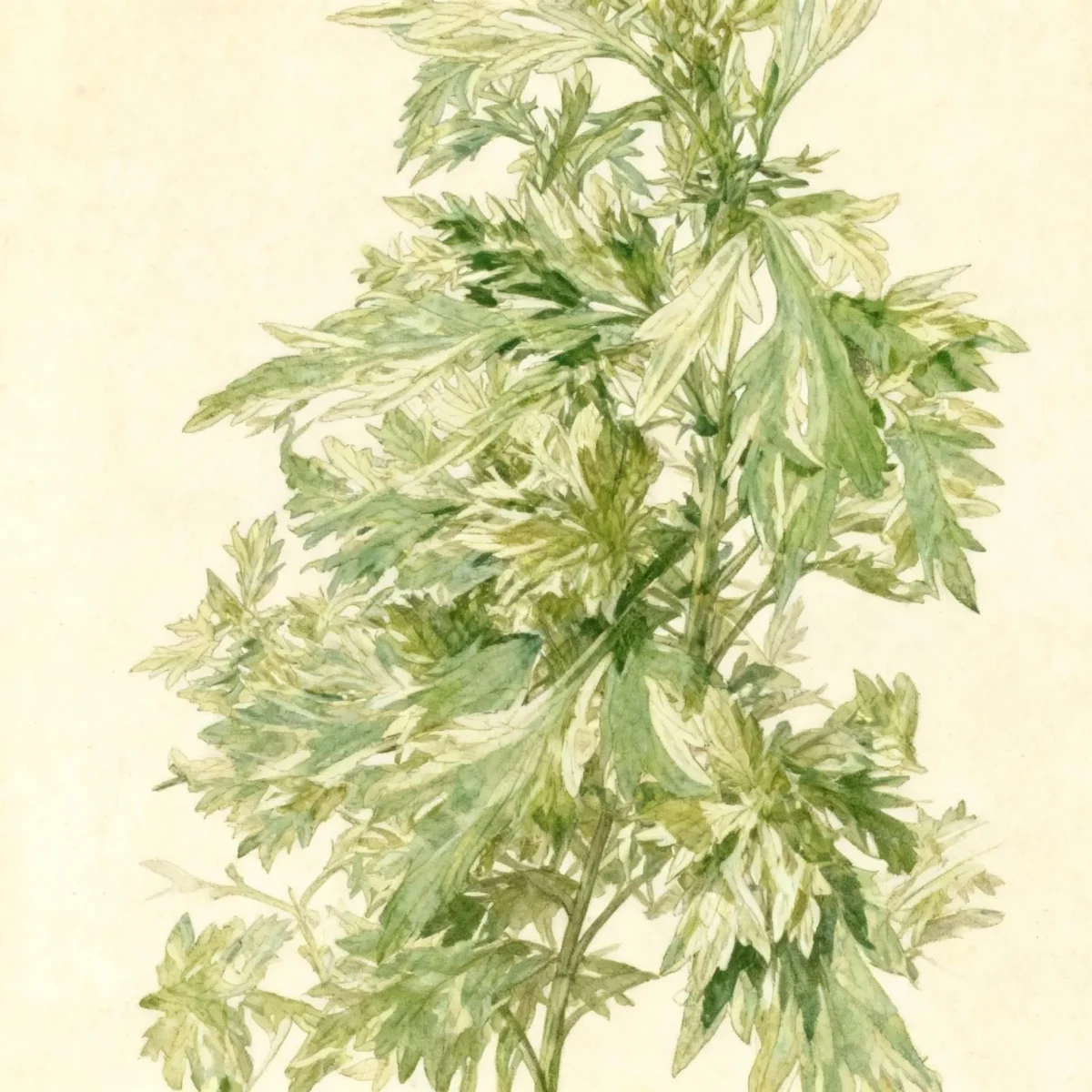
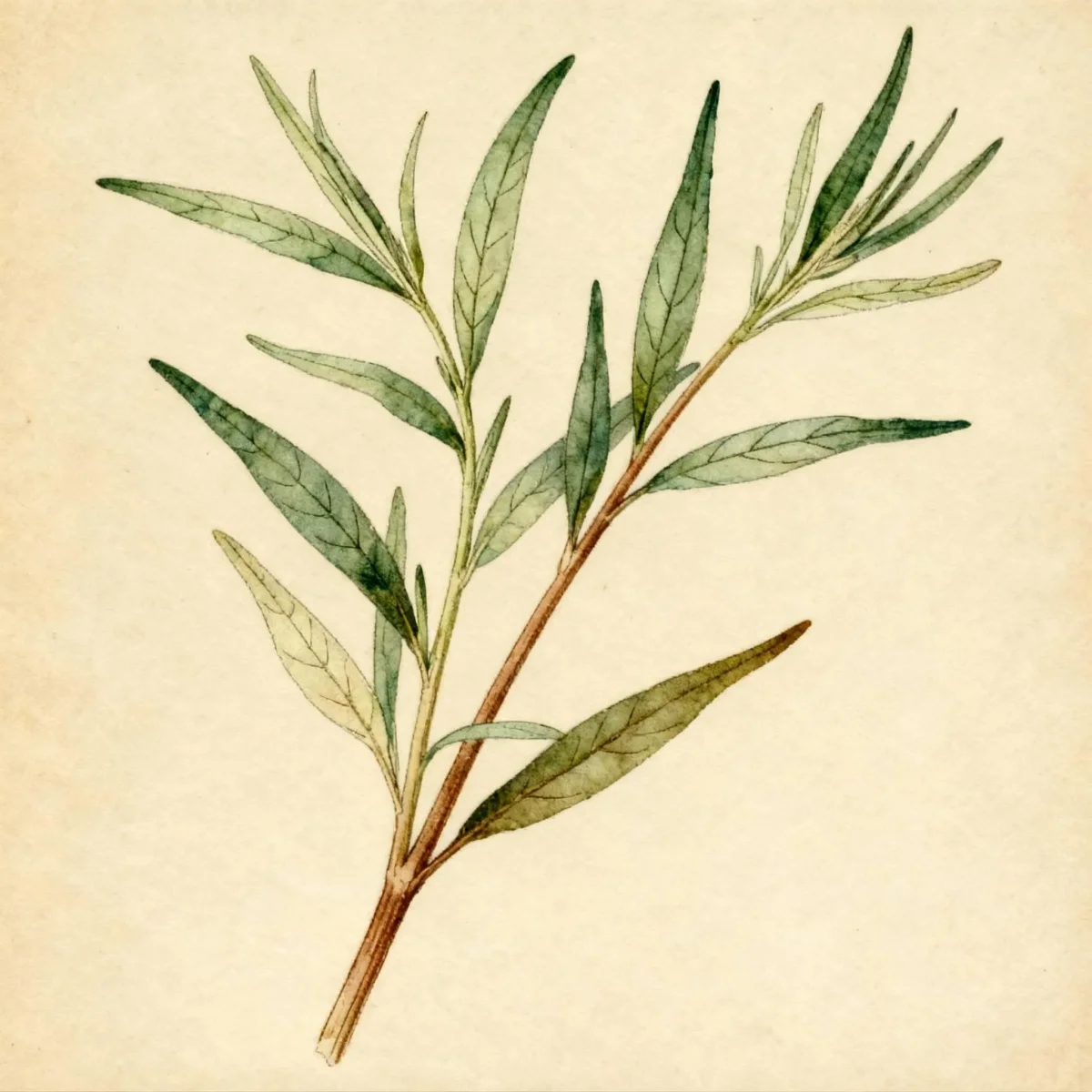
Artemisia dracunculus, commonly called wild tarragon, is a polymorphic species that is native to temperate Europe and Asia. It produces viable seed and will often self-seed, though leaf flavor and aroma can be highly variable in these wild-type plants. It is a rhizomatous perennial or sub-shrub typically reaching 24” tall, sporting narrow, linear to lance-shaped, light to medium green leaves; the genus name honors Artemis, the Greek goddess of the moon. Tarragon sold without cultivar designation may be the less pungent Russian tarragon, which culinary experts often find inferior to French varieties.
Tolerances
- Rabbit
- Deer
- Dry Soil
Potential Problems
Artemisia dracunculus is highly susceptible to root rot, especially when planted in poorly drained or chronically moist soils. This moist condition is particularly dangerous during winter months, frequently causing the demise of French tarragon plants in areas like St. Louis. Prevention centers entirely on site selection: ensure maximal soil drainage before planting. If overwintering is difficult, treating the plant as an annual or ensuring excellent winter soil aeration can help management.
Frequently Asked Questions
What hardiness zones is Tarragon suitable for?
Artemisia dracunculus is reliably hardy in USDA Zones 3 through 7, making it a sturdy perennial across much of the temperate gardening world.
How large does Tarragon grow?
This herb typically reaches a mature height between 1.5 to 3 feet tall, spreading between 1 and 1.5 feet wide, forming a modestly sized clump.
What sun exposure does Artemisia dracunculus need?
For optimal growth and flavor development, Tarragon requires full sun exposure throughout the entire day.
When does Tarragon bloom?
Tarragon blooms during the mid-summer months, specifically from July into August, producing small, yellowish-white flowers.
Conclusion
The Artemisia dracunculus offers gardeners a perennial source of highly aromatic foliage, making it indispensable in culinary endeavors. By prioritizing excellent drainage and full sun exposure, you can successfully cultivate this medium-maintenance herb, ensuring the distinct flavor of Tarragon enhances your kitchen creations. Before planting, confirm your local hardiness zone compatibility and prepare sharp, well-draining soil for the best results.
Propagation Tips
Propagation is best achieved through division rather than seed, especially if seeking the superior flavor of French culinary types. Since the variety sold simply as Artemisia dracunculus may be the inferior Russian type, propagating existing, flavorful plants is key. Divide the clumps in early spring as new growth emerges, ensuring each new section has healthy root material attached. Plant divisions immediately into their new, well-drained locations.
Companion Planting
Because Tarragon demands drier soil conditions than many popular garden herbs, careful companion selection is vital. Group Artemisia dracunculus with other Mediterranean or dry-loving plants such as Rosemary, Thyme, or Sage, which share similar low-water needs. Avoid placing it adjacent to moisture-guzzling vegetables or border plants that require consistent, heavy watering, as this will invariably lead to root health issues for the Tarragon.