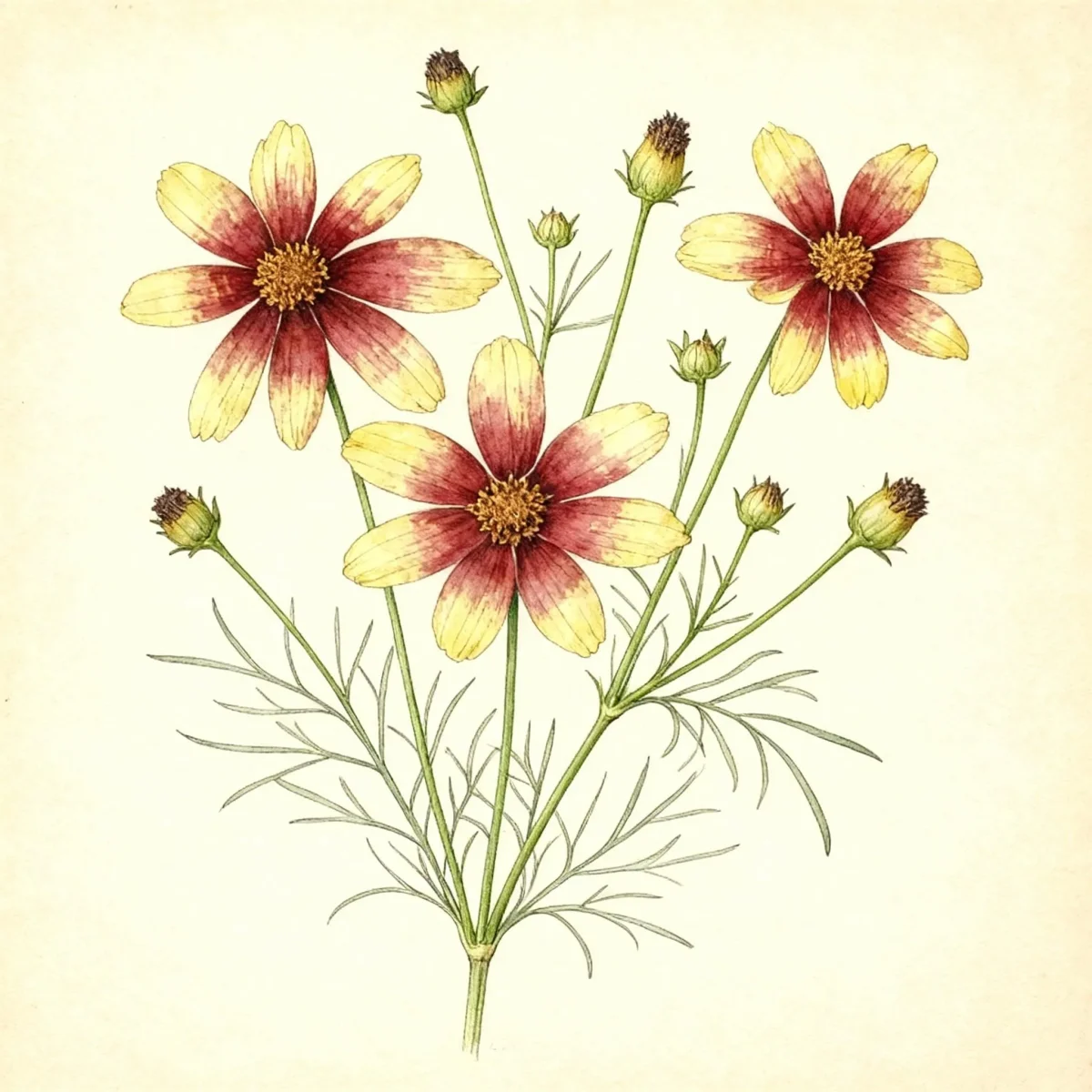
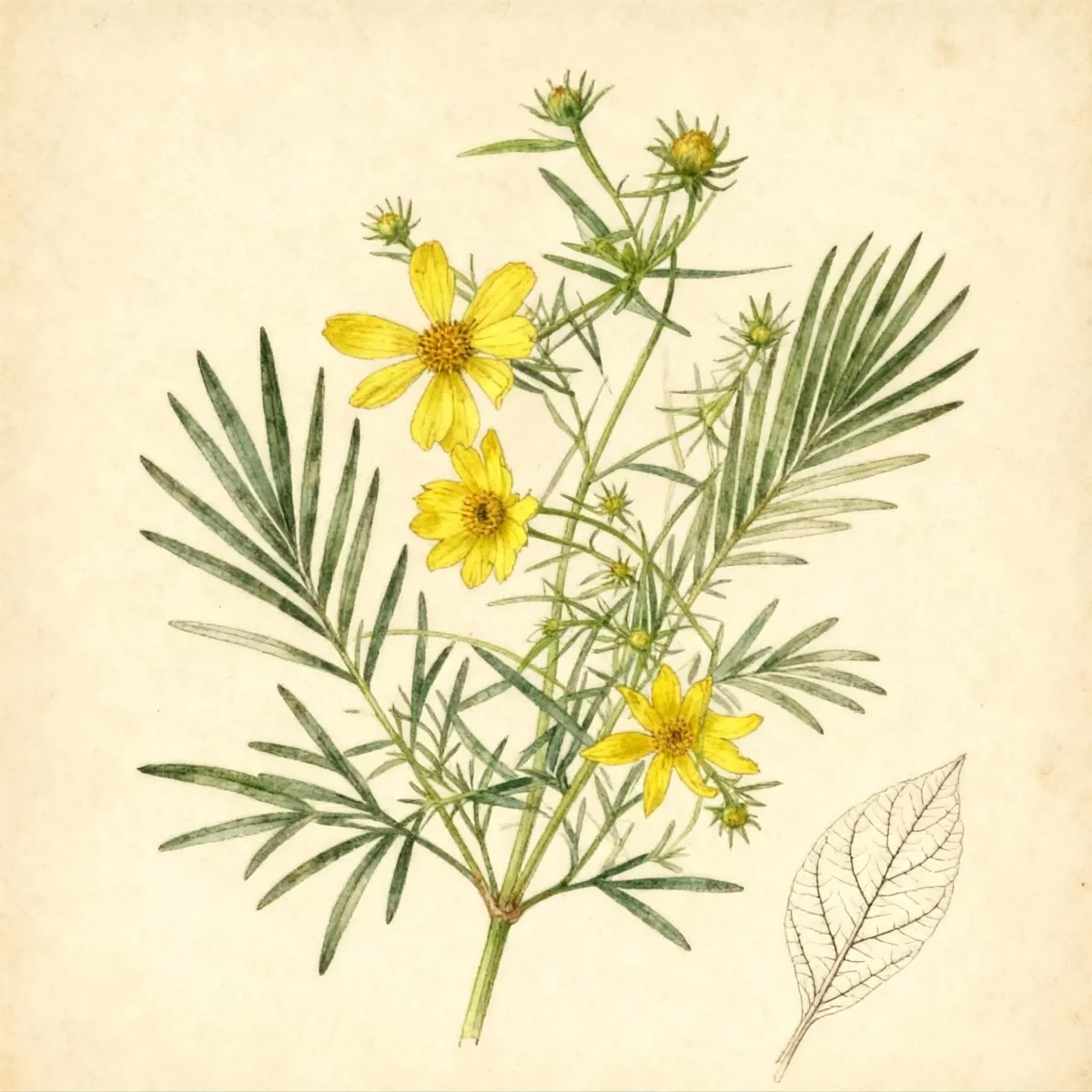
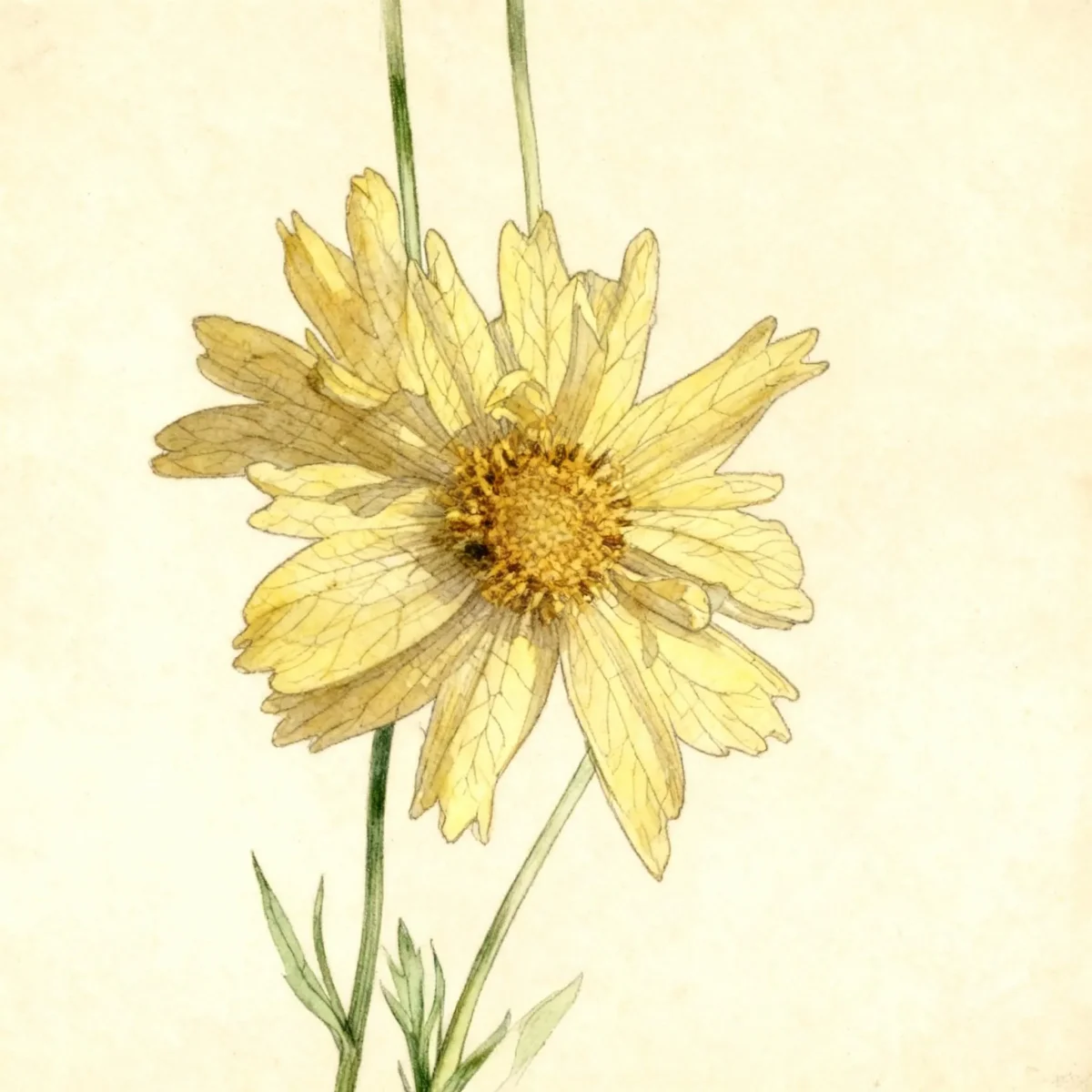
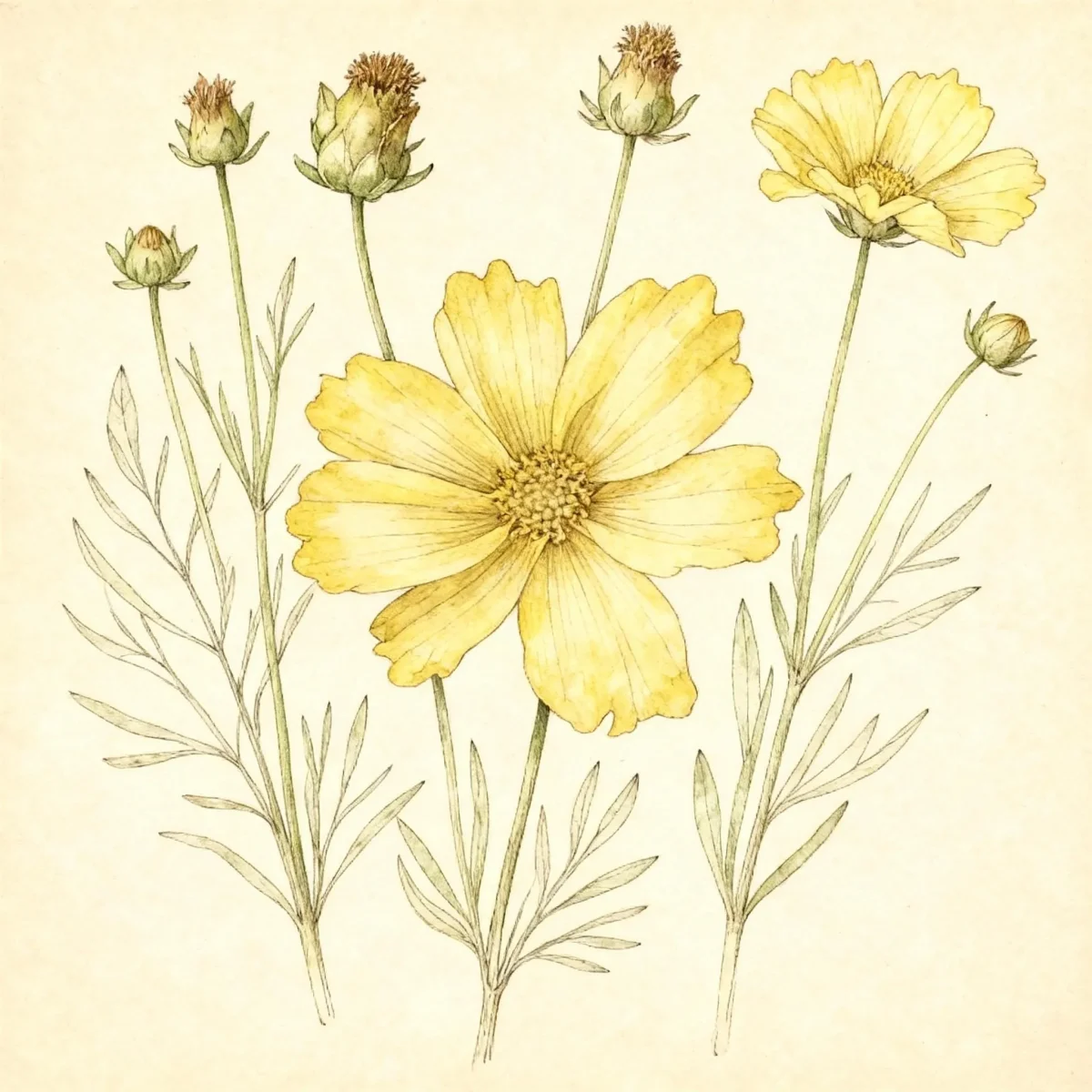
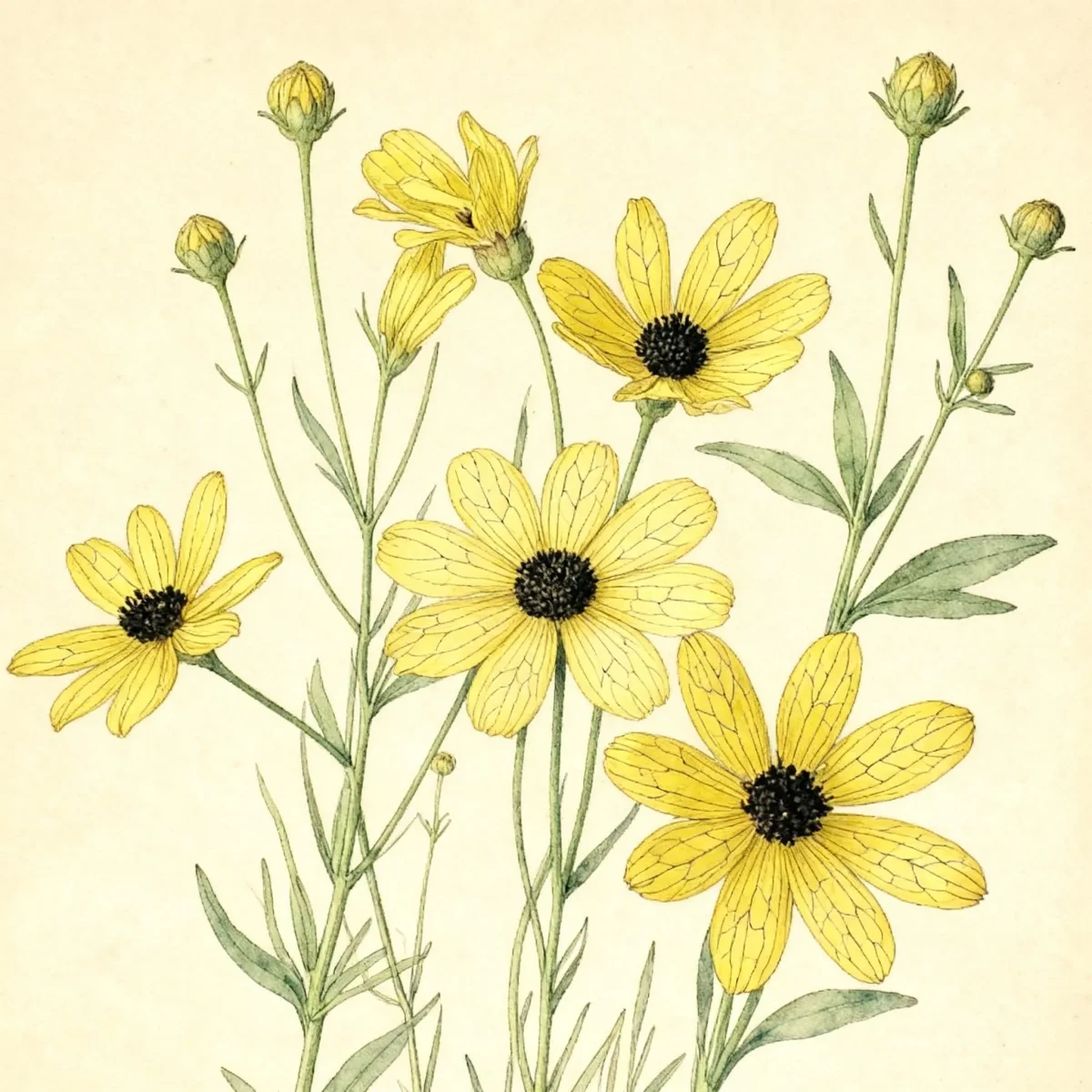
Tickseed (Coreopsis tripteris)
Coreopsis tripteris (Tall Tickseed) is a striking, low-maintenance perennial thriving in full sun and poor, dry soils.
Scroll down to discover growing tips, care requirements, companion plants, and more
Complete Plant Information
Overview
Coreopsis tripteris, commonly known as Tall Tickseed, is a valuable addition to native gardens, offering significant height and reliable summer color without demanding rich soil or excessive attention. Its slender, architectural habit allows it to blend seamlessly into naturalized settings while acting as a strong vertical element in the landscape. This native perennial is appreciated for its incredible resilience and the late-season display provided by its signature yellow-rayed flowers.
As a member of the Asteraceae family, Coreopsis tripteris establishes quickly and requires minimal care once situated, making it an outstanding choice for challenging sites. It thrives in the dry conditions where less adaptable plants struggle, creating beautiful colonies through natural self-seeding under optimal conditions. Gardeners should recognize its tendency to adapt height based on moisture—drier soils result in shorter, sturdier plants.
The common name, Tickseed, derives from the seed shape, which resembles a tiny tick, and the plant is highly valued for its low maintenance requirements and ability to withstand heat and humidity. For a dramatic, informal display reaching up to 8 feet, plant Coreopsis tripteris in full sun and let it inhabit meadow or prairie borders.
Fast Facts
- Plant Family: Asteraceae
- Plant Type: Herbaceous perennial
- Native Range: Central and southeastern United States
- Hardiness Zones: USDA Zones 3-8
- Size at Maturity:
- Height: 2-8 ft
- Spread: 2-8 ft
- Bloom Time: July to September
- Bloom Description: Brown disks with yellow rays
- Sun Exposure: Full sun
- Water Needs: Dry to medium
- Maintenance Level: Low
How to Grow
Plant Coreopsis tripteris in the spring or fall, ensuring it receives full sun exposure; this is crucial for strong stems and abundant flowering. This species is extremely adaptable regarding soil, thriving even in poor, sandy, or rocky ground, provided the drainage is good. While it prefers dry to medium moisture, avoid perpetually wet conditions which can lead to crown rot.
Water established plants infrequently, allowing the soil to dry out between waterings, especially if you desire a shorter, more robust plant shape. Fertilization is generally unnecessary; rich soil can encourage excessive, potentially leggy growth. To manage its natural tendency to self-seed and encourage rebloom, employ prompt deadheading of spent flowers throughout the season.
If you intend to maintain a tidy appearance in a formal border, plan to divide colonies of this vigorous Tickseed every two to three years. Taller specimens, particularly those grown in medium moisture environments, may benefit from light staking before high winds strike, as the stems can become top-heavy when fully grown.
Landscape Uses
The suggested cultivation of Coreopsis tripteris leans heavily toward informal and naturalized settings. It functions perfectly as a tall background plant for perennial borders, lending vertical structure behind shorter bloomers. Consider planting masses of this beautiful form in native wildflower gardens, meadows, or prairie restorations where its height can be appreciated fully.
Because it tolerates poor, dry soils exceptionally well, Tall Tickseed is excellent for stabilizing difficult slopes or acting as a screen in areas where grass struggles to establish. While it naturalizes readily, be mindful of its self-seeding habit when placing it near delicate cottage garden plantings, which may be quickly overwhelmed by volunteer seedlings.
Standout Features
Flower Qualities
- Showy
- Good Cut
Noteworthy Characteristics
Coreopsis tripteris, commonly called tall coreopsis or tall tickseed, is a tall, slender Missouri native wildflower which typically grows 4-8’ tall and typically occurs in prairies, dry open woods and wood margins, and along roadsides and railroad tracks throughout the state. Features solitary, yellow, daisy-like flowers (1-2” diameter) with eight yellow rays (rounded and untoothed at the tips) and flat brown center disks. The genus name comes from the Greek words koris meaning “bug” and opsis meaning “like” in reference to the shape of the seed which resembles a bug or tick.
Tolerances
- Deer
- Drought
- Clay Soil
- Dry Soil
- Shallow-Rocky Soil
Potential Problems
This plant generally exhibits very low susceptibility to serious insect or disease issues, which contributes significantly to its low maintenance rating. The primary cultural challenge lies in managing its reproductive drive; Coreopsis tripteris is noted as an aggressive self-seeder, especially when late-season blooms are left to mature. Be diligent about deadheading spent flowers promptly to limit unwanted spread in manicured areas. Furthermore, if the soil retains too much moisture or is overly fertile, the plant may sprawl or lack structural integrity, and taller stems might require support during heavy rain or wind.
Frequently Asked Questions
What hardiness zones is Tickseed suitable for?
Coreopsis tripteris is generally hardy and suitable for gardeners in USDA Zones 3 through 8.
How large does Coreopsis tripteris grow?
When grown in ideal conditions, this perennial can reach heights between 2 and 8 feet, with a comparable spread of 2 to 8 feet.
What sun exposure does Tall Tickseed need?
For optimal growth and flowering, Coreopsis tripteris requires full sun throughout the day.
When does Coreopsis tripteris bloom?
This particular species provides color from July straight through September, showcasing attractive brown disks surrounded by bright yellow rays.
Conclusion
Coreopsis tripteris offers exceptional value to the native garden due to its height, drought tolerance, and minimal input requirements, making it an excellent choice for large-scale naturalizing projects. Embrace the resilience of this native Tickseed by selecting a full sun location, especially in drier soils, to ensure a spectacular mid-to-late summer floral display. Check your regional hardiness zone before planting to guarantee success for this tall and beautiful wildflower.
Wildlife Benefits
As a native Missouri species, Coreopsis tripteris provides essential late-season foraging opportunities for various local pollinators. The daisy-like flowers, featuring accessible brown central disks, attract bees and butterflies when many earlier spring bloomers have faded. Furthermore, the resulting seeds are reported to be attractive to various seed-eating birds, providing them with a late autumn food source before winter sets in.
Companion Planting
Due to its requirement for full sun and dry, well-drained conditions, successful companion planting relies on selecting other drought-tolerant prairie natives. Pair Coreopsis tripteris with other species known for thriving in poor soil, such as native grasses like Schizachyrium scoparium (Little Bluestem) or complementary prairie flowers like Echinacea purpurea (Purple Coneflower) and Rudbeckia hirta (Black-eyed Susan). Avoiding moisture-loving perennials will ensure that the Tickseed remains healthy and doesn’t succumb to root rot from overwatering.