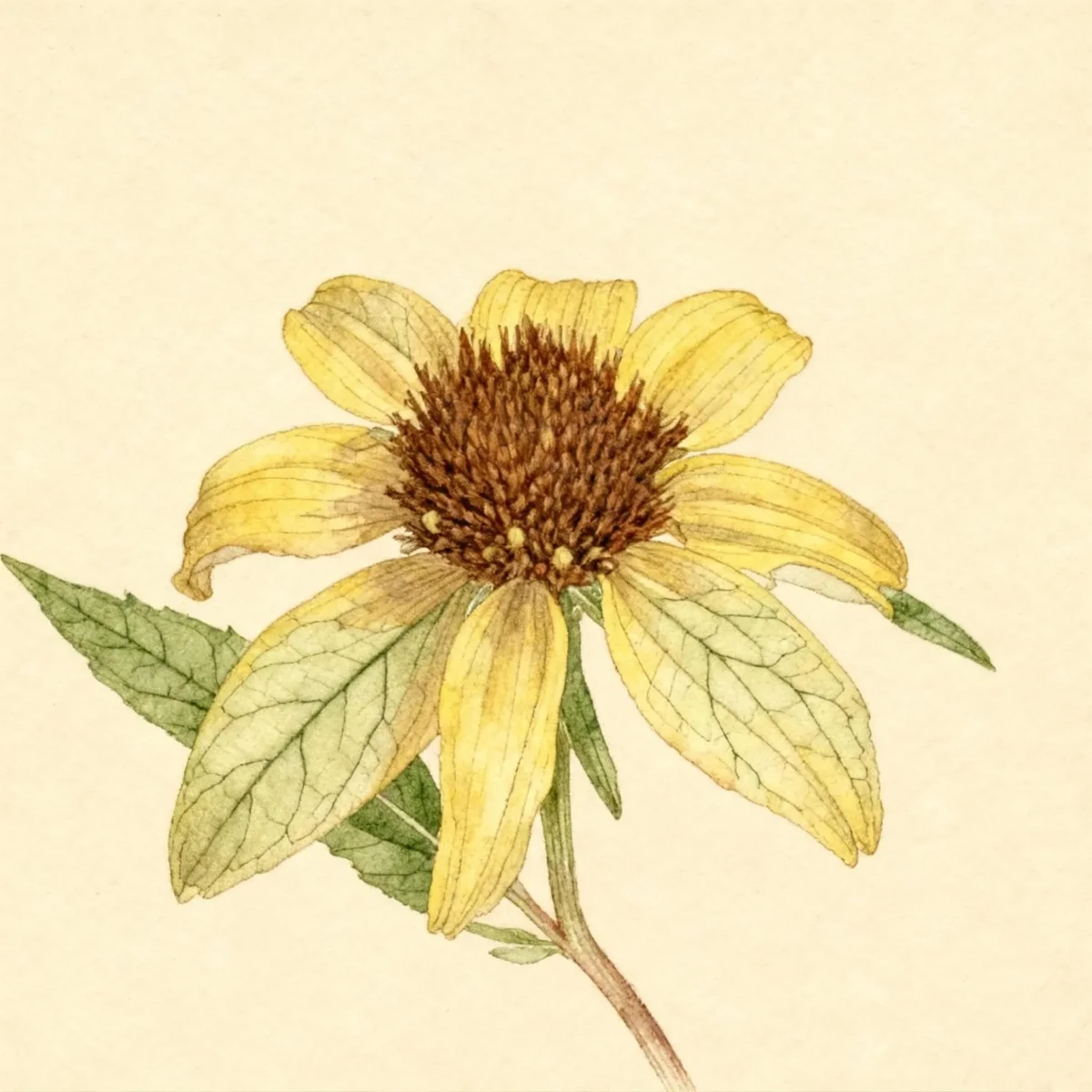
Three-leaved coneflower (Rudbeckia triloba)
Discover Rudbeckia triloba, the Three-leaved coneflower, a low-maintenance perennial offering profuse summer-to-fall yellow blooms.
Scroll down to discover growing tips, care requirements, companion plants, and more
Complete Plant Information
Overview
The Three-leaved coneflower (Rudbeckia triloba) is a highly valuable native addition for gardeners seeking reliable late-season color. This short-lived perennial or biennial is recognized by its profusion of smaller, daisy-like flowers that effectively brighten the garden from mid-summer well into autumn. Its coarse, densely-branched habit creates an excellent vertical accent in mixed borders.
Rudbeckia triloba thrives in average conditions, preferring moist, well-drained soils, though it demonstrates good adaptability. It provides significant ecological benefits, attracting numerous insect pollinators during its long bloom period, while the resulting seed heads are relished by garden birds. For gardeners prioritizing native plants, the Three-leaved coneflower is an easy-to-establish choice that often naturalizes readily.
This plant is botanically distinguished from the common Black-eyed Susan (R. hirta) by producing generally smaller flowers with fewer rays, leading to a notably denser overall flowering display across the season. Expect fantastic texture and sustained color when incorporating Rudbeckia triloba into your landscape design.
Fast Facts
- Plant Family: Asteraceae
- Plant Type: Herbaceous perennial
- Native Range: Central-eastern United States
- Hardiness Zones: USDA Zones 4-8
- Size at Maturity:
- Height: 2-3 ft
- Spread: 1-1.5 ft
- Bloom Time: July to October
- Bloom Description: Yellow rays with brown-purple center disk
- Sun Exposure: Full sun
- Water Needs: Medium
- Maintenance Level: Low
How to Grow
The Rudbeckia triloba establishes easily. Plant seedlings or established plants in the spring after the last frost date. This plant performs best when situated in full sun, though it tolerates light afternoon shade. While it prefers moist, organically rich soils, it is adaptable and tolerates heat, some drought, and a wide range of soil types.
Watering should be consistent, aiming for medium moisture levels, especially during dry periods. Fertilization is rarely necessary, as rich soil can lead to weak stems. If the plant receives too much shade, it might become leggy, requiring support stakes to keep the copious blooms upright.
Maintenance is generally low. Deadheading spent blooms is recommended if you wish to control prolific self-seeding, though allowing seeds to mature provides winter interest and bird food. If the plant does not survive the winter, it likely relies on its robust self-seeding habit to maintain its presence year after year, which is ideal for naturalizing gardens.
Landscape Uses
The suggested uses for the Three-leaved coneflower center heavily on its native status and persistence. It is an excellent backbone plant for naturalized areas, wildflower meadows, and prairie restoration projects where minimal upkeep is desired. Its upright structure makes it a perfect inclusion in informal cottage gardens or mixed native plant borders that need height in the mid-to-back area.
For dramatic effect, plant Rudbeckia triloba in large drifts. It mixes beautifully with later-blooming asters and goldenrods, extending the native bloom season well into fall. While its roots are fibrous, avoid planting it where intense competition from aggressive grasses will stifle its growth early in the season.
Standout Features
Flower Qualities
- Showy
Noteworthy Characteristics
The Rudbeckia triloba, commonly known as brown-eyed Susan, presents as a coarse, hairy, densely-branched biennial or short-lived perennial native across the eastern United States. Its daisy-like flowers, measuring up to 1 1/2 inches across, feature yellow rays surrounding a rich brown-purple center disk, blooming profusely from summer into fall. Distinguished from R. hirta, this species often offers a denser display of slightly smaller flowers, and its specific epithet relates to its frequently three-lobed leaves.
Tolerances
- Deer
- Drought
Potential Problems
Serious pest or disease issues are uncommon for Rudbeckia triloba. Gardeners should remain vigilant for powdery mildew, particularly if air circulation is poor or humidity is high; treating foliage early can help manage this cosmetic issue. Slugs and snails present the biggest threat to very young seedlings, requiring physical barriers or bait until the plant establishes robust size. Deer generally avoid browsing this plant.
Frequently Asked Questions
What hardiness zones is Three-leaved coneflower suitable for?
The Three-leaved coneflower is suitable for USDA Zones 4 through 8, offering reliable performance across a wide climatic range.
How large does Rudbeckia triloba grow?
This species typically reaches mature heights between 2 and 3 feet tall, with a relatively narrow spread of 1 to 1.5 feet.
When does Rudbeckia triloba bloom?
It provides essential late-season color, blooming profusely from July all the way through October, displaying yellow rays with brown-purple center disks.
What sun exposure does Three-leaved coneflower need?
For the best bloom density and strongest stems, Rudbeckia triloba requires full sun exposure throughout the day.
Conclusion
The Rudbeckia triloba, or Three-leaved coneflower, is an outstanding native perennial prized for its low maintenance requirements and extended summer-to-fall bloom period. Its ability to self-seed ensures a continuing presence, enriching meadows and borders with vibrant yellow color. Before planting, confirm that your garden falls within USDA Zones 4-8 and plan for plenty of sunlight to maximize the performance of this dynamic wildflower.
Wildlife Benefits
The flowering period of Rudbeckia triloba is a significant draw for local insect populations, making it critical for supporting backyard biodiversity. The composite flower heads attract a wide variety of bees, butterflies, and beneficial wasps throughout the mid-to-late growing season when some other nectar sources begin to wane.
Furthermore, the seed heads produced after the flowers fade are highly nutritious and serve as an important late-season and winter food source for numerous seed-eating birds, including finches and sparrows. Allowing seed heads to remain standing through winter provides critical food and shelter before cleanup in early spring.
Companion Planting
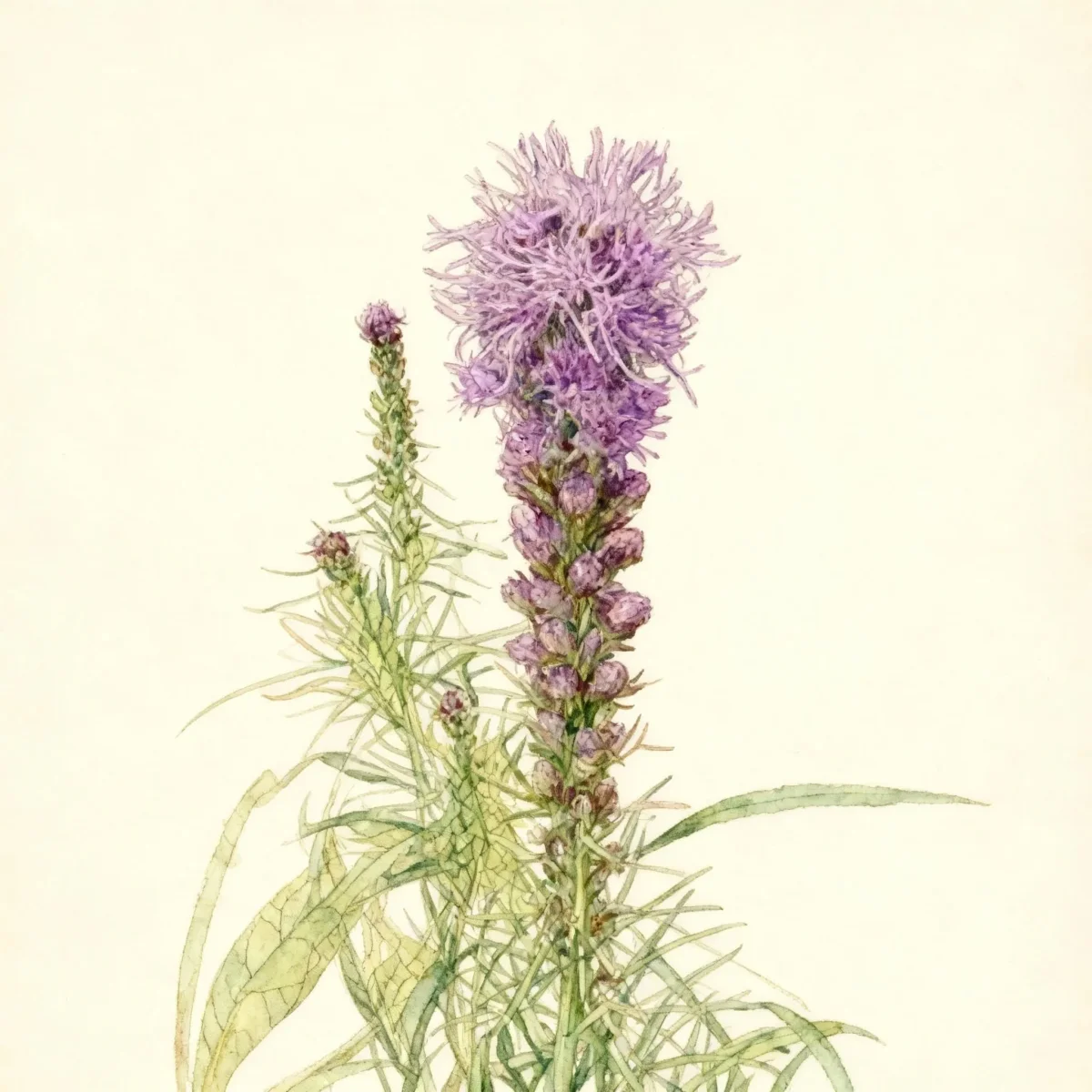
Given the robust, upright nature and medium water needs of Rudbeckia triloba, it pairs well with other medium-to-tall meadow flowers that appreciate similar conditions. Excellent companions include Liatris species, Joe-Pye Weed (Eutrochium spp.), and various prairie grasses that offer textural contrast.
When integrating Three-leaved coneflower into a cottage garden setting, combine it with plants that complement its casual, slightly wild appearance. Silver Mound Artemisia or shorter, mounding perennials work well at the front of the border to contrast the coarse texture of the coneflower’s leaves. Ensure all companions also thrive in full sun and do not require soil that is excessively dry.