Sweet coneflower (Rudbeckia subtomentosa)
Hardy Rudbeckia subtomentosa, or Sweet coneflower, offers showy, fragrant yellow blooms from July to October. Low maintenance and drought tolerant.
Scroll down to discover growing tips, care requirements, companion plants, and more
Complete Plant Information
Overview
The Sweet coneflower (Rudbeckia subtomentosa) is a highly valuable native perennial for adding reliable summer color to the landscape. As an herbaceous perennial, it returns consistently, offering daisy-like blooms that attract beneficial insects and provide excellent visual interest. Gardeners appreciate this species for its tolerance of difficult conditions and its long blooming window.
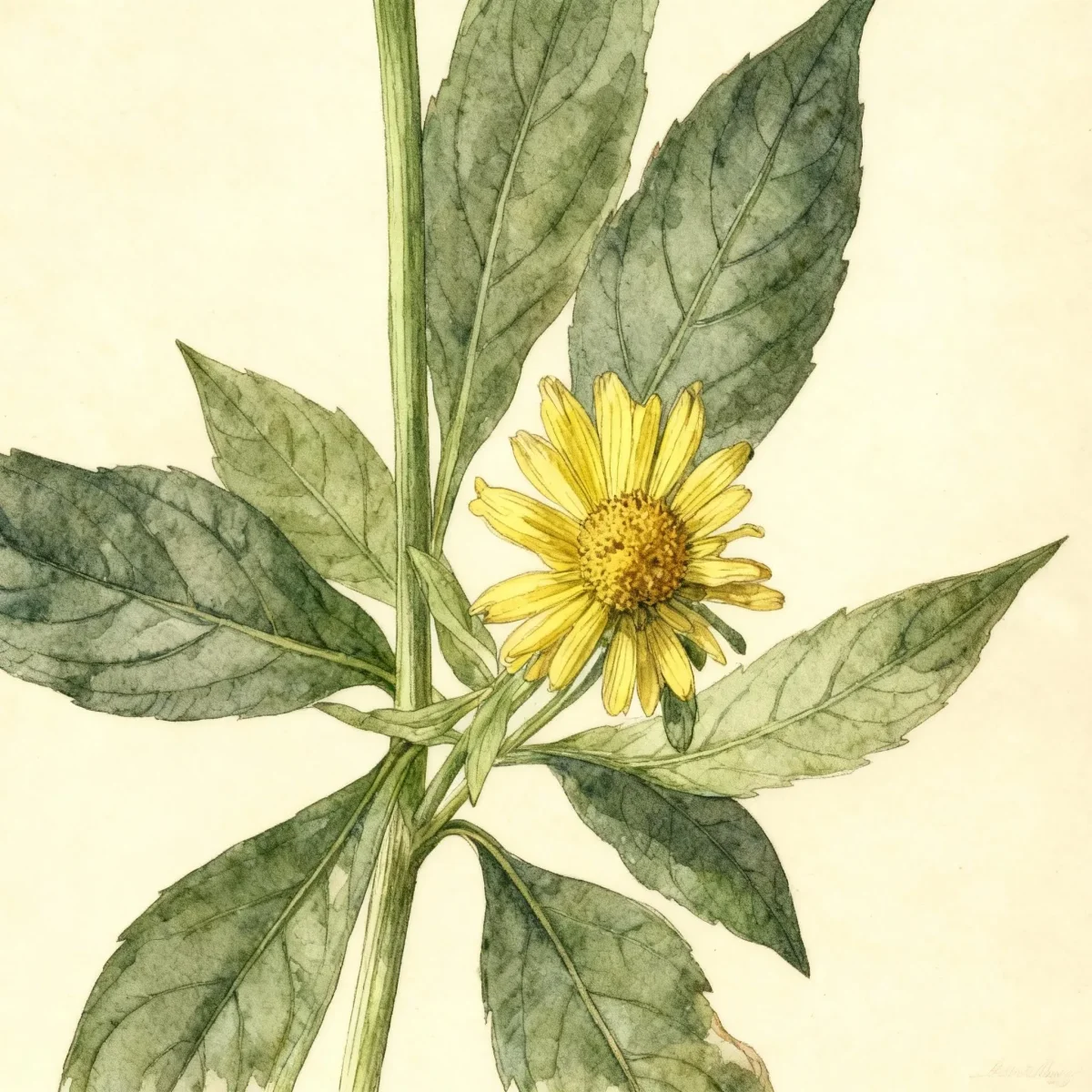
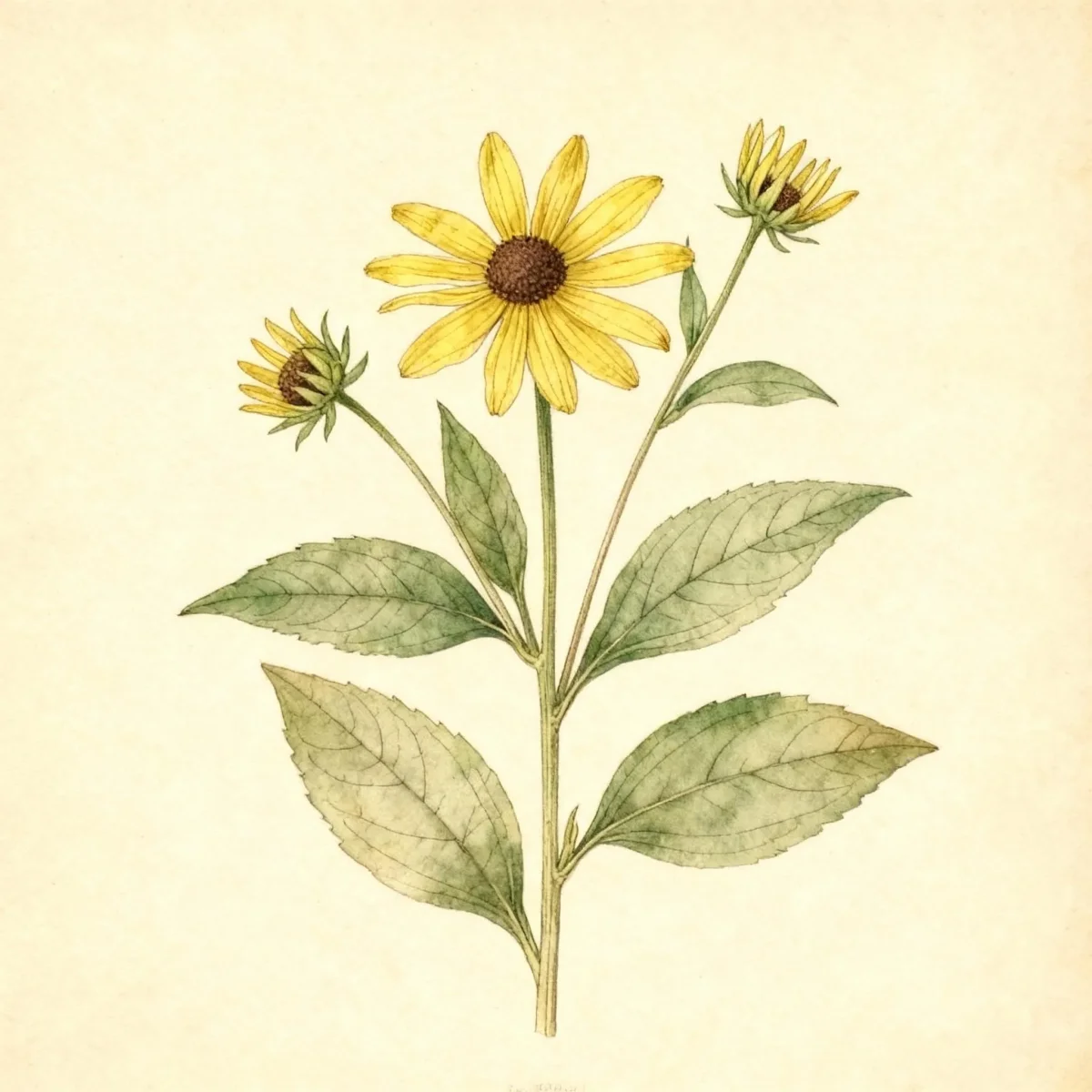
This Missouri native typically reaches heights between three and five feet, creating excellent vertical structure in garden beds. The flowers of Rudbeckia subtomentosa are instantly recognizable, featuring bright yellow rays surrounding dark brownish-purple centers, often accompanied by a pleasing, mild anise aroma. This combination of color and scent makes the Sweet coneflower a standout addition to any planting scheme.
Cultivating Rudbeckia subtomentosa is straightforward, benefiting from its low maintenance requirements and resilience once established. It thrives in sunny locations but handles partial shade well, making it versatile for many garden spots. Its ability to perform in average to medium moisture conditions without demanding excessive care secures its place as a reliable workhorse in borders and naturalized areas.
Fast Facts
- Plant Family: Asteraceae
- Plant Type: Herbaceous perennial
- Native Range: Central United States
- Hardiness Zones: USDA Zones 4-8
- Size at Maturity:
- Height: 3-5 ft
- Spread: 1-2 ft
- Bloom Time: July to October
- Bloom Description: Yellow rays and brownish purple center disks
- Sun Exposure: Full sun to part shade
- Water Needs: Medium
- Maintenance Level: Low
How to Grow
The best time to establish Rudbeckia subtomentosa is during the spring or fall to allow roots to settle before temperature extremes. Plant these perennials where they receive ample sun exposure, ranging from full sun down to partial shade, ensuring at least six hours of direct light for the best flowering. It performs best in medium moisture soils that are well-drained loams; avoid overly wet or perpetually soggy ground.
Care requirements for the Sweet coneflower are minimal, contributing to its low maintenance rating. Once established, the plant tolerates periods of drought, requiring only consistent watering during prolonged dry spells. Fertilization is rarely necessary if planted in reasonably fertile soil. Taller specimens may occasionally require staking, especially if situated in a semi-shady location where stems can become leggy.
To maximize the bloom period extending from July through early fall, deadheading spent flowers is highly recommended. Removing the faded blooms encourages the plant to produce more flower heads rather than dedicating energy to seed production. In late fall or early spring, cut back the dead stems close to the ground as part of routine garden cleanup.
Landscape Uses
The vertical form and extended bloom time of Rudbeckia subtomentosa make it an ideal component for perennial borders, providing necessary mid-to-late summer height. It blends beautifully with late-flowering natives and cultivated plants in cottage gardens, creating a classic, informal look. Because it is native to moist prairies and streambanks, it is perfectly suited for use in rain gardens or naturalized meadow plantings where its structural form can be appreciated against softer textural elements.
Consider pairing Sweet coneflower with plants that share similar sun and water needs, such as native grasses, ironweed (Vernonia), or blue mistflower (Conoclinium coelestium). Its sturdy stems and vibrant yellow color also contrast nicely with deep purple-flowering companions. Furthermore, the flowers are excellent for cutting; harvest stems when the blooms are just opening for long-lasting arrangements indoors.
This plant is an excellent choice for creating authentic native plant gardens, supporting local ecology while delivering high visual impact across the season. Its adaptability means it can anchor back-of-border plantings or serve as an eye-catching specimen when grouped in the middle ground.
Standout Features
Flower Qualities
- Showy
- Fragrant
- Good Cut
Noteworthy Characteristics
Rudbeckia subtomentosa, commonly called sweet coneflower, is a Missouri native, nonrhizomatous perennial which occurs on moist prairies, along streambanks and in low areas throughout the state. Typically grows 3-5’ tall and features daisy-like flowers (to 3” across) with yellow rays and dark brownish-purple center disks on branched stems. Flowers have a mild aroma of anise, hence the common name.
Tolerances
- Deer
- Drought
- Clay Soil
Potential Problems
This species generally enjoys good health, exhibiting no serious routine insect or disease problems in ideal situations. However, like many members of the Asteraceae family, Rudbeckia subtomentosa can sometimes be susceptible to powdery mildew, especially when air circulation is poor or humidity is high. To mitigate this, ensure plants are spaced adequately during planting to allow for good airflow around the foliage.
Taller varieties may occasionally flop over, particularly after heavy rain or if planted in overly rich soil, necessitating some form of support, especially when grown in part shade conditions. Apply mulch but avoid piling it directly against the crown to maintain good drainage and discourage rot or pest issues near the base.
Frequently Asked Questions
What hardiness zones is Sweet coneflower suitable for?
The Sweet coneflower, Rudbeckia subtomentosa, is reliably hardy in USDA Zones 4 through 8.
How large does Rudbeckia subtomentosa grow?
This perennial typically achieves a mature height ranging from 3 to 5 feet, with a relatively slender spread of 1 to 2 feet.
What sun exposure does Sweet coneflower need?
It prefers full sun but is tolerant enough to perform well even in areas receiving part shade, though flowering may be slightly reduced in lower light conditions.
When does Rudbeckia subtomentosa bloom?
You can expect continuous bloom from July, extending well into October, featuring decorative yellow rays and brownish purple center disks.
Conclusion
The Sweet coneflower provides exceptional value through its long season of bloom, attractive anise scent, and robust environmental tolerances, including drought and clay soil. Incorporating Rudbeckia subtomentosa into your garden ensures reliable late-summer color and supports local pollinators with ease. Start planning now to incorporate this fantastic native into your borders or naturalized areas this upcoming planting season.
Companion Planting
When designing a garden around Rudbeckia subtomentosa, selecting companions that thrive in similar medium moisture, full-sun to part-shade conditions ensures collective success. Great partners include native ornamental grasses like Switchgrass (Panicum virgatum) which offer contrasting texture and movement throughout the season. Additionally, deep purple-flowering plants such as Culver’s Root (Veronicastrum virginicum) or various Salvias provide excellent complementary color against the yellow rays of the coneflower.
For a prairie or meadow aesthetic, pair the Sweet coneflower with other tall, upright bloomers native to the Central United States. Coreopsis, various milkweeds (Asclepias species), and perennial sunflowers (Helianthus) create a tapestry of warm colors that bloom sequentially or concurrently, extending the visual appeal across several months. These groupings also maximize habitat benefits for a wide range of native bees and butterflies.
Wildlife Benefits
The daisy-like structure of the Rudbeckia subtomentosa flower head is highly beneficial for pollinators, providing easy landing pads for bees and butterflies seeking nectar. While the flowers are listed as fragrant to humans, the anise scent is especially attractive to various pollen feeders. Leaving the seed heads intact through winter offers a valuable late-season food source for small seed-eating birds, such as goldfinches.
The dense, upright structure of this perennial also offers structure and potential cover for small beneficial insects and solitary cavity-nesting bees during the non-flowering months. This makes the Sweet coneflower more than just an ornamental—it functions as an important ecological anchor in the native garden ecosystem.