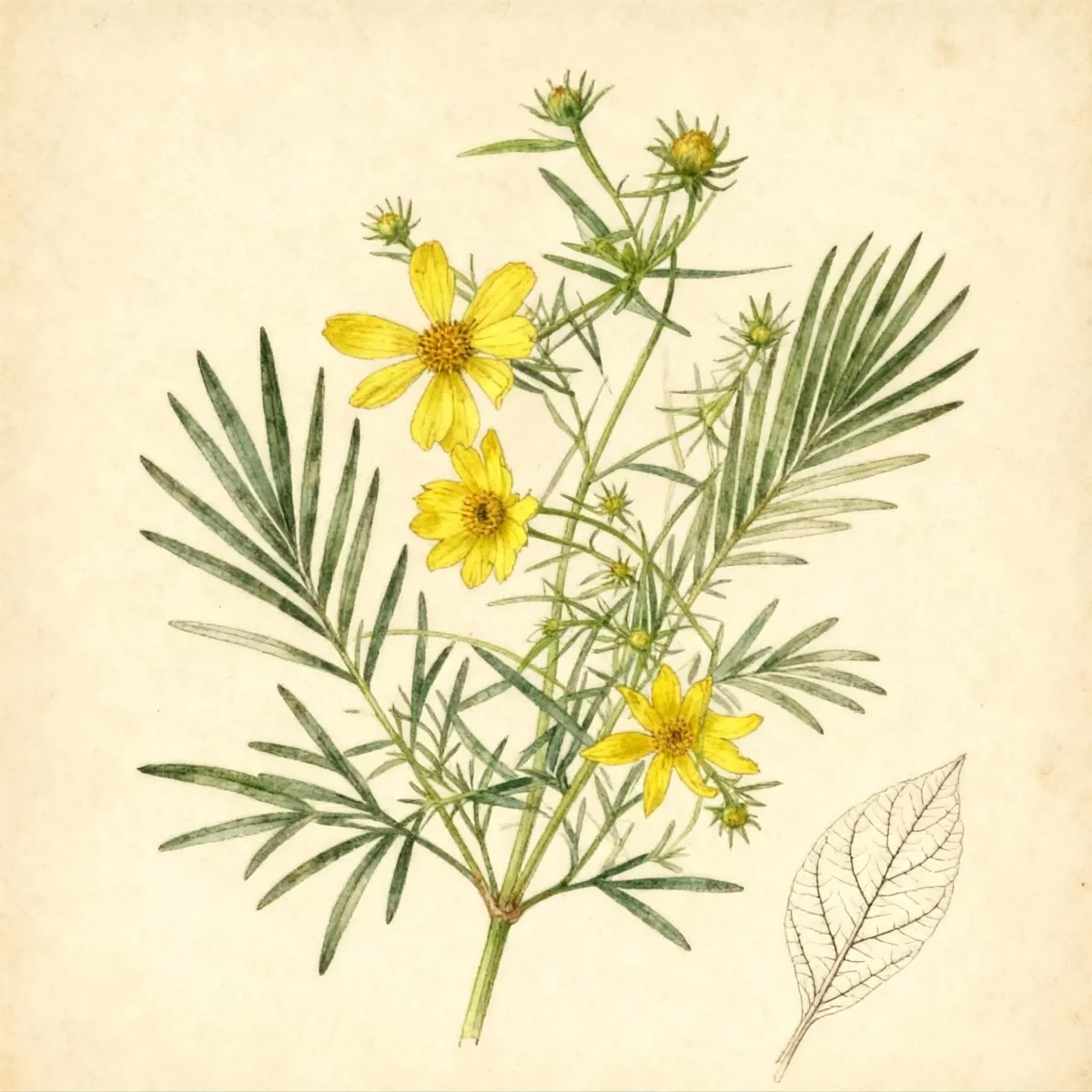
Tickseed (Coreopsis palmata)
Coreopsis palmata, a low-maintenance Tickseed, offers showy yellow flowers from May to July. Thrives in full sun and dry, poor soils.
Scroll down to discover growing tips, care requirements, companion plants, and more
Complete Plant Information
Overview
Coreopsis palmata, commonly known as Tickseed, is a highly valuable native perennial for gardeners seeking durable, low-effort beauty. This rhizomatous plant establishes quickly, forming colonies perfect for filling large areas with bright color across the late spring and early summer landscape. Its defining features are the stiff, upright habit and the soft yellow, daisy-like blooms.
As a cornerstone of native planting schemes, the prairie Tickseed is exceptionally tough. It thrives where many other perennials falter, adapting readily to dry soils, heat, and humidity once established. This resilience makes Coreopsis palmata an ideal choice for naturalized settings or difficult, dry slopes.
Aesthetically, the pale yellow flowers of Coreopsis palmata provide excellent contrast in a perennial border or meadow setting. When prompt deadheading is practiced, the plant responds with prolonged flowering, making it a reliable source of color that also functions well as a cut flower.
Fast Facts
- Plant Family: Asteraceae
- Plant Type: Herbaceous perennial
- Hardiness Zones: USDA Zones 3-8
- Size at Maturity:
- Height: 1.5-2.5 ft
- Spread: 1-1.5 ft
- Bloom Time: May to July
- Bloom Description: Yellow
- Sun Exposure: Full sun
- Water Needs: Dry to medium
- Maintenance Level: Low
How to Grow
Plant Coreopsis palmata in spring or fall, ensuring it settles into a location receiving full sun exposure throughout the day. The species excels in poor, sandy, or rocky soils, provided the drainage is excellent. Avoid rich, overly fertile garden soil, as this encourages weak, sprawling growth rather than the desired stiff, upright habit.
Watering requirements are modest; once established, this Tickseed tolerates significant drought, fitting its dry to medium water needs. Minimal supplemental water is necessary, especially during active blooming. Fertilization is generally not required; rich amendments will harm its natural form.
Maintain a tidy appearance with prompt deadheading of spent flowers late in the season to prolong bloom and control self-seeding. In mid-summer, if the foliage becomes unwieldy or sprawls, a hard summer shearing can rejuvenate the plant’s structure. Robust colonies in borders may benefit from division every 2-3 years to maintain vigor.
Landscape Uses
The primary strength of Coreopsis palmata lies in its ability to naturalize, transforming open areas into vibrant native landscapes. It is perfectly suited for meadows, prairies, and large sections of rock gardens where low maintenance is paramount. Due to its rhizomatous spread, it is an excellent plant for stabilizing dry, open ground.
When integrating this resilient Tickseed into designed spaces, consider its need for excellent drainage. It pairs beautifully with other sun-loving natives that also tolerate dry conditions, such as certain Sedums or Echinacea. While effective in borders, gardeners must be prepared to divide it every few seasons to prevent it from taking over adjacent plantings.
This species shines in native wildflower gardens, providing crucial early season yellow color. Its tolerance for poor, dry soils means that designing mixed borders around these challenging conditions becomes much simpler with Coreopsis palmata in the foundation layer.
Flower Qualities
- Showy
- Good Cut
Noteworthy Characteristics
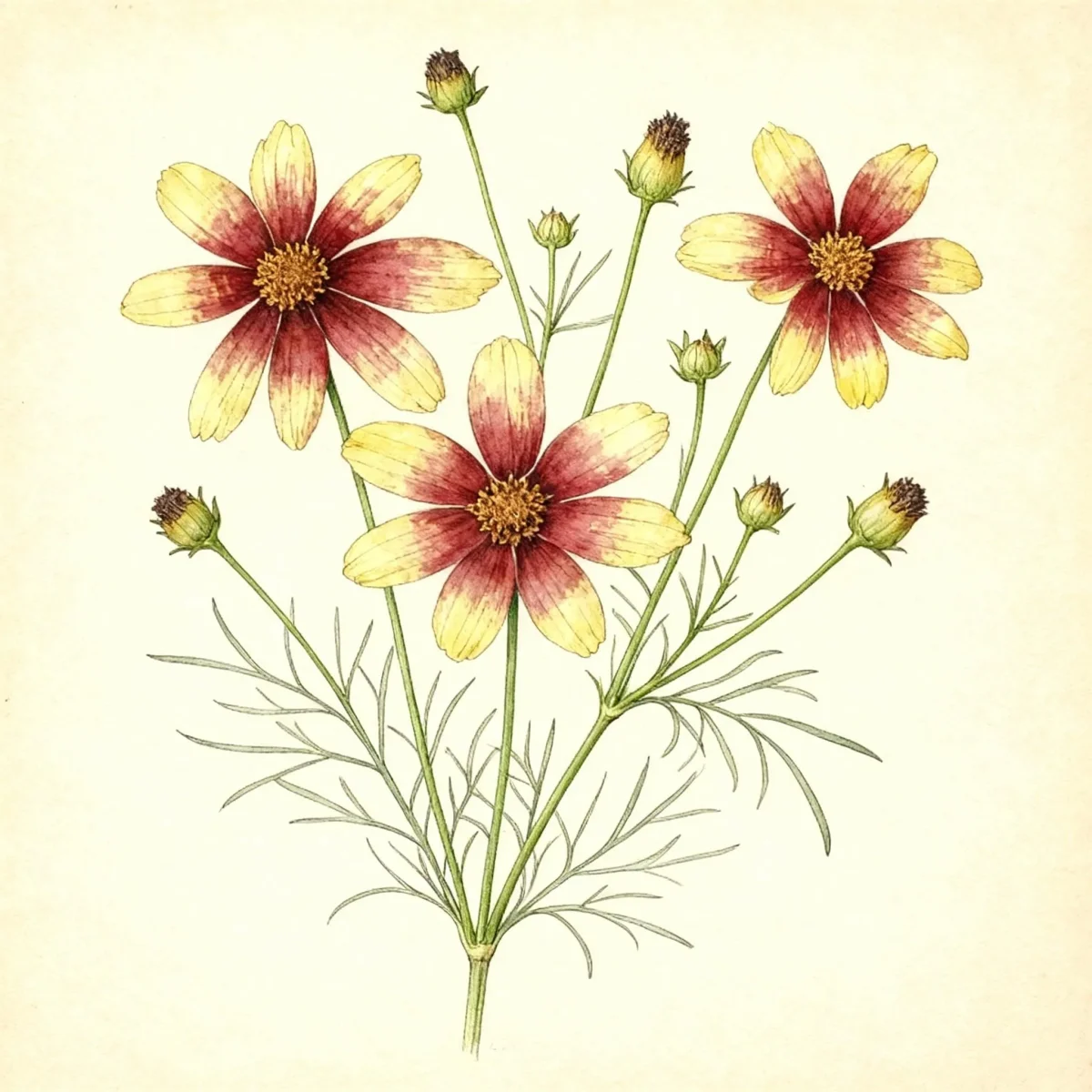
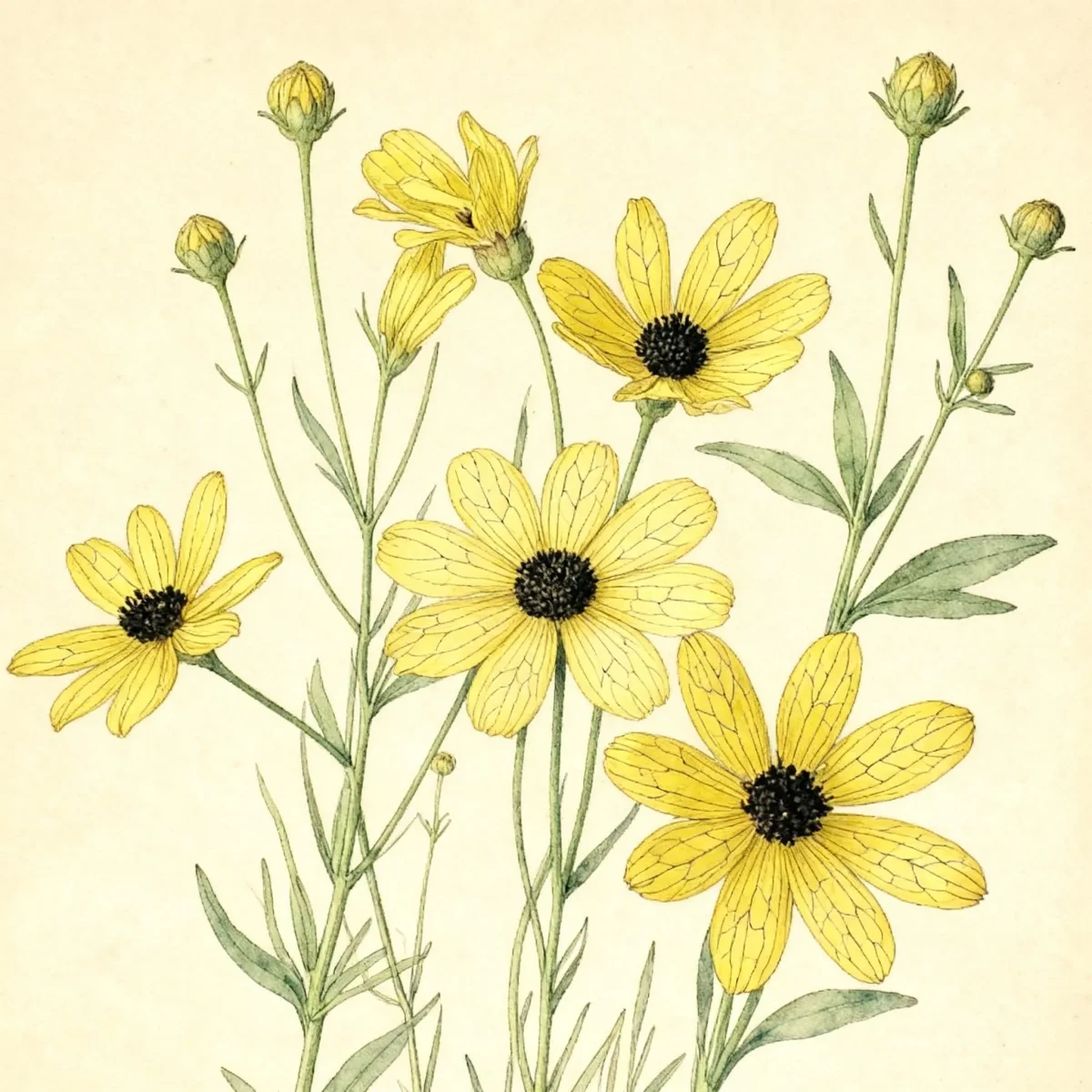
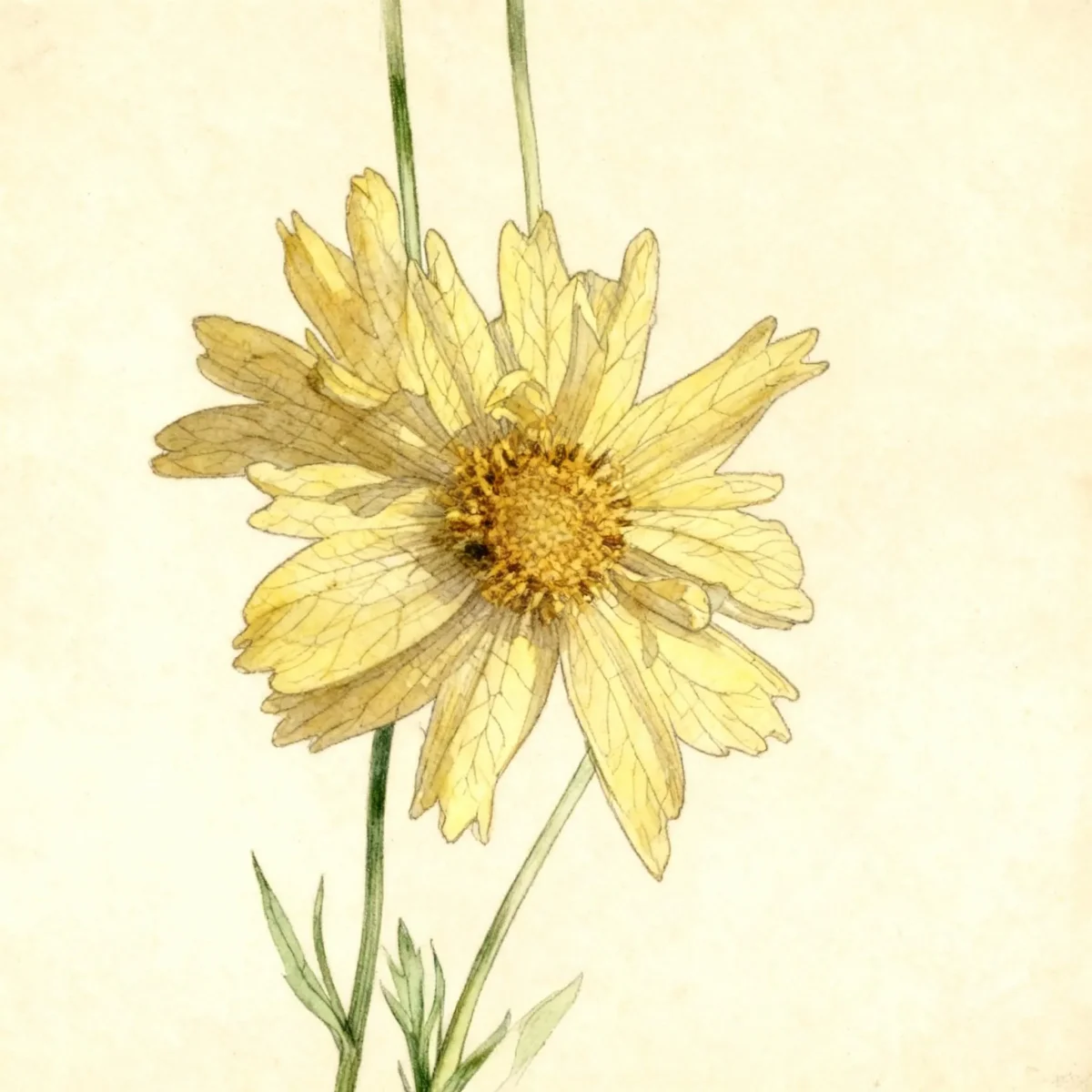
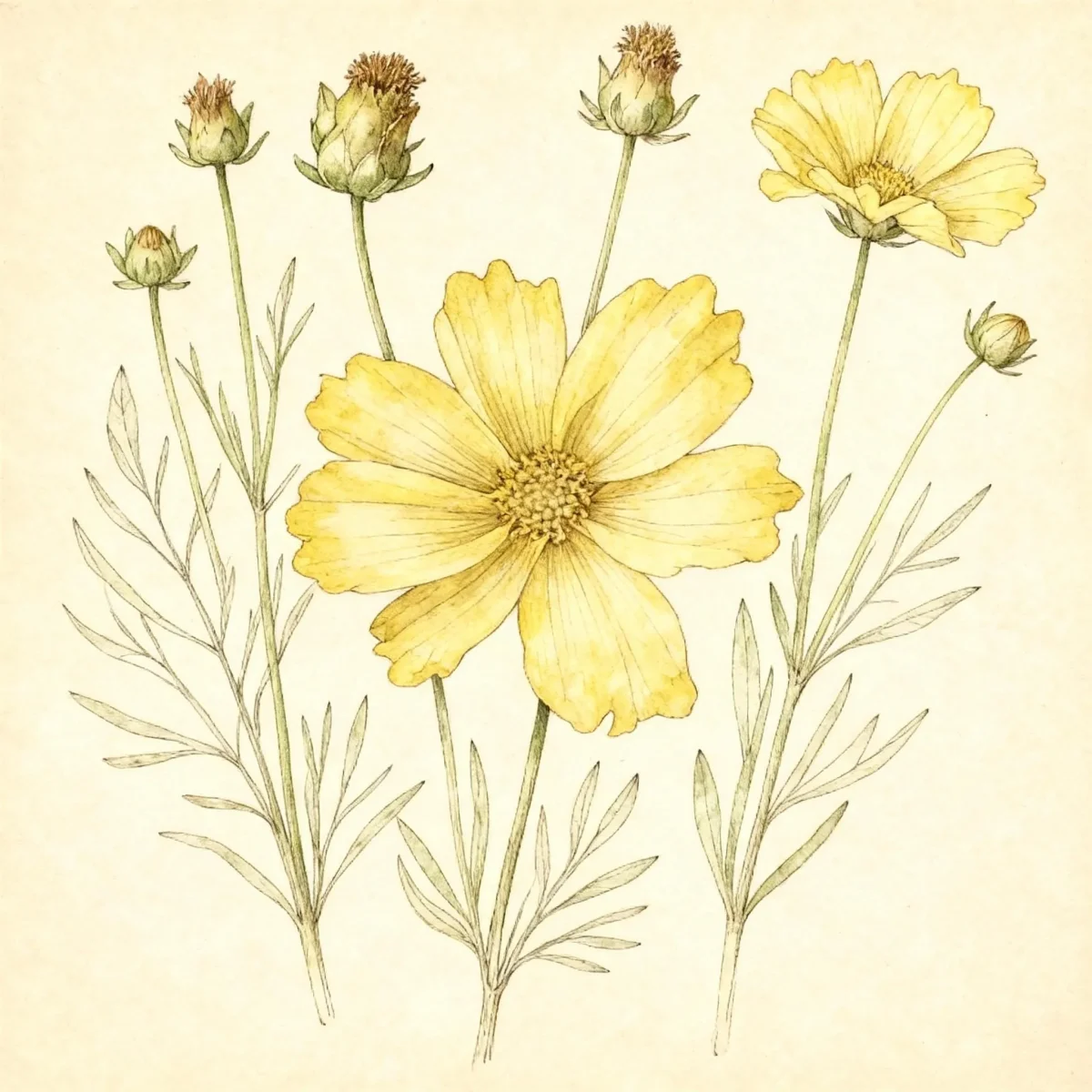
Coreopsis palmata, commonly called prairie coreopsis, stiff coreopsis and prairie tickseed, is a rhizomatous Missouri native wildflower which typically grows to 2.5’ tall and is commonly found in prairies, glades and dry open woods throughout the State. It features pale yellow, daisy-like flowers (1-2” diameter) with eight yellow rays and flat yellow center disks, offering a distinctively lighter color than many other native Coreopsis species. The opposite, sessile stem leaves are divided into three narrow, lance-shaped segments, referencing the specific epithet which means like a palm with finger-like lobes.
Tolerances
- Deer
- Drought
- Dry Soil
- Shallow-Rocky Soil
Potential Problems
Coreopsis palmata is generally celebrated for its lack of serious insect or disease issues, making it a stress-free perennial addition. The primary cultural challenge involves managing its spreading tendency, which is exacerbated when the plant is situated in moist or overly fertile soils. To prevent sprawling, ensure placement meets its full sun and dry soil requirements. Furthermore, crown rot is a specific risk if the plant is situated in poorly drained areas that retain water, so excellent drainage is non-negotiable for long-term health.
Frequently Asked Questions
What hardiness zones is Tickseed suitable for?
This robust Tickseed is suitable for planting across USDA Zones 3 through 8, offering wide adaptability across many climates.
How large does Coreopsis palmata grow?
Coreopsis palmata typically reaches a mature height between 1.5 and 2.5 feet tall, spreading between 1 and 1.5 feet wide.
When does Coreopsis palmata bloom?
This lively perennial blooms reliably from May into July, displaying masses of cheerful yellow flowers.
What sun exposure does Coreopsis palmata need?
For best performance and a compact habit, Coreopsis palmata requires full sun exposure.
Conclusion
The Coreopsis palmata offers exceptional value through its low maintenance needs and ability to thrive in harsh, dry conditions. This resilient Tickseed delivers bright, showy blooms throughout the early summer months, stabilizing the landscape while adding cheerful color. Always check your local USDA zone compatibility before planning your spring planting schedule for the best success with this prairie native.
Propagation Tips
Because Coreopsis palmata spreads readily by rhizomes, vegetative division is the easiest and most effective method of propagation. Divide clumps in early spring or early fall just as new growth is emerging or after the main flush of bloom has passed. Gently dig up sections of the clump, ensuring each new division has a healthy section of root and shoot attached, and replant immediately to a suitable location.
If allowing the plant to self-seed, be aware that while deadheading prevents excessive volunteers, seeds that do drop will germinate readily in poor soils. Seed collection is less common as division provides faster, more reliable results for gardeners looking to increase their stock of this desirable Tickseed.
Wildlife Benefits
As a member of the Asteraceae family, Coreopsis palmata is a magnet for native pollinators when in bloom from late spring to mid-summer. The open, daisy-like structure of the yellow flowers offers easy access for bees and butterflies seeking nectar and pollen. By planting prairie Tickseed, especially masses of it for naturalizing, you actively support local insect populations in meadow or open garden settings.