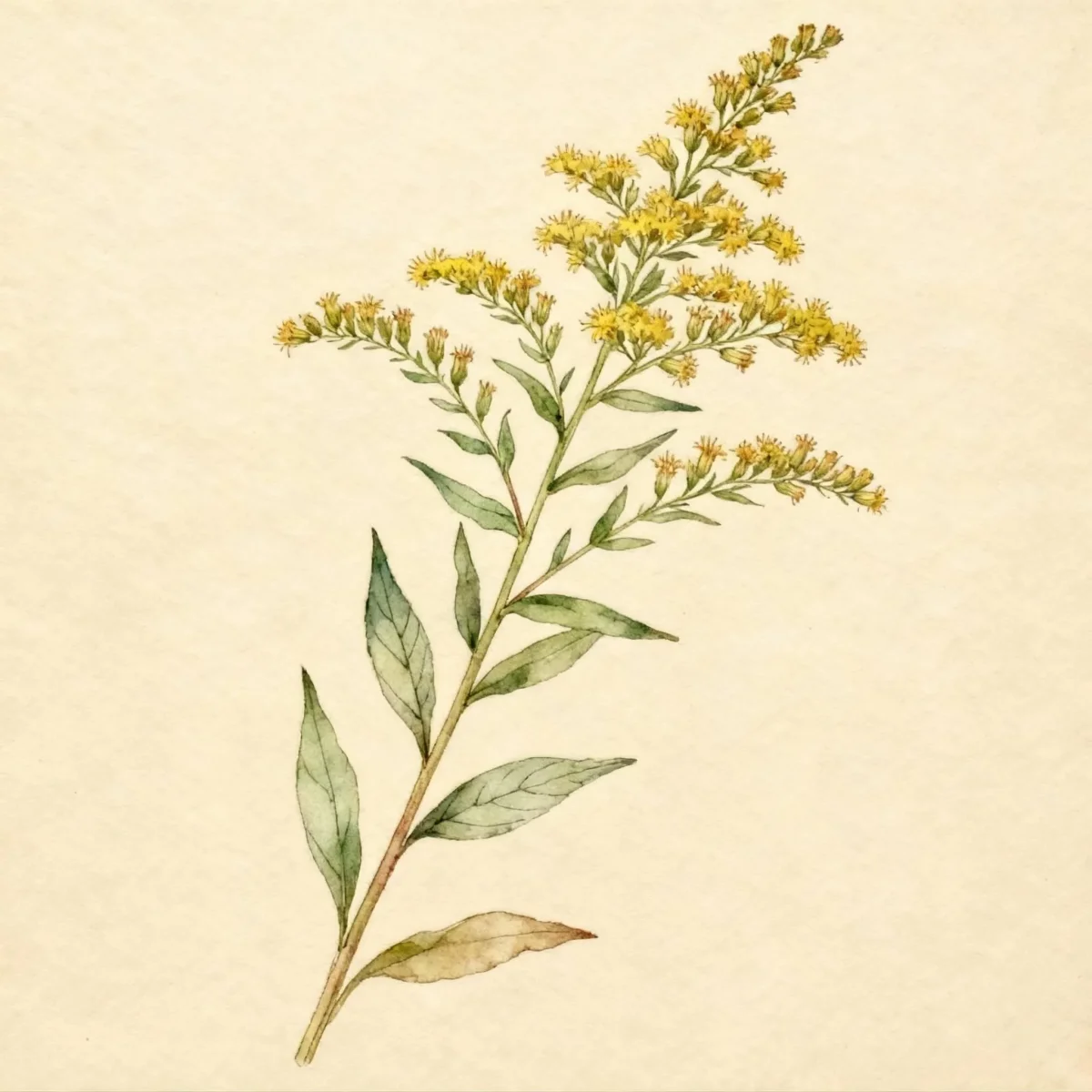
Sneezeweed (Helenium virginicum)
Helenium virginicum (Sneezeweed) is a rare, threatened perennial with bright yellow blooms in fall. Low maintenance and prefers moist sun.
Scroll down to discover growing tips, care requirements, companion plants, and more
Complete Plant Information
Overview
Helenium virginicum, commonly known as Virginia sneezeweed, is a highly significant native perennial valued for its striking late-season color. This species stands out because it is currently listed as threatened or endangered on a federal and state level, making its successful cultivation in gardens an important conservation contribution. It provides necessary late summer and early fall nectar sources when many other plants have finished blooming.
This herbaceous perennial offers a burst of bright yellow blooms atop sturdy stems, typically reaching 2 to 4 feet tall. It thrives in reliably moist conditions, differentiating it from many commonly cultivated garden perennials that demand drier soil. Growing Helenium virginicum requires minimal effort once the correct medium—average, medium to wet soil in full sun—is established.
Due to its rarity and specific habitat requirements, gardeners should treat Helenium virginicum with special care, appreciating its unique aesthetic while respecting its endangered status. Its inclusion in suitable garden settings, such as rain gardens, helps preserve this distinctive native beauty.
Fast Facts
- Plant Family: Asteraceae
- Plant Type: Herbaceous perennial
- Native Range: Virginia, Missouri
- Hardiness Zones: USDA Zones 5-8
- Size at Maturity:
- Height: 2-4 ft
- Spread: 1.5-2 ft
- Bloom Time: September to October
- Bloom Description: Yellow
- Sun Exposure: Full sun
- Water Needs: Medium to wet
- Maintenance Level: Low
How to Grow
Planting Helenium virginicum is best done in spring or fall when soil temperatures are moderate, ensuring time for root establishment before extreme heat or cold. Choose a location receiving full sun exposure, as insufficient light can lead to weak, floppy growth. The soil must be rich and consistently moist; this Sneezeweed is intolerant of dry conditions.
Maintenance for this perennial is generally low once established. Avoid overfertilization, which encourages excessive, weak vertical growth instead of robust flowering. While not mandatory, gardeners can lightly pinch the stems back by one-third in May or early June to promote a bushier habit and more prolific bloom, thus reducing any need for staking later.
After the main flowering period ends in the fall, cut the plant back by about half. To maintain vigor and prevent overcrowding, plan to divide the clumps every three to four years during the spring season. Deadheading spent flowers lightly can sometimes encourage a small flush of rebloom.
Landscape Uses
The primary suggested use for Helenium virginicum is in rain gardens, leveraging its requirement for medium to wet soils. This makes it an excellent choice for low spots in the landscape, near drainage areas, or along pond margins where consistent moisture is naturally present. While its availability is restricted due to its threatened status, finding propagated stock allows conscientious gardeners to integrate this rare native into functional ecological plantings.
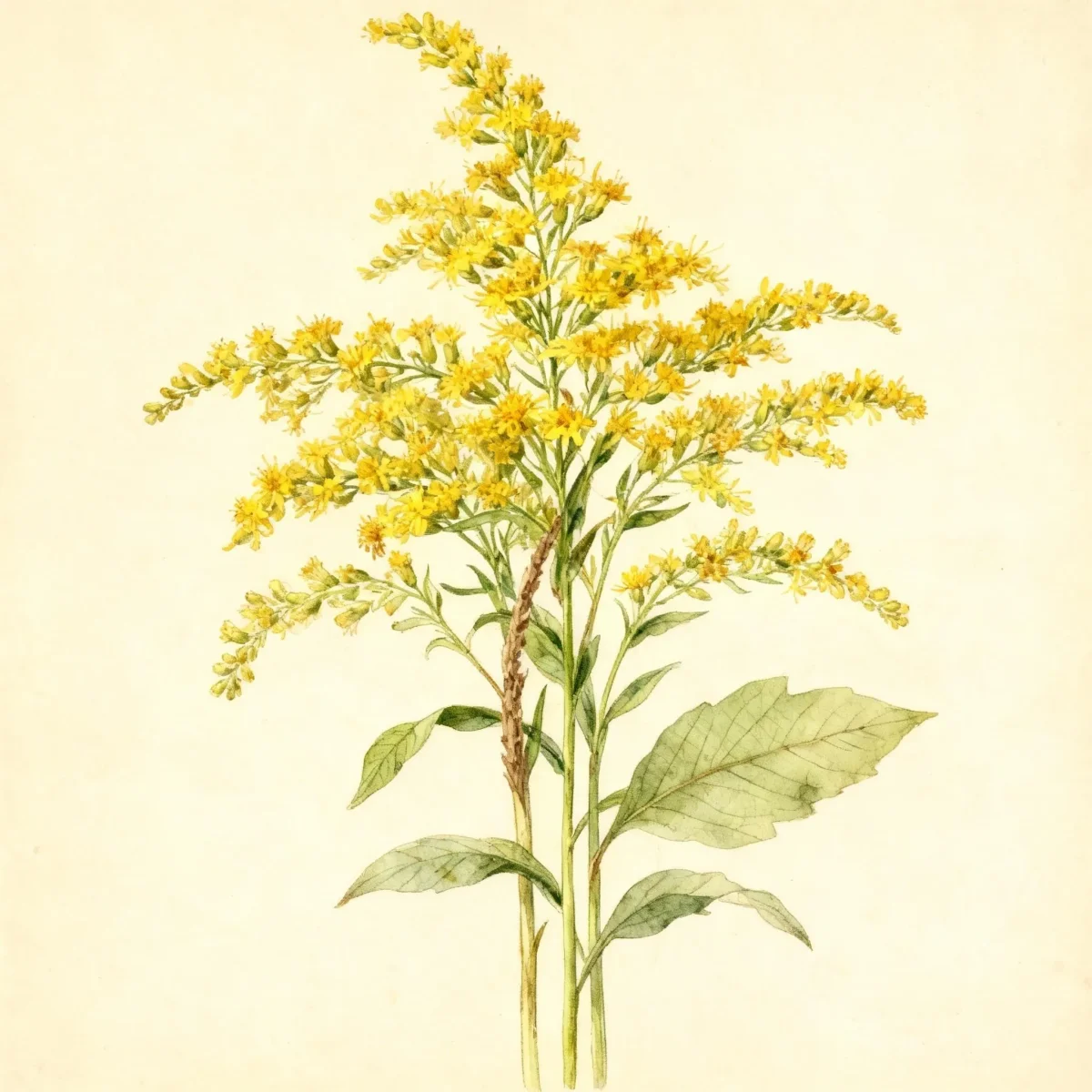
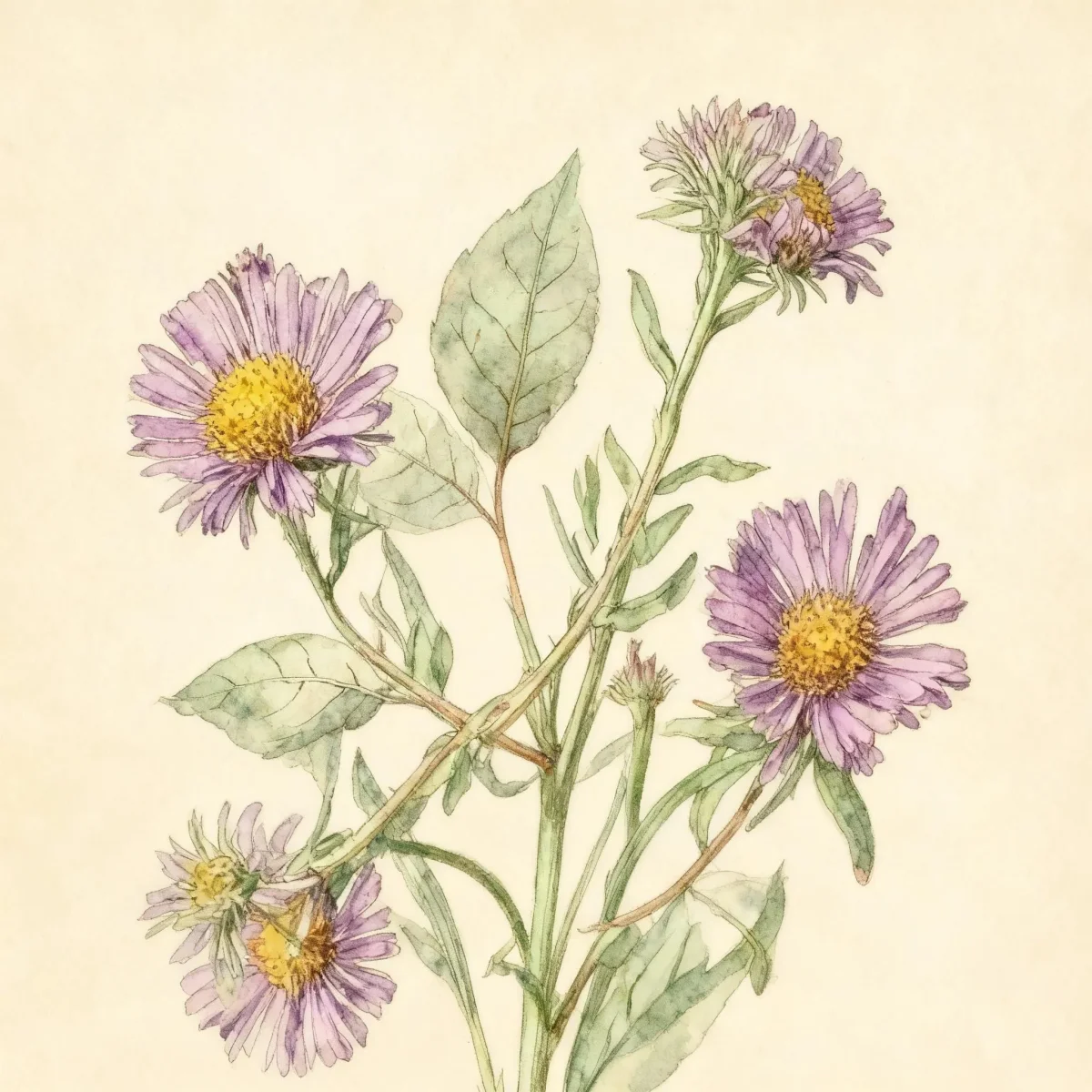
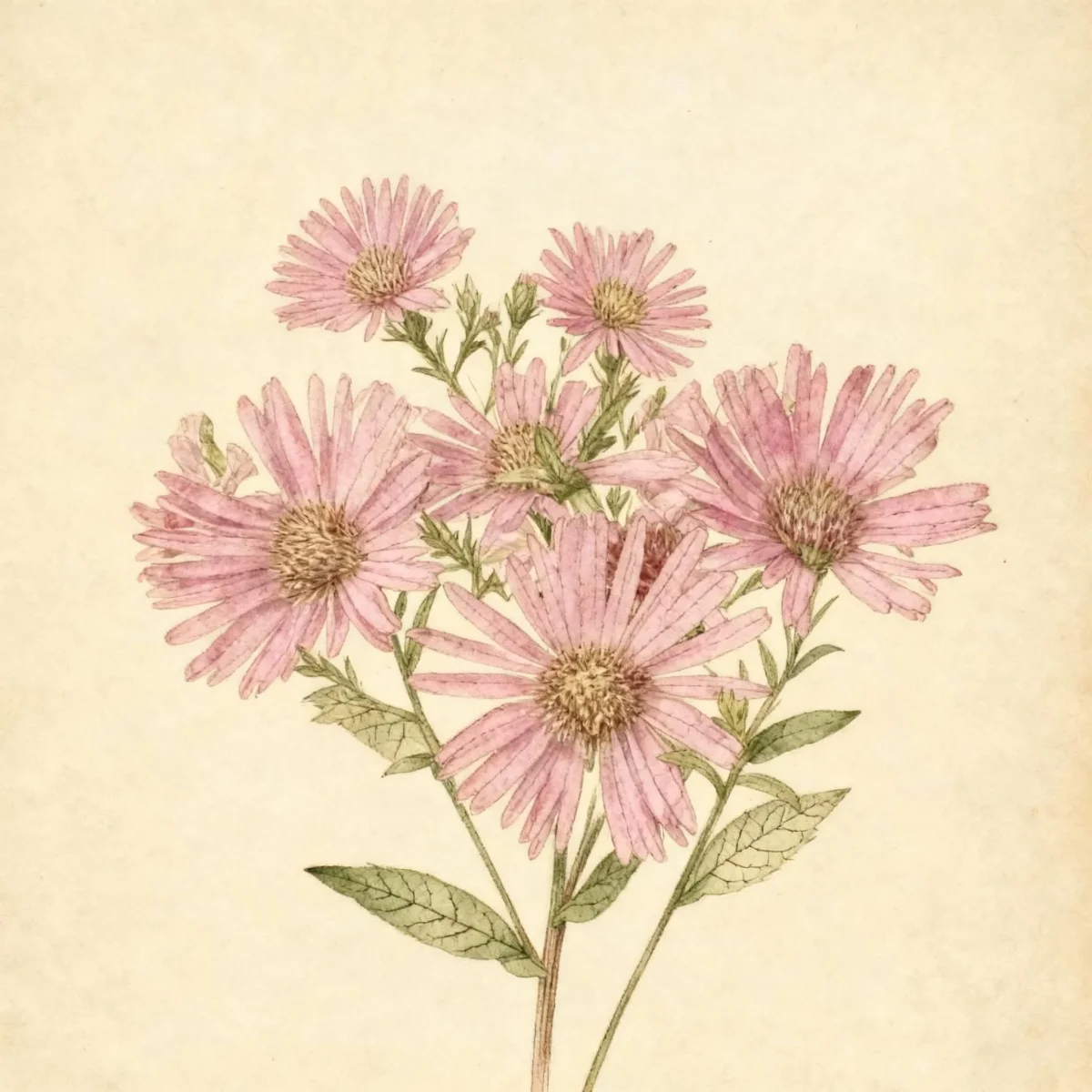
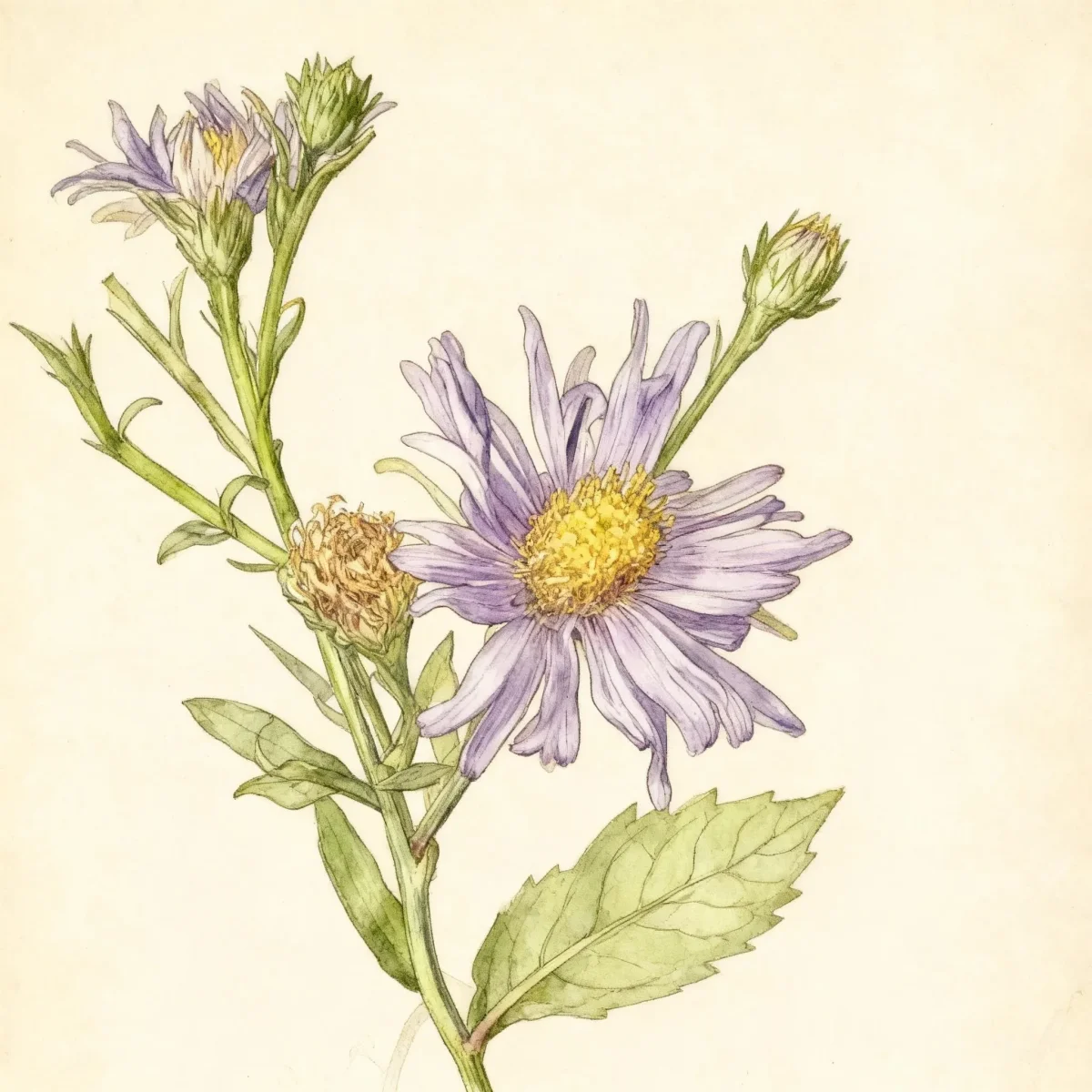
Companion planting should prioritize drought-tolerant species for higher ground, or moisture-loving natives for closer planting within the wet zone. Given its late bloom period, pair it with summer-blooming asters or goldenrods that tolerate similar conditions to ensure continuous insect forage throughout the season.
Standout Features
Flower Qualities
- Showy
Noteworthy Characteristics
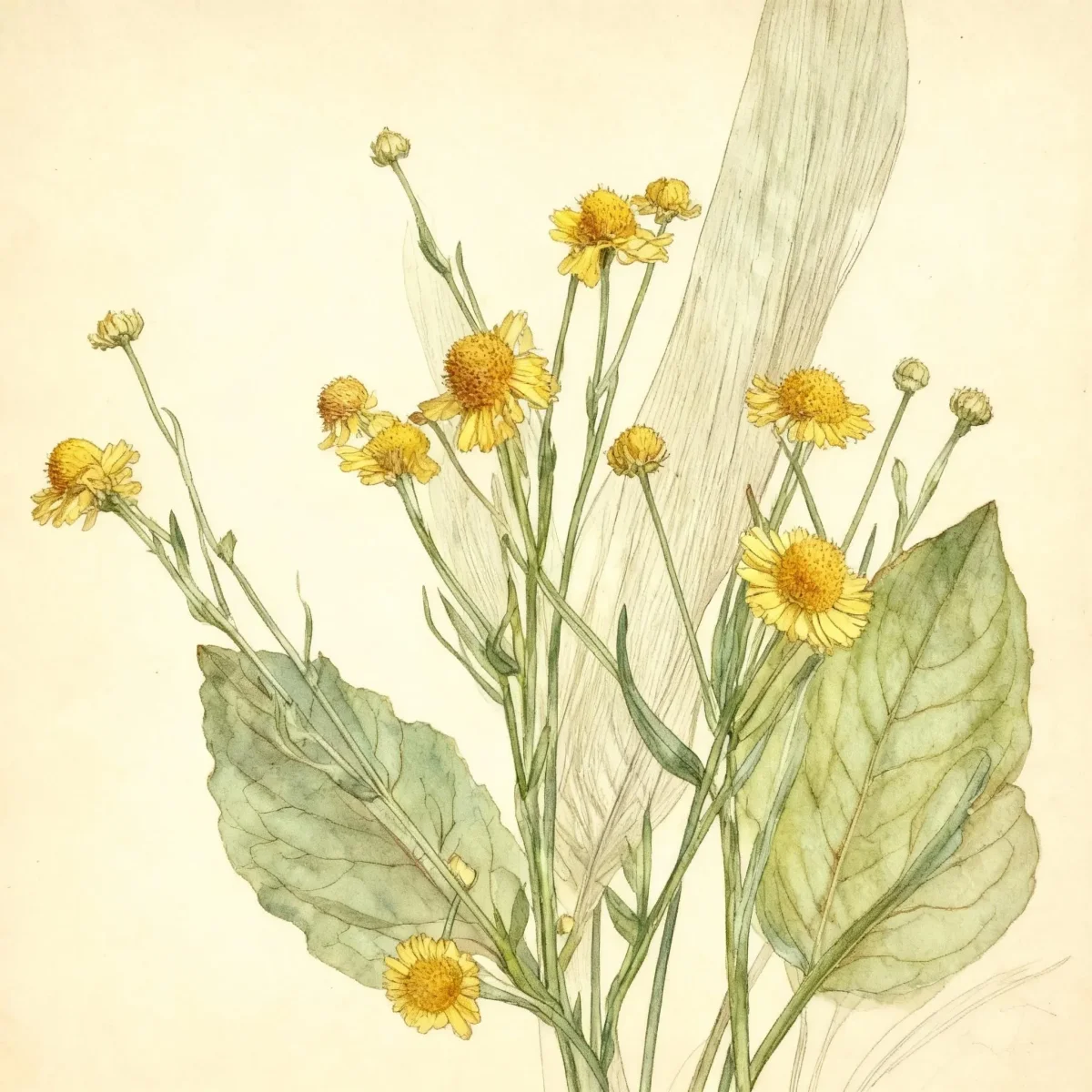
Helenium virginicum, commonly called Virginia sneezeweed, is currently listed by the federal government as threatened under the Endangered Species Act of 1973 and by the State of Virginia as endangered. This plant was originally believed to exist only on the margins of about 30 seasonally flooded sinkhole ponds and meadows in two adjacent counties in the Shenandoah Valley in Virginia. Renewed search efforts in 2003-2004 resulted in the discovery of many plant populations in Missouri, leading to its listing as threatened there as well. The flowers feature wedge-shaped, drooping, bright yellow rays surrounding prominent rounded dull yellow center disks, blooming in late summer through early fall.
Tolerances
- Deer
Potential Problems
Sneezeweed foliage is generally susceptible to powdery mildew, leaf spot, and rust, although the plant experiences no serious insect or disease problems otherwise. Ensure adequate air circulation by avoiding overly dense plantings or heavy overcrowding to minimize fungal issues like mildew. If powdery mildew appears, ensure watering is at the soil level rather than over the foliage, especially in the late afternoon.
Frequently Asked Questions
What hardiness zones is Sneezeweed suitable for?
Helenium virginicum is suitable for USDA hardiness zones 5 through 8.
How large does Helenium virginicum grow?
This perennial typically reaches a height between 2 and 4 feet, with a spread of 1.5 to 2 feet.
What sun exposure does Sneezeweed need?
For optimal health and flowering, Helenium virginicum requires full sun exposure.
When does Virginia sneezeweed bloom?
The bloom time for this species is late in the season, running from September to October, producing notable yellow flowers.
Conclusion
Helenium virginicum offers dependable, vibrant yellow color late in the gardening season and serves an important role in native plant conservation efforts. By providing the required medium to wet soils in full sun, gardeners can successfully cultivate this low-maintenance Sneezeweed. Always source plants responsibly and check your local regulations regarding threatened species before adding this unique perennial to your landscape.
Propagation Tips
Division is the most practical method for reproducing Helenium virginicum in a home garden setting, aiding in maintaining the vigor of existing clumps. This process should ideally be performed in the early spring before new growth significantly emerges, or possibly in the early fall after the plant has gone dormant. Carefully lift the entire clump using a sharp spade, then gently tease apart sections, ensuring each division retains a healthy portion of roots and crown.
Replant the separated divisions immediately into prepared, moist soil at the same depth as the original plant. Immediate and consistent watering after division is crucial to help reestablish the root system quickly. Since this species is currently unavailable commercially due to its status, propagation via division from legally acquired stock is the only appropriate means to increase your personal collection.
Companion Planting
Due to the moisture needs of Helenium virginicum, selecting companions that also thrive in seasonally wet or consistently moist soil is essential for landscape harmony. Consider other late-season bloomers that share a preference for full sun and rich earth, such as certain varieties of Joe Pye Weed (Eutrochium) or Swamp Milkweed (Asclepias incarnata). These plantings will create a robust bog or rain garden aesthetic that supports local ecosystems.
When grouping plants, ensure that the established Helenium virginicum is not overly crowded, as good air movement assists in preventing common fungal issues. By combining plants with similar cultural needs, you simplify watering routines and create a visually cohesive border that peaks during the autumn months when the yellow flowers of Sneezeweed are displayed.