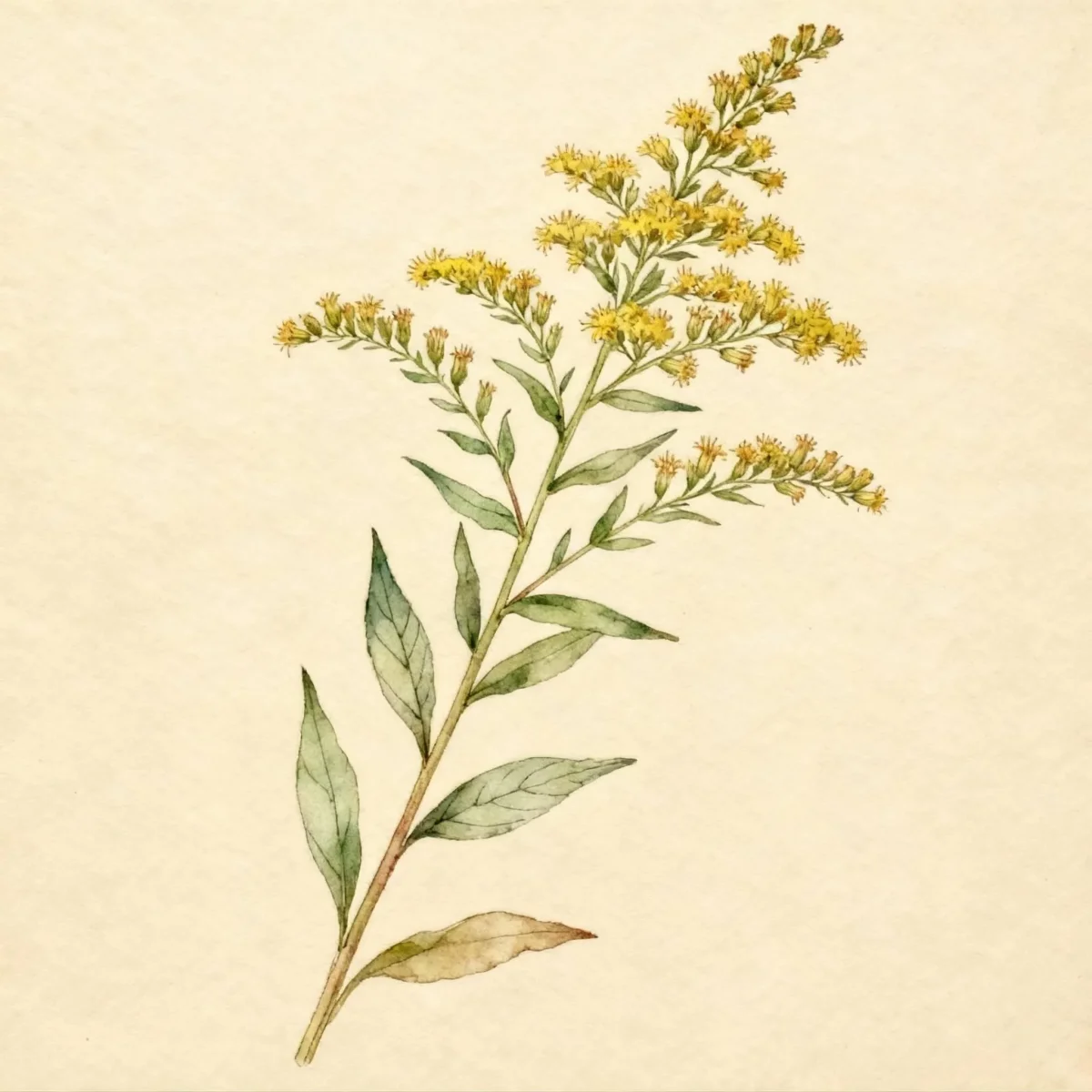
Great ironweed (Vernonia arkansana)
Discover Vernonia arkansana, the late-season Great ironweed. This low-maintenance perennial thrives in full sun and wet soil, offering pink-purple blooms.
Scroll down to discover growing tips, care requirements, companion plants, and more
Complete Plant Information
Overview
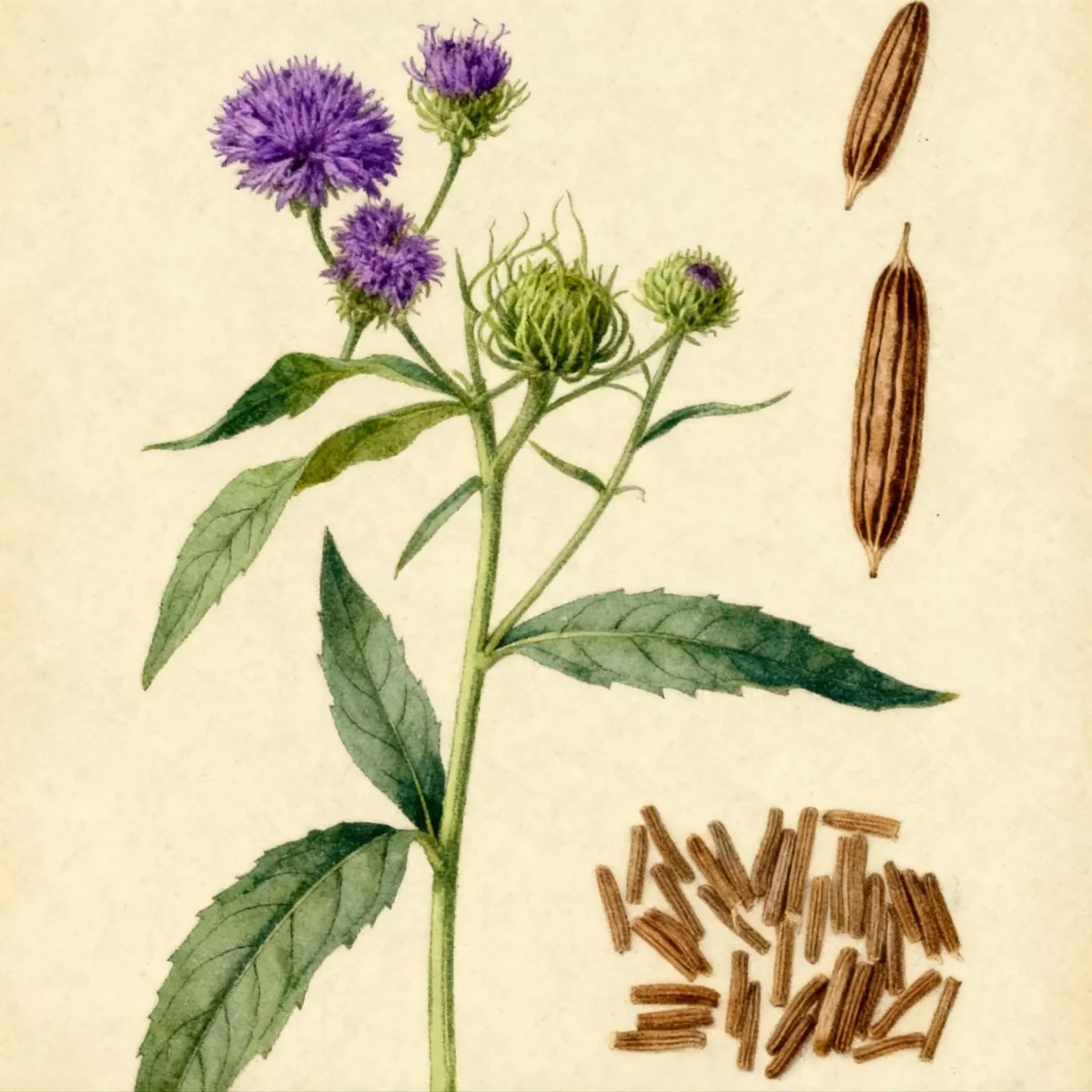
Vernonia arkansana, commonly known as Great ironweed, is a robust, late-season ornamental highly valued for its stature and late summer floral display. This herbaceous perennial introduces clear pink-purple color to the garden when many other flowers are fading, making it a vital late-season nectar source. It is an excellent choice for gardeners seeking reliable, low-maintenance native plants that thrive in challenging moist conditions.
This species is noted for its strong, upright stems reaching 3 to 5 feet tall, providing significant vertical interest in the landscape. Found naturally along streams, in wet meadows, and occasionally in drier prairie settings, Vernonia arkansana demonstrates adaptability within its preferred medium to wet soil range. Its tough nature earns it the “ironweed” moniker, ensuring it remains resilient through challenging summer periods.
The fluffy, composite flowers of Great ironweed are magnets for late-season pollinators, particularly butterflies, significantly boosting garden biodiversity. Whether used for mass planting in naturalized areas or as a sturdy background element, Vernonia arkansana offers dependable year-round structure and superb late-season color.
Fast Facts
- Plant Family: Asteraceae
- Plant Type: Herbaceous perennial
- Native Range: Northern and central United States
- Hardiness Zones: USDA Zones 5-8
- Size at Maturity:
- Height: 3-5 ft
- Spread: 3-4 ft
- Bloom Time: August to September
- Bloom Description: Pink-purple
- Sun Exposure: Full sun
- Water Needs: Medium to wet
- Maintenance Level: Low
How to Grow
Plant Vernonia arkansana in the spring or fall after the threat of hard frost has passed. The ideal location provides full sun exposure, which encourages the stoutest growth and best flowering. This perennial thrives in average, medium to wet soils, often performing exceptionally well in rain gardens or consistently moist spots where other plants might struggle.
Maintenance for Great ironweed is generally simple. While easily grown in average conditions, be aware that plants generally grow taller in very moist soils. For gardeners preferring a slightly shorter stature, overall plant height can be managed by cutting back the stems in late spring before new growth fully develops. Fertilization is rarely necessary for this resilient native.
Water needs are medium to wet; ensure regular moisture, especially during establishment. If you wish to prevent unwanted self-seeding, diligently remove the flower heads before the rusty seeds mature and disperse. A final consideration is that this species of ironweed, Vernonia arkansana, exhibits a tendency to hybridize with some other native vernonias, which can occasionally complicate identification.
Landscape Uses
Great ironweed is perfectly suited for several high-impact landscape roles, especially where moisture management is a consideration. It excels when naturalized in wildflower meadows, prairies, or native plant gardens, offering vertical structure throughout the growing season. Its substantial height makes it an effective anchor or background plant for perennial borders, providing a dense screen behind shorter companions.
Consider placing Vernonia arkansana near a rain garden installation. Its tolerance for wet soil, combined with its strong upright habit, means it naturally handles runoff while providing late-season color that supports declining butterfly populations. Companion plantings that appreciate similar moisture levels, such as Swamp Milkweed or Joe-Pye Weed, pair beautifully with the pink-purple tones of Great ironweed.
For cottage gardens, this robust perennial adds a wild, untamed element that complements softer plantings. The stiff stems of Vernonia arkansana often stand well into winter, adding textural interest long after the bloom period concludes.
Standout Features
Flower Qualities
- Showy
Noteworthy Characteristics
Vernonia arkansana, commonly called curlytop ironweed or Arkansas ironweed, is native from Illinois to Kansas south to Arkansas and Oklahoma. In Missouri, it typically occurs in gravel and sand bars along streams, slough margins, wet meadows, thickets, open woods, prairies and glades primarily in the Ozark region of the state (Steyermark). This plant is noted for its narrow, willow-like leaves, large flowering heads and narrow, twisting, involucral bracts. The source of the common name for vernonias has been varyingly attributed to certain “iron-like” plant qualities including tough stems, rusty-tinged fading flowers and rusty colored seeds.
Tolerances
- Deer
- Wet Soil
Potential Problems
Vernonia arkansana is generally praised for having no serious insect or disease problems in cultivation. Its toughness means it rarely succumbs to common fungal issues unless conditions are exceptionally poor or overcrowded. Good air circulation, which is often improved by planting in full sun with adequate spacing, helps maintain plant health. Should pests occasionally appear, typical integrated pest management strategies for sturdy perennials usually suffice.
Frequently Asked Questions
What hardiness zones is Great ironweed suitable for?
Great ironweed (Vernonia arkansana) is reliably hardy across USDA Zones 5 through 8.
How large does Great ironweed grow?
This perennial typically matures to a height of 3 to 5 feet, with a spread generally ranging from 3 to 4 feet wide.
What sun exposure does Vernonia arkansana need?
Vernonia arkansana requires full sun exposure to achieve optimal height and flowering performance.
When does Great ironweed bloom?
Great ironweed blooms late in the season, typically from August into September, featuring attractive pink-purple flower heads.
Conclusion
The Great ironweed (Vernonia arkansana) stands out as an essential, low-effort perennial for the late-season garden. Its drought and wet-tolerance, combined with its significant height and striking pink-purple blooms, make it a powerhouse for native plantings and rain gardens alike. Before planting, always confirm your local USDA zone compatibility to ensure this tough beauty thrives for years to come.
Companion Planting
When selecting companions for Vernonia arkansana, focus on plants that share its love for moist, sunny conditions. Species that bloom earlier or later can extend the season of interest dramatically in a wet meadow setting. Tall grass varieties, such as Switchgrass (Panicum virgatum), provide excellent textural contrast while tolerating similar soil conditions.
Consider pairing the pink-purple hues of Great ironweed with white or blue companions for a striking visual effect. Astilboides tabularis or taller varieties of Blue Lobelia (Lobelia siphilitica) can offer complementary color palettes at the soil level while respecting the nutrient and moisture requirements. Remember that Vernonia arkansana can grow quite tall, so position shorter specimens toward the front edge of the border area.
Wildlife Benefits
The late flowering window of Vernonia arkansana is perhaps its most significant ecological contribution. As many summer blooms fade, the fluffy capitula of Great ironweed provide crucial nectar resources for migrating and late-season butterflies. Ensuring a continuous food supply late in the year is vital for supporting pollinator populations preparing for winter.
In addition to nectar, the resulting seed heads, which turn a rusty color, provide sustenance for small seed-eating birds in the fall and winter months. Leaving the dried stems standing—especially if you chose not to deadhead spent blooms—offers essential overwintering habitat and structure for beneficial insects, aligning perfectly with low-maintenance, wildlife-friendly gardening principles.