Decurrent false aster (Boltonia decurrens)
Discover Decurrent false aster (Boltonia decurrens), a threatened perennial for wet areas, blooming pale pink/white in late summer.
Scroll down to discover growing tips, care requirements, companion plants, and more
Complete Plant Information
Overview
The Decurrent false aster, scientifically known as Boltonia decurrens, stands out as a remarkable, though threatened, native perennial for specialized garden sites. Its value lies in its intense late-summer floral display and its ability to thrive in moist environments where many other plants struggle. This plant builds impressive height, often reaching up to six feet, creating significant vertical texture as the season progresses.
Boltonia decurrens is ecologically significant, primarily located along river systems in Illinois and Missouri. This species requires consistently moist to wet soil conditions coupled with full sun exposure to perform best. Gardeners should note that while it produces masses of pale pink to white, daisy-like flowers, its cultural needs—particularly water—are non-negotiable for success.
For those maintaining a rain garden or wetland border, Boltonia decurrens offers a powerful visual anchor from August into September. Its distinct, decurrent (running down the stem) foliage sets it apart from relatives like Boltonia asteroides. Successful cultivation hinges on providing adequate water and managing its height to prevent flopping.
Fast Facts
- Plant Family: Asteraceae
- Plant Type: Herbaceous perennial
- Native Range: Central United States
- Hardiness Zones: USDA Zones 4-8
- Size at Maturity:
- Height: 4-6 ft
- Spread: 2-4 ft
- Bloom Time: August to September
- Bloom Description: Pale pink to white
- Sun Exposure: Full sun
- Water Needs: Medium to wet
- Maintenance Level: Medium
How to Grow
Planting Decurrent false aster should occur in the spring after the danger of hard frost has passed, ensuring the location receives full, unimpeded sunlight. This species demands average to wet soils; do not attempt to grow it in dry garden spots as it will fail to thrive. Due to its height, select a location where its tendency to occasionally flop is less of an issue, or plan for structural support.
Watering is crucial for this established perennial; assume the soil must remain consistently moist, moving toward wet, especially during hot summer periods. Fertilizing is usually unnecessary, as overly rich soil can exacerbate flopping. Pruning serves a dual purpose for managing height: if stems threaten to collapse under their own weight, you may cut or pinch them back by one-third in late spring or early summer.
As it lacks rhizomes entirely, Boltonia decurrens will not spread aggressively via underground runners, meaning its clump size is determined by its initial planting density. In the fall, cut back the dead stalks after they have provided winter structure, or leave them standing to aid in winter identification until early spring cleanup. Be aware that the defining characteristic of Boltonia decurrens is its specialized attachment to moist, sometimes disturbed bottomland habitats.
Landscape Uses
The recommended uses perfectly profile the niches where Boltonia decurrens excels: in rain gardens and naturalized settings where moisture is abundant. Place this vertical accent plant where its height—up to six feet—can serve as a background element rather than a border plant that might obscure smaller specimens. It thrives near water features or in low spots in the yard that retain seasonal moisture.
When designing a moist sunny area, pair this aster-like flower with other moisture-loving companions such as Vernonia species or tall sedges that appreciate similar inundation periods. Using it in a naturalized swath highlights its profuse blooming habit, covering the plant in pinkish-white color late in the season when many summer bloomers are fading. Boltonia decurrens is highly effective where textural contrast is needed against fine-leaved bog plants.
Because this Decurrent false aster thrives in consistently moist soil, integrating it into a formal perennial border without proper sub-surface drainage will likely lead to failure; treat it strictly as a water-loving accent. Its upright structure and late bloom make it an excellent choice for adding drama just as gardens transition into autumn interest.
Standout Features
Flower Qualities
- Showy
Noteworthy Characteristics
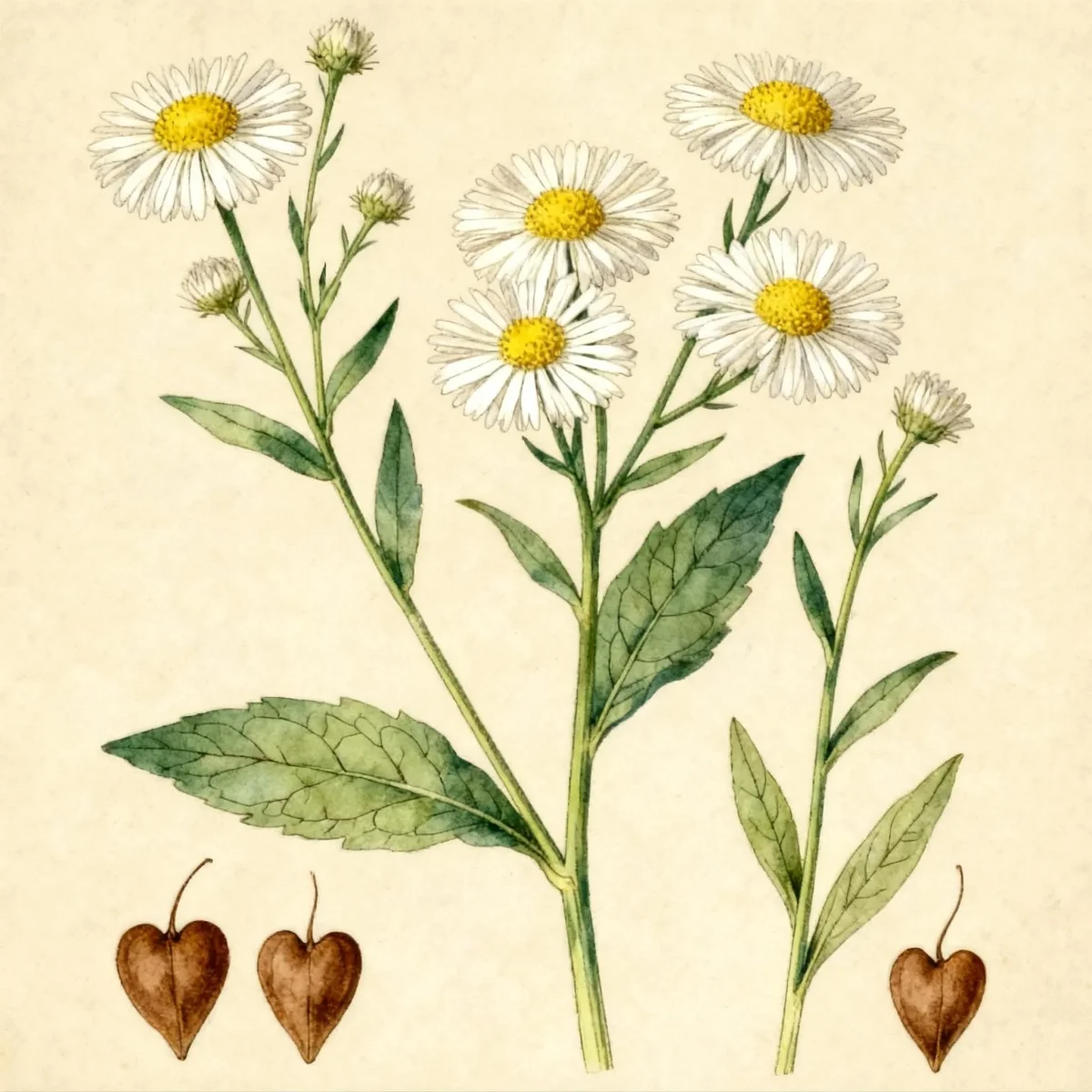
Boltonia decurrens, commonly called decurent false aster is a threatened species that is only known to occur along the Illinois River in west central Illinois and along the Mississippi River in both Illinois and Missouri just north of St. Louis. It typically is found in muddy bottomlands where disturbance and cyclical flooding occur. Pale pink to white daisy-like flowers (to 1” diameter) in loose panicles literally cover this aster-like plant with a profuse bloom in August and September. The common name stems from its notably decurrent leaves, which clasp and extend down along the stem bases, distinguishing it from similar Boltonias.
Tolerances
- Wet Soil
Potential Problems
This plant generally exhibits excellent resistance to most common garden pests and diseases, presenting no serious insect or disease problems under ideal conditions. However, because it demands high moisture, avoid overcrowding, as poor air circulation significantly increases the risk of powdery mildew, especially on the foliage. If taller stems begin to droop or flop due to excessive moisture or wind, the primary management technique involves structural support or the late-spring pinching method described in the culture section.
Frequently Asked Questions
What hardiness zones is Decurrent false aster suitable for?
Boltonia decurrens is hardy and reliably perennial in USDA Zones 4 through 8.
How large does Boltonia decurrens grow?
This towering perennial typically achieves heights between 4 and 6 feet, spreading to 2 to 4 feet wide.
What sun exposure does Boltonia decurrens need?
For the best growth and most prolific flowering, this plant requires a location receiving full sun throughout the day.
When does Decurrent false aster bloom?
You can expect the profuse bloom of pinkish-white flowers from August well into September.
Conclusion
The Decurrent false aster offers a significant visual payoff for gardeners willing to meet its specific need for ample moisture and full sun exposure. Its status as a rare native species adds an element of conservation value to any suitable rain garden or wetland border where its spectacular late-season flowering can be appreciated. Before planting, confirm your site has the required medium to wet soil conditions for this impressive Boltonia decurrens.
Companion Planting
When integrating Boltonia decurrens into a landscape, selecting companions that appreciate similar moisture regimes ensures aesthetic harmony and reduces micro-management. Look to moisture-loving, sun-loving perennials that bloom at different times to extend the interest of the area. Tall flowering onions like Allium giganteum can provide early structure before the aster fills in, or pair it with waterside classics such as Siberian Iris or certain native swamp milkweeds (Asclepias incarnata).
The strong vertical habit of the Decurrent false aster pairs excellently with plants offering contrasting foliage texture, such as ornamental grasses native to wet meadows. Grasses like Switchgrass (Panicum virgatum) cultivars adapted to wetter feet or Blue Joint Grass (Calamagrostis canadensis) offer flowing movement that balances the erect, branching stems of Boltonia decurrens. This contrast enhances the perceived airiness of the aster’s late-season flowers.
Design Ideas for Wetland Borders
Utilizing Boltonia decurrens in riparian or naturalized areas allows its robust size to act as a visual screen or backdrop. Its height makes it unsuitable for sunny front borders unless you desire significant screening. Consider planting in irregular masses rather than straight lines to mimic its growth habit in its native bottomland habitat. Allow space between clumps to ensure good air circulation, which mitigates the risk of fungal issues common in high-humidity environments.
The pale pink to white flowers of the Decurrent false aster provide a lovely transition as the bright yellows and oranges of midsummer begin to fade. Use deep blues or purples in the foreground—perhaps marsh phlox or blue vervain—to create a striking complementary color scheme against the mass of white blooms. This planting scheme draws the eye across the moist area late in the season.