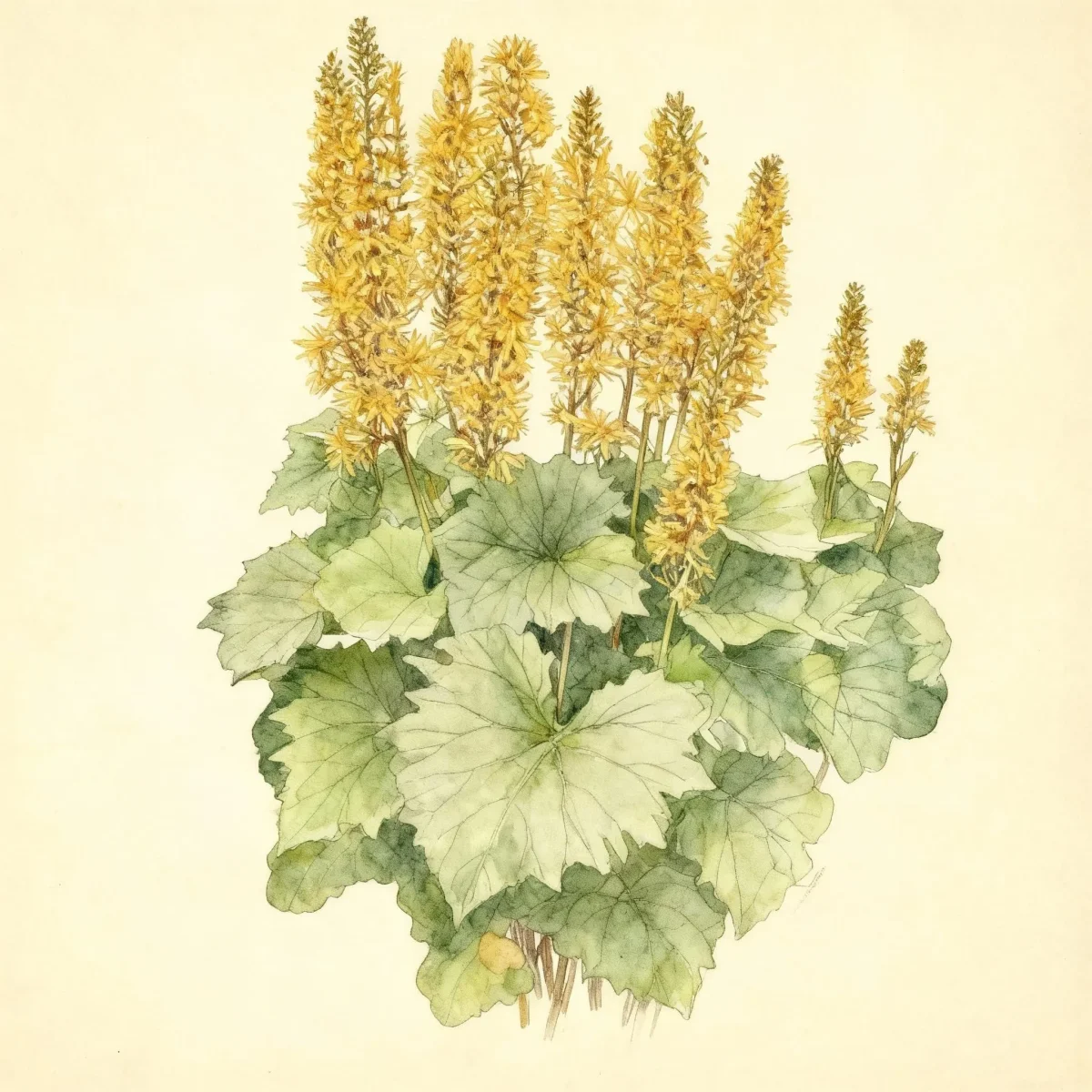
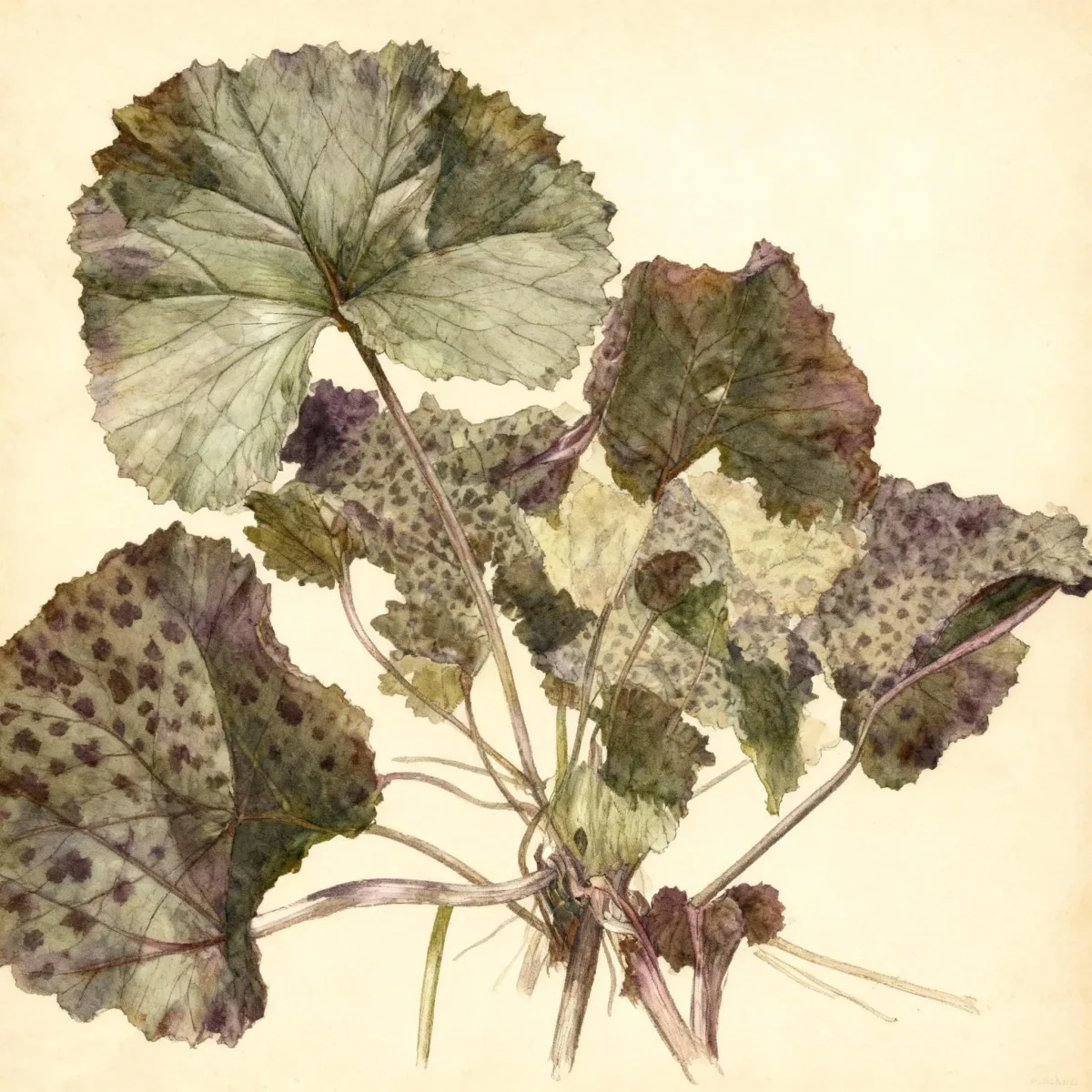
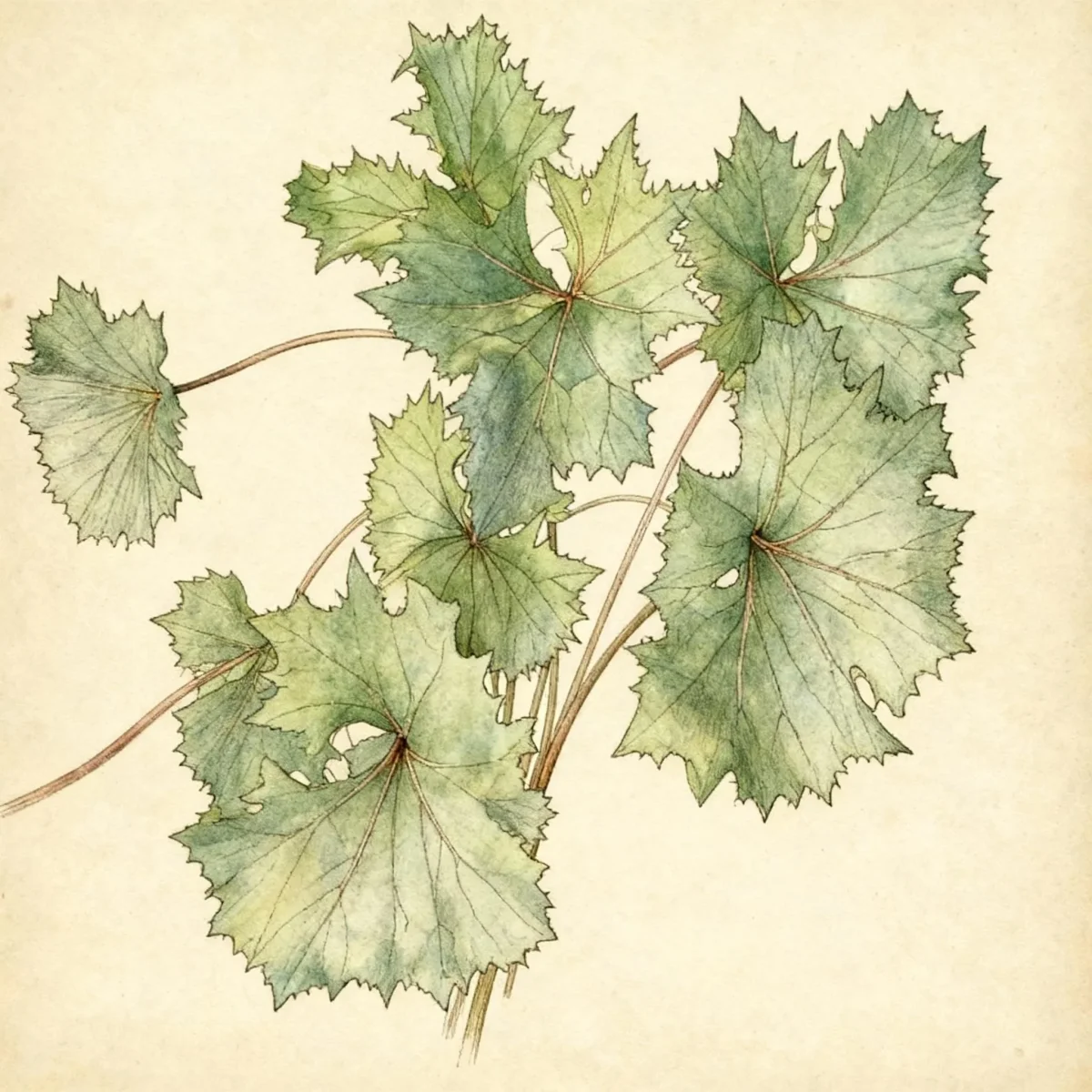
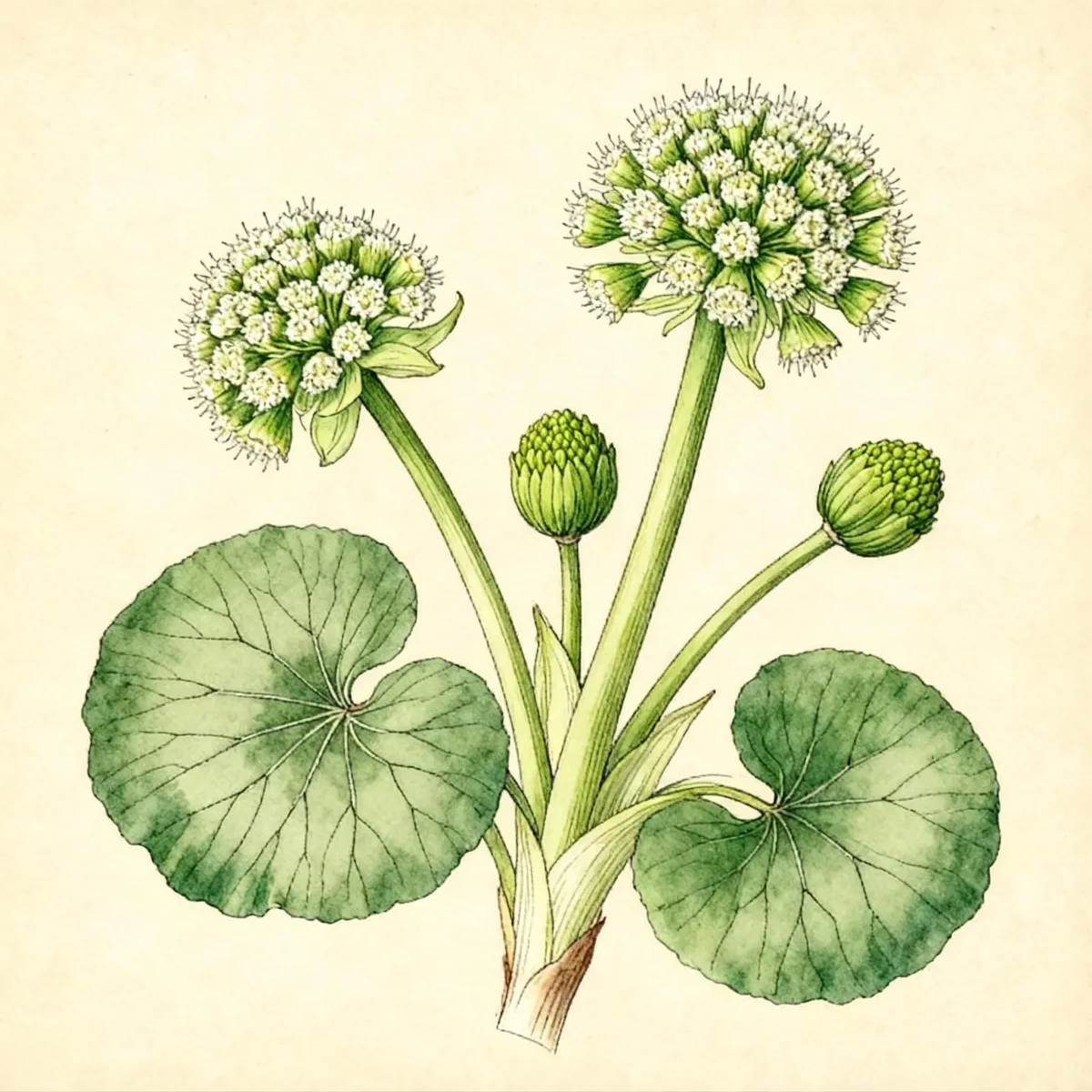
Golden star (Chrysogonum virginianum var. australe)
Discover Chrysogonum virginianum var. australe, the fast-spreading Golden star perennial, perfect for shade gardens and ground cover needs.
Scroll down to discover growing tips, care requirements, companion plants, and more
Complete Plant Information
Overview
Chrysogonum virginianum var. australe, commonly known as Golden star, is a highly adaptable, rhizomatous herbaceous perennial valued for its vibrant, star-shaped yellow blooms that often extend their season through early autumn. As a low-growing ground cover, it rapidly establishes a dense mat of bright green foliage, making it an excellent choice for suppressing weeds in shaded areas where traditional turf struggles. The variety Australe is particularly noted for spreading via above-ground stolons, similar to a strawberry plant, ensuring quicker coverage than the standard species.
This perennial thrives in woodland settings, preferring the dappled light found beneath deciduous trees. Its tolerance for heavy shade, combined with its preference for consistently moist, organically rich soils, defines its ideal habitat. Gardeners appreciate the low maintenance requirements of Golden star, which, once established, provides reliable seasonal color and texture.
Utilizing Chrysogonum virginianum var. Australe allows gardeners to naturalize slopes or line woodland paths with cheerful yellow flowers. Its preference for moist conditions also earmarks it as a strong candidate for rain garden installations, combining aesthetic appeal with functional water management in semi-shaded environments.
Fast Facts
- Plant Family: Asteraceae
- Plant Type: Herbaceous perennial
- Hardiness Zones: USDA Zones 5-9
- Size at Maturity:
- Height: 0.5-1 ft
- Spread: 1-2 ft
- Bloom Time: May to October
- Bloom Description: Yellow
- Sun Exposure: Part shade to full shade
- Water Needs: Medium to wet
- Maintenance Level: Low
How to Grow
Planting Golden star is best done in the spring or early fall, allowing the spreading stolons time to anchor before extreme weather. The location should provide protection from intense afternoon sun, ideally receiving sun-dappled light throughout the day. Chrysogonum virginianum var. Australe demands average, medium moisture, well-drained soil, but truly excels in soil rich in organic matter and slightly acidic.
Routine care for this low-maintenance perennial is minimal. Ensure consistent moisture, especially during establishment or during dry spells, as this plant prefers medium to wet soil conditions. Fertilization is rarely necessary in rich woodland settings; however, an annual side-dressing of compost can boost vitality. Deadheading spent flower stems is optional but recommended to maintain the neatest appearance of the foliage mat.
This plant generally tolerates full sun only when moisture levels are kept consistently high. In hot summer climates, the peak flush of spring bloom may diminish during the hottest weeks, but the foliage remains attractive until a light rebloom occurs in the fall. Few pests or diseases trouble Chrysogonum virginianum var. australe, keeping winter prep simple—usually just clearing away old debris in early spring.
Landscape Uses
The primary function of Chrysogonum virginianum var. australe in the landscape is as a beautiful, textured ground cover. Because it spreads readily by rooting stolons, it is perfect for naturalizing areas under mature trees or cascading over retaining walls where dense shade suppresses other ground covers. Its low stature makes it ideal for edging woodland paths or defining the front border of a shaded foundation planting.
Consider planting Golden star alongside other shade-tolerant natives that share its medium moisture needs, such as ferns, woodland phlox (Phlox stolonifera), or sedges (Carex species). This combination creates a rich, layered tapestry reminiscent of a native woodland floor, offering year-round interest. Furthermore, its use as a ground cover for native plant gardens provides essential habitat structure beneath taller shrubs and trees.
For functional landscapes, its ability to thrive in moist, shaded spots makes it a superb selection for rain gardens. It helps slow runoff and absorb excess water while providing continuous low-level color from May well into October, showcasing why Chrysogonum virginianum var. australe is a versatile tool for moist shade design.
Standout Features
Flower Qualities
- Showy
Noteworthy Characteristics
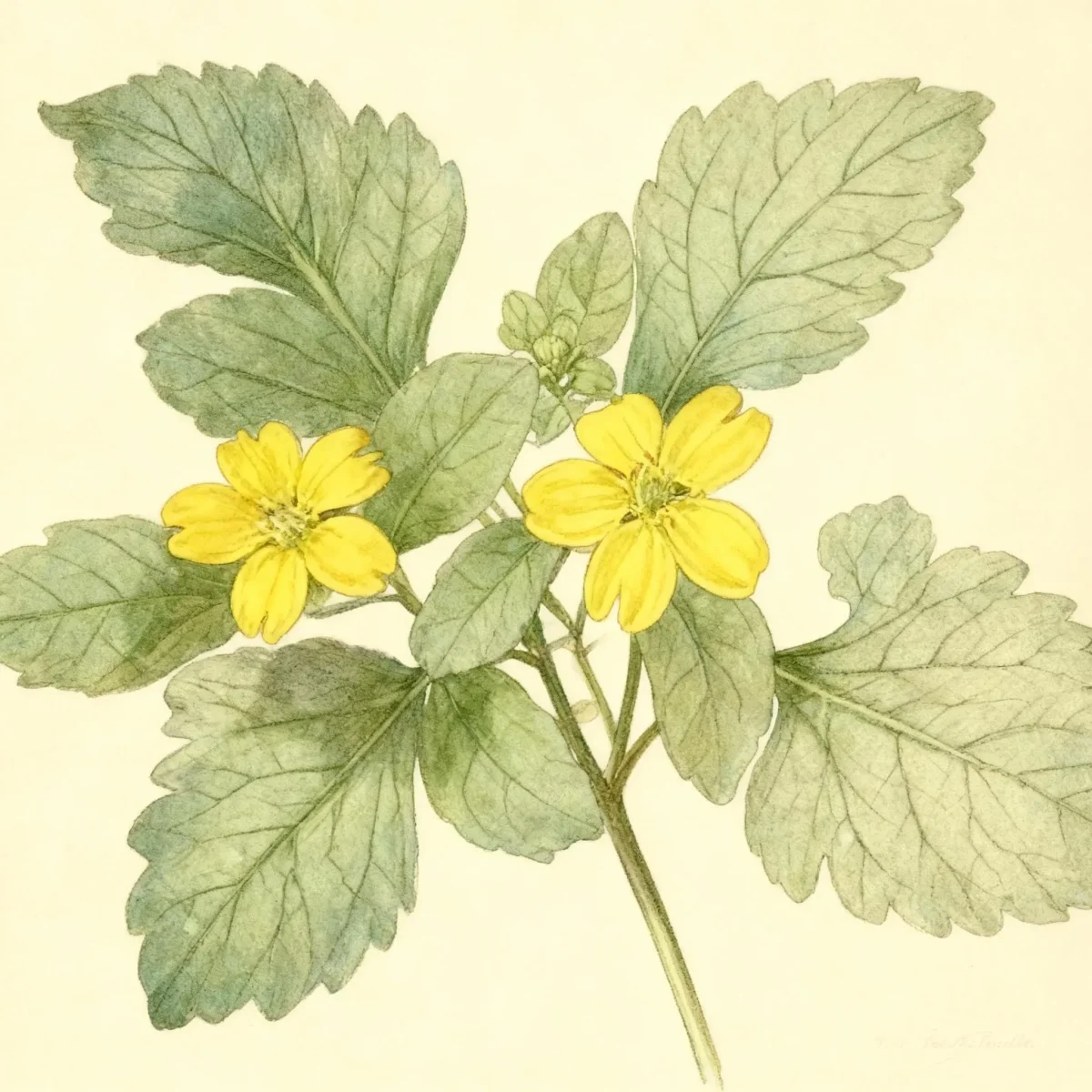
Chrysogonum virginianum var. australe, or Golden star, produces bright yellow, five-petaled, daisy-like flowers measuring up to 1.5 inches in diameter, often blooming profusely in spring and sporadically thereafter. A key difference from the species is that var. Australe is more prostrate and spreads aggressively via above-ground stolons, allowing it to form dense ground cover quickly. The genus name reflects the flower location—gold originating at the stem joints—while the common name references the distinctive star shape of the bloom.
Tolerances
- Heavy Shade
Potential Problems
Fortunately, Golden star suffers from no serious insect or disease problems under ideal conditions. The most common issue gardeners may encounter is a slight susceptibility to powdery mildew, particularly if air circulation is poor, or if the plant is placed in a location that is too dry or too densely packed. To manage this, ensure adequate spacing during planting and maintain consistent soil moisture rather than relying on overhead watering, which can encourage fungal development.
Frequently Asked Questions
What hardiness zones is Golden star suitable for?
Chrysogonum virginianum var. australe is reliably hardy in USDA Zones 5 through 9, making it highly versatile across much of the Eastern United States.
How large does Golden star grow?
When mature, Chrysogonum virginianum var. Australe typically reaches heights between 0.5 and 1 foot tall, spreading laterally to cover an area between 1 and 2 feet wide.
When does Golden star bloom?
This attractive perennial displays its yellow blooms consistently from May straight through to October, though flowering may thin out slightly during extreme summer heat.
What sun exposure does Chrysogonum virginianum var. australe need?
This plant performs best in part shade to full shade conditions, although it can tolerate full sun only if the soil remains consistently moist to wet.
Conclusion
The Golden star, Chrysogonum virginianum var. australe, offers exceptional value as a low-maintenance, spreading ground cover uniquely suited for handling difficult shaded and moist environments. Its bright yellow flowers provide welcome color contrast in dark corners of the garden all season long. Assess your site conditions now, ensuring you have consistently moist soil, and plan to plant Chrysogonum virginianum var. Australe this coming spring or fall for guaranteed coverage next season.
Companion Planting
Selecting suitable neighbors is crucial for creating a thriving woodland garden that accommodates the moisture needs of Golden star. Plants that enjoy similar conditions—part shade to full shade and medium-to-wet soil—will look best and grow healthiest alongside this spreading perennial. Consider native companions like various types of woodland sedges (Carex), Tiarella cordifolia (Foamflower), or Heuchera varieties that tolerate moisture variation.
These companions should ideally complement the low-growing, spreading habit of Chrysogonum virginianum var. Australe. Taller, clump-forming plants help provide vertical contrast to the mat-forming foliage of the Golden star. For instance, tall ostrich ferns or lady’s mantle (Alchemilla mollis) planted slightly behind the Golden star will offer textural diversity while sharing the need for ample water.
Since Chrysogonum spreads via stolons, avoid planting extremely aggressive rhizomatous plants nearby that might compete too fiercely for prime shaded real estate. Focus instead on species that spread more modestly or remain contained in tidy clumps, allowing the bright yellow flowers of Chrysogonum virginianum var. Australe to shine as the foreground element.
Seasonal Care Calendar
Spring is the best time to assess the spread of Chrysogonum virginianum var. Australe after winter dormancy. This is the ideal moment to top-dress the area lightly with a fine compost to replenish organic matter, feeding the perennial for the growing season ahead. Check soil moisture levels as temperatures rise, ensuring the soil does not dry out, as this plant prefers never to go thirsty.
During the summer months, monitor bloom performance, particularly if you are growing the plant in an area that receives unexpected dry spells. If flowering slows significantly due to heat, ensure deep watering is applied occasionally, focusing water at the soil level rather than wetting the leaves excessively. Minimal pruning is required other than removing any damaged foliage.
Fall is an excellent time for propagating established patches of Golden star. Since var. Australe spreads by rooting stolons, you can easily lift sections of the established mat and transplant them immediately into new locations with minimal shock. Allow the foliage to remain through the winter unless it becomes unsightly, as it offers some protection to the crowns before cutting it back in very early spring.