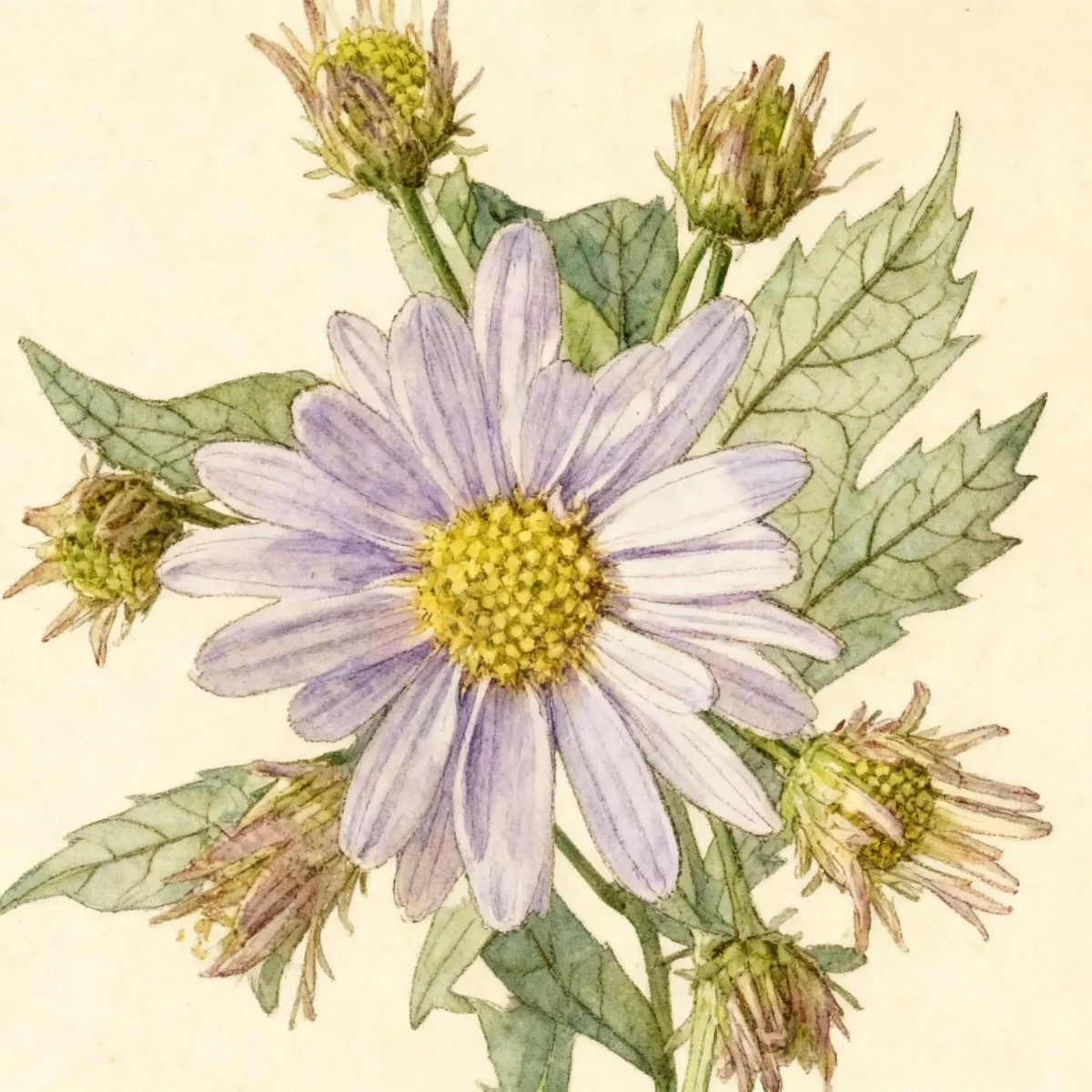
Gymnaster (Gymnaster savatieri)
Discover Gymnaster savatieri, a low-maintenance, rhizomatous perennial from Eastern Asia, prized for its late-season, pale blue aster-like blooms.
Scroll down to discover growing tips, care requirements, companion plants, and more
Complete Plant Information
Overview
The Gymnaster savatieri offers late-season excitement in the perennial border, bringing soft color when many other plants are fading. This rhizomatous perennial stands out due to its structure and the delicate, pale blue or white aster-like flowers it produces near the end of the growing season. Gardeners value Gymnaster for its relatively low requirements and its ability to establish reliably in appropriate conditions.
As an erect plant native to Eastern Asia, Gymnaster savatieri provides mid-level structure (typically 1 to 1.5 feet tall) suitable for the middle or front of established garden beds. Its oblong, hairy leaves provide decent foliage texture throughout the summer months, culminating in the beautiful late bloom show.
This plant is an excellent choice for gardeners seeking uncommon yet reliable structure and color. Its low maintenance profile means that proper initial placement is often the key to long-term success with Gymnaster.
Fast Facts
- Plant Family: Asteraceae
- Plant Type: Herbaceous perennial
- Native Range: Eastern Asia
- Hardiness Zones: USDA Zones 5-7
- Size at Maturity:
- Height: 1-1.5 ft
- Spread: 2-2.5 ft
- Bloom Time: September to October
- Bloom Description: Pale blue or white
- Sun Exposure: Full sun to part shade
- Water Needs: Medium
- Maintenance Level: Low
How to Grow
Planting Gymnaster savatieri should occur in spring or early fall when conditions allow for root establishment. Select a location that provides full sun exposure, though it tolerates part shade well; remember that more shade may lead to fewer blooms. The soil must be average, medium moisture, and crucially, well-drained. Avoid areas where water pools, as this can compromise the rhizomatous structure.
Ongoing care is minimal for this generally tough perennial. Water regularly to maintain medium moisture, especially during extended dry periods in the first year. Fertilization is rarely necessary; excessive richness can lead to floppier growth, diminishing the appeal of this erect plant. No significant thinning or heavy deadheading is typically required.
As a low-maintenance plant, seasonal work primarily involves cutting back the old stems close to the ground either in late fall after they die back, or in early spring before new growth emerges. Since Gymnaster savatieri is quite hardy in USDA Zones 5-7, minimal winter protection is needed. Focus on ensuring soil drainage remains adequate year-round.
Landscape Uses
The structure and late bloom time make Gymnaster savatieri an interesting and uncommon perennial for the border, slotting perfectly into informal cottage or naturalistic plantings. It provides valuable late-season interest when structures built by earlier summer bloomers have begun to fade. Plant groups of three or five to create impactful drifts of pale blue or white.
Because the height maxes out around 1.5 feet, it works beautifully in mixed borders alongside taller asters or ornamental grasses that can provide a contrasting vertical element. It complements plants that prefer similar medium moisture and sun requirements. It is an excellent element for transitional areas leading from a sunny perennial bed toward a partially shaded woodland edge.
If you are seeking fresh cut flowers, this species delivers. Harvest stems when blooms are just beginning to open to maximize vase life. Integrating Gymnaster savatieri into a cutting garden ensures you have reliable, uncommon material available well into the autumn months.
Standout Features
Flower Qualities
- Showy
- Good Cut
Noteworthy Characteristics
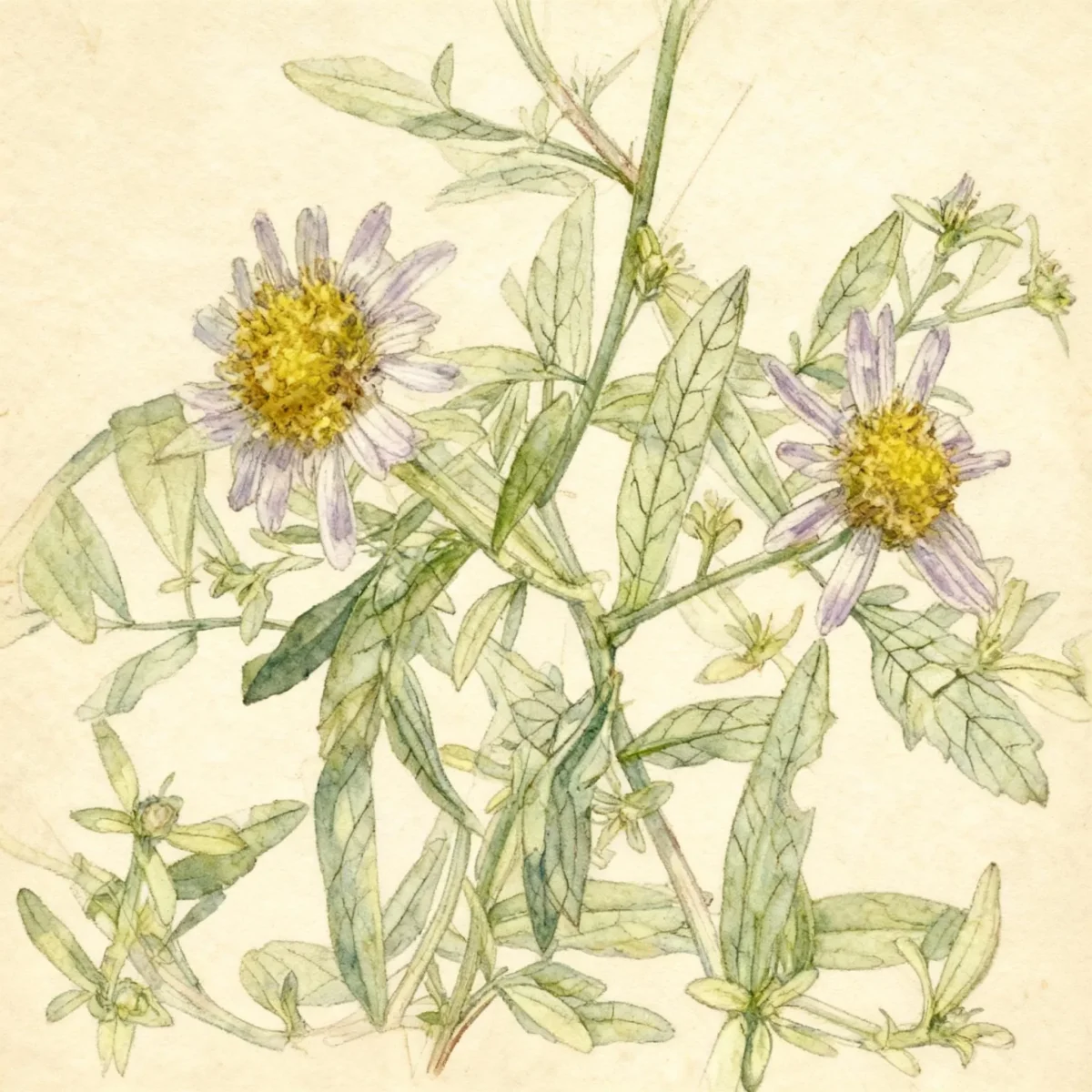
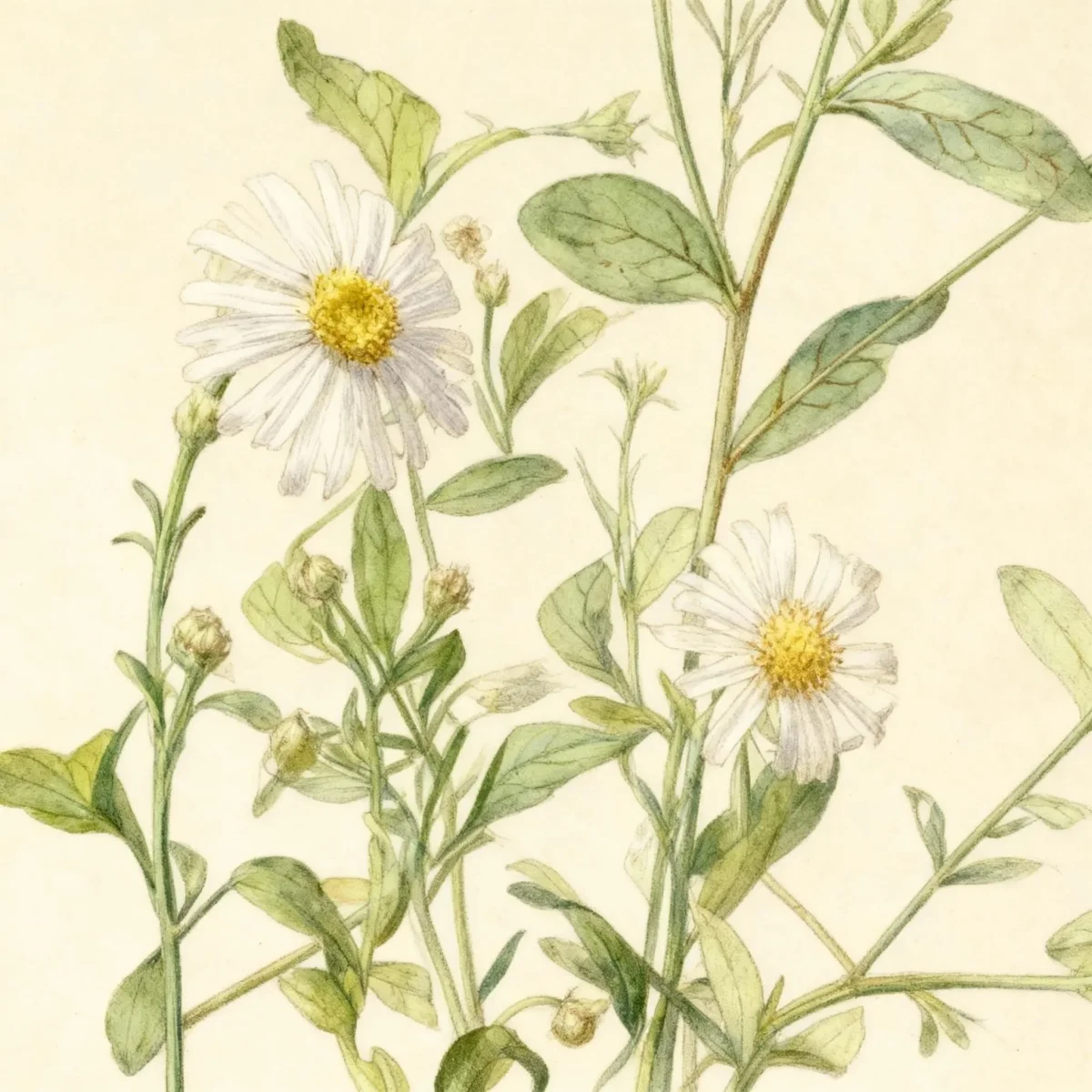
Gymnaster savatieri is an erect, rhizomatous perennial that typically grows 1-1.5’ tall (less frequently to 2’) and features loose clusters of composite, pale blue or white, aster-like flowers (1.5” diameter) and oblong, hairy, closely-toothed leaves. Good fresh cut flower. This plant may also be sold as Aster savatieri.Genus name comes from the Greek gymnos meaning naked and Aster for the pappusless achenes. These unique characteristics make it a choice specimen for late-season display.
Tolerances
No data provided.
Potential Problems
This plant is noted for having no serious insect or disease problems, which significantly contributes to its appeal as a low-maintenance addition. Gardeners should remain vigilant against common fungal issues like powdery mildew, particularly if planting Gymnaster in areas with poor air circulation or excessive overhead watering. Good cultural practices, such as ensuring well-drained soil as recommended, will prevent the most common cultural issues.
Frequently Asked Questions
What hardiness zones is Gymnaster suitable for?
Gymnaster savatieri is generally suitable for gardeners located within USDA Hardiness Zones 5 through 7.
How large does Gymnaster grow?
Mature height typically ranges between 1 and 1.5 feet tall, while the spread is usually between 2 and 2.5 feet wide.
When does Gymnaster bloom?
This perennial offers blooms from September into October, featuring attractive pale blue or white flower heads.
What sun exposure does Gymnaster need?
For best performance, Gymnaster requires full sun to part shade conditions.
Conclusion
The Gymnaster savatieri is a valuable, unassuming herbaceous perennial renowned for its late-season contribution of pale, attractive blooms and its exceptionally low maintenance needs. Integrating Gymnaster into your garden plan provides reliable structure and color when summer fades. Before planting, confirm your garden falls within Zones 5-7 and ensure the location offers the required medium moisture in well-drained soil.
Essential Companion Planting
When designing a border featuring Gymnaster savatieri, focus on complementary textures and bloom times. Companion plants requiring full sun to part shade and medium moisture thrive alongside this species. Consider taller, late-blooming ornamental grasses, such as Calamagrostis (Feather Reed Grass), whose upright plumes contrast beautifully with the spreading habit of the Gymnaster.
For color companions that bloom concurrently in September and October, pair Gymnaster savatieri with Sedums (Hylotelephium) in deep reds or purples, creating an intentional contrast between the pale blue flowers and the rich autumnal tones of the sedums. Avoid plants requiring consistently dry or consistently boggy conditions, as these will stress the medium-water needs of the Gymnaster.
Seasonal Care Calendar
Early spring is the optimal time to tidy up planting areas for Gymnaster savatieri. Cut back the dead stalks from the previous year once new growth begins emerging from the crown, ensuring you do not damage the new shoots. Throughout the spring and summer, monitor water needs, ensuring consistent medium moisture, particularly if the plant is sited in full sun.
Mid-summer requires little intervention; this is when the plant focuses on foliage development before its late show. If the plant appears weak or the blooms suffer, a late spring feed with a balanced, slow-release fertilizer can be beneficial, though often unnecessary due to the low maintenance nature of Gymnaster.
Fall brings the key ornamental display of Gymnaster savatieri. As blooms fade in late October, you can choose to leave the seed heads for winter interest or cut the entire plant back to the ground after the first hard frost signals dormancy. This preparation ensures a clean slate for new growth the following spring.