Leucanthemella (Leucanthemella serotina)
Leucanthemella serotina is a low-maintenance perennial shrub offering late-season color with large daisy-like white flowers.
Scroll down to discover growing tips, care requirements, companion plants, and more
Complete Plant Information
Overview
Leucanthemella serotina is a valuable herbaceous perennial known for bringing substantial, late-season interest to the garden border when many other plants are fading. This robust grower, commonly known as Leucanthemella, is celebrated for its large, classic daisy-like flowers that burst forth reliably from September into October. Its upright, bushy structure provides reliable vertical accentuation, making the blooming Leucanthemella serotina a crucial component for sustained autumn color.
These plants establish quickly, reaching impressive heights of 3 to 6 feet tall, drawing the eye to the rear of perennial beds. They require relatively little effort once established, fitting perfectly into low-maintenance gardening schemes. The combination of dark green foliage and bright white blooms makes Leucanthemella an excellent late-summer structural addition.
Cultivating Leucanthemella serotina ensures you have reliable height and bloom time to bridge the gap between summer perennials and true fall bloomers. Its straightforward cultural needs and strong performance make it an ideal choice for experienced gardeners and confident beginners alike.
Fast Facts
- Plant Family: Asteraceae
- Plant Type: Herbaceous perennial
- Native Range: Europe to central Asia
- Hardiness Zones: USDA Zones 4-9
- Size at Maturity:
- Height: 3-6 ft
- Spread: 1.5-2.5 ft
- Bloom Time: September to October
- Bloom Description: White with greenish-yellow centers
- Sun Exposure: Full sun
- Water Needs: Medium
- Maintenance Level: Low
How to Grow
For the best establishment and flowering performance, plant Leucanthemella in the spring after the danger of hard frost has passed. Locate this perennial where it receives full sun, though it tolerates partial shade well, especially in hotter climates. Leucanthemella thrives in average, medium, well-drained soil.
Water needs are medium; aim for consistent moisture, especially during dry spells in the first year. Notably, Leucanthemella serotina tolerates moist conditions better than many other members of the Leucanthemum group, which offers flexibility in soil planning. Minimal fertilization is usually required; overly rich soil can lead to weak, floppy stems if not managed.
Maintenance is generally low for this vigorous plant. Deadheading spent flowers is optional but can tidy the appearance as the season wanes. Due to its height, some gardeners may stake the rigid stems preventatively, although the plant usually stands well unsupported. Cut back the faded foliage and stems to the ground in late autumn or early spring before new growth emerges.
Landscape Uses
The impressive height of Leucanthemella serotina instantly qualifies it as a premier plant for the rear of mixed perennial borders. Its vertical habit serves as an excellent backdrop for shorter, mid-border favorites like asters or sedums, creating depth and structure that lasts until frost.
Beyond traditional beds, this variety is highly valued in cutting gardens. The sturdy stems bearing large, showy flowers are excellent additions to late-season bouquets, providing that quintessential daisy structure in autumnal arrangements. Consider using several specimens throughout the landscape to repeat the bright white element, connecting disparate planting areas.
Pair Leucanthemella with other late-season structural plants like tall ornamental grasses or late-blooming heleniums that appreciate similar sun and soil profiles. The clear white flowers contrast beautifully against the deep purples, bronzes, and reds typical of autumn color schemes.
Standout Features
Flower Qualities
- Showy
Noteworthy Characteristics
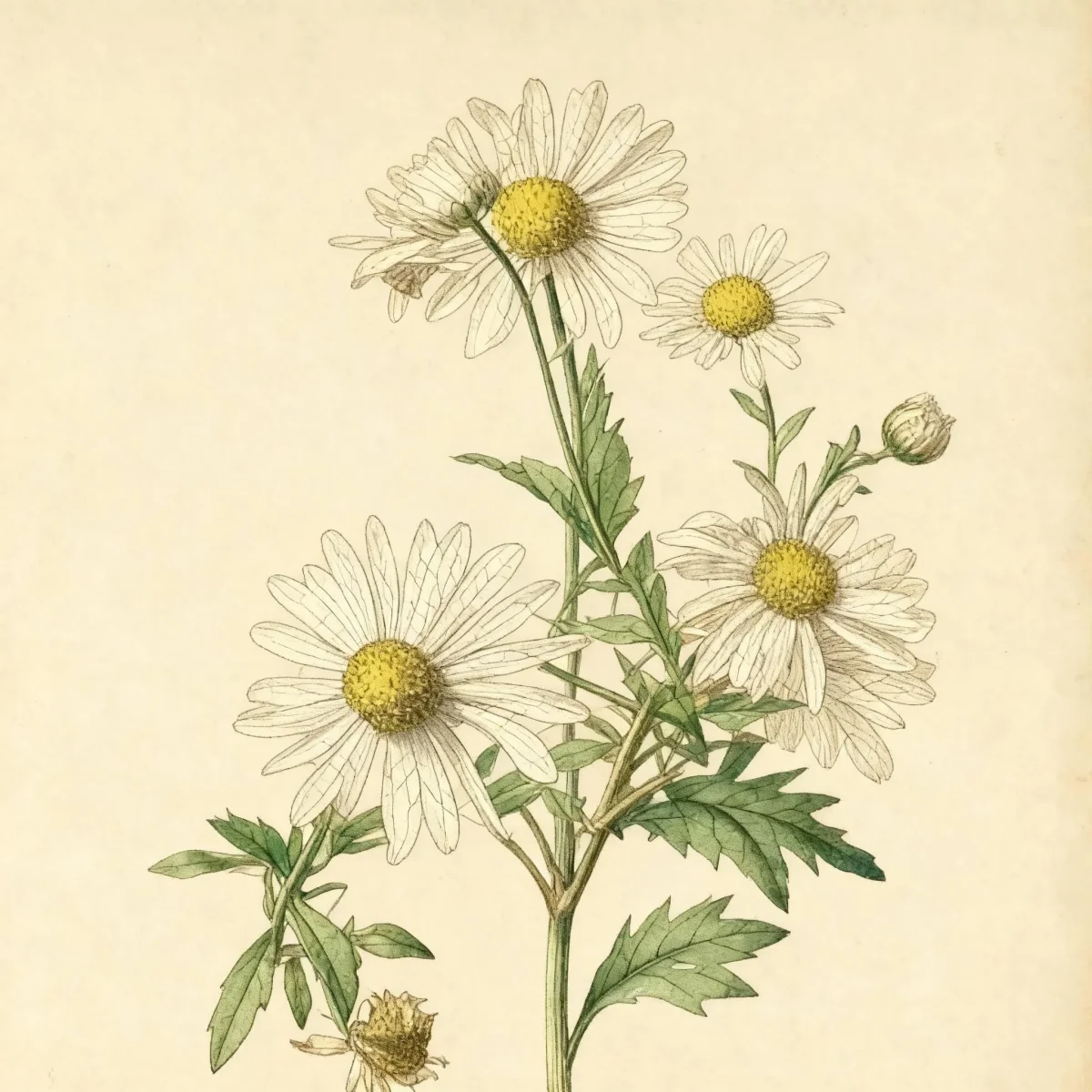
Leucanthemella serotina is a bushy, upright, clump-forming perennial which features large, daisy-like white flowers (to 3” across) with greenish-yellow centers in late summer to autumn. Flowers appear singly or in sprays (loose corymbs) on rigid stems typically rising to 3-5’ tall (less frequently to 7’). Lance-shaped to elliptic, coarsely toothed, dark green leaves (3-5” long). Synonymous with Chrysanthemum serotinum and Chrysanthemum uliginosum. Specific epithet means late in flowering or ripening.
Tolerances
Potential Problems
This plant is generally resilient, exhibiting no serious insect or disease problems under ideal growing conditions. Slugs and thrips are occasional visitors, particularly if the plant is stressed or conditions are overly damp and shaded. Monitor young growth for slug damage.
As noted, these perennials usually do not require staking if grown in full sun with adequate drainage. Ensure your placement avoids excessively heavy, waterlogged soils which can lead to root issues over time. Good air circulation helps keep foliage healthy throughout the late season.
Frequently Asked Questions
What hardiness zones is Leucanthemella suitable for?
This reliable perennial is suitable for USDA Hardiness Zones 4 through 9.
How large does Leucanthemella serotina grow?
Leucanthemella serotina typically reaches a height between 3 and 6 feet, spreading moderately between 1.5 and 2.5 feet wide.
What sun exposure does Leucanthemella need?
Full sun is the preferred condition for optimal flowering, though Leucanthemella serotina can tolerate part shade locations.
When does Leucanthemella bloom?
This specific variety is prized for its late bloom time, flowering from September well into October, presenting white flowers backed by greenish-yellow centers.
Conclusion
The sheer size and stunning late-season presence of Leucanthemella serotina make it an indispensable plant for extending the gardening year without increasing labor. Its reliable performance and striking structure solidify the value of Leucanthemella in any robust perennial design. Before planting, confirm your site provides the required full sun and well-drained soil conditions suitable for USDA Zones 4-9.
Companion Planting
Selecting appropriate neighbors helps maximize the visual impact of Leucanthemella serotina. Because it flowers later in the season, companion plants should either have strong summer foliage that provides structure after they finish blooming, or equally robust late-season color. Try pairing the white blooms of Leucanthemella with tall ornamental grasses, such as Miscanthus cultivars, whose plumes offer texture and movement.
Deeper-toned perennials that bloom concurrently, like various Sedums (especially the taller varieties like ‘Autumn Joy’) or late-flowering hardy asters in blues and violets, provide excellent complementary color contrast to the white flower heads of the Leucanthemella. Ensure companions have similar water needs (medium) for easier maintenance.
Propagation Tips
The most straightforward method for increasing your stock of Leucanthemella serotina is through division. As a clump-forming perennial, the root mass eventually becomes dense, which can sometimes reduce flowering vigor over many years. Division should ideally be performed in early spring before new shoots begin to emerge, or possibly in fall after the foliage has died back.
Carefully dig up the entire clump and gently separate sections using a sharp spade or garden fork. Ensure each new division retains a healthy amount of roots and several growth buds. Replant the divisions immediately at the same depth in prepared soil, watering them in thoroughly to reduce transplant shock.