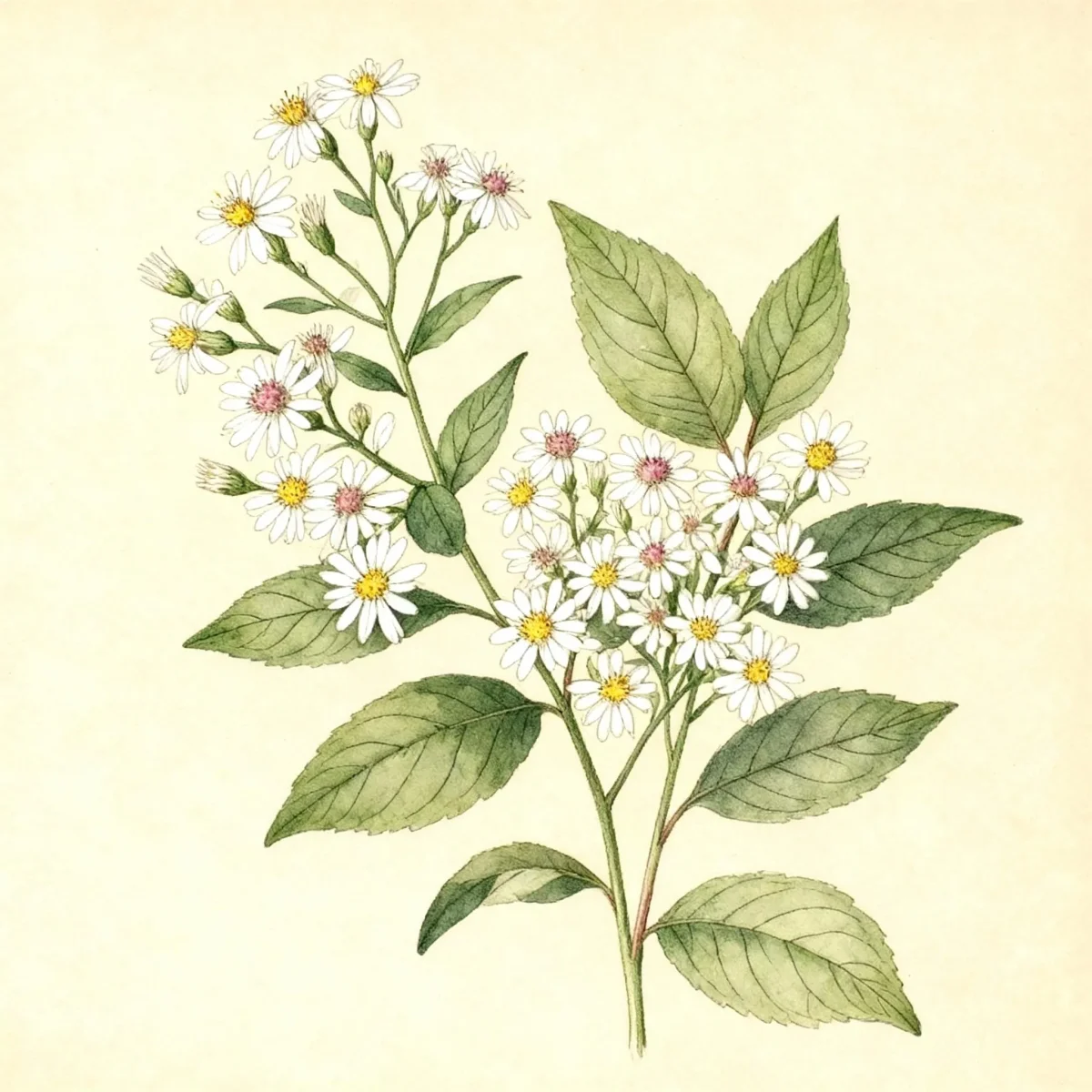
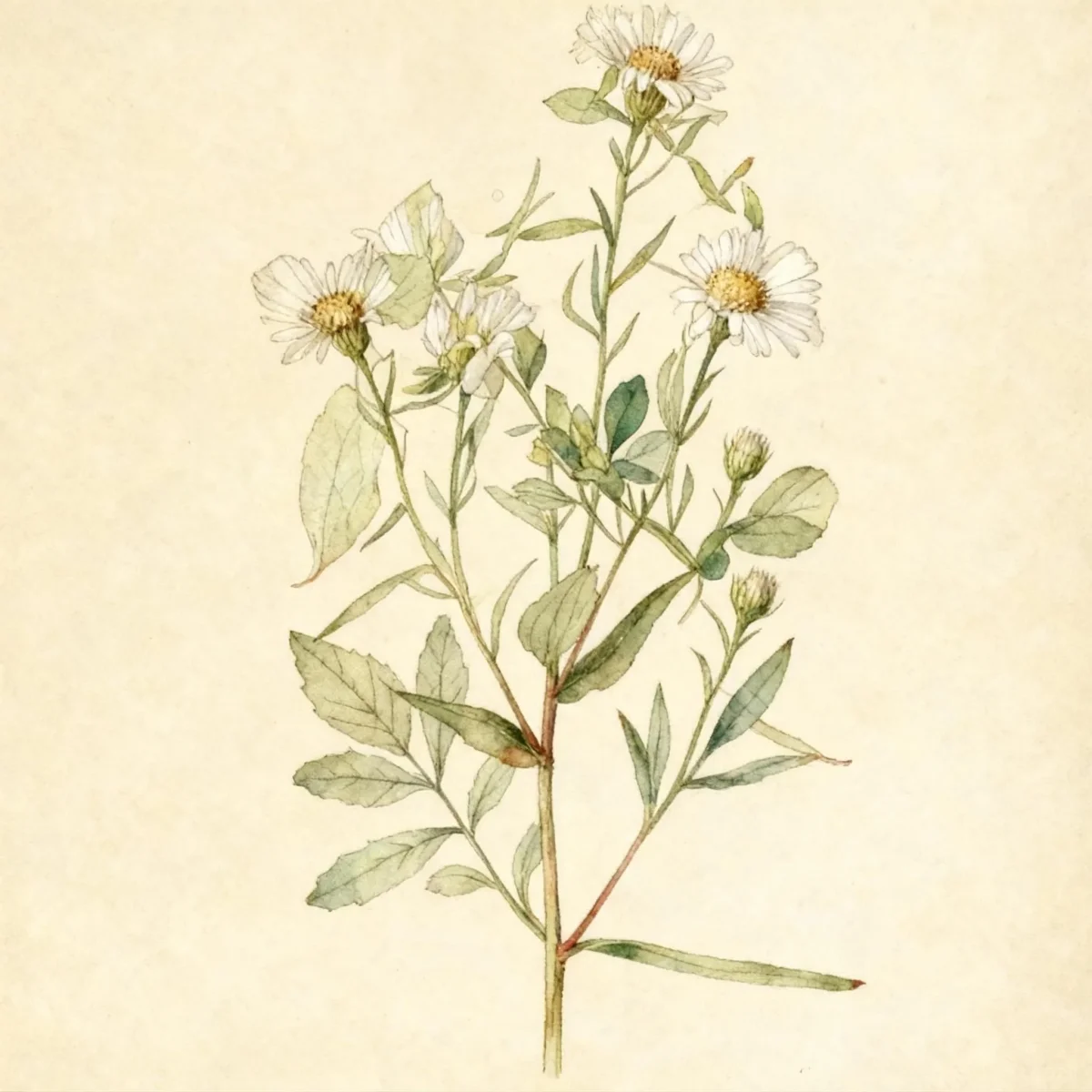
Shredded umbrella plant (Syneilesis aconitifolia)
Discover Syneilesis aconitifolia, the Shredded umbrella plant, prized for its unique, slowly opening, dissected foliage perfect for woodland gardens.
Scroll down to discover growing tips, care requirements, companion plants, and more
Complete Plant Information
Overview
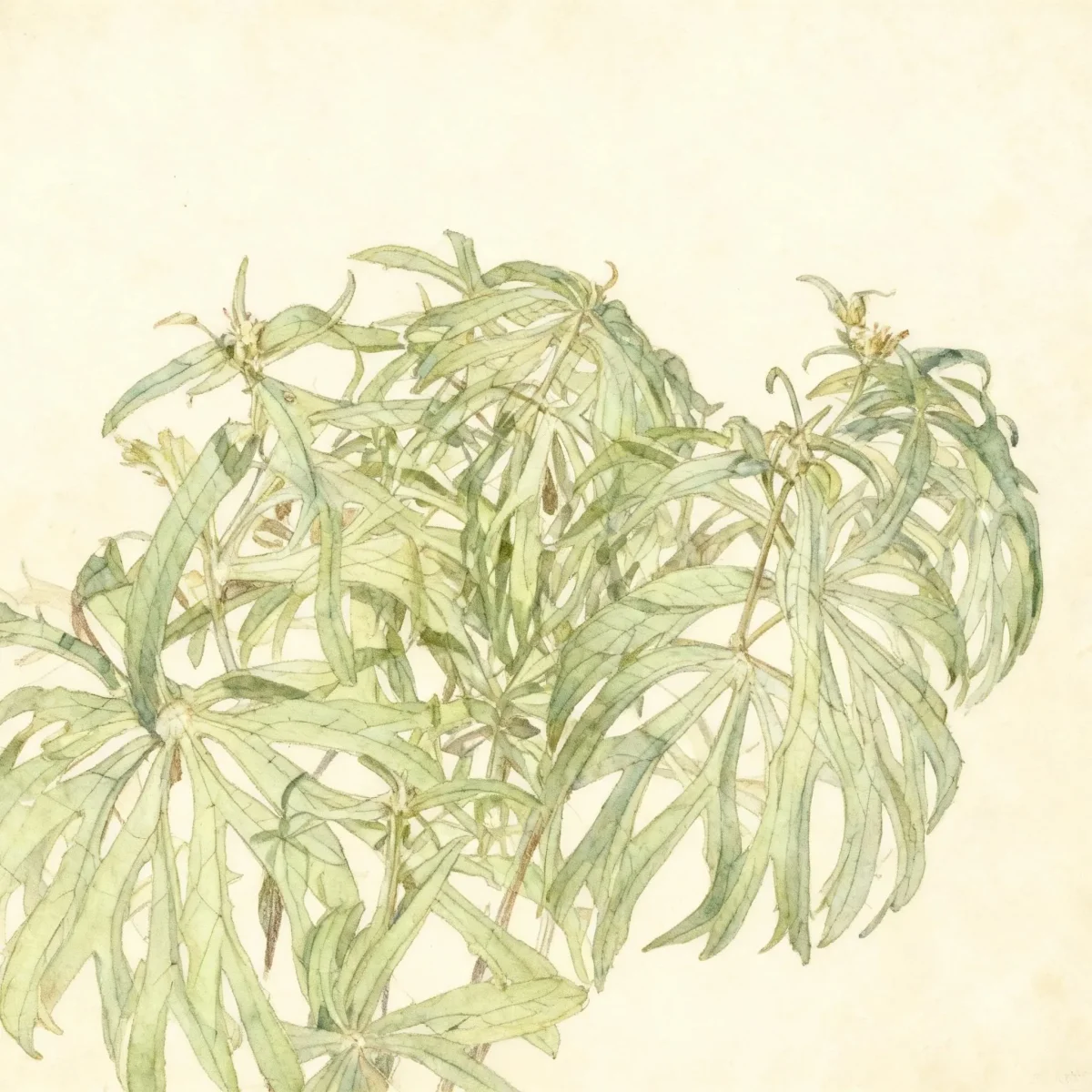
The Shredded umbrella plant, botanically known as Syneilesis aconitifolia, offers unparalleled architectural interest in shaded landscape settings. This herbaceous perennial is primarily celebrated for its dramatic foliage, which emerges uniquely in the spring resembling small, silvery, unopened umbrellas. As the season progresses, the leaves unfurl into large, deeply dissected segments, giving the Shredded umbrella plant its distinctive common name.
Native to the cool temperate forests of East Asia, Syneilesis aconitifolia thrives where many other perennials struggle—namely, in dappled light. Its low maintenance requirements and ability to spread gently via creeping rhizomes make it an excellent long-term feature for woodland gardens. Gardeners value this plant for creating texture and structure beneath taller trees, often using it as a striking specimen.
While it does produce small pinkish-white flowers in mid-summer, the true appeal of the Shredded umbrella plant lies in its foliage texture and form throughout the growing season. It provides a medium-to-dark green canopy that offers reliable seasonal structure with minimal fuss once established.
Fast Facts
- Plant Family: Asteraceae
- Plant Type: Herbaceous perennial
- Native Range: Central and eastern temperate Asia
- Hardiness Zones: USDA Zones 4-8
- Size at Maturity:
- Height: 1.5-3 ft
- Spread: 1.5-2 ft
- Bloom Time: June to July
- Bloom Description: Pinkish-white
- Sun Exposure: Part shade to full shade
- Water Needs: Medium
- Maintenance Level: Low
How to Grow
Planting the Shredded umbrella plant is best done in the spring or early fall, allowing the rhizomes time to establish before extreme weather hits. Locate it in areas receiving part shade, although it happily tolerates full shade, which keeps the leaf margins cleanest. The soil must be rich, moist, and most importantly, well-drained. If you have cool summers, Syneilesis aconitifolia can even tolerate a bit of full sun, provided moisture is consistently supplied.
Care for this perennial is generally simple. Maintain medium moisture levels, especially during establishment; while it possesses some drought tolerance once the plant is mature, consistent moisture enhances leaf size and vigor. Fertilizing is rarely necessary if planted in rich, humusy woodland soil. Pruning is minimal; usually, cleanup involves removing any tattered leaves at the very end of the season or very early spring before new growth emerges.
As an easily naturalizing species, allow the creeping rhizomes room to spread, forming colonies over time. This natural tendency makes dividing established clumps simple if you wish to propagate or control its spread. For winter preparation, little is required beyond ensuring the area is debris-free, as the plant manages cold conditions well within its appropriate hardiness range.
Landscape Uses
The primary suggested use for Syneilesis aconitifolia in the landscape is to naturalize it within woodland settings or shady borders. Its unique foliage transforms dimly lit areas, acting as a fantastic textural contrast against ferns or hostas with solid leaf patterns. Consider planting the Shredded umbrella plant as a specimen where its unique emerging habit can be admired up close in spring.
As a spreading perennial, it excels at filling in gaps under taller, high-canopied trees, creating a self-sustaining living ground cover that doesn’t aggressively choke out neighbors. Use it in mass plantings to create a strong textural statement rather than using singular specimens dotted around the garden. Though potentially difficult to source commercially, the effort is rewarding for creating sophisticated, low-maintenance shade gardens.
Standout Features
Flower Qualities
- Showy
Noteworthy Characteristics
Syneilesis aconitifolia, commonly called shredded umbrella plant, is an herbaceous perennial of the aster family that is native to hillside forest margins and slopes in China, Korea, Japan and eastern Russia. This is a unique and beautiful plant that is primarily grown in shaded areas for its attractive foliage. Peltate leaves on stiff stems pop out of the ground in spring in a manner reminiscent of mayapples (Podophyllum). Each young leaf resembles a small, upright, unopened umbrella covered with attractive, silvery-white, woolly hairs. As the young leaves grow larger, the silvery-white hairs disappear as each leaf slowly opens like an umbrella into 7-9 palmately-parted deeply-dissected segments (forked divisions with serrated edges). Dinner plate-sized mature leaves (each to 10” across) purportedly resemble shredded umbrellas, hence the common name.
Tolerances
- Drought
Potential Problems
This species reports no serious insect or disease problems, making it an exceptionally strong choice for low-pesticide gardening. Gardeners should focus predominantly on meeting its soil and water requirements rather than scouting for pests or pathogens. Ensure excellent drainage to prevent any root issues related to overly saturated winter soil, which is the most common stressor for this otherwise robust plant.
Frequently Asked Questions
What hardiness zones is Shredded umbrella plant suitable for?
The Shredded umbrella plant (Syneilesis aconitifolia) is hardy and suitable for USDA Zones 4 through 8.
How large does Shredded umbrella plant grow?
This perennial typically reaches a height between 1.5 and 3 feet tall, with a spread generally ranging from 1.5 to 2 feet wide.
When does Syneilesis aconitifolia bloom?
Syneilesis aconitifolia produces its pinkish-white blooms primarily during the months of June and July.
What sun exposure does Syneilesis aconitifolia need?
This plant prefers part shade to full shade conditions, thriving best in sun-dappled woodland environments.
Conclusion
For gardeners seeking unique foliage and low-maintenance performance in shaded conditions, Syneilesis aconitifolia is an outstanding selection. The fascinating transformation of the Shredded umbrella plant from an upright silver bud to a large, dissected canopy offers seasonal drama unlike many other shade lovers. Check your local USDA zone compatibility and plan to plant this interesting perennial in rich, well-drained soil this coming fall or spring.
Companion Planting
When selecting companions for Syneilesis aconitifolia, focus on plants that share its love for rich, moist, well-drained soil and part to full shade. Classic woodland partners work exceptionally well, enhancing the architectural effect of the shredded foliage. Consider using low-growing Hosta varieties with contrasting smooth, blue, or gold leaves to emphasize the feathery texture of the umbrella plant.
Ferns provide excellent textural balance; look toward Japanese Painted Ferns for subtle silver highlights that complement the young spring growth of the Syneilesis aconitifolia. Groupings of woodland Phlox or Brunnera also work well beneath the canopy, providing complementary spring color that fades as the foliage of the main plant reaches its mature size.
Design Ideas for Shaded Borders
The low maintenance level and spreading habit of the Shredded umbrella plant lend themselves perfectly to designing naturalized, informal borders. Use its naturalizing tendency to create soft edges along woodland paths where its leaves can partially overhang the walkway. Ensure you leave space for its eventual 2-foot spread, as crowding can diminish the unique presentation of the individual mature leaves.
In contemporary shade gardens, use Syneilesis aconitifolia alongside specimen plantings of Japanese Forest Grass (Hakonechloa macra) for movement. The fine, weeping blades of the grass contrast beautifully with the broad, segmented leaves of the umbrella plant. This combination requires minimal input beyond seasonal cleanup, creating a sophisticated tapestry of greens and textures throughout the summer months.