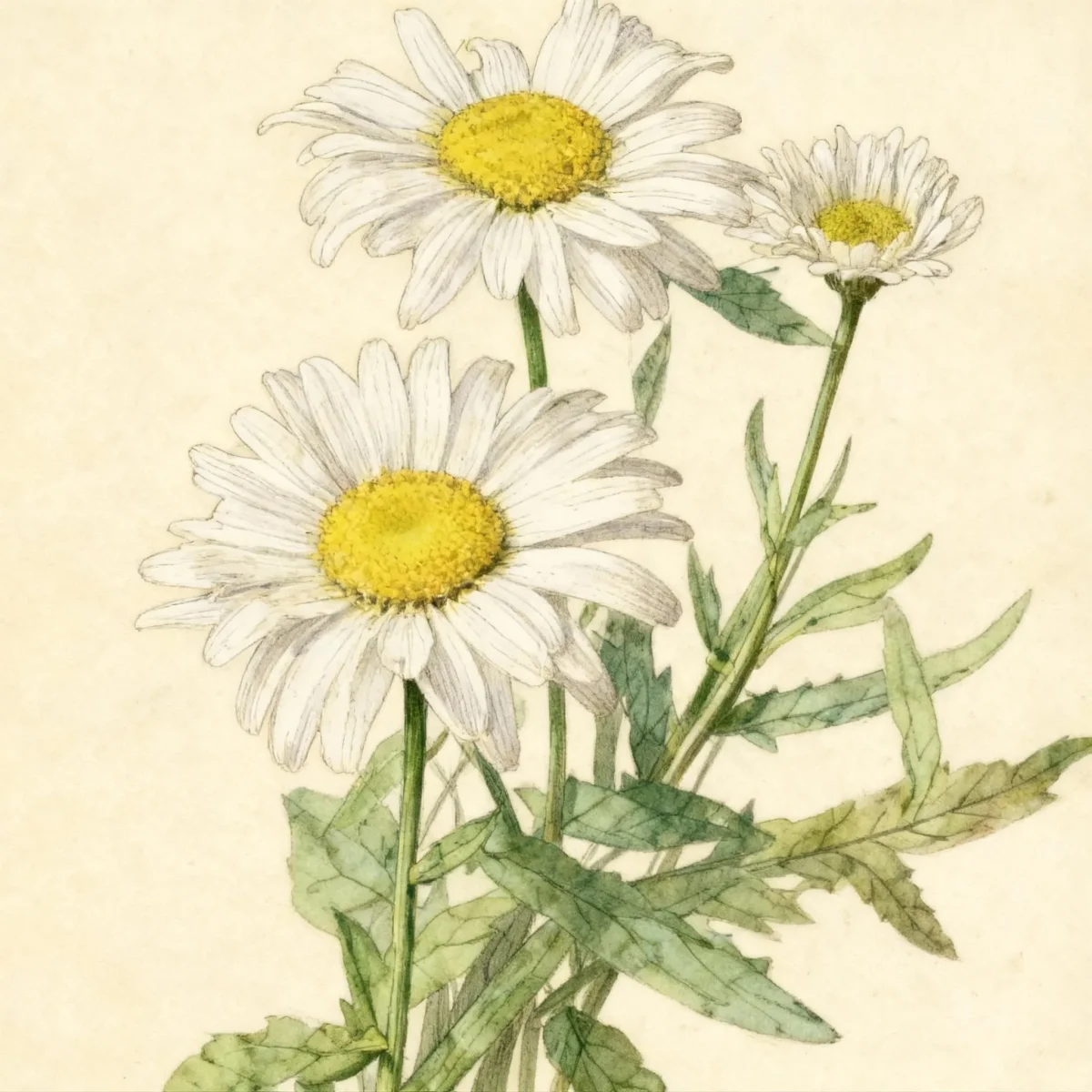
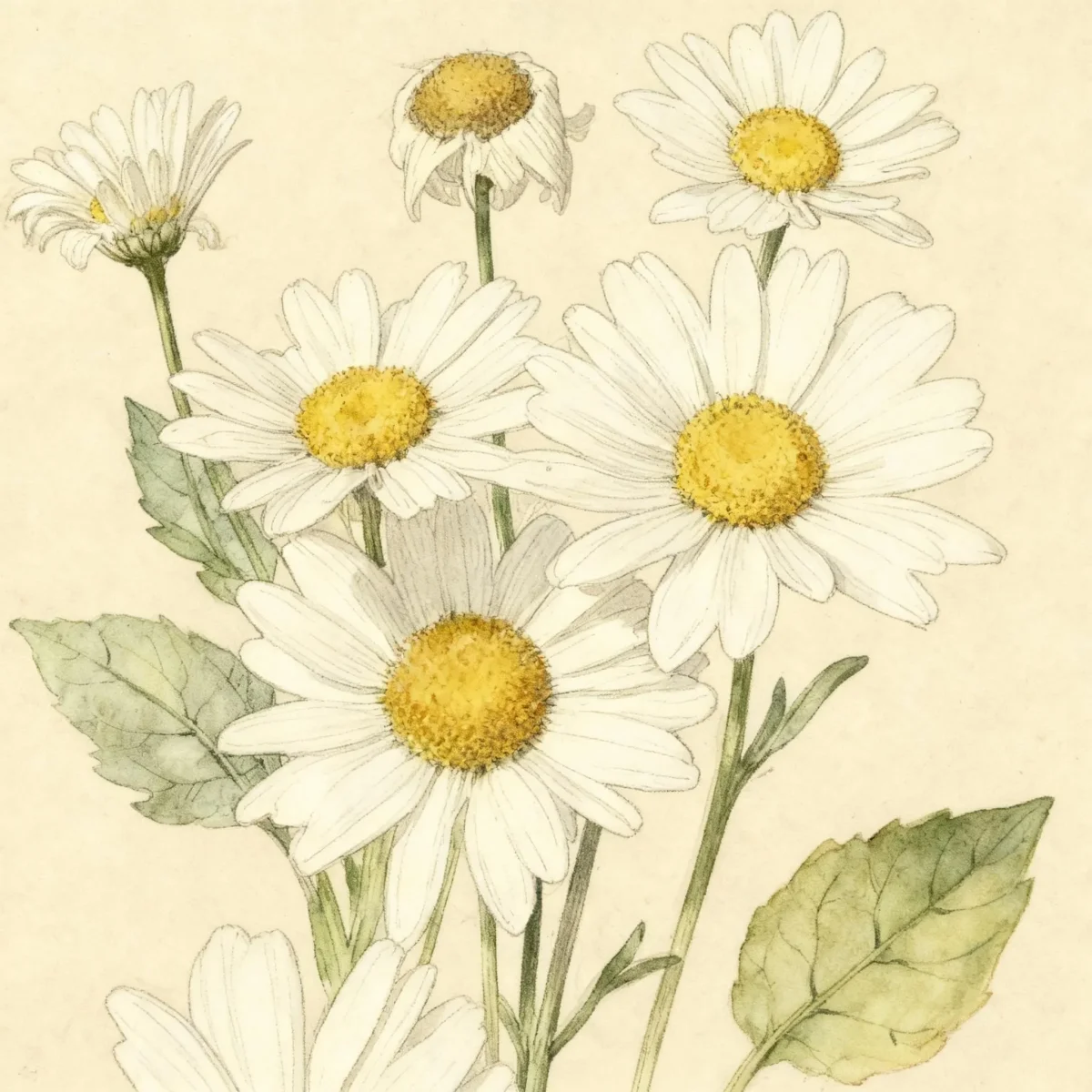
Nippon daisy (Nipponanthemum nipponicum)
The late-season Nippon daisy (Nipponanthemum nipponicum) offers showy white late blooms and thrives in dry, full sun locations, requiring low maintenance.
Scroll down to discover growing tips, care requirements, companion plants, and more
Complete Plant Information
Overview
The Nippon daisy, scientifically known as Nipponanthemum nipponicum, stands out in the late-season garden, providing crisp white blooms when many other perennials are fading. This shrubby perennial from the Asteraceae family offers a valuable splash of color as summer transitions into fall. Its distinctive flowers feature bright white rays contrasting beautifully with green center disks.
Nipponanthemum nipponicum is highly valued for its resilience in dry conditions once established, making it an excellent choice for challenging, sunny spots. Gardeners appreciate its combination of glossy, dark green foliage and late, reliable flowering. The resulting bloom display of the Nippon daisy brings light to the autumnal landscape.
Reaching a manageable size of 1.5 to 3 feet, this plant is versatile, though it does benefit from strategic placement due to potential lower stem bareness. Growing Nipponanthemum nipponicum generally involves minimal effort, aligning well with low-maintenance gardening schemes while rewarding the gardener with excellent fresh-cut flowers.
Fast Facts
- Plant Family: Asteraceae
- Plant Type: Herbaceous perennial
- Native Range: Japan
- Hardiness Zones: USDA Zones 5-9
- Size at Maturity:
- Height: 1.5-3 ft
- Spread: 1.5-3 ft
- Bloom Time: September to October
- Bloom Description: White rays with green center disk
- Sun Exposure: Full sun
- Water Needs: Dry
- Maintenance Level: Low
How to Grow
Plant the Nippon daisy in an average, well-drained soil location to ensure longevity. This species thrives in full sun, although it will tolerate light shade, especially where summers are intensely hot. Planting is best done in spring, allowing the plant sufficient time to establish a strong root system before the stress of summer heat or winter cold arrives.
This perennial is remarkably easy to care for, classifying as low maintenance. Due to its drought tolerance, supplemental watering is rarely needed once the initial establishment period is over, provided the soil drains adequately. Avoid wet feet, which can lead to stem rots. Fertilizing is usually unnecessary in average soils.
For optimal shape and bushiness, new growth of Nipponanthemum nipponicum can be lightly pruned or “pinched” back in the spring. Regularly removing spent flower heads throughout the bloom season encourages continuous flowering right up until the first hard frost. To maintain vigor and prevent overcrowding in older clumps, plan to divide your Nippon daisy every two to three years.
Landscape Uses
Nippon daisies are primarily used where reliable late-season structure and color are required. They excel as mid-border plants, provided the site meets their specific requirement for dry soil. A key consideration for using Nipponanthemum nipponicum effectively is managing its tendency to lose its lower foliage as the season progresses.
To conceal the bare lower stems, strategically plant shorter, denser perennials in front of the Nippon daisy. Good companion choices include late-blooming salvias, sturdy sedums, or low-growing ornamental grasses that provide continuous ground cover. This layering technique ensures a polished look throughout the entire growing period.
Beyond the mixed border, the highly attractive blooms of the Nippon daisy make them a superb candidate for cutting gardens. Their thick stems and long vase life offer dependable floral material when autumn arrangements are planned.
Standout Features
Flower Qualities
- Showy
- Good Cut
Noteworthy Characteristics
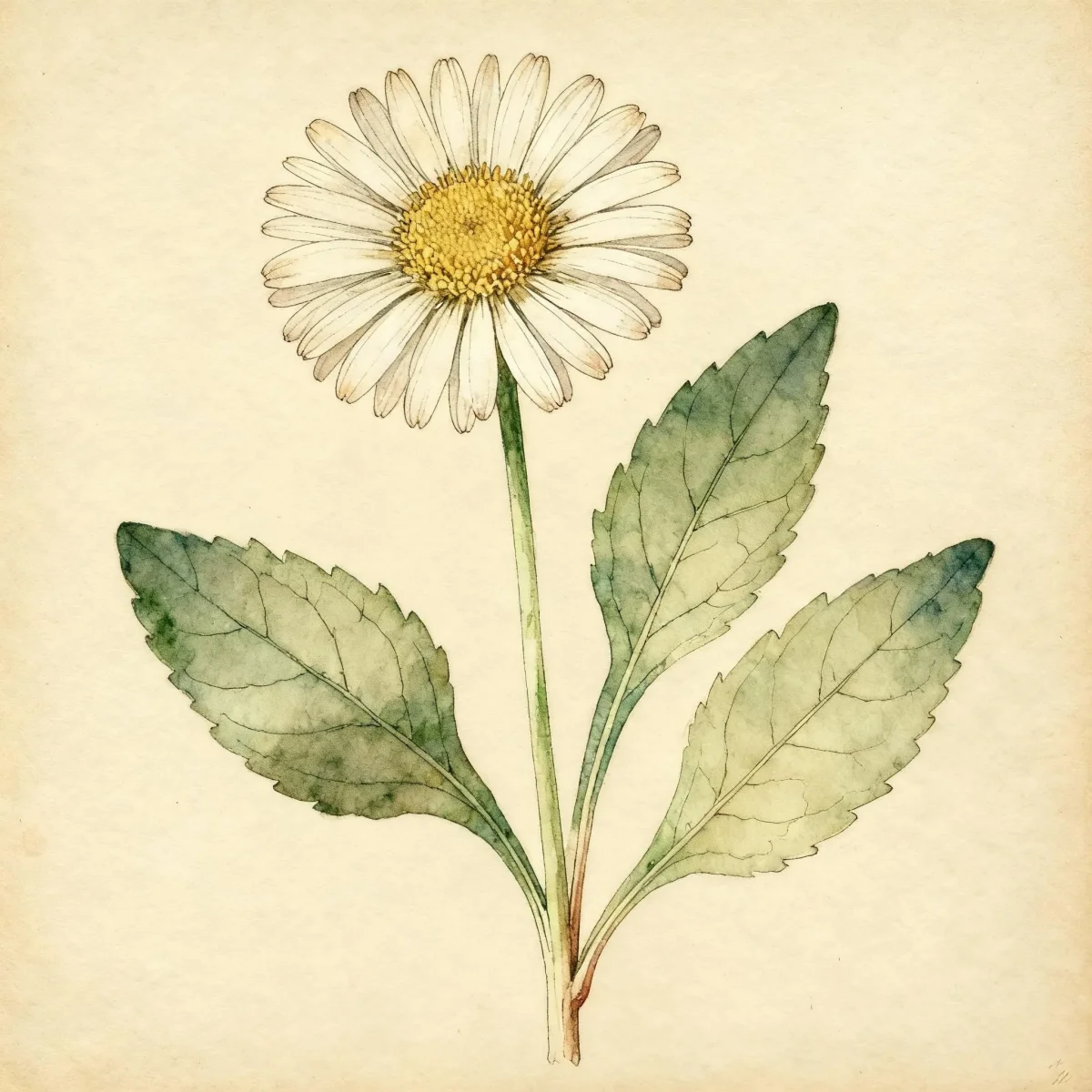
Nipponanthemum nipponicum, commonly called Nippon daisy, is a shrubby perennial which grows 1.5-3’ tall. Features 2-3” diameter flower heads with white rays and green center disks that appear in the fall on long stalks. The foliage is characterized by thick, oblong, coarsely-toothed, glossy, dark green leaves up to 3.5” long. The genus name combines Nippon (a name for Japan) with chrysanthemum, reflecting its origins.
Tolerances
- Drought
Potential Problems
The Nippon daisy is generally robust, experiencing no serious insect or disease problems under ideal growing conditions. Infrequent issues may include leaf spots, especially in humid conditions, or damage from leaf miners.
Management focuses primarily on cultural practices. Ensuring full sun exposure and excellent soil drainage are the best preventative measures against fungal issues like leaf spot and stem rots. If leaf miners appear, they primarily affect aesthetics rather than plant health; prompt removal of affected leaves can help control localized outbreaks.
Frequently Asked Questions
What hardiness zones is Nippon daisy suitable for?
Nipponanthemum nipponicum performs best in USDA Zones 5 through 9, offering reliable perennial performance across these ranges.
How large does Nippon daisy grow?
This plant typically reaches heights between 1.5 and 3 feet, with a comparable spread of 1.5 to 3 feet at maturity.
When does Nippon daisy bloom?
The Nippon daisy provides its signature late color from September through October, displaying its white rays with green center disks.
What sun exposure does Nippon daisy need?
Full sun is the preferred condition for optimal growth and prolific flowering of Nipponanthemum nipponicum.
Conclusion
The Nippon daisy offers gardeners a low-maintenance solution for vibrant, late-season color, highlighted by its drought tolerance and attractive white flowers. Incorporating Nipponanthemum nipponicum into your landscape provides crucial structure as cooler weather settles in. Before planting, confirm your garden location falls within USDA Zones 5-9 and that it receives plenty of sun.
Companion Planting
Successfully growing Nippon daisy relies on pairing it with plants that appreciate similar cultural conditions, particularly dry soil and full sun exposure. Look for companions that naturally fill in the space below the daisy’s height to create a unified border display. Good choices include many drought-tolerant Mediterranean herbs or robust ornamental grasses that offer fine texture contrast.
Consider late-blooming Sedum varieties, such as those in the Hylotelephium group, as excellent partners. Their fleshy leaves and flat flower heads provide textural diversity while sharing the need for sharp drainage. Avoid planting moisture-loving species right next to Nipponanthemum nipponicum, as this can lead to overwatering stress for the daisy.
Seasonal Care Calendar
Spring is the critical time for shaping the Nippon daisy. Cut back winter remnants and perform a light shearing of the new growth to encourage a denser, bushier habit rather than leggy stems. This small intervention maximizes the floral output later in the season.
Summer care is generally hands-off due to the plant’s dry water needs. Focus maintenance efforts on deadheading spent blooms throughout September and October. Removing these faded flowers ensures the plant directs energy toward producing new buds, extending the colorful season of the Nippon daisy.