Chamomile (Chamaemelum nobile)
Chamaemelum nobile is a low-growing perennial forming an aromatic mat, excellent as scented ground cover or lawn substitute.
Scroll down to discover growing tips, care requirements, companion plants, and more

Complete Plant Information
Overview
Chamaemelum nobile, widely known as Roman chamomile, is a highly valued, low-growing evergreen perennial prized for its spreading habit and intensely aromatic foliage. This plant forms a dense, attractive mat, making it a beautiful, textured addition to garden spaces where its scent can be released upon light disturbance. It is scientifically known as Chamaemelum nobile and is distinct from its taller German cousin.
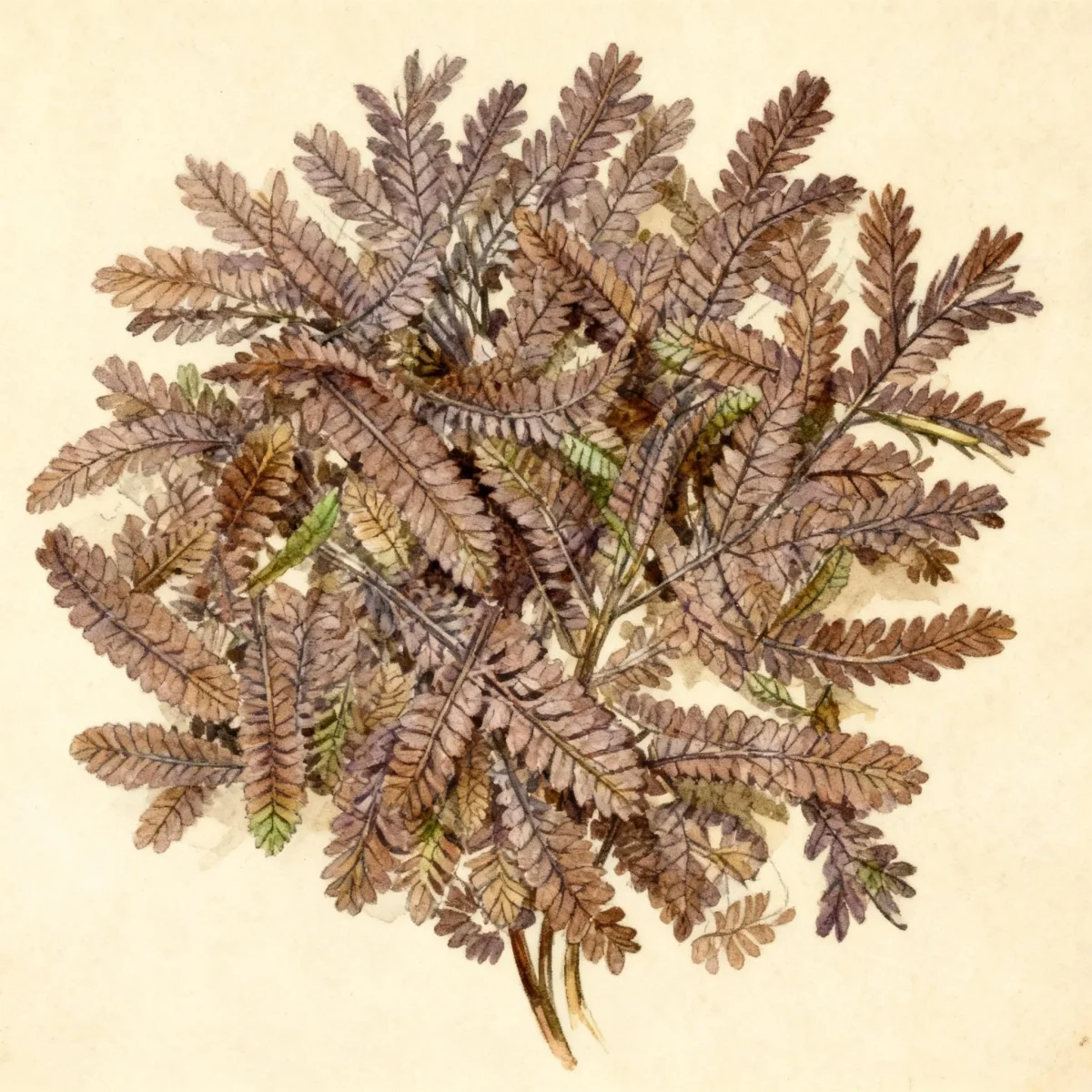
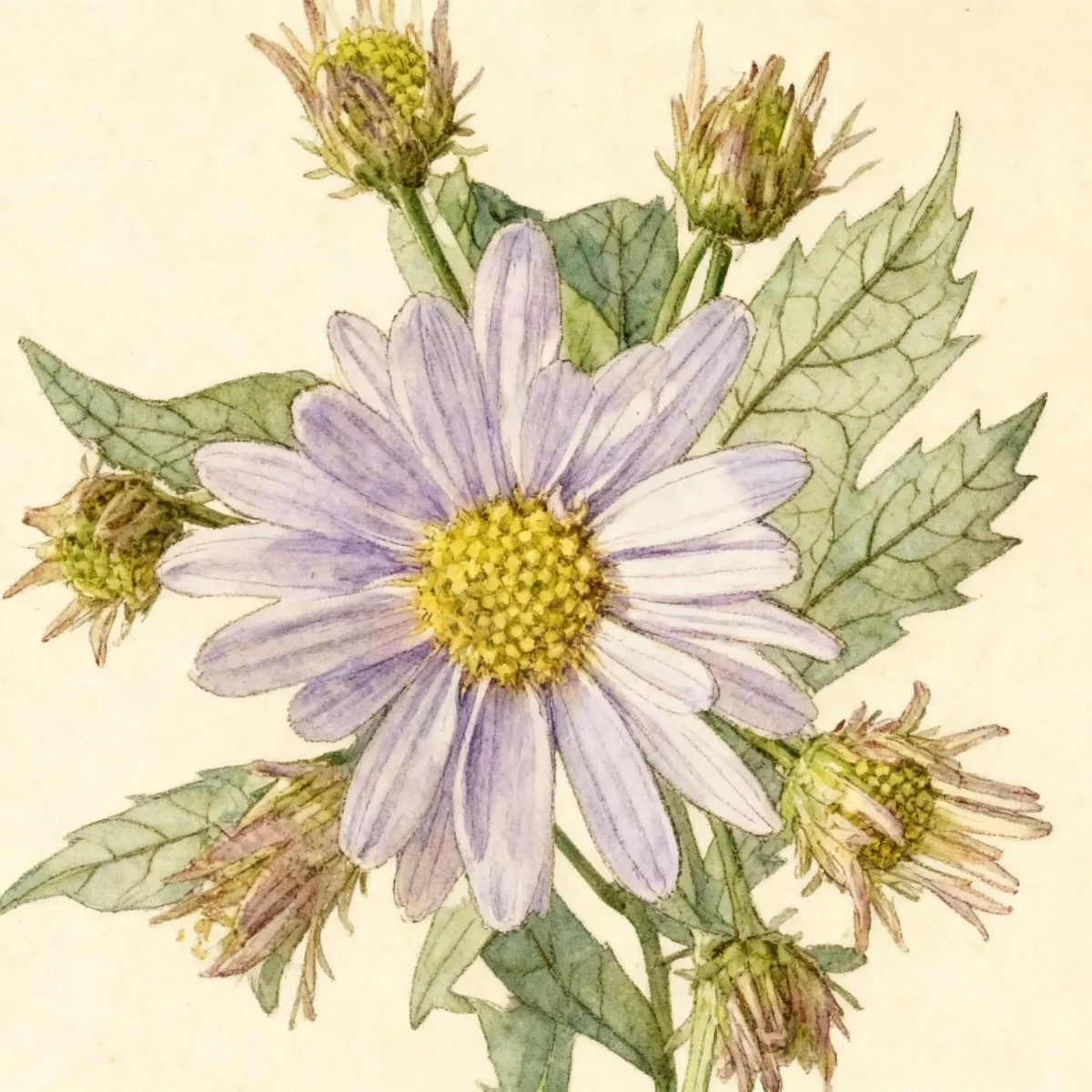
The appeal of this chamomile lies in its fine, fern-like leaves that emit a distinct, pleasant fruity scent—the origin of its common name, “Ground apple.” Throughout summer, it produces charming, daisy-like flowers featuring white rays surrounding bright yellow centers, adding cheerful accents to the landscape.
As a low-maintenance herb that spreads via creeping, rooting stems, Chamaemelum nobile is exceptionally practical. It excels as ground cover, between paving stones, or even as a historically used, although lightly tolerant, lawn substitute, offering both beauty and utilitarian value.
Fast Facts
- Plant Family: Asteraceae
- Plant Type: Herbaceous perennial
- Native Range: Western Europe
- Hardiness Zones: USDA Zones 4-9
- Size at Maturity:
- Height: 0.25-0.5 ft
- Spread: 0.5-1 ft
- Bloom Time: June to September
- Bloom Description: White rays with yellow centers
- Sun Exposure: Full sun to part shade
- Water Needs: Medium
- Maintenance Level: Low
How to Grow
Planting Chamaemelum nobile is straightforward; it thrives best after the danger of frost has passed. Ideal locations feature average, medium soils, provided they are well-drained. Sandy soils are particularly favored by this hardy perennial. While easily grown from seed, successful establishment is also achieved via divisions or planting seedlings 6 to 12 inches apart if intending to use it as a lawn or dense carpet.
This chamomile requires medium watering but shows good drought tolerance once established. Fertilizer is generally unnecessary, as overly rich soil can sometimes encourage excessive, potentially aggressive spreading. Due to how easily it spreads by creeping stems that root readily, maintenance involves occasional division to keep it contained, particularly where planted as a border.
For gardeners in cooler summer climates, Chamaemelum nobile performs exceptionally well. If mowing it as a lawn substitute, be aware that it only tolerates minimal foot traffic compared to traditional turfs. In all uses, ensure it receives adequate sunshine, although it can manage partial shade gracefully.
Landscape Uses
The versatility of Chamaemelum nobile makes it a star in various landscape roles. Its dense, mat-forming habit makes it an excellent ground cover in sunny borders, effectively suppressing weeds while providing constant textural interest. It is highly recommended for softening the edges of rock gardens or trailing over retaining walls, offering a cascading effect.
One of the most compelling uses for the Roman chamomile is filling gaps between flagstones on pathways or patios. Here, regular, light treading releases its signature apple-like fragrance, enhancing the sensory experience of the garden path. For those seeking an aromatic, low-growing alternative to grass, planting Chamomile thickly as a lawn substitute rewards the gardener with scent and bloom rather than high durability.
This perennial integrates wonderfully into herb gardens where its leaves or flowers can be harvested, or along border fronts where its low profile won’t obscure taller plantings. Consider pairing it with companion plants that share similar sun and soil tolerances to create a cohesive, low-maintenance planting scheme.
Standout Features
Flower Qualities
- Showy
Noteworthy Characteristics
Chamaemelum nobile, commonly called chamomile or Roman chamomile, is a low-growing evergreen perennial that forms a spreading mat of aromatic foliage typically growing 3-6” tall and spreading by decumbent stems to 12” wide. Its finely-dissected, fern-like foliage emits a fruity scent when bruised, and the daisy-like flowers bloom throughout the summer and into early fall. Historically, the flower heads of this plant have been dried to create chamomile tea, a soothing remedy used for various ailments.
Tolerances
- Tolerates some drought
Potential Problems
Gardeners generally report that Chamaemelum nobile faces no serious insect or disease problems, contributing to its low maintenance profile. The primary concern for cultivation involves its aggressive nature when growing conditions are optimal. Because it spreads readily by creeping stems that root as they grow, gardeners must actively monitor its spread, especially when planting near delicate border plants or within contained areas. Regular edging or division is necessary to prevent this attractive ground cover from overwhelming less vigorous neighbors.
Frequently Asked Questions
What hardiness zones is Chamomile suitable for?
Roman chamomile (Chamaemelum nobile) is hardy across USDA Zones 4 through 9.
How large does Chamaemelum nobile grow?
This perennial generally reaches a low height between 0.25 and 0.5 feet tall, spreading outward to occupy an area of 0.5 to 1 foot wide.
What sun exposure does Chamomile need?
For best flowering and growth, Chamaemelum nobile prefers a location receiving full sun, though it can successfully tolerate part shade conditions.
When does Chamomile bloom?
This plant produces its cheerful, white-rayed flowers with yellow centers typically from June right through to September.
Conclusion
The Roman chamomile, Chamaemelum nobile, offers unparalleled value as a low-growing, fragrant perennial perfect for ground cover, pathways, or rock gardens. Its easy cultivation and low maintenance requirements make it an excellent choice for nearly any gardener looking to incorporate texture and historic herbal value. Check your specific hardiness zone compatibility and plan your planting to occur during moderate weather for the best establishment this season.
Companion Planting
Choosing companions for Chamaemelum nobile is simple, as its cultural needs align with many drought-tolerant, sun-loving rock garden residents. Consider planting it alongside creeping thyme varieties or creeping sedums, which offer contrasting textures but share the same preference for well-drained soil and minimal water once mature. These low-growing partners will enhance the visual tapestry when the chamomile is used as a dense ground cover.
In herb gardens, pair the Roman chamomile with other fragrant, culinary herbs that enjoy plenty of sun, such as lavender or creeping rosemary. The contrast in foliage and flower structure between these companions creates visual depth, ensuring that the low, spreading habit of the chamomile remains a feature rather than an afterthought in the design.
Propagation Tips
Chamaemelum nobile is easy to propagate, which helps manage its potentially aggressive spreading habit by providing new, well-placed plants. The most straightforward method is through division, which should ideally be performed in the spring or early fall. Gently lift sections of the established mat, ensuring each division has adequate healthy roots attached, and replant them promptly in their new locations.
This plant also readily establishes from its own creeping stems. When stems sprawl and come into contact with the soil, they will naturally root, forming new plants. You can facilitate this process by slightly loosening the soil beneath these stems or by using small stones to hold the segments firmly against the ground. Alternatively, Chamaemelum nobile is easily grown directly from seed sown outdoors after the last frost.