Garden balsam (Impatiens balsamina)
Discover Garden balsam (Impatiens balsamina), a low-maintenance annual boasting colorful blooms from May to frost in sunny or shady spots.
Scroll down to discover growing tips, care requirements, companion plants, and more
Complete Plant Information
Overview
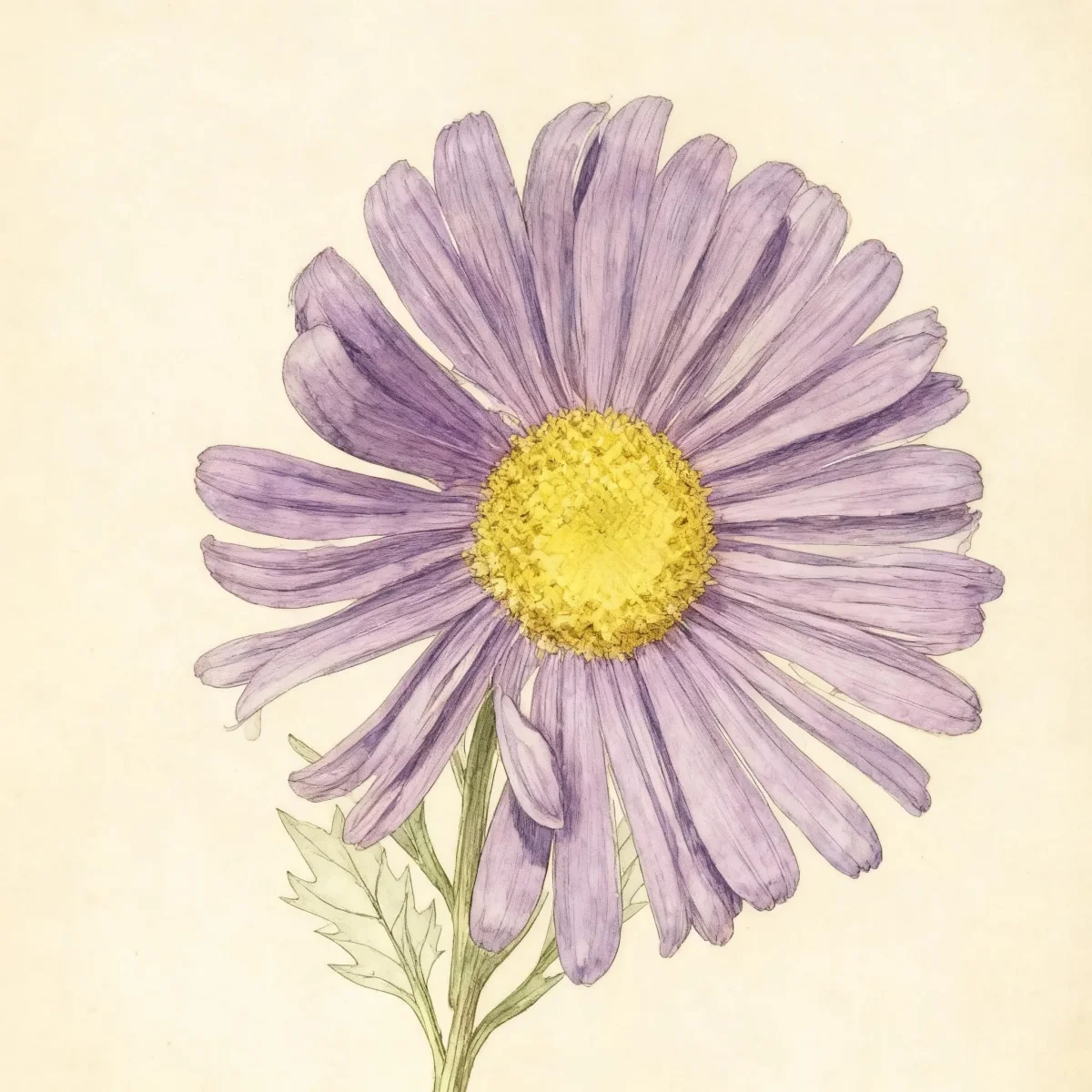
Garden balsam, botanically known as Impatiens balsamina, is a charming, erect annual cherished for its colorful, cup-shaped flowers that appear profusely from early summer until the first hard frost. This species offers a robust alternative to common garden impatiens, thriving across a remarkably wide range of hardiness zones stretching from 2 to 11. The blooms appear in varied shades including pink, red, purple, and white, often presenting in popular double, camellia-like forms.
While sometimes eclipsed by its relatives, Impatiens balsamina remains a valuable addition due to its low maintenance needs and adaptability to both sunny and partly shaded sites. It brings vibrant vertical interest to the garden structure with heights reaching up to 2.5 feet. Garden balsam is an old garden favorite, easily grown from seed, making it an economical choice for filling borders and containers.
One of the most memorable aspects of this plant, noted in its genus name, is the explosive seed dispersal mechanism of its ripe pods, giving rise to its common name, Garden balsam. Growing Impatiens balsamina ensures seasonal color and textural variation in beds, requiring minimal effort once established in favorable conditions.
Fast Facts
- Plant Family: Balsaminaceae
- Plant Type: Annual
- Native Range: India, southeast Asia
- Hardiness Zones: USDA Zones 2-11
- Size at Maturity:
- Height: 0.5-2.5 ft
- Spread: 0.5-1.5 ft
- Bloom Time: May to frost
- Bloom Description: Pink, rose, red, purple, white and bicolor
- Sun Exposure: Full sun to part shade
- Water Needs: Medium
- Maintenance Level: Low
How to Grow
To successfully cultivate Impatiens balsamina, start seeds indoors 6–8 weeks before your region’s average last frost date, or purchase established seedlings. This tender annual should only be set outside after all danger of frost has passed. It performs best in organically rich, well-drained soil that remains evenly moist, though it handles part shade better in warmer climates like the St. Louis area.
Watering requirements for Garden balsam are medium; consistent moisture helps promote heavy blooming throughout the season. While naturally low maintenance, consider pinching back the young plants when they reach about 4 inches tall. This simple pruning technique encourages a bushier, more compact habit, preventing the stems from becoming leggy.
Impatiens balsamina has low overall maintenance requirements during the growing season. Fertilization is usually unnecessary if the soil is prepared well initially, but a balanced liquid feed mid-season can boost flower production. Be aware that these plants can readily self-seed, which might lead to prolific volunteer plants the following year, a characteristic that can be desirable or potentially aggressive depending on the climate.
Landscape Uses
Garden balsam is highly versatile, excelling as a traditional Annual planted for continuous summer color. While often noted for shady beds, Impatiens balsamina appreciates full sun provided its medium water needs are consistently met. They are excellent choices for creating bright, vertical accents in woodland gardens or along the edges of borders where their varied colors can stand out.
Consider using rose balsam for edging along winding walks or paths, providing unexpected pops of color where taller specimens might overwhelm the view. Their upright structure also makes them suitable candidates for containers, where they can be combined with trailing annuals to create multi-layered displays. As these plants are known to Naturalize when conditions are right, allowing some to go to seed guarantees their return year after year in informal settings.
Standout Features
Flower Qualities
- Showy
Noteworthy Characteristics
Impatiens balsamina, commonly called rose balsam or garden balsam, is an erect, sparsely-branched, tender annual that typically grows to 6-30” tall (depending on variety). Cup-shaped single to mostly double flowers up to 2 inches in diameter feature incurved spurs and come in various shades of pink, rose, red, purple, white, and bicolor versions, often spotted. The genus name Impatiens references the violent seed discharge from the ripe pods, a characteristic that gardeners often observe in late summer.
Tolerances
- Drought
- Dry Soil
Potential Problems
Garden balsam generally does not suffer from serious insect or disease problems, contributing to its low maintenance profile. Gardeners should focus primarily on providing adequate soil drainage to prevent root issues, as consistently waterlogged conditions are detrimental, especially in cooler weather. Pay attention to watering frequency during peak summer heat, despite its slight drought tolerance, to maintain consistent flowering.
Frequently Asked Questions
What hardiness zones is Garden balsam suitable for?
Garden balsam (Impatiens balsamina) is surprisingly robust, thriving in USDA Zones 2 through 11.
How large does Garden balsam grow?
This annual typically reaches a mature height between 0.5 and 2.5 feet tall, with a spread ranging from 0.5 to 1.5 feet wide.
When does Garden balsam bloom?
You can expect continuous bloom from Impatiens balsamina starting in May and lasting right up until the first frost of the season.
What sun exposure does Garden balsam need?
This plant adapts well to a range of lighting conditions, performing best in full sun to part shade exposure.
Conclusion
Impatiens balsamina offers reliable, colorful summer interest with minimal fuss, making it a superb choice for gardeners seeking low-maintenance Annuals. Whether you use it for edging, mass planting, or containers, the vibrant blooms of Garden balsam provide excellent value. Check your local frost dates and plan to sow your Impatiens balsamina seeds indoors soon for a brilliant display next season.
Companion Planting
When placing Garden balsam in the landscape, consider its requirements for consistent moisture and adaptable light. It pairs beautifully with shade-loving perennials whose foliage provides contrast during the heat of mid-summer, such as Hostas or Ferns, especially if placed where it receives afternoon shade. For sunny borders, consider grouping Impatiens balsamina with lower-growing annuals like Calibrachoa or Sweet Alyssum, ensuring the companion plants have similar medium water requirements.
Propagation Tips
The most straightforward way to propagate Impatiens balsamina is by saving its unique, instantly recognizable exploding seed pods. Allow flowers to mature and dry on the plant; handling the pods carefully is essential, as they often discharge their seeds upon the slightest touch. Collect the seeds from fully mature pods, or allow them to drop directly into the surrounding soil if you anticipate them self-seeding. Starting seeds indoors 6–8 weeks before transplanting provides the best control over timing and vigor for the next growing season.